
A Kid-Friendly Balcony Garden: Nurturing Nature, Imagination, and Wonder
With the rise of urbanization and the increasing demand for green spaces, balcony gardens have become increasingly popular, especially for those living in apartments or with limited outdoor space. While balcony gardens offer numerous benefits for adults, they can be equally enjoyable and educational for children.
Transforming your balcony garden into a child-friendly haven not only fosters their interest in nature but also provides valuable sensory experiences and opportunities for imaginative play. By incorporating elements that are safe, engaging, and fun, you can create a space where children can learn, grow, and have endless hours of enjoyment.
In this comprehensive guide, we will delve into various strategies and ideas to make your balcony garden more kid-friendly, ensuring that your little ones can fully embrace the wonders of nature right outside their doorstep.
1. 1. Choose Safe and Kid-Friendly Plants
When selecting plants for a kid-friendly balcony garden, safety should be the top priority. Opt for non-toxic, edible varieties that are suitable for children to handle and enjoy. Avoid plants with thorns, sharp edges, or known toxicity. Many fruits, vegetables, and herbs fit these criteria and offer a fun and educational experience for kids.
Recommended edible plants for a kid-friendly balcony garden include strawberries, tomatoes, beans, lettuce, cucumbers, and herbs like basil, parsley, and mint. These plants are relatively easy to grow, even for beginner gardeners, and provide a sense of accomplishment for children when they see their own produce thriving.
In addition to edibility, consider the size and growth habit of the plants. Choose compact varieties that are well-suited for container gardening and won’t outgrow the space available on your balcony. Vertical gardening techniques, such as hanging planters and trellises, can also help maximize space and make gardening accessible for children of all ages.
Recommended Edible Plants:
When selecting edible plants for a kid-friendly balcony garden, there are many great options to choose from. Some of the most popular and easy-to-grow varieties include:
-
Strawberries: Kids love the sweet, juicy taste of strawberries, and they’re relatively easy to grow in containers. They prefer full sun and well-drained soil, and they produce fruit from spring to fall.
-
Tomatoes: Tomatoes are another popular choice for kids, and they come in a variety of shapes and sizes. They require full sun and well-drained soil, and they need to be staked or caged to prevent them from sprawling. However, they are not as tolerant of heat as some other plants.
-
Beans: Beans are a good source of protein and fiber, and they’re easy to grow in containers. They come in both bush and pole varieties, and they need full sun to partial shade and well-drained soil. They are also relatively heat tolerant. Pole beans may require a trellis for support.
In addition to these classic choices, there are many other edible plants that are well-suited for kid-friendly balcony gardens. Some other options to consider include:
-
Cucumbers: Cucumbers are a refreshing and hydrating snack, and they’re easy to grow in containers. They need full sun to partial shade and well-drained soil. They will need to be watered regularly.
-
Lettuce: Lettuce is a nutritious and versatile leafy green that’s easy to grow in containers. It prefers partial shade and well-drained soil. It is important to keep the soil moist, but not soggy.
-
Herbs: Herbs are a great way to add flavor to food, and many of them are easy to grow in containers. Some kid-friendly options include basil, parsley, mint, and chives. They prefer full sun to partial shade and well-drained soil.
Avoid Toxic Plants:
When selecting edible plants for a kid-friendly balcony garden, there are many great options to choose from. Some of the most popular and easy-to-grow varieties include:
-
Strawberries: Kids love the sweet, juicy taste of strawberries, and they’re relatively easy to grow in containers. They prefer full sun and well-drained soil, and they produce fruit from spring to fall.
-
Tomatoes: Tomatoes are another popular choice for kids, and they come in a variety of shapes and sizes. They require full sun and well-drained soil, and they need to be staked or caged to prevent them from sprawling. However, they are not as tolerant of heat as some other plants.
-
Beans: Beans are a good source of protein and fiber, and they’re easy to grow in containers. They come in both bush and pole varieties, and they need full sun to partial shade and well-drained soil. They are also relatively heat tolerant. Pole beans may require a trellis for support.
In addition to these classic choices, there are many other edible plants that are well-suited for kid-friendly balcony gardens. Some other options to consider include:
-
Cucumbers: Cucumbers are a refreshing and hydrating snack, and they’re easy to grow in containers. They need full sun to partial shade and well-drained soil. They will need to be watered regularly.
-
Lettuce: Lettuce is a nutritious and versatile leafy green that’s easy to grow in containers. It prefers partial shade and well-drained soil. It is important to keep the soil moist, but not soggy.
-
Herbs: Herbs are a great way to add flavor to food, and many of them are easy to grow in containers. Some kid-friendly options include basil, parsley, mint, and chives. They prefer full sun to partial shade and well-drained soil.
2. 2. Create a Vertical Garden:
Vertical gardening is a great way to maximize space and make gardening more accessible for kids on balconies. By using vertical planters or trellises, you can create a lush, productive garden even in a small space. Vertical gardening also has the added benefit of making it easier for kids to reach and care for their plants.
Hanging planters are a great option for vertical gardening on balconies. They can be suspended from the balcony railing or ceiling, and they come in a variety of sizes and shapes. You can find hanging planters made from a variety of materials, including plastic, metal, and fabric. When choosing hanging planters, be sure to select ones that have drainage holes to prevent waterlogging.
Trellises are another great option for vertical gardening. Trellises can be used to support climbing plants, such as beans, tomatoes, and cucumbers. They can be made from a variety of materials, including wood, metal, and plastic. When choosing a trellis, be sure to select one that is the right size for your plants and that is sturdy enough to support their weight.
Hanging Planters:
Hanging planters are a great way to add vertical interest to your balcony garden and make it more accessible for kids. They can be suspended from the balcony railing or ceiling, and they come in a variety of sizes and shapes. You can find hanging planters made from a variety of materials, including plastic, metal, and fabric. When choosing hanging planters, be sure to select ones that have drainage holes to prevent waterlogging.
One of the benefits of using hanging planters is that they can be placed at different heights, which makes it easy for kids of all ages to reach and care for their plants. You can also use hanging planters to create a vertical garden, which is a great way to maximize space on a small balcony. Hanging planters are also a good option for growing plants that need well-drained soil, such as succulents and herbs.
When planting in hanging planters, be sure to use a potting mix that is well-draining. You should also water your plants regularly, but be careful not to overwater. Fertilize your plants according to the manufacturer’s instructions.
Trellises:
Trellises are a great way to add vertical interest to your balcony garden and make it more accessible for kids. Trellises can be used to support climbing plants, such as beans, tomatoes, and cucumbers. They can be made from a variety of materials, including wood, metal, and plastic. When choosing a trellis, be sure to select one that is the right size for your plants and that is sturdy enough to support their weight.
One of the benefits of using trellises is that they can help to maximize space on a small balcony. By training climbing plants to grow upwards, you can free up valuable floor space for other plants or activities. Trellises also help to improve air circulation around your plants, which can help to prevent disease. Additionally, trellises can provide support for plants that are top-heavy or have weak stems.
When installing a trellis, be sure to secure it firmly to the balcony railing or wall. You can use zip ties, wire, or screws to attach the trellis. Once the trellis is in place, you can begin training your climbing plants to grow upwards. You can do this by gently guiding the stems of the plants towards the trellis and securing them with plant ties or twine.
3. 3. Provide Child-Sized Gardening Tools:
Providing children with age-appropriate gardening tools is essential for making gardening a fun and rewarding experience. Child-sized tools are designed to fit small hands and are lightweight and easy to use. This makes it easier for kids to participate in all aspects of gardening, from planting and watering to harvesting and weeding.
Some essential child-sized gardening tools include:
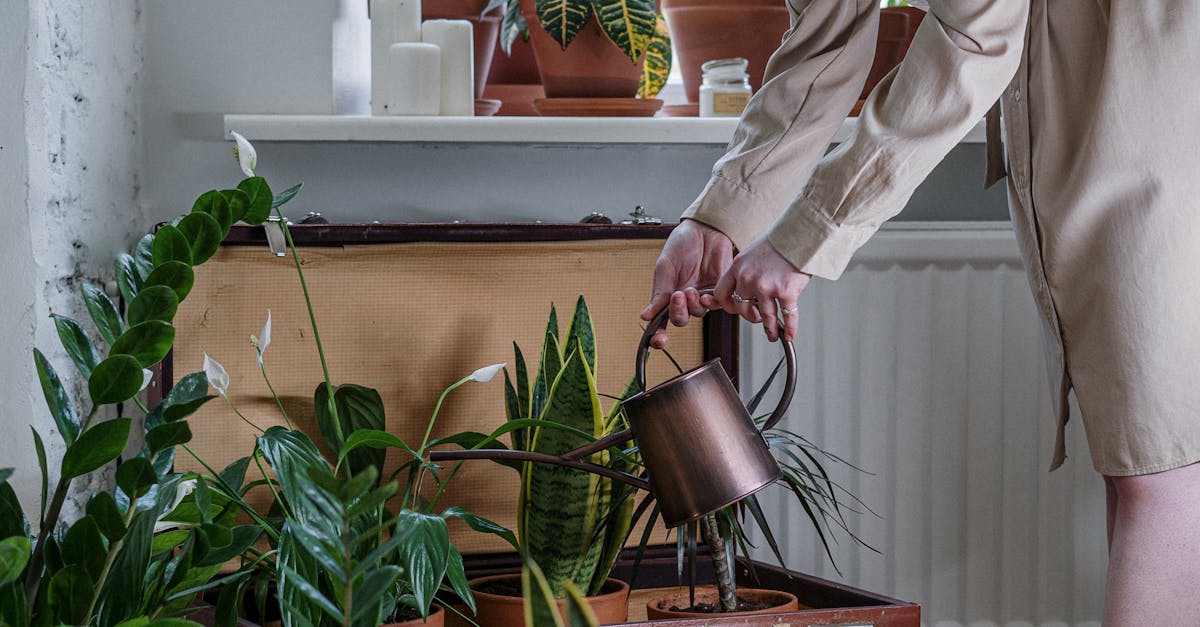
- Watering can: A small watering can with a long spout is perfect for kids to water their plants. Be sure to choose a watering can that is lightweight and easy to carry.
- Shovel: A small shovel is essential for digging holes for planting and transplanting. Choose a shovel with a rounded tip to avoid sharp edges.
- Rake: A small rake is great for leveling soil and removing weeds. Choose a rake with short,钝齿,以避免伤害孩子的手。
- Gloves: Gardening gloves protect children’s hands from dirt and thorns. Choose gloves that are made from breathable material and that fit snugly.
In addition to these basic tools, there are a variety of other child-sized gardening tools available, such as trowels, cultivators, and seeders. You can choose the tools that are best suited for the age and abilities of your child.
Kid-Sized Tools:
When choosing child-sized gardening tools, it is important to consider the age and abilities of your child. Younger children will need smaller, lighter tools that are easy to grip and use. Older children may be able to use tools that are closer in size to adult tools.
Here are some specific child-sized gardening tools to consider:
- Watering can: A small watering can with a long spout is perfect for kids to water their plants. Be sure to choose a watering can that is lightweight and easy to carry. Some watering cans are designed specifically for children and feature fun shapes and colors.
- Shovel: A small shovel is essential for digging holes for planting and transplanting. Choose a shovel with a rounded tip to avoid sharp edges. Some shovels are designed specifically for children and are made from lightweight materials such as plastic.
- Rake: A small rake is great for leveling soil and removing weeds. Choose a rake with short, blunt tines to avoid injury. Some rakes are designed specifically for children and are made from lightweight materials such as plastic.
- Gloves: Gardening gloves protect children’s hands from dirt and thorns. Choose gloves that are made from breathable material and that fit snugly. Some gloves are designed specifically for children and feature fun colors and patterns.
Safety First:
Safety should always be the top priority when children are using gardening tools. Here are a few tips to help keep your kids safe:
- Supervise children at all times. This is especially important for younger children who may not be familiar with the proper way to use gardening tools.
- Teach children how to use gardening tools properly. Show them how to hold the tools correctly and how to use them safely. Make sure they understand the potential hazards of each tool and how to avoid accidents.
- Choose the right tools for your child’s age and abilities. Younger children should use smaller, lighter tools that are easy to grip and use. Older children may be able to use tools that are closer in size to adult tools.
- Store gardening tools safely. When not in use, gardening tools should be stored in a safe place out of the reach of children. This will help to prevent accidents and injuries.
- Inspect gardening tools regularly. Check gardening tools for any damage or wear and tear before each use. Replace any damaged tools immediately.
By following these safety tips, you can help to ensure that your children have a fun and safe gardening experience.
4. 4. Create Sensory Experiences:

Creating sensory experiences in your balcony garden is a great way to engage children’s senses and help them learn about the natural world. Plants offer a variety of different textures, aromas, and colors, which can be stimulating and educational for kids. Here are a few ideas for incorporating sensory experiences into your balcony garden:
- Textures: Choose plants with a variety of different textures, such as fuzzy leaves, smooth leaves, prickly stems, and soft petals. Encourage children to touch and feel the plants to experience the different textures.
- Aromas: Some plants have strong scents, such as lavender, rosemary, and mint. Encourage children to smell the plants and identify the different aromas. You can also use scented plants to create a calming or invigorating atmosphere on your balcony.
- Colors: Plants come in a wide range of colors, from bright and vibrant to soft and subtle. Encourage children to observe the different colors of the plants and to talk about their favorites. You can also use colorful plants to create a cheerful and inviting space on your balcony.
In addition to the above, you can also incorporate other sensory elements into your balcony garden, such as water features, wind chimes, and bird feeders. These elements can provide a variety of sounds and visual stimuli that can be enjoyable and calming for children.
Sensory Plants:
When choosing plants for a sensory garden, it is important to select plants that offer a variety of different textures, aromas, and colors. Here are a few specific plants to consider:
- Soft leaves: Lamb’s ear (Stachys byzantina) is a popular choice for sensory gardens due to its soft, fuzzy leaves. Children will love to touch and feel the velvety texture of the leaves.
- Fragrant flowers: Lavender (Lavandula angustifolia) is a beautiful and fragrant plant that is perfect for sensory gardens. The purple flowers have a sweet, calming scent that is sure to please children and adults alike.
- Vibrant colors: Marigolds (Tagetes spp.) are a cheerful and colorful addition to any garden. The bright orange and yellow flowers are sure to capture children’s attention and add a splash of color to the sensory garden.
In addition to the above, there are many other plants that can be used to create a sensory garden. When selecting plants, be sure to choose a variety of different textures, aromas, and colors to provide a stimulating and educational experience for children.
Interactive Activities:
Encouraging children to interact with the plants in your sensory garden is a great way to help them learn about the natural world and develop their senses. Here are a few interactive activities to try:
- Touch and feel: Encourage children to touch and feel the different plants in the garden. Talk about the different textures of the leaves, stems, and flowers. Ask children to describe how the plants feel and to compare the different textures.
- Smell the flowers: Many plants have fragrant flowers. Encourage children to smell the flowers and identify the different scents. Talk about how the scents make them feel and which scents they like the best.
- Observe the colors: Plants come in a wide range of colors. Encourage children to observe the different colors of the plants and to talk about their favorites. Ask children to describe the different shades and hues of the flowers and leaves.
In addition to the above activities, you can also encourage children to draw or paint the plants in the sensory garden. This is a great way for them to observe the plants in detail and to express their creativity. You can also use the plants to create nature crafts, such as leaf rubbings or flower pressings.
5. 5. Make it Playful and Fun
Incorporating elements of play and creativity into your kid-friendly balcony garden is a great way to keep children engaged and learning. Here are a few ideas to get you started:
- Miniature fairy gardens: Miniature fairy gardens are a whimsical and creative way to add a touch of magic to your balcony garden. Children can use their imaginations to create their own miniature worlds, complete with tiny houses, furniture, and gardens. Fairy gardens are also a great way to encourage children to learn about different plants and flowers.
- Upcycled planters: Upcycled planters are a fun and creative way to reuse old containers. Children can help you to decorate old cans, bottles, or jars to create unique and colorful planters. Upcycled planters are a great way to teach children about recycling and sustainability.
- Nature crafts: Nature crafts are a great way to combine creativity with nature. Children can use natural materials, such as leaves, sticks, and flowers, to create their own works of art. Nature crafts are a fun and educational way to help children learn about the natural world.
In addition to the above ideas, you can also incorporate other elements of play and creativity into your balcony garden. For example, you could set up a small playhouse or teepee for children to play in. You could also create a sensory play area with different textures and materials for children to explore. The possibilities are endless!
Miniature Fairy Gardens:
Miniature fairy gardens are a whimsical and creative way to add a touch of magic to your balcony garden. Children can use their imaginations to create their own miniature worlds, complete with tiny houses, furniture, and gardens. Fairy gardens are also a great way to encourage children to learn about different plants and flowers.
To create a miniature fairy garden, you will need a few basic supplies, such as a container, potting mix, small plants, and figurines. You can use any type of container for your fairy garden, such as a flower pot, a shoebox, or even a seashell. Once you have your container, fill it with potting mix and add your plants. You can choose any type of plants you like, but small plants that stay relatively small are best. Some good options include succulents, ferns, and mosses.
Once you have your plants in place, you can start to add your figurines and accessories. You can find fairy garden figurines and accessories at most craft stores. You can also use natural materials, such as sticks, stones, and leaves, to create your own fairy garden accessories. Once you have finished adding your figurines and accessories, your miniature fairy garden is complete!
Upcycled Planters:
Upcycled planters are a fun and creative way to reuse old containers. Children can help you to decorate old cans, bottles, or jars to create unique and colorful planters. Upcycled planters are a great way to teach children about recycling and sustainability.
To make an upcycled planter, you will need a few basic supplies, such as an old container, paint, brushes, and potting mix. You can use any type of old container for your planter, such as a tin can, a plastic bottle, or a glass jar. Once you have your container, clean it thoroughly and remove any labels or stickers. Then, you can start to decorate your planter. You can paint it any color you like, and you can add designs or patterns using markers, crayons, or paint pens.
Once your planter is decorated, you can fill it with potting mix and add your plants. You can choose any type of plants you like, but small plants that do not have deep roots are best. Some good options include succulents, herbs, and flowers. Once you have planted your plants, your upcycled planter is complete!
Quiz
1. Which of the following is NOT a recommended edible plant for a kid-friendly balcony garden?
(a) Strawberries (b) Tomatoes (c) Ivy (d) Beans
2. What type of gardening technique can be used to maximize space and make gardening accessible for kids on balconies?
(a) Vertical gardening (b) Container gardening (c) Raised bed gardening (d) Hydroponic gardening
3. Which of the following is a benefit of creating a sensory garden for children?
(a) Enhances their sense of touch, smell, and sight (b) Encourages creativity and imagination (c) Provides opportunities for interactive learning (d) All of the above
4. What is a fun and creative way to incorporate elements of play and imagination into a kid-friendly balcony garden?
(a) Miniature fairy gardens (b) Upcycled planters (c) Nature crafts (d) All of the above
5. True or False: When choosing plants for a kid-friendly balcony garden, it is important to avoid plants with thorns or sharp edges.
(a) True (b) False
Answer Key
- c
- a
- d
- d
- a
Answer Key
- c
- a
- d
- d
- a
Unlock the Greenery Potential of Your Balcony: A Guide to Thriving Plants in Compact Spaces Attention all balcony-dwelling plant enthusiasts! Read more
Transform Your Balcony into a Flourishing Garden Oasis: A Step-by-Step Guide Beginning a balcony garden can be a fulfilling endeavor, Read more
Unlocking the Potential of Vertical Gardening on Balconies Are you tired of your cramped balcony but still longing for a Read more
Aromatic Delights: Cultivating Herbs on Your Balcony Oasis Whether you're a seasoned gardener or just starting out, growing herbs on Read more