
Maximize Space, Enhance Beauty: The Allure of Hanging Basket Gardens
Transform Your Balcony with a Vibrant Hanging Basket Garden
In the realm of urban living, where space is often at a premium, hanging basket gardens have emerged as an ingenious solution for adding greenery and beauty to balconies. These elevated gardens not only maximize vertical space but also create a stunning visual display that enhances the ambiance of your outdoor oasis.
Whether you’re a seasoned gardener or a novice enthusiast, creating a hanging basket garden is an accessible and rewarding endeavor. With the right containers, soil, and plant selection, you can cultivate a thriving ecosystem that will add a touch of nature to your urban abode. Get ready to embark on a horticultural journey that will transform your balcony into a vibrant and flourishing sanctuary.
1. Benefits of Hanging Basket Gardens
Benefits of Hanging Basket Gardens
Hanging basket gardens offer a myriad of advantages that make them an attractive choice for urban gardeners and balcony enthusiasts alike.
- Maximize Vertical Space: In small spaces like balconies, vertical gardening techniques are essential for maximizing available space. Hanging baskets allow you to create a lush garden without taking up valuable floor area. You can suspend them from ceilings, walls, or railings, making the most of the vertical dimension.
- Add Visual Interest: Hanging baskets are a fantastic way to add visual interest and color to your balcony. The cascading plants and vibrant blooms create a captivating display that transforms your outdoor space into a picturesque haven. You can experiment with different plant combinations to achieve a customized and visually stunning garden.
- Promote Plant Health: Hanging baskets provide excellent drainage, which is crucial for preventing root rot and other plant diseases. The elevated position also ensures good air circulation around the plants, reducing the risk of fungal infections. Additionally, hanging baskets receive ample sunlight, which is essential for healthy plant growth and flowering.
- Enhance Air Quality: Plants have the remarkable ability to purify the air by absorbing pollutants and releasing oxygen. Hanging baskets bring this air-purifying power to your balcony, improving the overall air quality in your outdoor living space.
2. Choosing the Right Containers and Materials
Choosing the Right Containers and Materials
Selecting the right containers and materials is crucial for the success of your hanging basket garden. Here are some key factors to consider:
- Drainage Holes: Ensure that your hanging baskets have adequate drainage holes to prevent waterlogging, which can lead to root rot and other plant problems. Look for containers with multiple drainage holes at the bottom to allow excess water to drain freely.
- Suspension System: Choose hanging baskets with strong and durable suspension systems that can securely support the weight of the soil, plants, and water. The suspension system should be able to withstand wind and other outdoor elements without breaking or becoming loose.
- Materials: Hanging baskets are available in a variety of materials, each with its own advantages and disadvantages:
- Plastic: Plastic containers are lightweight, durable, and affordable. They come in various colors and styles, making them a versatile choice for any balcony decor.
- Metal: Metal containers, such as wrought iron or aluminum, are sturdy and long-lasting. They add a touch of elegance to your balcony and can withstand harsh weather conditions.
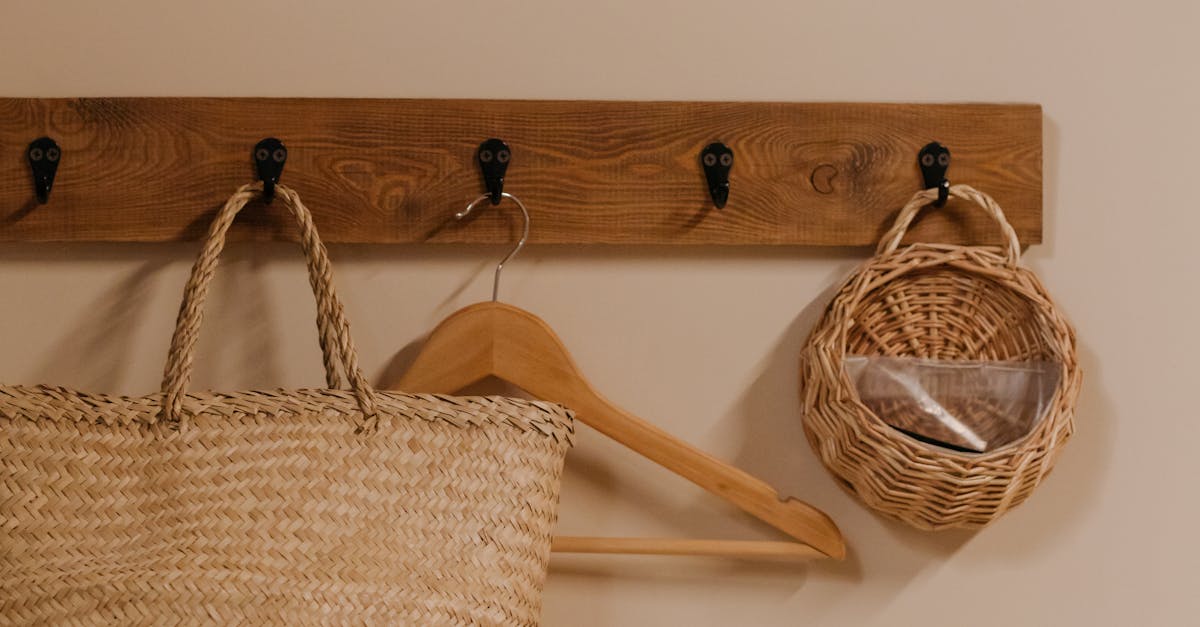
- Natural Fibers: Hanging baskets made from natural fibers like wicker, rattan, or coir are eco-friendly and have a rustic charm. However, they may require more frequent watering as they tend to dry out faster than other materials.
- Lining the Basket: To retain moisture and prevent soil from spilling out, consider lining your hanging basket with landscape fabric or burlap. This lining will help keep the soil in place and reduce the frequency of watering.
By carefully selecting the right containers and materials, you can create a thriving and visually appealing hanging basket garden that will bring beauty and joy to your balcony for seasons to come.
3. Soil Preparation and Plant Selection
Soil Preparation and Plant Selection
Preparing the right soil and selecting suitable plants are essential for creating a thriving hanging basket garden.
- Soil Preparation:
- Use a well-draining potting mix specifically designed for container gardening. These mixes typically contain a blend of peat moss, compost, and perlite or vermiculite to ensure good drainage and aeration.
- Avoid using garden soil as it can become compacted and waterlogged in containers.
- Plant Selection:
- Choose plant varieties that are well-suited for growing in containers, such as those with trailing or cascading habits.
- Consider the flower color, foliage texture, and blooming seasons of different plants to create a visually appealing display throughout the year.
- Some popular choices for hanging baskets include:
- Petunias
- Geraniums
- Impatiens
- Begonias
- Lobelias
By carefully preparing the soil and selecting the right plants, you can create a vibrant and flourishing hanging basket garden that will add beauty and charm to your balcony.
Recommended Plants for Hanging Baskets
Recommended Plants for Hanging Baskets
When selecting plants for your hanging basket garden, consider the following popular choices known for their beauty and suitability for container gardening:
- Petunias: Petunias are a classic choice for hanging baskets due to their vibrant blooms and trailing habit. They come in a wide range of colors, including pink, purple, red, and white. Petunias prefer full sun to partial shade and require regular watering and fertilization.
- Geraniums: Geraniums are another popular choice for hanging baskets, prized for their showy clusters of flowers and attractive foliage. They are available in both upright and trailing varieties, and come in a variety of colors, including red, pink, white, and purple. Geraniums prefer full sun to partial shade and require moderate watering.
- Impatiens: Impatiens are a great choice for shady balconies, as they can tolerate low light conditions. They produce masses of colorful flowers in shades of pink, red, purple, and white. Impatiens prefer moist soil and should be watered regularly.
- Begonias: Begonias are known for their beautiful foliage and delicate flowers. They come in a variety of colors and growth habits, including trailing varieties suitable for hanging baskets. Begonias prefer partial shade to shade and require moderate watering.
- Lobelias: Lobelias are a charming choice for hanging baskets, producing a profusion of small, bell-shaped flowers in shades of blue, purple, and white. They prefer full sun to partial shade and require regular watering.
By carefully selecting plants based on their specific growing requirements and aesthetic qualities, you can create a stunning and vibrant hanging basket garden that will enhance the beauty of your balcony.
4. Planting and Arrangement
Planting and Arrangement
Once you have selected your plants and prepared your hanging basket, it’s time to plant and arrange them for optimal growth and visual impact.
- Planting:
- Gently remove the plants from their containers and loosen any tangled roots.
- Dig a hole in the potting mix deep enough to accommodate the root ball.
- Place the plant in the hole and fill in the space around the roots with potting mix, gently firming it down.
- Water the plants thoroughly after planting.
- Arrangement:
- Determine the spacing and positioning of plants within the basket based on their growth habit and desired visual effect.
- Taller, upright plants can be placed in the center or at the back of the basket, while trailing plants can be arranged around the edges to cascade over the sides.
- Consider the color combinations and textures of the plants to create a visually appealing display.
- Avoid overcrowding the basket, as this can restrict air circulation and promote disease.
By following proper planting and arrangement techniques, you can create a thriving hanging basket garden that will bring beauty and joy to your balcony for seasons to come.
5. Care and Maintenance Tips
Care and Maintenance Tips
Ongoing care and maintenance are essential to keep your hanging basket garden thriving and looking its best.
- Watering:
- Monitor soil moisture regularly, especially during hot and dry weather.
- Water the plants thoroughly when the top inch of soil feels dry to the touch.
- Avoid overwatering, as this can lead to root rot and other problems.
- Fertilizing:
- Fertilize the plants every two to three weeks with a balanced liquid fertilizer diluted according to the manufacturer’s instructions.
- Fertilizing provides essential nutrients for healthy plant growth and flowering.
- Pest Control:
- Regularly inspect your plants for pests such as aphids, spider mites, or whiteflies.
- Treat infestations promptly using organic or chemical control methods as necessary.
- Deadheading:
- Regularly deadhead spent blooms to encourage continuous flowering.
- Deadheading removes old flowers and prevents the plant from putting energy into seed production.
By following these care and maintenance tips, you can ensure that your hanging basket garden remains a vibrant and flourishing addition to your balcony throughout the growing season.
Watering and Fertilizing
Watering and Fertilizing
Watering and fertilizing are crucial aspects of caring for your hanging basket garden. Here’s how to establish a proper watering and fertilizing schedule:
- Watering:
- Hanging baskets tend to dry out more quickly than plants in the ground, so it’s important to monitor soil moisture regularly.
- Water the plants thoroughly when the top inch of soil feels dry to the touch.
- Avoid overwatering, as this can lead to root rot and other problems.
- During hot and dry weather, you may need to water your hanging baskets daily or even twice a day.
- Consider using a moisture meter to accurately measure soil moisture.
- Fertilizing:
- Fertilize your hanging basket plants every two to three weeks with a balanced liquid fertilizer.
- Dilute the fertilizer according to the manufacturer’s instructions.
- Fertilizing provides essential nutrients for healthy plant growth and flowering.
- Avoid over-fertilizing, as this can damage the plants.
By following these watering and fertilizing tips, you can ensure that your hanging basket garden receives the nutrients and moisture it needs to thrive and produce an abundance of beautiful flowers throughout the season.
Pest and Disease Management
Pest and Disease Management
Hanging basket plants are susceptible to a range of pests and diseases, just like any other plants. It’s important to identify and manage these issues promptly to maintain the health and beauty of your garden.
- Common Pests:
- Aphids: These tiny, soft-bodied insects can infest the stems and leaves of plants, causing yellowing and stunted growth. Organic control methods include spraying with insecticidal soap or neem oil.
- Spider mites: These microscopic pests spin webs on the undersides of leaves, causing them to turn yellow and drop. Control methods include spraying with insecticidal soap or horticultural oil.
- Whiteflies: These small, white insects feed on the sap of plants, causing yellowing and wilting. Organic control methods include spraying with insecticidal soap or neem oil.
- Common Diseases:
- Powdery mildew: This fungal disease appears as a white powdery substance on the leaves of plants. Control methods include spraying with a fungicide or using organic remedies like baking soda or milk.
- Botrytis blight: This fungal disease causes gray mold to develop on flowers, stems, and leaves. Control methods include removing infected plant parts and improving air circulation.
- Root rot: This disease is caused by overwatering or poor drainage, leading to the roots of plants rotting. Control methods include adjusting watering practices and improving drainage.
Regularly inspect your hanging basket plants for signs of pests or diseases. Implement organic or chemical control measures as needed to keep your plants healthy and thriving.
Quiz
To test your understanding of the key points discussed in this article, please answer the following questions:
Multiple Choice
-
Which of the following is NOT a benefit of hanging basket gardens?
(a) Maximizing vertical space
(b) Improving air quality
(c) Reducing the risk of plant diseases
(d) Enhancing soil fertility
-
When choosing a container for your hanging basket, it is important to consider:
(a) Drainage holes
(b) Suspension system
(c) Material
(d) All of the above
-
Which of the following plants is NOT recommended for hanging baskets due to its upright growth habit?
(a) Petunias
(b) Geraniums
(c) Begonias
(d) Marigolds
True/False
- Overwatering is a common problem for hanging basket plants.
- Fertilizing your hanging basket plants every month is essential for optimal growth.
- Deadheading spent blooms can encourage continuous flowering.
Answer Key
Multiple Choice 1. (d) Enhancing soil fertility 2. (d) All of the above 3. (d) Marigolds
True/False 4. True 5. False (every two to three weeks is recommended) 6. True
Unlock the Greenery Potential of Your Balcony: A Guide to Thriving Plants in Compact Spaces Attention all balcony-dwelling plant enthusiasts! Read more
Transform Your Balcony into a Flourishing Garden Oasis: A Step-by-Step Guide Beginning a balcony garden can be a fulfilling endeavor, Read more
Unlocking the Potential of Vertical Gardening on Balconies Are you tired of your cramped balcony but still longing for a Read more
Aromatic Delights: Cultivating Herbs on Your Balcony Oasis Whether you're a seasoned gardener or just starting out, growing herbs on Read more