
Savoring Freshness: A Comprehensive Guide to Balcony Vegetable Gardening
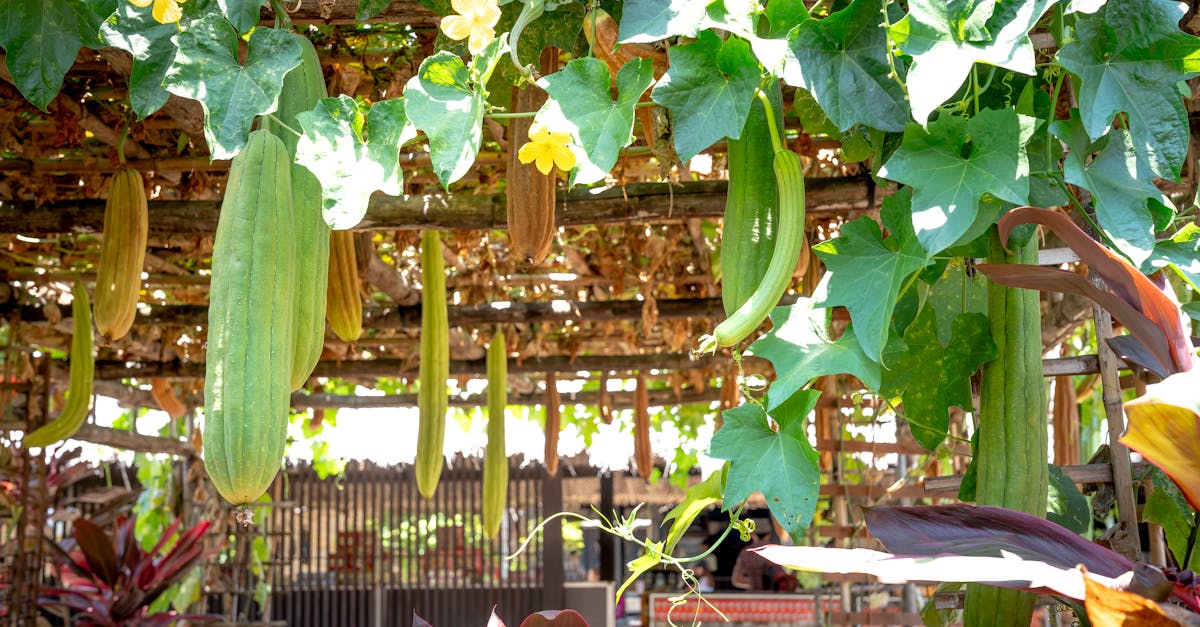
Growing a balcony vegetable garden is a great way to enjoy fresh, homegrown produce, even if you don’t have a lot of space. This article will provide you with the information you need to get started, including tips on selecting the right plants, prepping the soil and planting, watering and fertilizing, and managing pests and diseases.
With a little planning and effort, you can have a bountiful harvest of nutrient-rich vegetables right on your balcony. So what are you waiting for?
Not only is growing your vegetables more convenient, but it also gives you more control over what you put on your plate. You can choose to grow organic vegetables without pesticides or herbicides, and you can harvest them at the peak of ripeness for the best flavor and nutrition.
1. Planning Your Balcony Vegetable Garden
Planning Your Balcony Vegetable Garden: Begin by assessing your balcony’s size, sunlight exposure, and available resources. Choose suitable containers, vertical gardening systems, or raised beds to optimize space.
Before you start planting, it’s important to take some time to plan your balcony vegetable garden. This will help you choose the right plants, containers, and growing methods for your space.
1. Assess your balcony conditions.
The first step is to assess your balcony’s conditions. This includes:
-
Sunlight: How many hours of sunlight does your balcony get each day? This will help you choose plants that are well-suited to your growing conditions.
-
Wind exposure: Is your balcony exposed to strong winds? If so, you’ll need to choose plants that are wind-tolerant.
-
Available space: How much space do you have for gardening? This will help you determine how many plants you can grow and what type of containers or growing systems you’ll need.
2. Choose suitable containers, vertical gardening systems, or raised beds.
Once you know your balcony’s conditions, you can start choosing containers or growing systems. There are a variety of options available, including:
-
Containers: Containers are a great option for small balconies. They come in a variety of sizes and shapes, so you can find ones that fit your space and style.
-
Vertical gardening systems: Vertical gardening systems are a great way to save space on your balcony. They allow you to grow plants vertically, which can significantly increase your growing capacity.
-
Raised beds: Raised beds are another good option for small balconies. They provide good drainage and can be filled with high-quality potting mix, which gives your plants a good start.
Once you’ve chosen your containers or growing systems, you’re ready to start planting your balcony vegetable garden!
Assessing Balcony Conditions
Assessing Balcony Conditions: Determine sunlight hours, wind exposure, and available vertical space.
Before you start planning your balcony vegetable garden, it’s important to take some time to assess your balcony’s conditions. This will help you choose the right plants and growing methods for your space.
1. Sunlight hours
The first thing to consider is how many hours of sunlight your balcony gets each day. This will help you choose plants that are well-suited to your growing conditions.
-
Most vegetables need at least 6 hours of sunlight per day, but some can tolerate less. If your balcony only gets a few hours of sunlight, you’ll need to choose plants that are shade-tolerant.
-
You can use a sun meter to measure the amount of sunlight your balcony gets. Or, you can simply observe your balcony throughout the day to see how much sun it gets.
2. Wind exposure
Another important factor to consider is wind exposure. If your balcony is exposed to strong winds, you’ll need to choose plants that are wind-tolerant.
- Some plants, such as tomatoes and peppers, are more susceptible to wind damage than others. If your balcony is very windy, you may want to consider growing these plants in containers or using a windbreak.
3. Available vertical space
If you have a small balcony, you’ll need to make the most of the vertical space available. There are a number of ways to do this, such as:
-
Using hanging planters
-
Installing a vertical gardening system
-
Growing plants vertically on trellises or stakes
By using vertical space wisely, you can grow a lot of food in a small space.
Once you’ve assessed your balcony’s conditions, you can start planning your balcony vegetable garden!
Selecting Containers and Gardening Systems
Selecting Containers and Gardening Systems: Explore options like self-watering containers, hanging planters, and trellises.
Once you know your balcony’s conditions and the types of plants you want to grow, you can start choosing containers or gardening systems.
1. Containers
Containers are a great option for small balconies. They come in a variety of sizes and shapes, so you can find ones that fit your space and style. When choosing containers, be sure to consider the following:
-
Size: Choose containers that are large enough to accommodate the root systems of your plants. However, don’t choose containers that are too large, as this can lead to overwatering.
-
Drainage: Make sure that your containers have drainage holes. This will help to prevent the roots of your plants from rotting.
-
Material: Containers can be made from a variety of materials, including plastic, ceramic, and wood. Choose a material that is durable and weather-resistant.
2. Vertical gardening systems
Vertical gardening systems are a great way to save space on your balcony. They allow you to grow plants vertically, which can significantly increase your growing capacity. There are a variety of vertical gardening systems available, including:
-
Trellises: Trellises are a simple and inexpensive way to grow plants vertically. They can be made from a variety of materials, including wood, metal, and plastic.
-
Hanging planters: Hanging planters are another great way to grow plants vertically. They can be hung from the ceiling or from a wall.
-
Stacked planters: Stacked planters are a great way to grow a lot of plants in a small space. They can be stacked vertically to create a tower of plants.
3. Self-watering containers
Self-watering containers are a great option for busy gardeners. They have a built-in reservoir that waters your plants automatically. This can be especially helpful during hot, dry weather.
Once you’ve chosen your containers or gardening systems, you’re ready to start planting your balcony vegetable garden!
2. Choosing the Right Vegetables
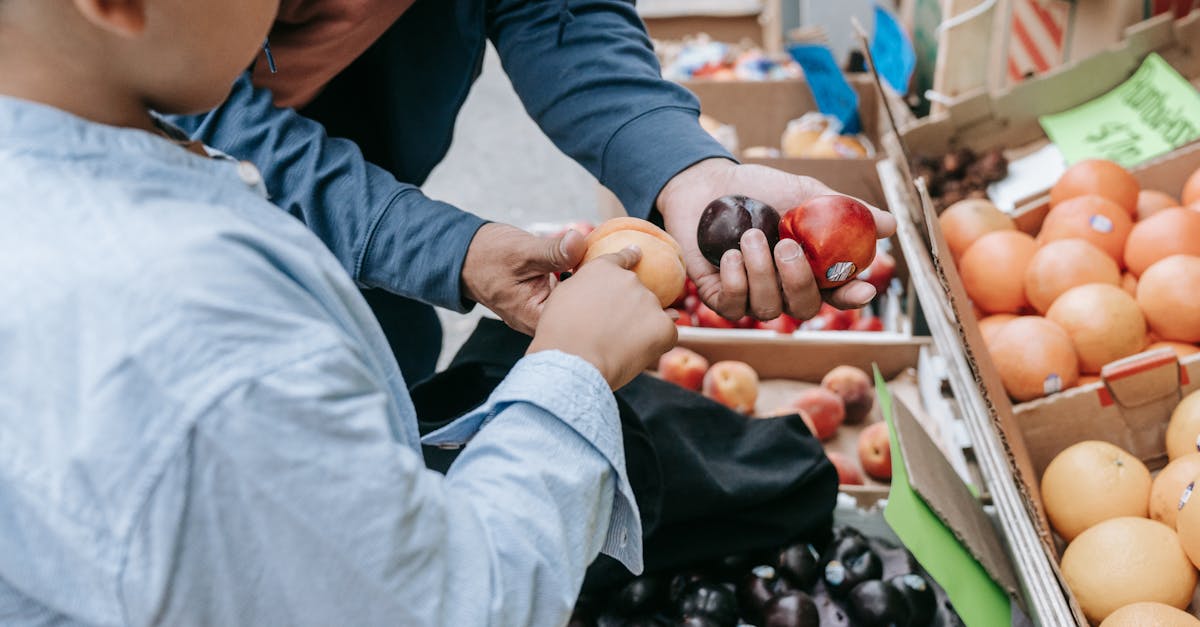
Choosing the Right Vegetables: Select vegetables that thrive in container gardening and balcony conditions. Consider vertical varieties, compact plants, and species with shorter growing seasons.
When choosing vegetables to grow in your balcony vegetable garden, it’s important to select varieties that are well-suited to container gardening and balcony conditions.
1. Vertical varieties
If you have a small balcony, you’ll want to choose vegetables that can be grown vertically. This will help you to save space and maximize your growing capacity.
Some good vertical varieties include:
-
Tomatoes
-
Cucumbers
-
Beans
-
Peas
-
Strawberries
2. Compact plants
If you have a limited amount of space, you’ll also want to choose compact plants. These plants will take up less space and are less likely to become overcrowded.
Some good compact varieties include:
-
Dwarf tomatoes
-
Bush beans
-
Peppers
-
Lettuce
-
Radishes
3. Short season varieties
If you live in a climate with a short growing season, you’ll want to choose vegetables that have a short growing season. This will give you the best chance of harvesting a crop before the weather turns cold.
Some good short season varieties include:
-
Radishes
-
Lettuce
-
Spinach
-
Peas
-
Beans
Once you’ve chosen your vegetables, you’re ready to start planting your balcony vegetable garden!
Suitable Vegetables for Balcony Gardens
Suitable Vegetables for Balcony Gardens: Examples include tomatoes, peppers, cucumbers, leafy greens, and herbs.
When choosing vegetables to grow in your balcony vegetable garden, there are many factors to consider, such as the amount of sunlight your balcony gets, the size of your balcony, and your personal preferences. However, there are some vegetables that are generally well-suited to balcony gardening, including:
-
Tomatoes: Tomatoes are a popular choice for balcony gardens because they are relatively easy to grow and they produce a bountiful harvest. There are many different varieties of tomatoes available, so you can choose one that is well-suited to your balcony conditions.
-
Peppers: Peppers are another good choice for balcony gardens. They come in a variety of shapes and sizes, and they can be grown in both full sun and partial shade.
-
Cucumbers: Cucumbers are a refreshing and versatile vegetable that can be grown on a trellis or in a hanging basket. They require regular watering and fertilizing, but they are relatively easy to grow.
-
Leafy greens: Leafy greens, such as lettuce, spinach, and kale, are a great way to add nutrients to your diet. They can be grown in containers or in a vertical gardening system.
-
Herbs: Herbs are a great way to add flavor to your food. They can be grown in containers or in a vertical gardening system. Some popular herbs for balcony gardens include basil, oregano, and thyme.
These are just a few of the many vegetables and herbs that can be grown in a balcony vegetable garden. With a little planning and care, you can enjoy fresh, homegrown produce all season long.
Maximizing Vertical Space
Maximizing Vertical Space: Utilize trellises, hanging baskets, and stackable planters to grow vertically.
If you have a small balcony, you’ll need to make the most of the vertical space available. There are a number of ways to do this, including:
1. Trellises
Trellises are a simple and inexpensive way to grow plants vertically. They can be made from a variety of materials, including wood, metal, and plastic. Trellises can be used to support a variety of climbing plants, such as tomatoes, cucumbers, and beans.
2. Hanging baskets
Hanging baskets are another great way to grow plants vertically. They can be hung from the ceiling or from a wall. Hanging baskets can be used to grow a variety of plants, including strawberries, herbs, and flowers.
3. Stackable planters
Stackable planters are a great way to grow a lot of plants in a small space. They can be stacked vertically to create a tower of plants. Stackable planters can be used to grow a variety of vegetables, including tomatoes, peppers, and strawberries.
By using vertical space wisely, you can grow a lot of food in a small space. This is a great way to maximize your harvest and enjoy fresh, homegrown produce all season long.
3. Preparing the Soil and Planting
Preparing the Soil and Planting: Use high-quality potting mix and amend it with organic matter. Follow proper planting techniques to ensure healthy growth.
Once you’ve chosen your containers and vegetables, it’s time to prepare the soil and plant your vegetables.
1. Choosing the Right Potting Mix
When choosing a potting mix for your balcony vegetable garden, it’s important to select one that is well-draining and contains plenty of organic matter. A good potting mix will provide your plants with the nutrients they need to grow and thrive.
2. Amending the Soil
Once you’ve chosen a potting mix, you can amend it with organic matter to improve its fertility and drainage. Some good organic amendments include compost, manure, and peat moss.
3. Planting Techniques
When planting your vegetables, be sure to follow the instructions on the seed packet or plant tag. Generally, you’ll want to plant your seeds or seedlings at the correct depth and spacing. You’ll also want to make sure that the soil is firm around the roots of your plants.
By following these tips, you can ensure that your vegetables get off to a healthy start.
Choosing the Right Potting Mix
Choosing the Right Potting Mix: Select a well-draining mix specifically designed for container gardening.
When choosing a potting mix for your balcony vegetable garden, it’s important to select one that is well-draining and contains plenty of organic matter. A good potting mix will provide your plants with the nutrients they need to grow and thrive.
1. Well-draining
A well-draining potting mix will allow excess water to drain away easily. This is important because soggy soil can lead to root rot and other problems.
2. Organic matter
Organic matter, such as compost, manure, and peat moss, helps to improve the fertility and drainage of potting mix. It also helps to retain moisture and nutrients.
3. Specifically designed for container gardening
There are many different types of potting mixes available, but it’s important to choose one that is specifically designed for container gardening. This type of potting mix will contain the right balance of ingredients to meet the needs of your plants.
By choosing the right potting mix, you can give your vegetables the best possible start in life.
Amending the Soil
Amending the Soil: Add compost, manure, or other organic matter to enhance soil fertility.
Once you’ve chosen a potting mix, you can amend it with organic matter to improve its fertility and drainage. Some good organic amendments include compost, manure, and peat moss.
1. Compost
Compost is a great way to add nutrients and organic matter to your potting mix. It is made from decomposed plant material, such as leaves, grass clippings, and food scraps. Compost helps to improve soil structure, drainage, and fertility.
2. Manure
Manure is another good source of nutrients and organic matter for your potting mix. It is made from the糞便of animals, such as cows, horses, and chickens. Manure helps to improve soil fertility and structure.
3. Peat moss
Peat moss is a type of organic matter that is made from partially decomposed sphagnum moss. It is a good way to add organic matter and improve drainage to your potting mix. However, peat moss is a non-renewable resource, so it is important to use it sparingly.
By amending your potting mix with organic matter, you can improve its fertility and drainage. This will give your vegetables the best possible start in life.
Planting Techniques
Planting Techniques: Maintain appropriate spacing, depth, and support for each plant.
When planting your vegetables, it’s important to follow the instructions on the seed packet or plant tag. Generally, you’ll want to plant your seeds or seedlings at the correct depth and spacing. You’ll also want to make sure that the soil is firm around the roots of your plants.
1. Spacing
The spacing between your plants is important because it affects their ability to get sunlight, water, and nutrients. If your plants are too close together, they may compete for resources and become stunted. If they are too far apart, they may not be able to fully utilize the space in your garden.
2. Depth
The depth at which you plant your seeds or seedlings is also important. If you plant them too deep, they may not be able to germinate. If you plant them too shallow, they may dry out or be damaged by pests.
3. Support
Some plants, such as tomatoes and cucumbers, need support to grow properly. You can provide support by using stakes, cages, or trellises.
By following these planting techniques, you can ensure that your vegetables get off to a healthy start.
4. Watering and Fertilizing
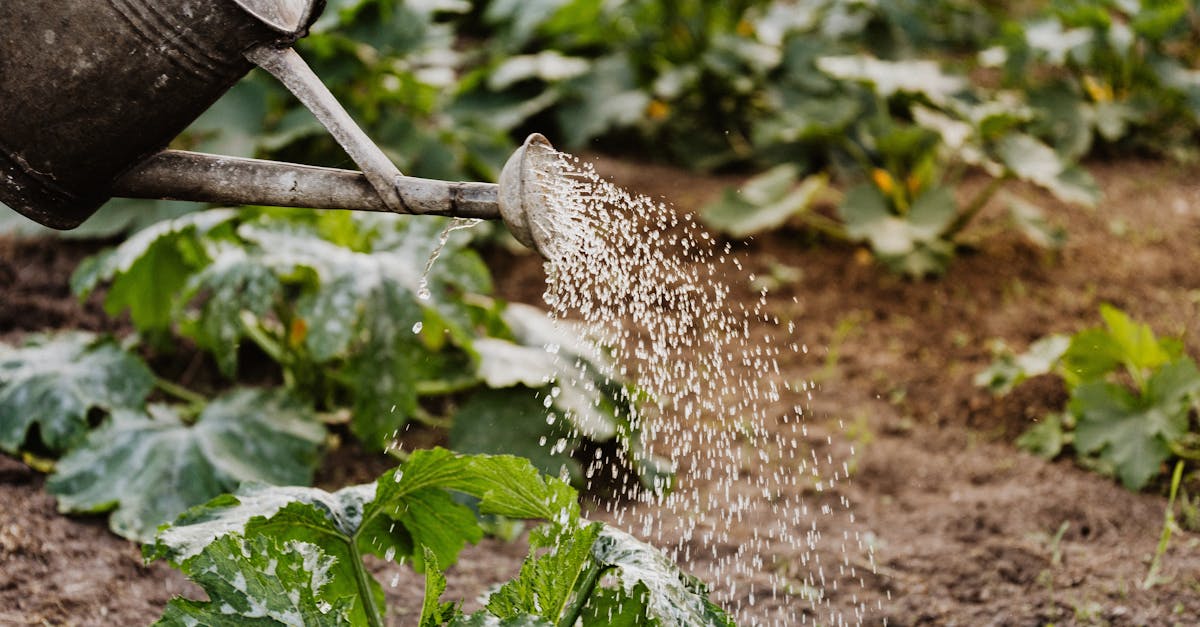
Watering and Fertilizing: Establish a regular watering schedule and provide adequate nutrients to support plant growth and yield.
Once your vegetables are planted, it’s important to establish a regular watering and fertilizing schedule. This will help to ensure that your plants get the water and nutrients they need to grow and produce a bountiful harvest.
1. Watering
The amount of water your plants need will vary depending on the type of plant, the size of the plant, and the weather conditions. However, a good rule of thumb is to water your plants deeply and regularly, especially during hot and dry weather.
2. Fertilizing
Fertilizing your plants will help to provide them with the nutrients they need to grow and produce a bountiful harvest. There are many different types of fertilizers available, so it’s important to choose one that is specifically designed for vegetables. You should also follow the instructions on the fertilizer package carefully.
By following these watering and fertilizing tips, you can help to ensure that your vegetables get the water and nutrients they need to grow and produce a bountiful harvest.
Watering Frequency and Techniques
Watering Frequency and Techniques: Water deeply and consistently, considering factors like sun exposure and plant type.
The amount of water your plants need will vary depending on the type of plant, the size of the plant, and the weather conditions. However, a good rule of thumb is to water your plants deeply and regularly, especially during hot and dry weather.
1. Water deeply
When you water your plants, it’s important to water deeply. This means watering the soil until it is moist all the way down to the roots. Deep watering encourages the roots to grow deep into the soil, which makes the plants more drought-tolerant.
2. Water consistently
It’s also important to water your plants consistently. This means watering them on a regular schedule, even if it doesn’t rain. Consistent watering helps to prevent the soil from drying out too much, which can stress the plants and lead to problems such as wilting and stunted growth.
3. Consider sun exposure and plant type
When determining how often to water your plants, it’s important to consider the amount of sun exposure they receive and the type of plant they are. Plants that receive more sun will need to be watered more often than plants that receive less sun. Additionally, some plants, such as succulents, are more drought-tolerant than others and will need to be watered less often.
By following these watering tips, you can help to ensure that your plants get the water they need to grow and thrive.
Fertilizing for Balcony Gardens
Fertilizing for Balcony Gardens: Use balanced fertilizers specifically formulated for container-grown vegetables.
Fertilizing your plants will help to provide them with the nutrients they need to grow and produce a bountiful harvest. There are many different types of fertilizers available, so it’s important to choose one that is specifically designed for vegetables. You should also follow the instructions on the fertilizer package carefully.
When choosing a fertilizer for your balcony vegetable garden, it’s important to select one that is balanced. This means that it contains all of the essential nutrients that your plants need, including nitrogen, phosphorus, and potassium. You should also choose a fertilizer that is specifically formulated for container-grown vegetables. These fertilizers are designed to release nutrients slowly over time, which helps to prevent the plants from becoming over-fertilized.
Once you’ve chosen a fertilizer, you can apply it to your plants according to the instructions on the package. It’s important to fertilize your plants regularly, especially during the growing season. However, it’s also important to avoid over-fertilizing, as this can damage the plants.
5. Pest and Disease Management
Pest and Disease Management: Implement preventive measures and organic solutions to protect your plants from pests and diseases in the balcony environment.
Even with the best care, your balcony vegetable garden may be susceptible to pests and diseases. However, there are a number of preventive measures and organic solutions that you can implement to protect your plants.
1. Preventive measures
- Choose resistant varieties: When choosing plants for your balcony vegetable garden, select varieties that are resistant to common pests and diseases.
- Keep your garden clean: Remove any dead or diseased plant material from your garden. This will help to reduce the risk of pests and diseases spreading.
- Water your plants regularly: Water your plants deeply and regularly, especially during hot and dry weather. This will help to keep your plants healthy and reduce the risk of stress, which can make them more susceptible to pests and diseases.
2. Organic solutions
- Neem oil: Neem oil is a natural pesticide that can be used to control a variety of pests, including aphids, spider mites, and whiteflies.
- Insecticidal soap: Insecticidal soap is another natural pesticide that can be used to control pests. It is made from fatty acids and works by suffocating the pests.
- Companion planting: Companion planting is a technique that involves planting different types of plants together to help protect each other from pests and diseases.
Common Balcony Pests and Diseases
Common Balcony Pests and Diseases: Identify common threats and their symptoms.
Even with the best care, your balcony vegetable garden may be susceptible to pests and diseases. Here are some of the most common threats and their symptoms:
1. Pests
- Aphids: Aphids are small, soft-bodied insects that can infest plants and suck their sap. This can cause the leaves of the plants to turn yellow and wilt.
- Spider mites: Spider mites are tiny, spider-like creatures that can also infest plants and suck their sap. This can cause the leaves of the plants to turn brown andCrispy.
- Whiteflies: Whiteflies are small, white insects that can infest plants and lay their eggs on the undersides of the leaves. This can cause the leaves of the plants to turn yellow and wilt.
2. Diseases
- Powdery mildew: Powdery mildew is a fungal disease that can cause a white powdery coating to form on the leaves of plants. This can reduce the plant’s ability to photosynthesize and can eventually lead to the death of the plant.
- Botrytis: Botrytis is a fungal disease that can cause gray mold to form on the leaves, stems, and fruits of plants. This can lead to the rotting of the plant tissue and can eventually kill the plant.
- Bacterial wilt: Bacterial wilt is a bacterial disease that can cause the stems of plants to wilt and turn brown. This can eventually lead to the death of the plant.
By identifying the common pests and diseases that can affect your balcony vegetable garden, you can take steps to prevent them from causing damage.
Organic Pest Control
Organic Pest Control: Utilize neem oil, insecticidal soap, or companion planting techniques.
There are a number of organic pest control methods that you can use to protect your balcony vegetable garden from pests. These methods are less harmful to the environment and to beneficial insects than traditional chemical pesticides.
1. Neem oil
Neem oil is a natural pesticide that is made from the seeds of the neem tree. It is effective against a wide range of pests, including aphids, spider mites, and whiteflies. Neem oil works by disrupting the pests’ hormones and making them unable to feed or reproduce.
2. Insecticidal soap
Insecticidal soap is another natural pesticide that can be used to control pests. It is made from fatty acids and works by suffocating the pests. Insecticidal soap is effective against a wide range of pests, including aphids, spider mites, and whiteflies.
3. Companion planting
Companion planting is a technique that involves planting different types of plants together to help protect each other from pests and diseases. For example, planting garlic or onions near your tomatoes can help to deter aphids. Planting marigolds near your vegetables can help to deter nematodes. There are numerous resources available to show you companion planting charts and pairings that you can use to plan your balcony vegetable garden.
By using these organic pest control methods, you can protect your balcony vegetable garden from pests without harming the environment or beneficial insects.
Disease Prevention and Treatment
Disease Prevention and Treatment: Practice good sanitation, use disease-resistant varieties, and apply organic fungicides.
In addition to using organic pest control methods, there are a number of other things you can do to prevent and treat diseases in your balcony vegetable garden.
1. Practice good sanitation
One of the best ways to prevent diseases in your balcony vegetable garden is to practice good sanitation. This includes removing any dead or diseased plant material from your garden and keeping your garden clean and free of debris.
2. Use disease-resistant varieties
When choosing plants for your balcony vegetable garden, select varieties that are resistant to common diseases. This will help to reduce the risk of your plants becoming infected.
3. Apply organic fungicides
If your plants do become infected with a disease, you can apply an organic fungicide to treat it. Organic fungicides are less harmful to the environment and to beneficial insects than traditional chemical fungicides.
By following these tips, you can help to prevent and treat diseases in your balcony vegetable garden and keep your plants healthy and productive.
Quiz
1. What is the first step in planning a balcony vegetable garden?
(a) Choosing plants
(b) Assessing balcony conditions
(c) Preparing the soil
2. True or False: Vertical gardening is a good way to save space on a balcony.
3. What is the best type of potting mix to use for container gardening?
(a) A mix that is well-draining and contains plenty of organic matter
(b) A mix that is high in nutrients
(c) A mix that is made from recycled materials
4. True or False: Over-fertilizing plants can damage them.
5. What is a natural pesticide that can be used to control pests on balcony plants?
(a) Neem oil
(b) Chemical pesticide
(c) Dish soap
Answer Key
- (b)
- True
- (a)
- True
- (a)
Answer Key
- (b)
- True
- (a)
- True
- (a)
Unlock the Greenery Potential of Your Balcony: A Guide to Thriving Plants in Compact Spaces Attention all balcony-dwelling plant enthusiasts! Read more
Transform Your Balcony into a Flourishing Garden Oasis: A Step-by-Step Guide Beginning a balcony garden can be a fulfilling endeavor, Read more
Unlocking the Potential of Vertical Gardening on Balconies Are you tired of your cramped balcony but still longing for a Read more
Aromatic Delights: Cultivating Herbs on Your Balcony Oasis Whether you're a seasoned gardener or just starting out, growing herbs on Read more