
Your Balcony Sanctuary: A Fragrant Oasis of Lavender Bliss
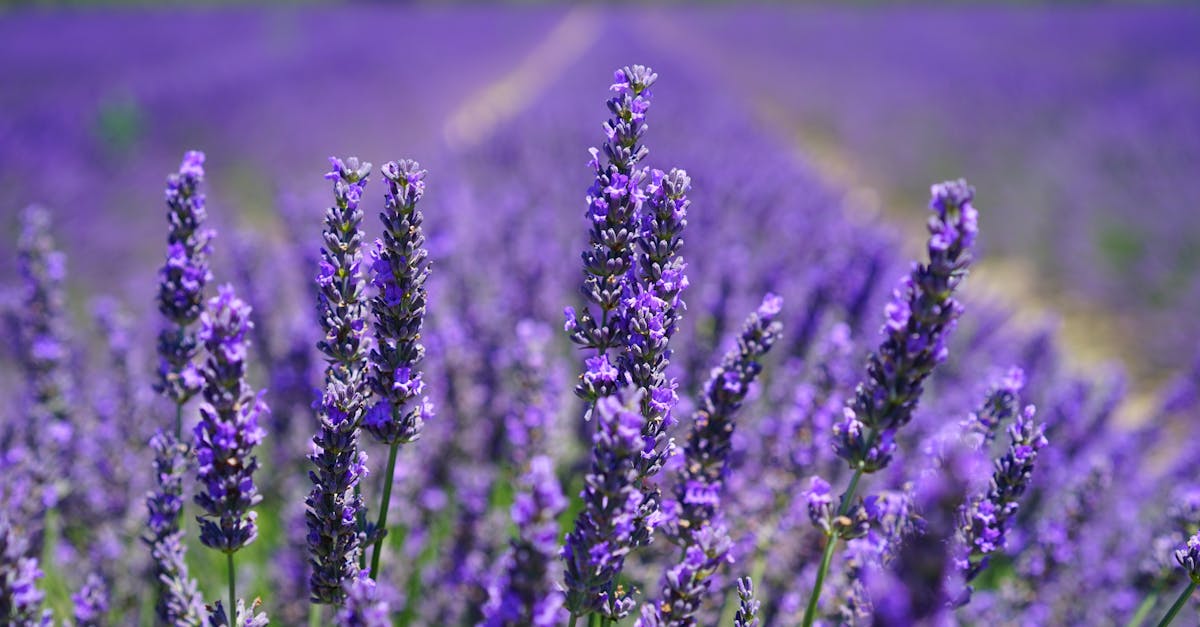
Escape the hustle and bustle by creating a fragrant and serene escape on your balcony with a luscious lavender haven. Whether you’re a seasoned green thumb or just starting your gardening journey, this comprehensive guide will empower you with the knowledge to cultivate a flourishing lavender oasis that will transform your outdoor space into a tranquil paradise.
Let the enchanting aroma of lavender fill the air as you embark on a delightful journey into the world of balcony gardening. With its vibrant hues ranging from soft purples to deep indigos, lavender not only adds a touch of elegance but also attracts beneficial pollinators, creating a harmonious ecosystem on your balcony.
Prepare to immerse yourself in the therapeutic benefits of lavender, known for its calming properties that soothe both body and mind. As you tend to your plants, the delicate fragrance will envelop you, offering a moment of tranquility amidst the urban landscape. Let the vibrant colors and soothing scents of your blooming lavender haven become a sanctuary where you can unwind, recharge, and connect with nature.
1. Choosing the Right Lavender Variety
When it comes to creating a flourishing lavender haven on your balcony, selecting the right variety is paramount. Compact, balcony-friendly lavender cultivars are specially bred to thrive in container gardening environments, ensuring a bountiful bloom without overwhelming your limited space.
For those seeking petite lavender plants that maintain a charmingly small stature, dwarf varieties like ‘Lavender Lady’ and ‘Hidcote Blue’ are excellent choices. These compact cultivars typically reach heights of 12-18 inches, making them ideal for adorning balconies with their delicate beauty. Their diminutive size allows for easy placement on tables, railings, or windowsills, where their fragrant blooms can be enjoyed up close.
If you desire a more dramatic effect, trailing lavender varieties like ‘Lavender Stoechas’ and ‘Lavender Angustifolia’ offer a captivating solution. These graceful plants cascade elegantly over the edges of containers, creating a mesmerizing display that adds vertical interest to your balcony garden. Their long, flowing stems adorned with delicate flowers are sure to attract attention and add a touch of whimsy to your outdoor haven.
Dwarf Varieties
Among the array of lavender varieties suitable for balcony gardening, dwarf cultivars stand out for their charmingly compact size. These petite plants, typically reaching heights of 12-18 inches, are ideal for adorning balconies with their delicate beauty without overwhelming the limited space.
One popular dwarf variety is ‘Lavender Lady’. Known for its compact, bushy habit, ‘Lavender Lady’ produces an abundance of fragrant, deep purple blooms that adorn the plant throughout the summer months. Its silvery-green foliage adds to its ornamental value, creating a delightful contrast against the vibrant flowers.
Another excellent choice for balcony gardens is ‘Hidcote Blue’. This dwarf variety is prized for its intense, indigo-blue flowers that bloom profusely from mid to late summer. ‘Hidcote Blue’ maintains a compact, rounded shape, making it a versatile choice for containers or small spaces. Its aromatic foliage and attractive flowers create a captivating sensory experience on your balcony.
Whether you choose ‘Lavender Lady’ or ‘Hidcote Blue’, or perhaps both, these dwarf varieties offer a charming and manageable way to enjoy the beauty and fragrance of lavender in your balcony haven.
Trailing Varieties
If you desire a more dramatic effect on your balcony, trailing lavender varieties offer a captivating solution. These graceful plants cascade elegantly over the edges of containers, creating a mesmerizing display that adds vertical interest to your balcony garden. Their long, flowing stems adorned with delicate flowers are sure to attract attention and add a touch of whimsy to your outdoor haven.
One popular trailing variety is ‘Lavender Stoechas’, also known as Spanish lavender. This vigorous grower produces an abundance of fragrant, deep purple blooms that bloom profusely from late spring to early summer. ‘Lavender Stoechas’ is known for its distinctive flower spikes, which feature showy, petal-like bracts that add to its ornamental appeal.
Another excellent choice for trailing lavender is ‘Lavender Angustifolia’, commonly known as true lavender or English lavender. This variety is prized for its classic lavender fragrance and elegant, narrow leaves. ‘Lavender Angustifolia’ produces spikes of delicate purple flowers that bloom in mid to late summer, adding a touch of charm and tranquility to your balcony.
Whether you choose ‘Lavender Stoechas’ or ‘Lavender Angustifolia’, or perhaps both, these trailing varieties offer a stunning way to enjoy the beauty and fragrance of lavender while maximizing space on your balcony.
2. Creating the Ideal Container and Soil

Creating the ideal environment for your lavender plants on the balcony begins with selecting appropriate containers and preparing the perfect potting mix. These elements will provide the necessary support and nourishment for your lavender to thrive and flourish.
For containers, choose porous materials like terracotta or unglazed ceramic. These materials allow for proper drainage and aeration, preventing waterlogging that can be detrimental to lavender’s roots. Ensure that the containers have drainage holes to allow excess water to escape. Size-wise, select containers that are proportionate to the size of your lavender plants, providing enough space for root growth without being excessively large.
When it comes to potting mix, lavender prefers a well-draining, slightly alkaline environment. A suitable potting mix can be created by combining equal parts compost, perlite, and a sandy loam. Compost provides organic matter and nutrients, perlite improves drainage, and sandy loam adds structure and stability. This combination provides the optimal conditions for lavender roots to thrive and absorb essential nutrients.
Container Selection
When selecting containers for your lavender plants on the balcony, opt for porous materials such as terracotta or unglazed ceramic. These materials are highly recommended for lavender cultivation due to their ability to provide both proper drainage and aeration.
Terracotta, a natural clay material, is a popular choice for lavender containers. Its porous nature allows excess water to evaporate easily, preventing waterlogging that can lead to root rot. Additionally, terracotta’s reddish-brown hue adds a rustic charm to any balcony garden.
Unglazed ceramic is another excellent option for lavender containers. Similar to terracotta, unglazed ceramic allows for proper drainage and aeration, ensuring the well-being of your lavender plants. Its smooth surface and variety of colors and designs can complement any balcony décor.
When choosing containers, it is essential to select those with drainage holes. These holes allow excess water to escape, preventing waterlogging and promoting healthy root development.
Soil Preparation
Preparing the perfect potting mix is essential for the success of your lavender plants on the balcony. Lavender prefers a well-draining, slightly alkaline environment, and a suitable potting mix can be created by combining equal parts compost, perlite, and a sandy loam.
Compost provides organic matter and essential nutrients for your lavender plants. It helps improve soil structure, water retention, and nutrient availability.
Perlite is a lightweight, porous material that enhances drainage and aeration in the potting mix. It helps prevent waterlogging and allows excess water to drain away, creating a healthy root environment.
Sandy loam is a type of soil that contains a mixture of sand, silt, and clay. It provides a good balance of drainage, moisture retention, and structure. The sandy component ensures proper drainage, while the silt and clay provide some moisture retention and stability.
When preparing the potting mix, thoroughly combine equal parts of compost, perlite, and sandy loam. Mix them until they are evenly distributed to create a well-blended and consistent growing medium.
3. Planting and Establishing Your Lavender
Planting your lavender plants correctly is crucial for their establishment and long-term health on your balcony. Follow these proper planting techniques to ensure a strong foundation for your fragrant haven:
When planting your lavender, dig a hole that is twice the width of the root ball and just as deep. This will provide enough space for the roots to spread out and grow.
Gently remove the lavender plant from its container, taking care not to damage the roots. Loosen any circling roots to encourage outward growth.
Place the lavender plant in the hole and backfill with the prepared potting mix. Firm the soil around the base of the plant to secure it in place.
Water the lavender plant deeply after planting to settle the soil and remove any air pockets. Avoid overwatering, as lavender prefers well-draining soil.
Planting Depth
When planting lavender, the depth is crucial for its successful establishment and growth. Follow these guidelines to ensure proper planting depth:
Plant lavender slightly deeper than it was in its nursery container. This will help stabilize the plant and promote the development of a strong root system.
However, ensure that the crown of the plant, where the stems meet the roots, remains above the soil level. Planting too deeply can suffocate the plant and lead to stem rot.
After planting, gently firm the soil around the base of the lavender to secure it in place. Water deeply to settle the soil and remove any air pockets.
Water Wisely
Water is essential for the growth and health of lavender, but it’s important to water wisely to avoid overwatering. Follow these guidelines to ensure proper watering practices for your lavender plants:
After planting, water your lavender deeply to settle the soil and remove any air pockets. Allow the soil to dry out completely before watering again.
Lavender prefers well-draining soil, so avoid overwatering, which can lead to root rot and other problems. Water only when the soil feels dry to the touch.
During hot, dry weather, you may need to water your lavender more frequently. However, always check the soil moisture before watering to avoid overwatering.
4. Maintaining Your Balcony Oasis
Maintaining your lavender balcony oasis requires regular care and attention to keep your plants thriving and blooming profusely. Follow these tips to ensure the continued health and beauty of your lavender haven:
Provide your lavender plants with plenty of sunlight. Lavender prefers at least 6 hours of direct sunlight per day, so place your containers in a location that receives ample sunlight.
Fertilize your lavender plants monthly during the growing season with a balanced liquid fertilizer diluted to half strength. This will provide the nutrients your plants need to produce lush growth and abundant blooms.
Deadhead spent blooms to encourage new growth and flowering. Simply remove the faded flower spikes by pinching them off at the base.
Prune your lavender plants lightly after flowering to maintain their shape and encourage bushier growth. Remove any dead or woody stems, and trim back any overgrown branches.
Sunlight Exposure
Sunlight is essential for the growth and well-being of lavender plants. To ensure your lavender thrives on your balcony, provide it with ample sunlight exposure:
Lavender prefers at least 6 hours of direct sunlight per day. Choose a location for your containers that receives plenty of sunlight throughout the day.
If your balcony does not receive enough sunlight, consider supplementing with artificial grow lights. This will help your lavender plants get the light they need to grow and bloom.
Too little sunlight can lead to leggy, weak growth and poor flowering. Ensure your lavender plants receive adequate sunlight to maintain their health and beauty.
Fertilization
Fertilizing your lavender plants regularly during the growing season is essential for their health and vitality. Follow these guidelines to ensure proper fertilization:
Fertilize your lavender plants once a month during the growing season. This will provide them with the nutrients they need to produce lush growth and abundant blooms.
Use a balanced liquid fertilizer diluted to half strength. This will prevent over-fertilizing, which can damage your plants.
Apply the fertilizer to the soil around the base of your lavender plants, avoiding the foliage. Water the plants deeply after fertilizing to help the fertilizer reach the roots.
5. Troubleshooting Common Challenges
Growing lavender on a balcony can be rewarding, but it is not without its challenges. Here are some common issues you may encounter and how to address them:
Pests and Diseases: Lavender is generally pest and disease resistant, but they can sometimes be affected by aphids, spider mites, or fungal diseases. To prevent and control these issues, use organic pest control methods or consult with a gardening expert.
Yellowing Leaves: Yellowing leaves can indicate overwatering, nutrient deficiencies, or sunburn. Adjust watering practices, fertilize as needed, and provide shade protection to address these issues.
Leggy growth: Leggy growth, with long and spindly stems, can be caused by insufficient sunlight. Ensure your lavender plants receive at least 6 hours of direct sunlight per day or supplement with artificial grow lights.
Pests and Diseases
Lavender plants are generally pest and disease resistant, but they can sometimes be affected by pests like aphids, spider mites, or fungal diseases. Here’s how to prevent and address these issues:
Prevention: Regularly inspect your lavender plants for signs of pests or diseases. Remove any dead or diseased leaves or stems to prevent the spread of infection. Keep your plants well-watered and fertilized to maintain their health and vigor.
Organic Pest Control: If you notice pests on your lavender plants, try using organic pest control methods first. insecticidal soap, neem oil, or horticultural oil can be effective against aphids and spider mites. For fungal diseases, try using a fungicide containing Bacillus subtilis or potassium bicarbonate.
Consulting an Expert: If you are unable to control the pests or diseases on your lavender plants using organic methods, consult with a gardening expert or your local nursery. They can help you identify the specific pest or disease and recommend the most effective treatment options.
Yellowing Leaves
Yellowing leaves on your lavender plants can be a sign of several issues, including overwatering, nutrient deficiencies, or sunburn. Here’s how to address these problems:
Overwatering: Lavender prefers well-draining soil and does not tolerate overwatering. If you notice yellowing leaves, check the soil moisture. If it is soggy, reduce watering frequency and allow the soil to dry out before watering again.
Nutrient Deficiencies: Yellowing leaves can also indicate a lack of essential nutrients. Fertilize your lavender plants monthly during the growing season with a balanced liquid fertilizer diluted to half strength.
Sunburn: Lavender thrives in full sun, but excessive heat and sunlight can cause leaves to turn yellow. If you notice yellowing leaves during hot weather, provide your plants with some shade protection, such as a shade cloth or umbrella.
Quiz
- Which type of lavender is recommended for compact balcony gardens?
(a) Dwarf varieties like ‘Lavender Lady’ (b) Trailing varieties like ‘Lavender Stoechas’ (c) Tall, upright varieties like ‘Grosso’ (d) Any type of lavender will grow well on a balcony
-
True or False: Lavender prefers well-draining soil and does not tolerate overwatering.
-
What is the ideal pH range for lavender soil?
(a) Acidic (below 7) (b) Neutral (around 7) (c) Alkaline (above 7) (d) It doesn’t matter
- How often should you fertilize lavender plants during the growing season?
(a) Weekly (b) Monthly (c) Every few months (d) Not at all
- What is a common pest that can affect lavender plants?
(a) Aphids (b) Whiteflies (c) Mealybugs (d) Spider mites
Answer Key
- (a)
- True
- (c)
- (b)
- (d)
Unlock the Greenery Potential of Your Balcony: A Guide to Thriving Plants in Compact Spaces Attention all balcony-dwelling plant enthusiasts! Read more
Transform Your Balcony into a Flourishing Garden Oasis: A Step-by-Step Guide Beginning a balcony garden can be a fulfilling endeavor, Read more
Unlocking the Potential of Vertical Gardening on Balconies Are you tired of your cramped balcony but still longing for a Read more
Aromatic Delights: Cultivating Herbs on Your Balcony Oasis Whether you're a seasoned gardener or just starting out, growing herbs on Read more