
Gourmet Mushrooms: A Culinary Delight on Your Balcony

Growing gourmet mushrooms on your balcony not only provides fresh, flavorful ingredients for your culinary creations, but it also transforms your outdoor space into a mini edible ecosystem. Experience the joy of cultivating these delicacies while adding a touch of nature’s bounty to your urban oasis. Join us as we guide you through the fascinating journey of balcony mushroom farming, empowering you with the knowledge and techniques to cultivate an abundant harvest from the comfort of your own home.
1. What are Gourmet Mushrooms?
Gourmet mushrooms are a culinary delight, prized by chefs and home cooks alike for their rich flavors, unique textures, and versatility in dishes ranging from soups and stews to pizzas and salads. Beyond their gastronomic appeal, gourmet mushrooms are also nutritional powerhouses, boasting a wealth of vitamins, minerals, and antioxidants. They are particularly rich in B vitamins, selenium, and potassium, and some varieties, such as lion’s mane, are even believed to have medicinal properties.
Growing gourmet mushrooms at home is not only a rewarding experience, but it also offers several advantages. Firstly, you have complete control over the cultivation process, ensuring the quality and freshness of your mushrooms. Secondly, home cultivation allows you to experiment with different varieties, expanding your culinary repertoire and exploring unique flavors. Thirdly, growing your own mushrooms can be a cost-effective way to enjoy these delicacies, as they can be quite expensive when purchased in stores.
Embarking on the journey of balcony mushroom cultivation opens up a world of culinary possibilities while connecting you with nature’s abundance. Whether you’re a seasoned mushroom enthusiast or a curious beginner, the joy of harvesting and savoring your homegrown gourmet mushrooms is an experience that will enrich your life and bring a touch of culinary magic to your everyday meals.
Types of Gourmet Mushrooms
Among the many varieties of gourmet mushrooms, several types are particularly well-suited for cultivation on balconies due to their adaptability and ease of growth. These include oyster mushrooms, shiitake mushrooms, and lion’s mane mushrooms.
Oyster mushrooms are known for their versatility and ability to thrive in a wide range of growing conditions. They come in a variety of colors, including white, pink, and blue, and have a mild, slightly sweet flavor that complements many dishes. Shiitake mushrooms are highly prized for their rich, earthy flavor and meaty texture. They are commonly used in Asian cuisine and are also a good source of dietary fiber and protein. Lion’s mane mushrooms are characterized by their unique, shaggy appearance and delicate, seafood-like flavor. They are believed to have several health benefits, including boosting cognitive function and reducing inflammation.
Whether you’re a beginner or an experienced mushroom cultivator, these three varieties offer a great starting point for exploring the joys of balcony mushroom gardening. Their adaptability, culinary versatility, and potential health benefits make them excellent choices for home cultivation.
Nutritional Value and Health Benefits
Gourmet mushrooms are not only culinary delights, but also nutritional powerhouses. They are low in calories and fat, while being rich in vitamins, minerals, and antioxidants. Here’s an overview of their nutritional value and potential health benefits:
- Vitamins: Gourmet mushrooms are a good source of several vitamins, including B vitamins (such as niacin, riboflavin, and folate), vitamin D, and vitamin C. These vitamins play crucial roles in various bodily functions, such as energy production, immune system health, and antioxidant protection.
- Minerals: Gourmet mushrooms are also rich in minerals, including potassium, selenium, and zinc. Potassium supports heart health and blood pressure regulation, selenium is an essential antioxidant that protects cells from damage, and zinc is vital for immune function and cell growth.
- Antioxidants: Gourmet mushrooms contain a variety of antioxidants, including ergothioneine and glutathione. Antioxidants help protect cells from damage caused by free radicals, which are unstable molecules that can contribute to aging and chronic diseases.
- Other health benefits: Some research suggests that certain gourmet mushrooms may have specific health benefits. For example, lion’s mane mushroom is believed to support cognitive function and nerve health, while reishi mushroom is known for its immune-boosting properties.
It’s important to note that the nutritional value and health benefits of gourmet mushrooms can vary depending on the species and growing conditions. However, incorporating these delicious and versatile fungi into your diet can provide a range of essential nutrients and potential health benefits.
2. Materials and Equipment Required
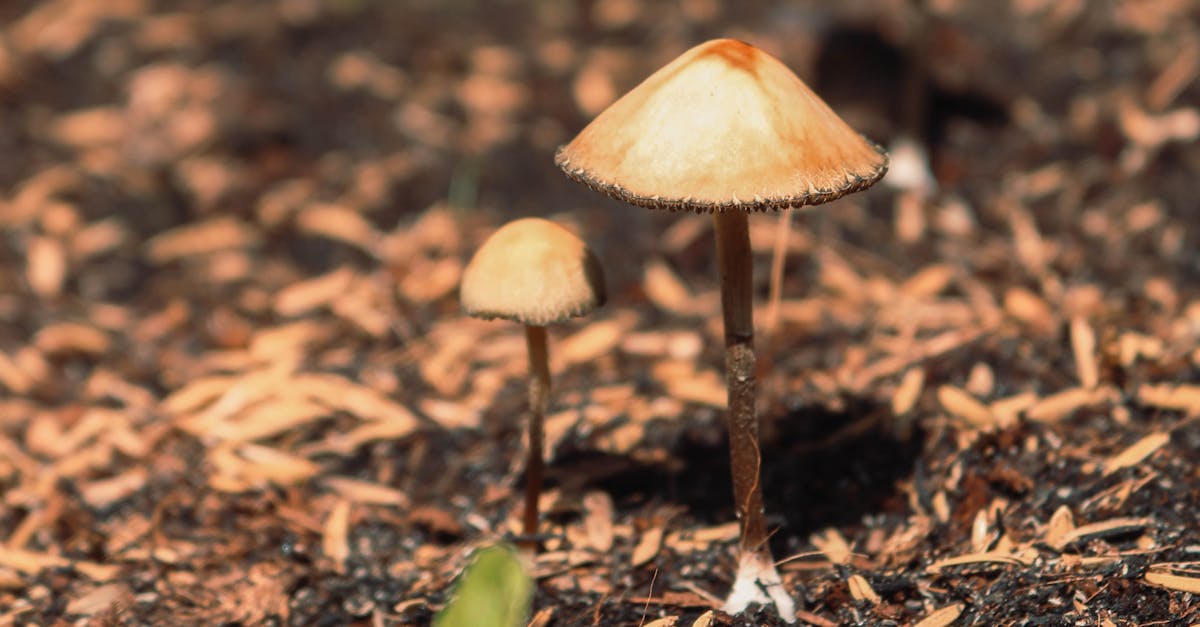
To embark on your balcony mushroom cultivation journey, you will need a few essential materials and equipment:
- Growing Mediums: The substrate on which your mushrooms will grow is crucial. Common options for balcony cultivation include straw, sawdust, and wood logs. Each substrate has its own advantages and requirements, so choose the one that best suits your mushroom variety and cultivation method.
- Containers: Your mushroom substrate needs a suitable container to grow in. Sterilized plastic bags with holes for ventilation are a common choice for small-scale balcony cultivation. You can also use specialized mushroom growing containers or even repurposed food containers.
- Sterilization Equipment: To prevent contamination and ensure the success of your cultivation, it is essential to sterilize your growing mediums and containers. This can be done using a pressure cooker, steam sterilization method, or a microwave oven.
- Humidity Control: Maintaining proper humidity levels is vital for mushroom growth and fruiting. A simple humidity tent or a humidifier can be used to create a humid environment on your balcony.
- Temperature Control: Most gourmet mushrooms prefer moderate temperatures for optimal growth. If your balcony experiences extreme temperatures, you may need to consider using a temperature-controlled grow tent or adjusting your cultivation schedule accordingly.
Growing Mediums
The choice of growing medium plays a vital role in the success of your mushroom cultivation. Here’s an overview of different substrates commonly used for growing mushrooms:
- Straw: Straw, particularly wheat or rye straw, is a popular and versatile growing medium for many mushroom varieties. It provides good aeration and drainage, and it can be easily sterilized. However, straw can be prone to contamination, so proper sterilization and handling are crucial.
- Sawdust: Sawdust, especially hardwood sawdust, is another common mushroom substrate. It has a high surface area, which allows for efficient colonization by the mushroom mycelium. Sawdust can be used alone or mixed with other substrates to improve its structure and water-holding capacity.
- Logs: Logs are a natural substrate for many mushroom varieties, particularly wood-decaying species like shiitake and oyster mushrooms. Using logs provides a more natural growing environment and can produce mushrooms with a higher nutritional value and better flavor. However, log cultivation requires more space and specialized knowledge, and it can take longer to yield mushrooms.
The choice of growing medium depends on the mushroom variety you are cultivating, your available space and resources, and your personal preferences. Experimenting with different substrates can help you determine what works best for your balcony cultivation setup.
Containers and Sterilization
To prevent contamination and ensure the success of your mushroom cultivation, it is essential to use sterile containers and growing mediums. Here’s why sterilization is important and how you can achieve it:
- Preventing Contamination: Mushroom cultivation involves working with living organisms in a controlled environment, which makes it susceptible to contamination from bacteria, mold, and other microorganisms. These contaminants can compete with your mushrooms for nutrients and space, leading to poor growth, reduced yields, and even the loss of your crop.
- Sterilization Methods: There are several methods for sterilizing containers and growing mediums, including:
- Pressure Cooking: Using a pressure cooker is the most effective way to sterilize substrates and containers. The high pressure and temperature inside the pressure cooker kill contaminants and ensure a sterile environment for your mushrooms.
- Steam Sterilization: Steam sterilization is another effective method, where growing mediums are exposed to high-pressure steam. This method requires specialized equipment, such as an autoclave or a steam generator.
- Microwave Sterilization: Microwave sterilization is a convenient option for small-scale cultivation. However, it is important to ensure that the containers and substrates are microwave-safe and that they are heated for a sufficient amount of time to eliminate contaminants.
Proper sterilization techniques are crucial for successful mushroom cultivation. By following these methods, you can minimize the risk of contamination and create a healthy environment for your mushrooms to thrive.
Humidity Control and Ventilation
Maintaining proper humidity and ventilation is essential for successful mushroom cultivation on your balcony. Here’s why these factors are important and how you can achieve optimal conditions:
- Humidity: Mushrooms require a humid environment to grow and fruit properly. High humidity levels help prevent the mushrooms from drying out and promote healthy growth. A relative humidity of around 80-90% is generally ideal for most mushroom varieties.
- Ventilation: Adequate ventilation is also crucial to prevent moisture buildup and the accumulation of stale air. Good air circulation helps remove excess moisture and provides fresh oxygen for your mushrooms to breathe. This reduces the risk of contamination and ensures proper gas exchange for healthy growth.
To maintain optimal humidity and ventilation on your balcony, you can use the following techniques:
- Humidity Control:
- Humidity Tent: A simple humidity tent can be created using a clear plastic bag or a humidity dome. Place your mushroom containers inside the tent and keep it closed to maintain high humidity levels.
- Humidifier: A small humidifier can be used to increase humidity in the surrounding air, especially in dry climates or during winter months.
- Ventilation:
- Air Circulation: Ensure good air circulation by placing your mushroom containers in a well-ventilated area on your balcony. Use a small fan to gently circulate the air without directly blowing it onto the mushrooms.
- Ventilation Holes: If using plastic bags or containers, make sure to poke small holes for ventilation. These holes allow for air exchange while still maintaining humidity levels.
By controlling humidity and ventilation, you can create a favorable environment for your balcony-grown mushrooms to thrive.
3. Step-by-Step Cultivation Guide
Growing gourmet mushrooms on your balcony is an exciting and rewarding experience. Here’s a step-by-step guide to help you get started:
- Spore Inoculation:
- Obtain mushroom spores from a reputable supplier.
- Sterilize your growing medium and containers.
- Inoculate the growing medium with the mushroom spores following the supplier’s instructions.
- Incubate the inoculated substrate in a dark, warm place until the mycelium (mushroom roots) has colonized the substrate.
- Fruiting:
- Once the mycelium has colonized the substrate, it’s time to induce fruiting.
- Expose the substrate to light and fresh air, while maintaining high humidity.
- Adjust the temperature and humidity levels according to the specific mushroom variety you are growing.
- Be patient and wait for the mushrooms to develop and mature.
- Harvesting:
- Harvest the mushrooms when they reach the desired size and maturity.
- Use a sharp knife or scissors to cut the mushrooms at the base.
- Handle the mushrooms gently to avoid bruising.
- Store the harvested mushrooms in a cool, humid place.
Spore Inoculation
Spore inoculation is the process of introducing mushroom spores into a sterilized growing medium to initiate the growth of mycelium, the vegetative part of the fungus. Here’s a detailed explanation of the process and how to maintain proper environmental conditions:
- Preparing the Growing Medium: Before inoculation, ensure that your growing medium (such as straw, sawdust, or logs) has been properly sterilized to eliminate any contaminants. This can be done using a pressure cooker, steam sterilization, or other recommended methods.
- Inoculating the Substrate: Once the growing medium is sterilized, it’s time to inoculate it with the mushroom spores. Use aseptic techniques to prevent contamination. Sprinkle the spores evenly over the surface of the substrate and gently mix them in.
- Incubation: After inoculation, place the substrate in a clean, dark, and warm environment. The ideal temperature for incubation varies depending on the mushroom species, but generally falls between 20-25°C (68-77°F). Maintain high humidity levels during incubation to promote spore germination and mycelial growth.
Monitoring the environmental conditions during incubation is crucial. Ensure that the temperature and humidity levels remain stable. Avoid exposing the substrate to direct sunlight or excessive heat, as this can inhibit mycelial growth and lead to contamination.
Incubation and Fruiting
Once the mushroom mycelium has colonized the growing medium during the incubation stage, it’s time to induce fruiting, which is the process of forming the visible mushroom bodies. Here’s an overview of the fruiting stage and the environmental factors that influence it:
- Initiating Fruiting: To trigger fruiting, expose the colonized substrate to light and fresh air. This simulates the natural conditions that mushrooms experience in their outdoor habitats. Different mushroom species have specific light requirements, so research the optimal conditions for your chosen variety.
- Temperature and Humidity: Temperature and humidity play crucial roles during fruiting. Maintain the temperature within the optimal range for your mushroom species, typically between 15-25°C (59-77°F). Humidity levels should be kept high, around 80-90%, to prevent the mushrooms from drying out.
- Gas Exchange: Fresh air exchange is essential for proper mushroom development. Ensure adequate ventilation to provide oxygen for the mushrooms to breathe and remove excess carbon dioxide. Avoid overcrowding your mushrooms, as this can restrict airflow and hinder growth.
Monitoring and adjusting the environmental conditions during the fruiting stage are crucial for successful mushroom cultivation. By providing the necessary light, temperature, humidity, and ventilation, you can promote optimal mushroom growth and development.
Harvesting and Storage
Harvesting and storing your homegrown gourmet mushrooms is a rewarding experience that allows you to enjoy the fruits of your labor. Here are some key considerations and techniques to ensure successful harvesting and storage:
- Harvesting Techniques: When your mushrooms reach maturity, it’s time to harvest them. Use a sharp knife or scissors to cut the mushrooms at the base, leaving a small portion of the stem attached to the substrate. Handle the mushrooms gently to avoid bruising or damaging them.
- Storage Methods: Freshly harvested mushrooms should be stored properly to maintain their quality and extend their shelf life. Store them in a cool, humid environment, such as a refrigerator or a cool pantry. Place the mushrooms in a paper bag or a container lined with a damp paper towel to help retain moisture.
- Shelf Life: The shelf life of gourmet mushrooms varies depending on the species and storage conditions. Generally, most mushrooms can be stored for 5-10 days in the refrigerator. Some varieties, like oyster mushrooms, have a shorter shelf life of around 3-5 days, while others, like shiitake mushrooms, can last for up to 10-12 days.
By following these harvesting and storage techniques, you can preserve the freshness and flavor of your homegrown gourmet mushrooms and enjoy them for a longer period of time.
4. Troubleshooting Common Problems
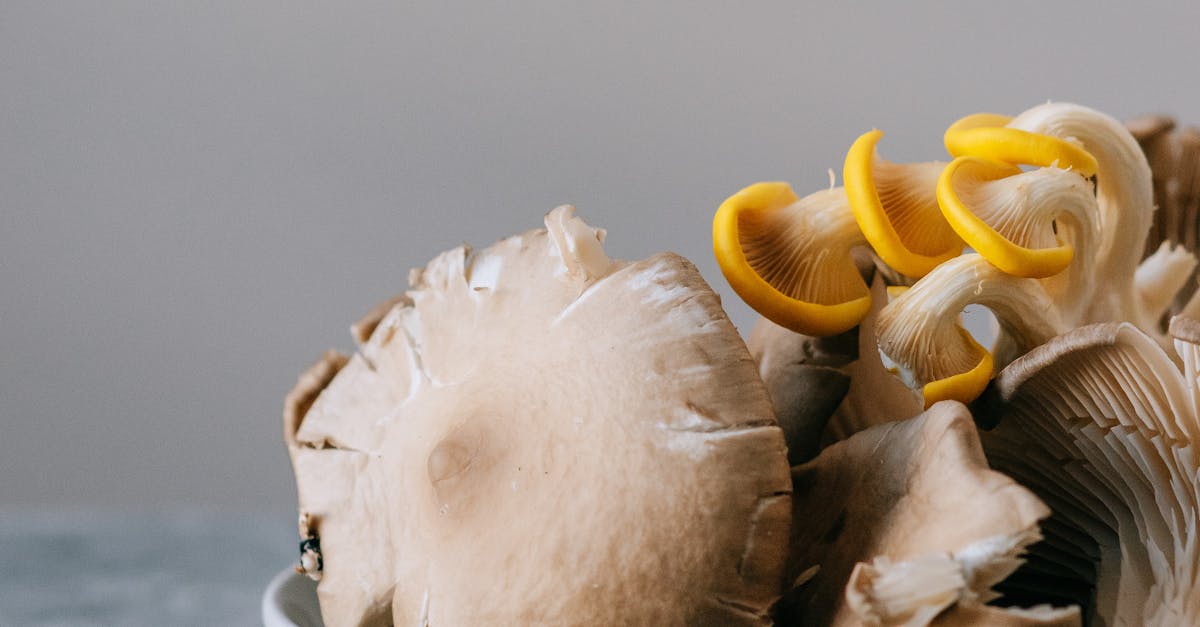
Cultivating mushrooms on your balcony can be a rewarding experience, but it’s not without its challenges. Here are some common problems you may encounter and their potential solutions:
- Contamination: Contamination is one of the most common problems in mushroom cultivation. It can be caused by bacteria, mold, or other microorganisms that compete with your mushrooms for nutrients and space. To prevent contamination, ensure that you sterilize your growing medium and containers properly before use. Maintain a clean and hygienic cultivation environment, and avoid overwatering your mushrooms.
- Fruiting Issues: If your mushrooms are not fruiting or are producing small or deformed fruits, it could be due to improper environmental conditions. Make sure that you are providing the correct temperature, humidity, and light levels for your specific mushroom variety. Ensure adequate ventilation to prevent moisture buildup and provide fresh air for your mushrooms.
- Pests and Diseases: Pests and diseases can also affect your mushroom cultivation. Common pests include fungus gnats and mites, while diseases can include bacterial blotch and mushroom viruses. To prevent pest and disease problems, practice good hygiene and keep your cultivation area clean. Use organic pest control methods, such as neem oil or insecticidal soap, to manage pests. If you notice any signs of disease, isolate the affected mushrooms and consult with a specialist for treatment options.
Contamination Prevention
Preventing contamination is crucial for successful mushroom cultivation. Here are some effective methods to minimize the risk of contamination:
- Sterilization Techniques: Sterilizing your growing medium and containers before use is essential to eliminate any potential contaminants. Pressure cooking is the most effective sterilization method, but you can also use steam sterilization or microwave sterilization for smaller-scale cultivation.
- Hygiene Practices: Maintaining a clean and hygienic cultivation environment is paramount. Wash your hands thoroughly before handling your mushrooms or their growing medium. Use clean tools and equipment, and avoid touching the mushrooms directly. Regularly clean and disinfect your cultivation area to prevent the buildup of contaminants.
- Pest Control: Pests can introduce contaminants into your mushroom cultivation setup. Implement organic pest control measures, such as using neem oil or insecticidal soap, to deter pests. Keep your cultivation area free of debris and excess moisture, which can attract pests. Regularly inspect your mushrooms and growing medium for signs of pests, and take prompt action to address any infestations.
Fruiting Issues
Addressing fruiting issues is crucial for successful mushroom cultivation. Here are some common problems and their potential solutions:
- Inadequate Humidity: Mushrooms require a humid environment to fruit properly. If the humidity levels are too low, the mushrooms may become dry and stunted. Increase the humidity by misting the mushrooms regularly, using a humidifier, or placing the mushroom containers in a humid environment, such as a closed terrarium or a grow tent with a humidity control system.
- Insufficient Ventilation: Good air circulation is essential for mushroom growth and fruiting. Insufficient ventilation can lead to stagnant air and moisture buildup, which can promote contamination and inhibit fruiting. Ensure adequate ventilation by providing fresh air exchange. Open windows or doors, or use a small fan to circulate the air gently without directly blowing it onto the mushrooms.
- Lighting Issues: Some mushroom varieties require specific light conditions for fruiting. If the lighting is inadequate or inappropriate, the mushrooms may not fruit or may produce deformed fruits. Research the optimal lighting requirements for your mushroom variety and provide the necessary light source. Adjust the light intensity, duration, and timing to promote healthy fruiting.
Pest and Disease Management
Managing pests and diseases is essential for successful mushroom cultivation. Here are some common threats and organic, eco-friendly strategies to address them:
- Fungus Gnats: Fungus gnats are small, flying insects that can infest mushroom substrates, feeding on the mycelium and damaging the mushrooms. To prevent and control fungus gnats, use mosquito dunks or bits, which contain Bacillus thuringiensis israelensis (Bti), a bacteria that specifically targets and kills fungus gnat larvae. You can also use yellow sticky traps to trap adult fungus gnats.
- Mites: Mites are tiny arachnids that can infest mushrooms, causing discoloration, spotting, and stunted growth. To manage mites, use predatory mites, such as Hypoaspis miles, which feed on mushroom mites. You can also use neem oil or insecticidal soap as a natural pesticide to control mite infestations.
- Bacterial Blotch: Bacterial blotch is a bacterial disease that can affect mushrooms, causing brown or black spots on the caps and stems. To prevent bacterial blotch, maintain good hygiene practices, avoid overwatering, and ensure proper ventilation. If bacterial blotch occurs, remove and discard the affected mushrooms to prevent the disease from spreading.
5. Additional Tips and Resources
To further enhance your balcony mushroom cultivation experience, consider these additional tips and resources:
- Growing Companion Plants: Companion planting can benefit your mushrooms by improving the microclimate and deterring pests. Consider growing plants like basil, thyme, or lavender near your mushroom containers. These plants can help regulate humidity, provide shade, and repel insects.
- Edible Landscaping: Integrate edible mushrooms into your balcony garden for both aesthetic and culinary purposes. Choose varieties that thrive in containers and have ornamental value, such as oyster mushrooms or lion’s mane. This approach not only provides fresh, homegrown mushrooms but also adds a unique touch to your outdoor space.
- Online Forums and Communities: Connect with other mushroom enthusiasts and experts by joining online forums and communities. These platforms offer valuable resources, such as troubleshooting advice, cultivation tips, and information on upcoming workshops or events. Forums like Mycotopia, Shroomery, and Reddit’s r/MushroomGrowing are great starting points.
Growing Companion Plants
Companion planting, a technique widely used in gardening, offers several benefits when applied to mushroom cultivation. By strategically pairing mushrooms with certain plants, you can enhance their growth, deter pests, and improve the overall health of your balcony ecosystem. Here are some suitable plant combinations to consider:
- Mushrooms and Basil: Basil is an aromatic herb that helps repel pests and improves the flavor of mushrooms. Planting basil near your mushroom containers can create a mutually beneficial relationship, enhancing the growth of both species.
- Mushrooms and Thyme: Thyme is another excellent companion plant for mushrooms. Its strong scent helps deter pests, while its roots release compounds that stimulate mushroom growth. Interplanting thyme with mushrooms can improve their yield and overall health.
- Mushrooms and Lavender: Lavender is known for its calming and antibacterial properties. Planting lavender near mushrooms can help reduce stress in the environment, which can benefit mushroom growth. Additionally, lavender attracts pollinators, which can aid in spore dispersal.
Edible Landscaping
Edible landscaping is a creative approach that combines gardening and landscaping to create visually appealing outdoor spaces while also providing a source of food. Integrating edible mushrooms into your balcony garden is a unique and rewarding way to enjoy the benefits of both worlds. Here’s how you can incorporate edible mushrooms into your edible landscape:
- Vertical Gardening: Utilize vertical space on your balcony by growing mushrooms in hanging baskets or on trellises. This space-saving technique allows you to cultivate a variety of mushrooms while adding a touch of greenery to your vertical garden. Choose species like oyster mushrooms or shiitake that are well-suited for vertical cultivation.
- Container Gardening: Container gardening is a versatile option for balconies, and it’s perfect for growing mushrooms. Select containers with adequate drainage holes and fill them with a suitable substrate. Arrange the containers in a way that allows for proper air circulation and easy access for harvesting.
- Raised Bed Gardening: If you have the space, raised bed gardening provides an excellent environment for growing mushrooms. Build raised beds using moisture-retentive materials like wood or straw bales. Layer the beds with a mix of substrate and organic matter to create an ideal growing environment for your mushrooms.
Recommended Online Forums and Communities
Connecting with other mushroom enthusiasts and experienced cultivators can greatly enhance your balcony mushroom growing journey. Here are some recommended online forums and communities where you can engage with like-minded individuals, exchange knowledge, and troubleshoot cultivation challenges:
- Mycotopia: Mycotopia is a comprehensive online forum dedicated to all aspects of mushroom cultivation. With a vast community of experienced growers, researchers, and hobbyists, Mycotopia offers a wealth of information, tutorials, and discussions on mushroom cultivation techniques, species identification, and troubleshooting.
- Shroomery: Shroomery is another popular online forum for mushroom enthusiasts. It features a diverse community of growers, from beginners to experts, who share their experiences, cultivation methods, and insights on various mushroom species. Shroomery also has a dedicated section for balcony mushroom cultivation, where you can connect with other balcony gardeners and learn from their successes and challenges.
- Reddit’s r/MushroomGrowing: Reddit’s r/MushroomGrowing subreddit is an active online community of mushroom growers from around the world. Members share their cultivation setups, troubleshoot problems, and discuss the latest advancements in mushroom cultivation. The subreddit is particularly helpful for beginners who are just starting their mushroom growing journey.
Quiz: Test Your Balcony Mushroom Cultivation Knowledge
1. Which of the following is NOT a common type of gourmet mushroom suitable for balcony cultivation?
(a) Oyster mushroom (b) Shiitake mushroom (c) Button mushroom (d) Lion’s mane mushroom
2. True or False: Maintaining proper humidity is essential for successful mushroom cultivation on a balcony.
3. What is the purpose of sterilizing growing mediums and containers before mushroom cultivation?
(a) To eliminate contaminants (b) To enhance nutrient absorption (c) To adjust the pH level (d) To increase air flow
4. Which of the following is a recommended method for preventing contamination during mushroom cultivation?
(a) Using sterilized tools and equipment (b) Maintaining a humid environment (c) Providing adequate ventilation (d) All of the above
5. What is the ideal temperature range for most mushroom species during the fruiting stage?
(a) 10-15°C (50-59°F) (b) 15-25°C (59-77°F) (c) 25-30°C (77-86°F) (d) 30-35°C (86-95°F)
Answer Key:
- (c)
- True
- (a)
- (d)
- (b)
Answer Key:
- (c) Button mushroom
- True
- (a) To eliminate contaminants
- (d) All of the above
- (b) 15-25°C (59-77°F)
Unlock the Greenery Potential of Your Balcony: A Guide to Thriving Plants in Compact Spaces Attention all balcony-dwelling plant enthusiasts! Read more
Transform Your Balcony into a Flourishing Garden Oasis: A Step-by-Step Guide Beginning a balcony garden can be a fulfilling endeavor, Read more
Unlocking the Potential of Vertical Gardening on Balconies Are you tired of your cramped balcony but still longing for a Read more
Aromatic Delights: Cultivating Herbs on Your Balcony Oasis Whether you're a seasoned gardener or just starting out, growing herbs on Read more