
From Bean to Brew: A Guide to Growing Coffee on Your Balcony

Coffee, a beloved beverage enjoyed worldwide, can now be cultivated in the confines of your balcony with the right knowledge and care. This comprehensive guide will equip you with the essential steps and tips to nurture a thriving coffee plant in your urban oasis. From selecting the most suitable variety to troubleshooting common challenges, you’ll discover all you need to embark on this rewarding journey of growing your very own coffee.
Embrace the joy of cultivating a touch of nature amidst the city’s hustle and bustle. Your balcony garden will transform into a sanctuary, where the aroma of freshly brewed coffee fills the air, reminding you of the simple pleasures life has to offer. As you tend to your coffee plant, you’ll witness its transformation from a tiny seedling to a vibrant, fruit-bearing plant. The satisfaction of harvesting and savoring the fruits of your labor will make each sip of coffee even more delightful.
Whether you’re a seasoned green thumb or a novice gardener, this guide will empower you to create a thriving coffee haven on your balcony. With a little patience and dedication, you’ll soon be enjoying the rich, full-flavored coffee beans grown with love in your urban sanctuary.
1. Choosing the Right Coffee Plant for Your Balcony
Choosing the Right Coffee Plant for Your Balcony
Selecting the right coffee plant for your balcony garden is crucial for ensuring its success and longevity. Different coffee plant species and varieties have varying requirements in terms of sunlight, temperature, and space, so it’s important to choose one that is well-suited to your specific balcony conditions.
When selecting a coffee plant for your balcony, consider the following factors:
-
Sunlight: Coffee plants generally require bright, indirect sunlight. If your balcony receives limited sunlight, you may want to choose a shade-tolerant variety such as Coffea arabica ‘Nana’.
-
Temperature: Coffee plants thrive in warm temperatures between 60-80°F (16-27°C). If your balcony experiences extreme temperatures, you may need to provide additional protection for your plant, such as moving it indoors during cold snaps or providing shade during hot afternoons.
-
Space: Coffee plants can grow to be quite large, so it’s important to choose a variety that is appropriate for the size of your balcony. Dwarf varieties, such as Coffea arabica ‘Compacta’, are a good option for smaller balconies.
Types of Coffee Plants
There are many different types of coffee plants available for balcony cultivation, each with its own unique characteristics and requirements. Some of the most popular and well-suited varieties for balcony gardens include:
-
Coffea arabica: This is the most common type of coffee plant, and it is known for producing high-quality, flavorful beans. Arabica plants are relatively easy to care for, and they can tolerate a wide range of growing conditions. However, they do require bright, indirect sunlight and regular watering.
-
Coffea robusta: Robusta plants are more tolerant of heat and drought than arabica plants, making them a good choice for balconies that receive a lot of sun. Robusta beans have a stronger, more bitter flavor than arabica beans, and they are often used in espresso blends.
-
Coffea liberica: Liberica plants are native to Liberia, and they are known for their large, oblong beans. Liberica beans have a unique flavor that is often described as smoky or chocolatey. Liberica plants are relatively easy to care for, but they do require more space than arabica or robusta plants.
Balcony Environment Considerations
Balcony Environment Considerations
Before selecting a coffee plant for your balcony, it is important to assess the environmental conditions to ensure that they are suitable for growing coffee. The following factors should be considered:
-
Sunlight: Coffee plants require bright, indirect sunlight to thrive. If your balcony receives limited sunlight, you may need to choose a shade-tolerant variety of coffee plant, such as Coffea arabica ‘Nana’.
-
Temperature: Coffee plants grow best in warm temperatures between 60-80°F (16-27°C). If your balcony experiences extreme temperatures, you may need to provide additional protection for your plant, such as moving it indoors during cold snaps or providing shade during hot afternoons.
-
Space: Coffee plants can grow to be quite large, so it is important to choose a variety that is appropriate for the size of your balcony. Dwarf varieties, such as Coffea arabica ‘Compacta’, are a good option for smaller balconies.
2. Creating an Ideal Balcony Garden Environment
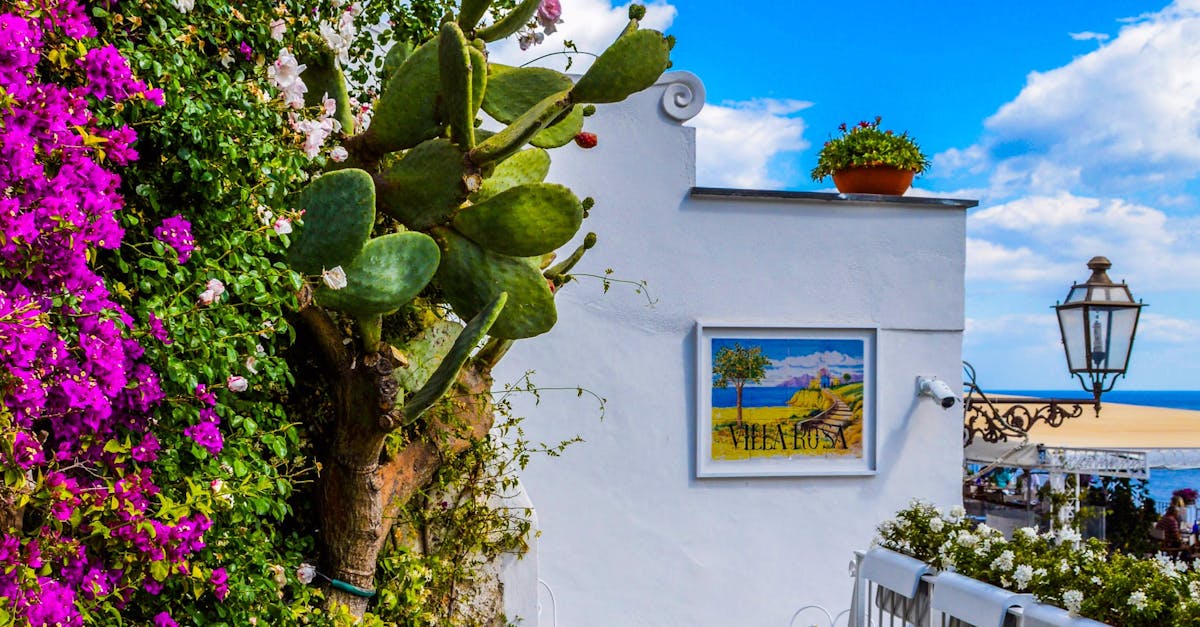
Creating an Ideal Balcony Garden Environment
To optimize your balcony for successful coffee plant growth, consider the following tips:
-
Sunlight: Coffee plants require bright, indirect sunlight to thrive. If your balcony receives limited sunlight, you may need to provide supplemental lighting, such as grow lights.
-
Temperature: Coffee plants grow best in warm temperatures between 60-80°F (16-27°C). If your balcony experiences extreme temperatures, you may need to provide additional protection for your plant, such as moving it indoors during cold snaps or providing shade during hot afternoons.
-
Humidity: Coffee plants prefer humid environments. If your balcony is dry, you can increase the humidity by misting your plant regularly or placing it on a tray filled with pebbles and water.
Sunlight Requirements
Sunlight Requirements
Coffee plants require bright, indirect sunlight to thrive. This means that they should be placed in a location that receives plenty of natural light, but not direct sunlight. Direct sunlight can scorch the leaves of coffee plants and damage the plant. If your balcony does not receive enough natural light, you may need to provide supplemental lighting, such as grow lights.
When choosing a location for your coffee plant, keep in mind that the amount of sunlight that your plant receives will vary depending on the time of day and the season. In the summer, the sun is higher in the sky and provides more direct sunlight. In the winter, the sun is lower in the sky and provides less direct sunlight. If you live in a climate with cold winters, you may need to move your coffee plant indoors to a sunny window during the winter months.
Here are some tips for providing adequate sunlight for your coffee plant:
- Place your coffee plant in a location that receives bright, indirect sunlight for at least 6 hours per day.
- If your balcony does not receive enough natural light, you can supplement with grow lights.
- Be sure to rotate your coffee plant regularly to ensure that all sides of the plant receive sunlight.
Temperature and Humidity Control
Temperature and Humidity Control
Coffee plants grow best in warm temperatures between 60-80°F (16-27°C). If your balcony experiences extreme temperatures, you may need to provide additional protection for your plant, such as moving it indoors during cold snaps or providing shade during hot afternoons.
Coffee plants also prefer humid environments. If your balcony is dry, you can increase the humidity by misting your plant regularly or placing it on a tray filled with pebbles and water. You can also use a humidifier to increase the humidity around your plant.
Here are some tips for maintaining the optimal temperature and humidity range for coffee plant growth on a balcony:
- Place your coffee plant in a location that receives bright, indirect sunlight and is protected from extreme temperatures.
- If your balcony experiences extreme temperatures, you may need to move your coffee plant indoors or provide additional protection, such as a shade cloth or a cold frame.
- Increase the humidity around your coffee plant by misting it regularly or placing it on a tray filled with pebbles and water.
Balcony Soil Preparation
Balcony Soil Preparation
Coffee plants require a nutrient-rich, well-draining soil mix. You can create your own soil mix by combining the following ingredients:
- 1 part potting mix
- 1 part compost
- 1 part perlite
- 1 part vermiculite
Be sure to mix the ingredients thoroughly before planting your coffee plant. You can also purchase a commercial potting mix that is specifically designed for coffee plants.
Once you have prepared your soil mix, you need to choose a container for your coffee plant. The container should be at least 12 inches in diameter and have drainage holes in the bottom. You can use a plastic, ceramic, or terracotta container.
When planting your coffee plant, be sure to plant it at the same depth that it was growing in its previous container. Water the plant deeply after planting and then place it in a location that receives bright, indirect sunlight.
3. Planting and Caring for Your Coffee Plant
Planting and Caring for Your Coffee Plant**
Planting:
-
Choose a container that is at least 12 inches in diameter and has drainage holes in the bottom.
-
Fill the container with a well-draining potting mix.
-
Dig a hole in the potting mix that is deep enough to accommodate the root ball of your coffee plant.
-
Carefully remove the coffee plant from its previous container and place it in the hole.
-
Backfill the hole with potting mix and tamp down gently to remove any air pockets.
-
Water the plant deeply after planting.
Care:
-
Water your coffee plant regularly, but allow the soil to dry out slightly between waterings.
-
Fertilize your coffee plant monthly with a balanced fertilizer.
-
Prune your coffee plant regularly to encourage new growth and maintain a desired shape.
-
Protect your coffee plant from extreme temperatures and pests.
-
With proper care, your coffee plant will thrive and produce delicious coffee beans for many years to come.
Planting Techniques
Planting Techniques
Selecting a Container
-
Choose a container that is at least 12 inches in diameter and has drainage holes in the bottom.
-
The material of the container is not as important as the size and drainage, but plastic containers are lightweight and inexpensive, while ceramic and terracotta containers are more durable and can help to insulate the roots of the plant.
Preparing the Soil
-
Coffee plants require a well-draining potting mix. You can create your own soil mix by combining the following ingredients:
- 1 part potting mix
- 1 part compost
- 1 part perlite
- 1 part vermiculite
-
Be sure to mix the ingredients thoroughly before planting your coffee plant.
Planting the Coffee Plant
-
Carefully remove the coffee plant from its previous container and gently loosen any tangled roots.
-
Dig a hole in the potting mix that is deep enough to accommodate the root ball of the plant.
-
Place the coffee plant in the hole and backfill with potting mix, tamping down gently to remove any air pockets.
-
Water the plant deeply after planting.
Watering and Fertilizing
Watering and Fertilizing
Watering
-
Water your coffee plant regularly, but allow the soil to dry out slightly between waterings. Avoid overwatering, as this can lead to root rot.
-
The frequency of watering will vary depending on the climate and the size of the plant. As a general rule, you should water your coffee plant about once a week during the summer and less frequently during the winter.
-
You can check the soil moisture by inserting your finger into the potting mix. If the soil feels dry to the touch, it is time to water the plant.
Fertilizing
-
Fertilize your coffee plant monthly with a balanced fertilizer. You can use a commercial fertilizer that is specifically designed for coffee plants, or you can use a general-purpose fertilizer.
-
Be sure to follow the instructions on the fertilizer package carefully. Over-fertilizing can damage your coffee plant.
-
Coffee plants also benefit from occasional applications of organic matter, such as compost or manure.
Pruning and Pest Control
Pruning and Pest Control
Pruning
-
Pruning helps to encourage healthy growth and shape your coffee plant. It also helps to remove dead or diseased branches.
-
You can prune your coffee plant at any time of year, but it is best to do so during the dormant season (winter).
-
When pruning, use sharp, clean shears to make clean cuts. Avoid pruning too much at once, as this can shock the plant.
Pest Control
-
Coffee plants are susceptible to a number of pests and diseases, including aphids, mealybugs, scale, and whiteflies. These pests can damage the leaves and fruit of the plant, and can even kill the plant if left untreated.
-
There are a number of ways to control pests and diseases on coffee plants. You can use insecticidal soap or neem oil to kill pests, and you can use a fungicide to control diseases.
-
It is important to monitor your coffee plant regularly for signs of pests and diseases. If you notice any problems, treat them immediately to prevent them from spreading.
4. Harvesting and Processing Coffee Beans
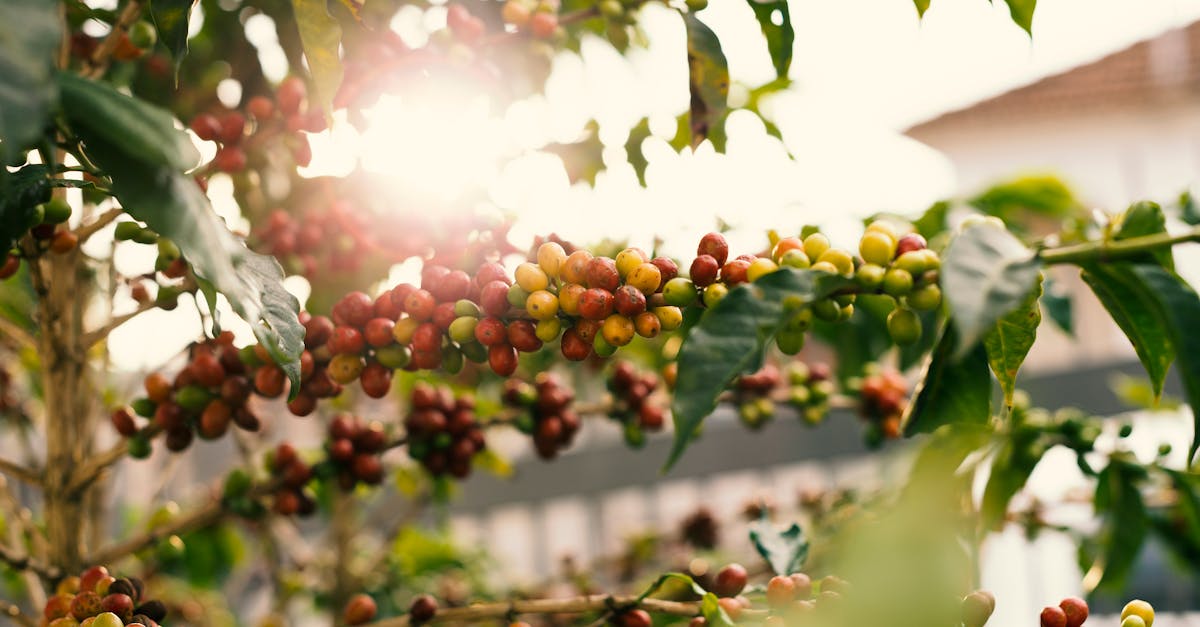
Harvesting and Processing Coffee Beans
Harvesting
-
Coffee beans are ready to harvest when they are ripe. Ripe coffee beans are typically red or purple in color. You can also check the beans for ripeness by gently squeezing them. Ripe beans will be slightly soft to the touch.
-
To harvest coffee beans, simply pick them off the tree by hand. Be careful not to damage the branches of the tree.
Processing
-
After harvesting, the coffee beans need to be processed to remove the pulp and seeds. There are two main methods of processing coffee beans: the wet method and the dry method.
-
The wet method is the most common method of processing coffee beans. In this method, the coffee beans are pulped to remove the skin and pulp. The beans are then fermented for a period of time, which helps to develop their flavor.
-
The dry method is a less common method of processing coffee beans. In this method, the coffee beans are simply dried in the sun. The dry method produces a more earthy flavor than the wet method.
Storing
- Once the coffee beans have been processed, they need to be stored in a cool, dry place. Coffee beans can be stored in an airtight container for up to two years.
Determining Ripeness
Determining Ripeness
-
Color: The color of the coffee cherries is one of the most obvious indicators of ripeness. Ripe coffee cherries are typically red or purple in color. However, some varieties of coffee beans may be yellow or orange when ripe.
-
Size and shape: Ripe coffee cherries are also typically larger and rounder than unripe cherries. Unripe cherries may be green or yellow in color and may be more elongated in shape.
-
Feel: Ripe coffee cherries should be slightly soft to the touch. Unripe cherries will be hard and firm.
-
Taste: If you are unsure whether or not a coffee cherry is ripe, you can try tasting it. Ripe coffee cherries will have a sweet and slightly acidic taste. Unripe cherries will be more tart and bitter.
Harvesting Techniques
Harvesting Techniques
Handpicking
-
Handpicking is the most common method of harvesting coffee beans. In this method, workers carefully pick the ripe coffee cherries from the tree by hand.
-
Handpicking is a labor-intensive process, but it allows for the most selective harvesting. This method is often used for high-quality coffee beans.
Mechanical harvesting
-
Mechanical harvesting is a faster and less expensive method of harvesting coffee beans. In this method, a machine is used to shake the tree and collect the ripe coffee cherries.
-
Mechanical harvesting is less selective than handpicking, and it can damage the tree and the coffee cherries. This method is often used for lower-quality coffee beans.
Processing and Storing
Processing and Storing
Drying
-
After harvesting, the coffee cherries need to be dried to remove the moisture content. This can be done by spreading the cherries out in the sun or using a mechanical dryer.
-
Drying the coffee cherries helps to preserve their flavor and aroma.
Roasting
-
Roasting is the process of heating the coffee beans to develop their flavor and aroma. The roasting process can be varied to produce different flavors and intensities of coffee.
-
Coffee beans can be roasted in a variety of ways, including using a home roaster, a commercial roaster, or even a pan on the stovetop.
Storing
- Roasted coffee beans should be stored in a cool, dry place. Coffee beans can be stored in an airtight container for up to two years.
5. Troubleshooting Common Problems
Troubleshooting Common Problems
Nutrient Deficiencies
-
Nutrient deficiencies can occur when the coffee plant does not receive enough of the nutrients it needs to grow and produce fruit. Symptoms of nutrient deficiencies can include yellowing leaves, stunted growth, and poor fruit production.
-
To correct nutrient deficiencies, fertilize the coffee plant with a balanced fertilizer. You can also add organic matter, such as compost or manure, to the soil.
Pests and Diseases
-
Coffee plants are susceptible to a number of pests and diseases, including aphids, mealybugs, scale, and whiteflies. Pests and diseases can damage the leaves and fruit of the plant, and can even kill the plant if left untreated.
-
To control pests and diseases, use insecticidal soap or neem oil to kill pests, and use a fungicide to control diseases.
Environmental Stress
-
Coffee plants are sensitive to environmental stress, such as extreme temperatures, drought, and flooding. Environmental stress can cause the coffee plant to drop its leaves, produce less fruit, or even die.
-
To protect the coffee plant from environmental stress, provide it with adequate sunlight, water, and humidity.
Nutrient Deficiencies
Nutrient Deficiencies
-
Nitrogen deficiency: Nitrogen is essential for plant growth and development. Symptoms of nitrogen deficiency include yellowing leaves, stunted growth, and poor fruit production.
-
Phosphorus deficiency: Phosphorus is essential for root growth and development. Symptoms of phosphorus deficiency include purple or reddish leaves, stunted growth, and poor fruit production.
-
Potassium deficiency: Potassium is essential for water uptake and transport. Symptoms of potassium deficiency include yellowing leaves, brown leaf edges, and poor fruit production.
-
Magnesium deficiency: Magnesium is essential for chlorophyll production. Symptoms of magnesium deficiency include yellowing leaves with green veins, stunted growth, and poor fruit production.
-
Calcium deficiency: Calcium is essential for cell wall development. Symptoms of calcium deficiency include stunted growth, weak stems, and poor fruit production.
-
Iron deficiency: Iron is essential for chlorophyll production. Symptoms of iron deficiency include yellowing leaves with green veins, stunted growth, and poor fruit production.
-
Zinc deficiency: Zinc is essential for enzyme production. Symptoms of zinc deficiency include yellowing leaves, stunted growth, and poor fruit production.
-
Copper deficiency: Copper is essential for enzyme production. Symptoms of copper deficiency include yellowing leaves, stunted growth, and poor fruit production.
-
Manganese deficiency: Manganese is essential for enzyme production. Symptoms of manganese deficiency include yellowing leaves with green veins, stunted growth, and poor fruit production.
Pests and Diseases
Pests and Diseases
Pests
-
Aphids: Aphids are small, soft-bodied insects that feed on the sap of plants. They can cause leaves to yellow and wilt, and can also transmit diseases.
-
Mealybugs: Mealybugs are small, white insects that feed on the sap of plants. They can cause leaves to yellow and wilt, and can also produce a sticky substance that attracts ants.
-
Scale: Scale are small, armored insects that feed on the sap of plants. They can cause leaves to yellow and wilt, and can also stunt the growth of the plant.
-
Whiteflies: Whiteflies are small, white insects that feed on the sap of plants. They can cause leaves to yellow and wilt, and can also transmit diseases.
Diseases
-
Coffee leaf rust: Coffee leaf rust is a fungal disease that can cause leaves to turn yellow and fall off. It can be spread by wind and rain, and can be difficult to control.
-
Coffee berry disease: Coffee berry disease is a fungal disease that can cause berries to turn black and fall off. It can be spread by insects and birds, and can be difficult to control.
-
Root rot: Root rot is a fungal disease that can cause the roots of the plant to rot. It can be caused by overwatering or poor drainage, and can be difficult to control.
Environmental Stress
Environmental Stress
-
Extreme temperatures: Coffee plants are sensitive to extreme temperatures. They prefer to grow in warm temperatures between 60-80°F (16-27°C). If the temperature drops below 50°F (10°C) or rises above 90°F (32°C), the plant may go into shock and drop its leaves.
-
Drought: Coffee plants need regular watering, but they do not like to sit in wet soil. If the soil is too dry, the plant will wilt and the leaves will turn brown. If the soil is too wet, the roots can rot.
-
Flooding: Coffee plants do not tolerate flooding. If the soil is flooded for an extended period of time, the roots will rot and the plant will die.
-
Wind: Strong winds can damage the leaves and branches of coffee plants. If the plant is exposed to strong winds, it may need to be staked or protected with a windbreak.
-
Sunlight: Coffee plants need bright, indirect sunlight to grow and produce fruit. If the plant is not getting enough sunlight, the leaves will turn yellow and the plant will produce less fruit.
-
Humidity: Coffee plants prefer humid environments. If the air is too dry, the leaves will turn brown and the plant will produce less fruit.
Quiz
- What is the ideal temperature range for growing coffee plants on a balcony?
(a) 50-60°F (10-16°C) (b) 60-80°F (16-27°C) (c) 80-90°F (27-32°C)
- Which of the following is NOT a common pest that can affect coffee plants grown on a balcony?
(a) Aphids (b) Mealybugs (c) Scale (d) Spider mites
- What is the best way to prevent root rot in coffee plants grown on a balcony?
(a) Water the plant regularly, but allow the soil to dry out slightly between waterings. (b) Water the plant deeply and infrequently. (c) Fertilize the plant monthly with a balanced fertilizer. (d) Mist the plant regularly to increase humidity.
- What is the most common method of processing coffee beans?
(a) Wet method (b) Dry method (c) Natural method (d) Honey method
- What is the best way to store roasted coffee beans?
(a) In an airtight container in a cool, dry place (b) In a plastic bag in the refrigerator (c) In a glass jar on the counter (d) In a metal container in the freezer
Answer Key
- (b) 60-80°F (16-27°C)
- (d) Spider mites
- (a) Water the plant regularly, but allow the soil to dry out slightly between waterings.
- (a) Wet method
- (a) In an airtight container in a cool, dry place
Unlock the Greenery Potential of Your Balcony: A Guide to Thriving Plants in Compact Spaces Attention all balcony-dwelling plant enthusiasts! Read more
Transform Your Balcony into a Flourishing Garden Oasis: A Step-by-Step Guide Beginning a balcony garden can be a fulfilling endeavor, Read more
Unlocking the Potential of Vertical Gardening on Balconies Are you tired of your cramped balcony but still longing for a Read more
Aromatic Delights: Cultivating Herbs on Your Balcony Oasis Whether you're a seasoned gardener or just starting out, growing herbs on Read more