
## Transform Your Balcony into a Desert Oasis: A Comprehensive Guide
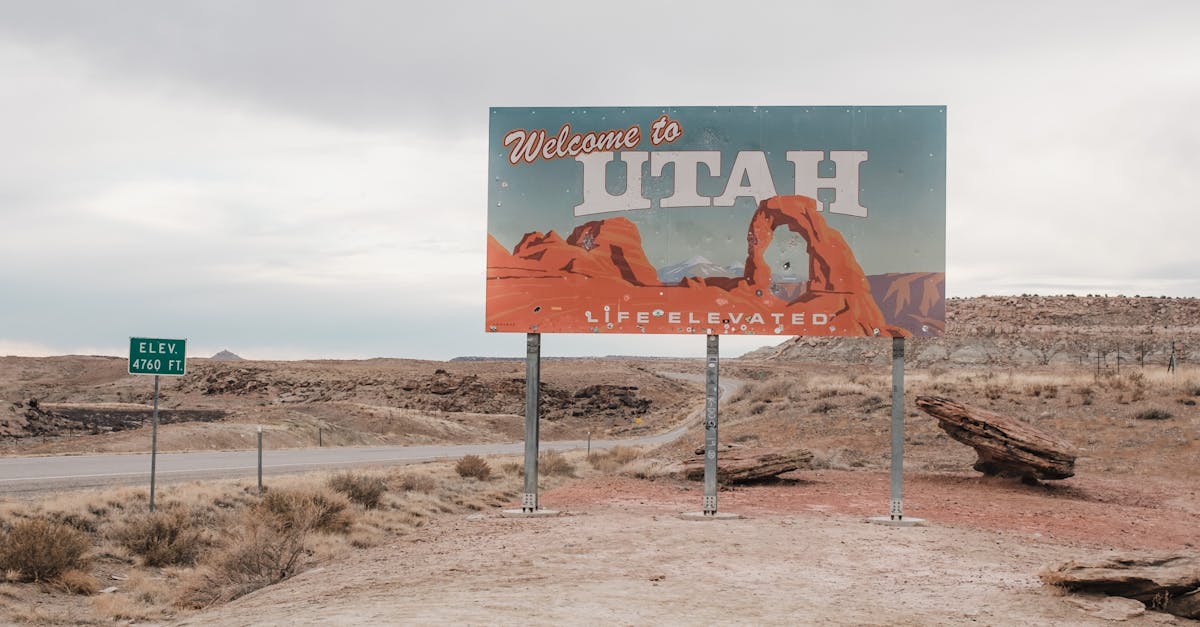
Dive into the Thrilling World of Balcony Desert Gardens
Ever imagined bringing the captivating allure of a desert landscape to your very own balcony? With a bit of planning and care, you can achieve this magical transformation, creating a serene sanctuary that reflects the beauty and resilience of the desert ecosystem. This comprehensive guide will walk you through the essential steps of crafting a magnificent balcony desert garden, taking you on a journey through plant selection, water management, soil optimization, and essential care practices. Prepare to be inspired as we delve into the secrets of growing a thriving desert oasis on your balcony.
In this guide, we’ll unveil the secrets to selecting the perfect desert-adapted plants, exploring various types of cacti, succulents, desert shrubs, groundcovers, and perennials that will flourish in your balcony environment. We’ll delve into the art of water management, emphasizing the importance of infrequent deep watering, the benefits of mulching for moisture retention, and creative water conservation techniques. Understanding the ideal soil conditions for desert plants is paramount, and we’ll guide you through choosing the right soil mix, incorporating organic matter, and ensuring proper drainage.
Beyond the basics, we’ll provide invaluable care tips for your desert garden, including sunlight exposure preferences, fertilization strategies, organic pest control methods, and overwintering techniques. Last but not least, we’ll ignite your imagination with design ideas and plant combinations, inspiring you to create a visually stunning desert paradise on your balcony. Whether you’re a seasoned gardener or a budding enthusiast, this guide will equip you with the knowledge and inspiration to bring the charm of the desert to your urban oasis.
1. Choosing the Right Plants
Choosing the Right Plants: Selecting Plants for Your Balcony Desert Garden
The foundation of a thriving balcony desert garden lies in selecting the appropriate plants that can adapt to the unique conditions of your outdoor space. Native to arid regions, desert plants have evolved remarkable drought tolerance and resilience, making them ideal candidates for balcony gardens.
When choosing plants for your desert garden, consider their water requirements, sunlight preferences, and compatibility with balcony environments. Cacti and succulents are iconic desert plants known for their ability to store water in their fleshy stems and leaves, making them low-maintenance options for infrequent watering. Desert shrubs, such as desert willow and creosote bush, add height and structure to your garden, providing a natural desert aesthetic while withstanding dry conditions. Groundcovers and perennials, like ice plant and sedums, create a lush carpet that helps retain moisture and suppress weeds, enhancing the overall visual appeal of your garden.
To ensure the success of your balcony desert garden, research the specific needs of each plant you select. Determine their preferred sunlight exposure, water requirements, and mature size to ensure they will thrive in your available space. By carefully selecting plants that complement each other and are well-suited to your balcony environment, you can create a vibrant and sustainable desert oasis.
Cacti and Succulents
Cacti and Succulents: The Jewels of Your Balcony Desert Garden
Cacti and succulents are the epitome of desert flora, renowned for their ability to thrive in arid environments with minimal water. Their unique ability to store water in their fleshy stems and leaves makes them ideal for balcony gardens, where watering frequency may be limited.
When selecting cacti and succulents for your balcony garden, consider their diverse shapes, sizes, and colors. From the towering saguaro cactus to the diminutive living stones, there’s a cactus or succulent to suit every taste and space. Group them together in eye-catching arrangements, creating a miniature desert landscape on your balcony.
Caring for cacti and succulents is relatively easy. Water them deeply but infrequently, allowing the soil to dry out completely between waterings. Provide them with plenty of sunlight, as they thrive in bright, well-lit environments. Cacti and succulents are generally low-maintenance plants, but regular monitoring for pests and diseases is always advisable. With proper care, these fascinating plants will reward you with their unique beauty and resilience, adding a touch of the desert to your urban oasis.
Desert Shrubs
Desert Shrubs: Adding Height and Structure to Your Balcony Desert Garden
Desert shrubs bring a touch of rugged beauty and natural structure to balcony desert gardens. These woody plants, such as desert willow and creosote bush, are adapted to arid environments and can withstand dry conditions, making them ideal for balconies with limited watering frequency.
When selecting desert shrubs for your balcony garden, consider their mature size and growth habit. Some desert shrubs, like the ocotillo, can grow quite large, while others, like the pygmy date palm, remain relatively compact. Choose shrubs that will complement the size and scale of your balcony.
Desert shrubs add visual interest and diversity to your garden. Their often intricate branching patterns and unique foliage create a captivating desert aesthetic. Additionally, many desert shrubs produce colorful flowers that attract pollinators, adding a touch of vibrancy to your balcony. With proper care, these resilient plants will thrive in your balcony desert garden, providing year-round structure and beauty.
Groundcovers and Perennials
Groundcovers and Perennials: Enhancing Your Balcony Desert Garden with Lushness and Color
Groundcovers and perennials play a vital role in creating a visually appealing and sustainable balcony desert garden. These low-growing plants form a dense carpet that helps retain moisture in the soil, suppress weeds, and enhance the overall aesthetic of your garden.
When selecting groundcovers and perennials for your balcony desert garden, consider their growth habits and water requirements. Some popular groundcovers, such as ice plant and sedums, are known for their drought tolerance and ability to spread quickly, creating a lush green carpet. Perennials, like desert marigold and yarrow, offer a variety of colors and textures, adding vibrant blooms to your garden.
Groundcovers and perennials provide numerous benefits to your balcony desert garden. Their dense growth helps regulate soil temperature, reducing moisture loss through evaporation. They also create a microclimate that attracts beneficial insects and pollinators, enhancing the biodiversity of your garden. With proper care and maintenance, these versatile plants will thrive in your balcony desert garden, providing a lush and colorful foundation for your desert oasis.
2. Water Management Techniques

Water Management Techniques: Ensuring the Hydration of Your Balcony Desert Garden
Understanding the unique watering needs of desert plants is crucial for their survival and growth in balcony gardens. This section delves into the importance of infrequent deep watering, the role of mulching in moisture retention, and tips for conserving water during hot summer months, ensuring that your desert oasis thrives even in arid conditions.
Infrequent deep watering encourages strong root growth and prevents root rot, promoting the overall health and resilience of your plants. Allow the soil to dry out completely between waterings, then water deeply to saturate the root zone. This technique mimics the natural rainfall patterns in desert environments.
Mulching around your plants with organic materials like compost or bark helps retain soil moisture, regulates soil temperature, and suppresses weed growth. A layer of mulch acts like a protective blanket, reducing water evaporation and creating a more favorable microclimate for your desert plants.
During hot summer months, water conservation becomes even more critical. Consider using rainwater harvesting techniques, such as placing containers under downspouts to collect rainwater for watering. Employing drip irrigation systems can deliver water directly to the roots of plants, minimizing water loss through evaporation. Additionally, selecting drought-tolerant plants that are adapted to arid conditions is a smart strategy for water conservation.
Infrequent Deep Watering
Infrequent Deep Watering: Mimicking Nature’s Rhythms for Healthy Desert Plants
Desert plants have evolved remarkable adaptations to survive in arid environments, including the ability to thrive with infrequent but deep watering. This watering technique encourages strong root growth, allowing plants to access moisture deep within the soil profile. It also helps prevent root rot, a common problem in overwatered plants.
The ideal watering frequency for different types of desert plants varies depending on their specific needs and the climate in which they are grown. As a general rule, cacti and succulents require less frequent watering than other desert plants, while groundcovers and perennials may need more regular watering, especially during hot summer months.
To determine the appropriate watering frequency for your desert plants, observe their appearance and soil moisture levels. Allow the soil to dry out completely between waterings, then water deeply until the water reaches the bottom of the root zone. Avoid shallow watering, as this encourages roots to grow near the soil surface, making plants more susceptible to drought stress.
Mulching for Moisture Retention
Mulching for Moisture Retention: Creating a Protective Blanket for Your Balcony Desert Garden
Mulching is a highly effective technique for conserving moisture in the soil, regulating soil temperature, and suppressing weed growth. By applying a layer of organic material, such as compost, bark, or shredded leaves, around your desert plants, you can create a favorable environment that supports their growth and health.
Mulch acts as a protective blanket, reducing water evaporation from the soil surface. This is especially beneficial in hot, dry climates where moisture loss can be a major challenge. Mulch also helps to regulate soil temperature, keeping it cooler in the summer and warmer in the winter, which can be crucial for the survival of desert plants.
In addition to moisture retention and temperature regulation, mulch also helps to suppress weed growth. Weeds compete with your desert plants for water and nutrients, so reducing their presence can give your plants a competitive advantage. Mulch also helps to block light from reaching weed seeds, preventing them from germinating.
Water Conservation Measures
Water Conservation Measures: Wise Water Management for Your Balcony Desert Garden
During periods of drought or extreme heat, implementing water conservation measures is essential for the survival of your balcony desert garden. Here are some effective techniques to minimize water usage while keeping your plants healthy and thriving:
Rainwater Harvesting: Collect rainwater from downspouts and store it in rain barrels or other containers. This water can then be used to water your plants, reducing your reliance on tap water.
Drip Irrigation: Drip irrigation systems deliver water directly to the roots of plants, minimizing water loss through evaporation. This method is highly efficient and can save significant amounts of water compared to traditional watering methods.
Drought-Tolerant Plant Selection: Choosing drought-tolerant plants that are adapted to arid conditions is a smart way to conserve water. These plants have evolved to survive with minimal water, reducing the need for frequent watering.
3. Creating the Ideal Soil Conditions
Creating the Ideal Soil Conditions: A Foundation for Thriving Desert Plants
The type of soil you use for your balcony desert garden plays a crucial role in the health and growth of your plants. Desert plants have evolved to thrive in well-draining soil that mimics their natural habitat. Here are some key considerations for creating the ideal soil conditions:
Sandy or Gritty Soil Mixes: Desert plants prefer soil that is sandy or gritty, with good drainage. This type of soil allows water to pass through quickly, preventing the roots from becoming waterlogged. You can create your own soil mix by combining sand, perlite, and a small amount of organic matter.
Amending with Organic Matter: While desert plants don’t require a lot of organic matter in their soil, adding a small amount can help to improve fertility and water retention. Compost or well-rotted manure are good options for amending the soil.
Ensuring Proper Drainage: Proper drainage is essential to prevent root rot and other problems. Make sure your containers have drainage holes, and consider using a raised bed system to improve drainage even further.
Choosing the Right Soil Mix
Choosing the Right Soil Mix: The Foundation for a Thriving Balcony Desert Garden
The soil mix you choose for your balcony desert garden is crucial for the health and growth of your plants. Desert plants require well-draining soil that mimics their natural habitat. Here are some tips for choosing the right soil mix:
Use a Soil Mix Designed for Desert Plants: There are many commercial soil mixes available that are specifically designed for desert plants. These mixes typically contain a blend of sand, perlite, and other materials that provide good drainage and aeration.
Create Your Own Soil Mix: If you prefer to create your own soil mix, you can combine sand, perlite, and organic matter in a ratio of 50:30:20. This will create a well-draining mix that is ideal for desert plants.
Consider Adding a Slow-Release Fertilizer: When creating your own soil mix, you may want to add a slow-release fertilizer to provide your plants with nutrients over time. Follow the manufacturer’s instructions for the amount of fertilizer to add.
Amending with Organic Matter
Amending with Organic Matter: Enhancing Soil Fertility and Water Retention
Incorporating organic matter into the soil of your balcony desert garden is a great way to improve its fertility and water retention capacity. Organic matter can come in many forms, such as compost, manure, or peat moss.
Benefits of Amending with Organic Matter:
- Improved Soil Fertility: Organic matter provides a slow-release source of nutrients for your plants, helping them to grow healthy and strong.
- Increased Water Retention: Organic matter helps the soil to retain water, which is essential for desert plants that are adapted to dry conditions.
- Better Soil Structure: Organic matter helps to improve the structure of the soil, making it more friable and easier for roots to penetrate.
How to Amend with Organic Matter:
When amending your soil with organic matter, it is important to use a well-composted material. Fresh manure can contain harmful bacteria that can damage your plants. You can add organic matter to your soil mix at a rate of 20-30%.
Ensuring Proper Drainage
Ensuring Proper Drainage: Preventing Waterlogging and Root Rot
Proper drainage is essential for the health of your balcony desert garden. Waterlogged soil can lead to root rot and other problems. Here are some tips for ensuring proper drainage:
Use Containers with Drainage Holes: Make sure that the containers you use for your plants have drainage holes in the bottom. This will allow excess water to drain out of the container and prevent the soil from becoming waterlogged.
Elevated Planters and Raised Bed Systems: Elevated planters and raised bed systems can help to improve drainage by allowing water to drain away from the roots of your plants. This is especially important if your balcony has a concrete or tile floor that does not allow water to drain through.
Sloping the Soil: If you are using a raised bed system, you can slope the soil slightly to help with drainage. This will allow water to run off the surface of the soil and prevent it from pooling around the roots of your plants.
4. Additional Care Tips

Additional Care Tips: Ensuring a Thriving Balcony Desert Garden
Beyond watering and soil management, there are several additional care tips that you can follow to ensure that your balcony desert garden thrives. These include providing adequate sunlight, fertilizing your plants, controlling pests, and protecting them from the cold during winter.
Sunlight Exposure: Most desert plants prefer full sun, but some can tolerate partial shade. When choosing plants for your balcony desert garden, be sure to consider the amount of sunlight that your balcony receives.
Fertilization: Desert plants generally do not require a lot of fertilizer. However, you can fertilize them sparingly during the growing season with a balanced fertilizer diluted to half strength. Avoid over-fertilizing, as this can damage your plants.
Pest Control: Monitor your plants regularly for pests. Some common pests that can affect desert plants include aphids, mealybugs, and spider mites. Use organic pest control methods whenever possible, as chemical pesticides can harm beneficial insects and disrupt the balance of the ecosystem.
Overwintering: If you live in a cold climate, you will need to protect your desert plants from freezing temperatures. You can do this by bringing them indoors or providing them with insulation. Ensure that they receive adequate light and water during the winter months.
Sunlight Exposure
Sunlight Exposure: A Key Factor for Balcony Desert Gardens
When creating a balcony desert garden, it is important to consider the amount of sunlight that your balcony receives. Most desert plants prefer full sun, meaning that they need at least six hours of direct sunlight per day. However, some desert plants can tolerate partial shade, which means that they can get by with less than six hours of direct sunlight per day.
To determine the light conditions on your balcony, observe the amount of sunlight that it receives throughout the day. You can also use a light meter to measure the light intensity. Once you know the light conditions on your balcony, you can choose plants that are well-suited to those conditions.
If your balcony receives full sun, you can choose from a wide variety of desert plants. Some popular full-sun desert plants include cacti, succulents, agave, and yucca. If your balcony only receives partial shade, you will need to choose plants that are more tolerant of low light conditions. Some popular partial-shade desert plants include aloe vera, snake plant, and burro’s tail.
Fertilization
Fertilization: Nurturing Your Balcony Desert Garden
Fertilization is an important part of caring for any garden, but it is especially important for balcony desert gardens. Desert plants have adapted to survive in nutrient-poor soils, but they can still benefit from occasional fertilization.
When fertilizing desert plants, it is important to use a balanced fertilizer diluted to half strength. Avoid over-fertilizing, as this can damage your plants. The best time to fertilize desert plants is during the growing season, which is typically spring and summer.
Here are some tips for fertilizing desert plants:
- Use a balanced fertilizer that contains nitrogen, phosphorus, and potassium.
- Dilute the fertilizer to half strength before applying it to your plants.
- Fertilize your plants during the growing season, which is typically spring and summer.
- Avoid over-fertilizing, as this can damage your plants.
Pest Control
Pest Control: Protecting Your Balcony Desert Garden
Pests can be a problem for any garden, but they can be especially damaging to balcony desert gardens. Desert plants are often more susceptible to pests than other plants, and the close quarters of a balcony can make it difficult to control pests.
The best way to control pests in your balcony desert garden is to use organic methods whenever possible. Chemical pesticides can harm beneficial insects and disrupt the balance of the ecosystem. Here are some tips for controlling pests organically:
- Inspect your plants regularly for pests. The sooner you find a pest infestation, the easier it will be to control.
- Remove pests by hand. This is the most effective way to control small infestations.
- Use insecticidal soap or neem oil. These natural pesticides can kill pests without harming beneficial insects.
- Encourage beneficial insects. Beneficial insects, such as ladybugs and lacewings, can help to control pests.
- Keep your garden clean. Remove dead leaves and other debris, as this can attract pests.
Overwintering
Overwintering: Protecting Your Balcony Desert Garden from the Cold
If you live in a cold climate, you will need to take steps to protect your desert plants from freezing temperatures during the winter months. The best way to do this is to bring your plants indoors. However, if you do not have enough space indoors, you can also provide insulation for your plants outdoors.
Here are some tips for overwintering desert plants:
- Bring your plants indoors. This is the best way to protect your plants from freezing temperatures. Place your plants in a bright, warm location.
- Provide insulation for your plants outdoors. If you cannot bring your plants indoors, you can provide insulation for them outdoors. Wrap your plants in burlap or frost cloth. You can also place your plants in a sheltered location, such as under an overhang or in a garage.
- Water your plants sparingly during the winter months. Desert plants do not need much water during the winter months. Water your plants only when the soil is completely dry.
- Ensure that your plants receive adequate light during the winter months. Desert plants need plenty of light, even during the winter months. If your plants are indoors, place them in a sunny location. If your plants are outdoors, make sure that they are in a location that receives plenty of sunlight.
5. Inspiration and Design Ideas
Inspiration and Design Ideas: Transforming Your Balcony into a Desert Oasis
Creating a balcony garden that captures the essence of a desert landscape can be a visually appealing and rewarding experience. Here are some inspiration and design ideas to help you get started:
Plant Combinations:
- Cacti and Succulents: Combine different types of cacti and succulents to create a diverse and visually interesting display. Choose plants with varying shapes, sizes, and colors to add depth and texture to your garden.
- Desert Shrubs: Add height and structure to your garden with desert shrubs, such as desert willow or creosote bush. These plants will provide a natural backdrop for your cacti and succulents.
- Groundcovers and Perennials: Create a lush carpet of greenery with groundcovers and perennials, such as ice plant or sedums. These plants will help to retain moisture and suppress weeds.
Container Choices:
- Terracotta Pots: Terracotta pots are a classic choice for desert gardens. Their natural color and texture complement the desert aesthetic.
- Galvanized Metal Planters: Galvanized metal planters add a touch of industrial chic to your garden. They are also durable and weather-resistant.
- Wooden Boxes: Wooden boxes provide a rustic touch to your garden. They can be painted or stained to match your décor.
Decorative Elements:
- Rocks and Gravel: Add a touch of authenticity to your garden with rocks and gravel. These elements can be used to create paths, borders, or simply to decorate the surface of your planters.
- Driftwood: Driftwood can add a touch of whimsy to your garden. It can be used to create sculptures, trellises, or simply to decorate your planters.
- Metal Art: Metal art can add a touch of personality to your garden. Choose pieces that reflect the desert aesthetic, such as silhouettes of cacti or succulents.
Plant Combinations
Plant Combinations: Creating a Visually Stunning Desert Oasis
When creating a balcony desert garden, it is important to choose plants that will complement each other and create a harmonious display. Here are some plant combinations that mimic desert ecosystems and create a visually stunning effect:
- Echeveria and Sedums: Echeveria and sedums are both low-growing succulents that come in a variety of shapes and colors. They can be combined to create a colorful and textured display.
- Cacti and Desert Shrubs: Cacti and desert shrubs add height and structure to a balcony desert garden. They can be combined to create a dramatic and eye-catching display.
- Groundcovers and Perennials: Groundcovers and perennials can be used to create a lush carpet of greenery that will help to retain moisture and suppress weeds. They can be combined with cacti and succulents to create a more natural and balanced look.
When choosing plant combinations, it is important to consider the size, shape, and color of the plants. You should also consider the amount of sunlight and water that the plants will need. By carefully selecting your plants, you can create a beautiful and thriving balcony desert garden that will bring the beauty of the desert to your home.
Container Choices
Container Choices: Selecting the Perfect Vessels for Your Desert Oasis
The choice of containers for your balcony desert garden is an important one. The right containers will complement the desert theme and create a cohesive look. Here are some container choices that are perfect for desert gardens:
- Terracotta Pots: Terracotta pots are a classic choice for desert gardens. Their natural color and texture complement the desert aesthetic perfectly. Terracotta pots are also porous, which allows excess water to evaporate and helps to prevent root rot.
- Galvanized Metal Planters: Galvanized metal planters add a touch of industrial chic to desert gardens. They are durable and weather-resistant, making them ideal for outdoor use. Galvanized metal planters are also available in a variety of sizes and shapes, so you can find the perfect ones to fit your space.
- Wooden Boxes: Wooden boxes provide a rustic touch to desert gardens. They can be painted or stained to match your décor. Wooden boxes are also a good choice for larger plants, as they provide more space for roots to grow.
When choosing containers for your balcony desert garden, consider using different sizes and shapes to add interest and dimension. You can also use containers to create different levels, which can be visually appealing and help to save space.
Decorative Elements
Decorative Elements: Adding the Finishing Touches to Your Desert Oasis
In addition to plants and containers, you can also use decorative elements to enhance the natural desert aesthetic of your balcony garden. Here are a few ideas:
- Rocks and Gravel: Rocks and gravel can be used to create paths, borders, or simply to decorate the surface of your planters. They can also help to improve drainage and prevent weeds from growing.
- Driftwood: Driftwood can be used to create sculptures, trellises, or simply to decorate your planters. It can add a touch of whimsy and natural beauty to your garden.
- Metal Art: Metal art can be used to add a touch of personality to your garden. Choose pieces that reflect the desert aesthetic, such as silhouettes of cacti or succulents.
When choosing decorative elements for your balcony desert garden, consider using natural materials like wood, metal, and stone. These materials will complement the desert theme and create a cohesive look. You can also use decorative elements to add a personal touch to your garden and make it a reflection of your own style.
Quiz: Test Your Balcony Desert Garden Knowledge
- Which of the following is NOT a characteristic of desert plants?
(a) Ability to store water (b) Tolerance to high humidity (c) Adaptation to infrequent watering (d) Resilience in dry conditions
- True or False: Overwatering is a common problem for desert plants.
- What is the best way to improve drainage in a balcony desert garden?
(a) Using containers with drainage holes (b) Sloping the soil (c) Adding organic matter to the soil (d) All of the above
- Which of the following is NOT a benefit of using mulch in a balcony desert garden?
(a) Conserves moisture (b) Regulates soil temperature (c) Attracts pollinators (d) Prevents weed growth
- What is the ideal watering frequency for desert plants?
(a) Daily (b) Weekly (c) Infrequent but deep watering (d) As needed
Answer Key:
- (b) Tolerance to high humidity
- True
- (d) All of the above
- (c) Attracts pollinators
- (c) Infrequent but deep watering
Unlock the Greenery Potential of Your Balcony: A Guide to Thriving Plants in Compact Spaces Attention all balcony-dwelling plant enthusiasts! Read more
Transform Your Balcony into a Flourishing Garden Oasis: A Step-by-Step Guide Beginning a balcony garden can be a fulfilling endeavor, Read more
Unlocking the Potential of Vertical Gardening on Balconies Are you tired of your cramped balcony but still longing for a Read more
Aromatic Delights: Cultivating Herbs on Your Balcony Oasis Whether you're a seasoned gardener or just starting out, growing herbs on Read more