
Your Guide to Growing a Balcony Garden Full of Superfoods
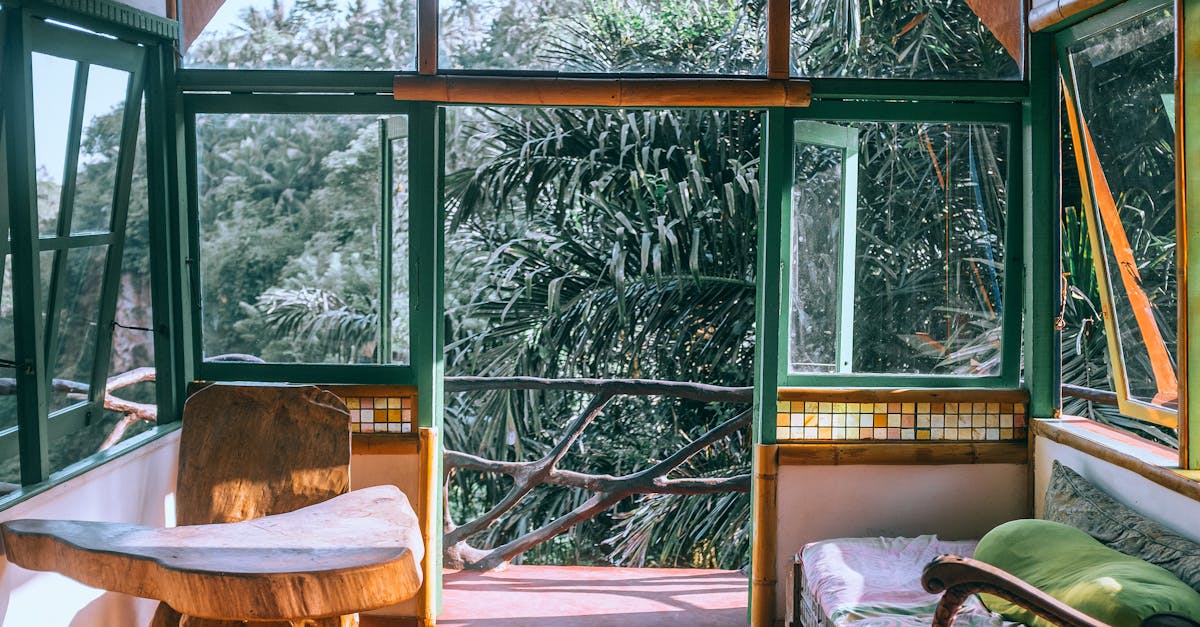
Did you know that you can grow a balcony garden full of superfoods? It’s true! With a little planning and care, you can enjoy fresh, healthy produce right from your own balcony.
In this article, we’ll teach you everything you need to know about growing a balcony garden full of superfoods. We’ll cover everything from choosing the right plants to planting and caring for them. So whether you’re a seasoned gardener or a complete beginner, we’ve got you covered.
So what are you waiting for? Let’s get started!
1. Plan Your Superfood Balcony Garden
Plan Your Superfood Balcony Garden
The first step to growing a successful superfood balcony garden is to plan your garden. This includes researching which superfoods are best suited to growing in a balcony environment, considering the amount of sunlight your balcony receives, and designing a layout that will maximize the use of space.
When choosing superfoods for your balcony garden, it is important to select compact and fast-growing varieties. Some good options include leafy greens such as spinach, kale, and lettuce; berries such as strawberries, blueberries, and raspberries; and herbs such as basil, thyme, and oregano.
It is also important to consider the amount of sunlight your balcony receives when choosing superfoods. Some plants, such as tomatoes and peppers, need full sun to grow well, while others, such as leafy greens and herbs, can tolerate partial shade.
Once you have chosen your superfoods, you need to design a layout for your balcony garden. This will involve deciding where to place your plants and how to support them. Vertical gardening techniques, such as hanging planters and tiered systems, can be used to maximize space on a balcony.
Here are some additional tips for planning your superfood balcony garden:
- Use a variety of plants to create a diverse and nutrient-rich garden.
- Consider companion planting to improve plant growth and productivity.
- Make sure to leave enough space between plants for proper air circulation and growth.
- Plan for a way to water your plants regularly, especially during hot and dry weather.
Choosing Superfoods for Balcony Gardens
When choosing superfoods for your balcony garden, it is important to select compact and fast-growing varieties. This will help to maximize the use of space and ensure that you get a good harvest in a short amount of time.
Some good options for compact and fast-growing superfoods include:
- Leafy greens: spinach, kale, lettuce, arugula
- Berries: strawberries, blueberries, raspberries
- Herbs: basil, thyme, oregano, parsley
These plants are all relatively easy to grow and can tolerate a variety of conditions. They are also packed with nutrients, making them a great addition to any healthy diet.
Here are some additional tips for choosing superfoods for your balcony garden:
- Consider the amount of sunlight your balcony receives. Some plants, such as tomatoes and peppers, need full sun to grow well, while others, such as leafy greens and herbs, can tolerate partial shade.
- Choose plants that are resistant to pests and diseases. This will help to reduce the need for pesticides and herbicides.
- Select a variety of plants to create a diverse and nutrient-rich garden.
With a little planning and care, you can grow a thriving superfood balcony garden that will provide you with fresh, healthy produce all season long.
Assessing Sunlight Conditions
The amount of sunlight your balcony receives will play a major role in determining which superfoods you can grow. Some plants, such as tomatoes and peppers, need full sun to grow well, while others, such as leafy greens and herbs, can tolerate partial shade.
To assess the sunlight conditions on your balcony, you can use a sunlight calculator or simply observe the amount of sunlight your balcony receives throughout the day. If your balcony receives less than 6 hours of direct sunlight per day, you will need to choose superfoods that are tolerant of partial shade.
Here are some tips for assessing the sunlight conditions on your balcony:
- Observe the amount of sunlight your balcony receives throughout the day. Note the times of day when your balcony is in full sun and partial shade.
- Use a sunlight calculator to determine the exact amount of sunlight your balcony receives. This will help you to choose the right superfoods for your growing conditions.
- Consider the orientation of your balcony. Balconies that face south or west will receive more sunlight than balconies that face north or east.
Once you have assessed the sunlight conditions on your balcony, you can choose the right superfoods to grow. Here are some examples of superfoods that are suitable for different sunlight conditions:
- Full sun: tomatoes, peppers, cucumbers, strawberries, blueberries
- Partial shade: leafy greens, herbs, raspberries, blackberries
By choosing superfoods that are suited to the sunlight conditions on your balcony, you can ensure that your plants will thrive and produce a bountiful harvest.
Designing a Balcony Garden Layout
When designing a balcony garden layout, it is important to maximize space. This can be done by using vertical gardening techniques, hanging planters, and tiered systems.
Vertical gardening techniques involve growing plants vertically, rather than horizontally. This can be done using trellises, cages, or stakes. Vertical gardening is a great way to save space on a balcony, and it can also help to improve air circulation and reduce the risk of disease.
Hanging planters are another great way to save space on a balcony. Hanging planters can be used to grow a variety of plants, including flowers, herbs, and vegetables. Hanging planters can be hung from the ceiling, walls, or railings of your balcony.
Tiered systems are another option for maximizing space on a balcony. Tiered systems allow you to grow plants on multiple levels. This can be a great way to grow a variety of plants in a small space.
Here are some additional tips for designing a balcony garden layout:
- Consider the size and shape of your balcony. This will help you to determine how many plants you can grow and how to arrange them.
- Choose plants that are compatible with each other. Some plants, such as tomatoes and peppers, need a lot of sunlight, while others, such as leafy greens and herbs, can tolerate partial shade.
- Make sure to leave enough space between plants for proper air circulation and growth.
- Plan for a way to water your plants regularly, especially during hot and dry weather.
With a little planning and care, you can design a balcony garden layout that will maximize space and allow you to grow a variety of fresh, healthy produce.
2. Selecting Containers and Soil
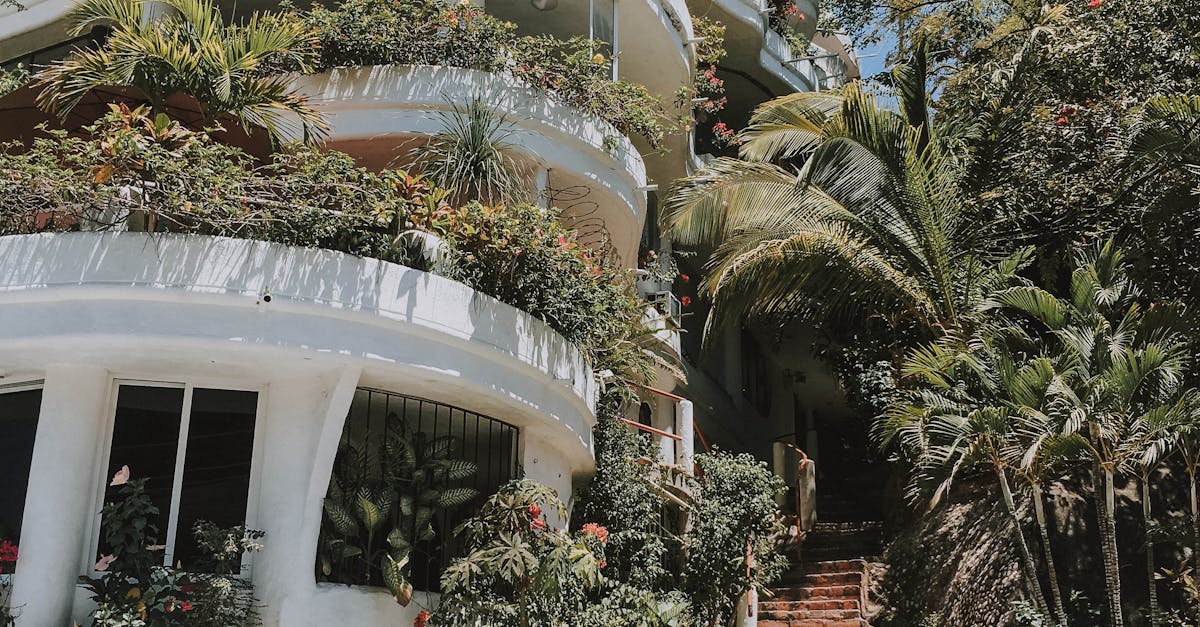
When selecting containers for your balcony garden, it is important to choose containers that have drainage holes. Drainage holes allow excess water to drain out of the container, which helps to prevent the roots of your plants from rotting.
The size of the container you choose will depend on the type of plant you are growing. Small plants, such as herbs and leafy greens, can be grown in relatively small containers, while larger plants, such as tomatoes and peppers, will need larger containers.
It is also important to choose a container that is made from a durable material. Containers can be made from a variety of materials, including plastic, ceramic, and metal. Plastic containers are lightweight and inexpensive, but they can be damaged by extreme heat or cold. Ceramic containers are more durable than plastic containers, but they are also heavier and more expensive. Metal containers are the most durable, but they can also be the most expensive.
Once you have selected your containers, you need to fill them with nutrient-rich soil. You can purchase potting mix from a garden center or nursery, or you can make your own potting mix by combining compost, peat moss, and perlite.
Here are some additional tips for selecting containers and soil for your balcony garden:
- Make sure that the containers you choose have drainage holes.
- Choose a container size that is appropriate for the type of plant you are growing.
- Choose a container that is made from a durable material.
- Fill your containers with nutrient-rich soil.
Choosing the Right Containers
When choosing containers for your balcony garden, it is important to consider the materials, size, and drainage needs of the plants you are growing.
Materials
Containers can be made from a variety of materials, including plastic, ceramic, metal, and wood. Each material has its own advantages and disadvantages.
- Plastic containers are lightweight and inexpensive, but they can be damaged by extreme heat or cold.
- Ceramic containers are more durable than plastic containers, but they are also heavier and more expensive.
- Metal containers are the most durable, but they can also be the most expensive.
- Wooden containers are a good option for plants that need good drainage, but they can be more difficult to keep clean.
Size
The size of the container you choose will depend on the type of plant you are growing. Small plants, such as herbs and leafy greens, can be grown in relatively small containers, while larger plants, such as tomatoes and peppers, will need larger containers.
It is important to choose a container that is large enough to accommodate the root system of the plant. If the container is too small, the roots of the plant will become cramped and the plant will not be able to grow properly.
Drainage
All containers should have drainage holes to allow excess water to drain out. Without drainage holes, the roots of the plant can become waterlogged and rot.
The number and size of drainage holes will vary depending on the size of the container and the type of plant you are growing. For example, small containers will need fewer drainage holes than large containers, and plants that need good drainage will need more drainage holes than plants that can tolerate wet soil.
Here are some additional tips for choosing the right containers for your balcony garden:
- Consider the materials, size, and drainage needs of the plants you are growing.
- Choose containers that are made from durable materials that will withstand the elements.
- Make sure that the containers you choose have adequate drainage holes.
Preparing Nutrient-Rich Soil
To prepare nutrient-rich soil for your balcony garden, you can create a blend of organic matter, compost, and perlite.
Organic matter is any material that comes from living or once-living organisms. This includes things like compost, manure, and peat moss. Organic matter helps to improve the soil structure, water retention, and fertility.
Compost is a natural fertilizer that is made from decomposed organic matter. Compost is rich in nutrients and beneficial microbes that can help to improve plant health.
Perlite is a volcanic rock that has been expanded into small, white beads. Perlite is used to improve drainage and aeration in the soil.
To make your own nutrient-rich soil blend, you can combine equal parts of organic matter, compost, and perlite. You can also add other ingredients to your soil blend, such as bone meal or blood meal, to provide additional nutrients.
Once you have created your soil blend, you can fill your containers with the soil and start planting your superfoods.
Here are some additional tips for preparing nutrient-rich soil for your balcony garden:
- Use high-quality ingredients. The quality of your soil blend will directly impact the health of your plants.
- Mix your soil blend thoroughly. This will help to ensure that all of your plants have access to the same nutrients.
- Allow your soil blend to sit for a few days before planting. This will give the beneficial microbes in the compost time to start working.
With a little care and attention, you can prepare nutrient-rich soil that will help your superfoods to thrive.
3. Planting and Caring for Superfoods
Once you have selected your superfoods and prepared your soil, it is time to plant and care for your balcony garden.
Planting
When planting your superfoods, it is important to follow proper planting techniques. This includes planting the seeds or seedlings at the correct depth and spacing.
- Seeds: When planting seeds, be sure to sow them at the correct depth. The depth will vary depending on the type of seed. You can usually find the recommended planting depth on the seed packet.
- Seedlings: When planting seedlings, be sure to plant them at the same depth that they were growing in the nursery pot.
Watering
Superfoods need regular watering to thrive. The amount of water you need to give your plants will vary depending on the type of plant, the size of the container, and the weather conditions.
- Type of plant: Some plants, such as tomatoes and peppers, need more water than others, such as leafy greens and herbs.
- Size of the container: Smaller containers will need to be watered more frequently than larger containers.
- Weather conditions: Plants will need more water during hot and dry weather than during cool and wet weather.
Support
Some superfoods, such as tomatoes and cucumbers, need support to grow properly. This support can be provided by trellises, cages, or stakes.
- Trellises: Trellises are vertical structures that plants can climb. Trellises are a good option for plants that have long, viney stems.
- Cages: Cages are wire structures that surround plants. Cages are a good option for plants that have bushy growth habits.
- Stakes: Stakes are individual supports that can be used to support individual plants. Stakes are a good option for plants that have single stems.
By following these tips, you can help your superfoods to grow and thrive on your balcony.
Planting Techniques for Balcony Gardens
There are several different planting techniques that you can use for your balcony garden, including seed starting kits, transplants, and cuttings.
Seed starting kits are a great way to start seeds indoors before the last frost. This gives your plants a head start on the growing season and allows you to control the environment in which they germinate.
To use a seed starting kit, simply fill the cells with seed starting mix and plant your seeds according to the directions on the seed packet. Keep the seed starting kit in a warm, sunny location and water the seeds regularly. Once the seedlings have developed their first set of true leaves, you can transplant them into individual containers or your balcony garden.
Transplants are young plants that have been started indoors or in a greenhouse. Transplants are a good option if you want to get a head start on the growing season or if you want to grow plants that are not well-suited to direct sowing.
To transplant seedlings, simply dig a hole in the soil that is twice the width of the root ball and just as deep. Place the seedling in the hole and gently firm the soil around the roots. Water the seedling well and keep it in a shaded location for a few days until it has recovered from the transplanting process.
Cuttings are pieces of stem that are taken from a mature plant. Cuttings can be used to propagate new plants that are genetically identical to the parent plant.
To take cuttings, simply cut a 4- to 6-inch piece of stem from a healthy plant. Remove the leaves from the bottom inch or two of the stem and dip the cut end in rooting hormone. Plant the cutting in a pot filled with moist potting mix and keep it in a warm, humid location. Once the cutting has developed roots, you can transplant it into your balcony garden.
By using these planting techniques, you can grow a variety of superfoods on your balcony.
Watering Schedules for Superfoods
The amount of water that your superfoods need will vary depending on the type of plant, the size of the container, and the weather conditions.
Type of plant: Some plants, such as tomatoes and peppers, need more water than others, such as leafy greens and herbs. * Size of the container: Smaller containers will need to be watered more frequently than larger containers. * Weather conditions: Plants will need more water during hot and dry weather than during cool and wet weather.
General watering guidelines
- Water your plants deeply and infrequently, rather than shallowly and frequently. This will encourage the roots of your plants to grow deep into the soil, which will make them more drought-tolerant.
- Water your plants at the base of the plant, rather than overhead. This will help to prevent the leaves of your plants from getting wet, which can lead to disease.
- Avoid overwatering your plants. Overwatering can lead to root rot and other problems.
Signs of underwatering
- The leaves of your plants will wilt and turn brown.
- The soil in your containers will be dry to the touch.
- Your plants will stop growing.
Signs of overwatering
- The leaves of your plants will turn yellow and fall off.
- The soil in your containers will be soggy and waterlogged.
- Your plants will develop root rot.
By observing your plants and the weather conditions, you can determine the specific water requirements for your superfoods and develop a watering schedule that will keep them healthy and productive.
Providing Support for Plants
Some superfoods, such as tomatoes, cucumbers, and beans, need support to grow properly. This support can be provided by trellises, cages, or stakes.
Trellises are vertical structures that plants can climb. Trellises are a good option for plants that have long, viney stems. Trellises can be made from a variety of materials, such as wood, metal, or plastic.
Cages are wire structures that surround plants. Cages are a good option for plants that have bushy growth habits. Cages can be made from a variety of materials, such as wire, bamboo, or plastic.
Stakes are individual supports that can be used to support individual plants. Stakes are a good option for plants that have single stems. Stakes can be made from a variety of materials, such as wood, metal, or plastic.
Benefits of providing support for plants:
- Increased yield: Providing support for climbing plants can help to increase yield by allowing the plants to grow vertically. This exposes the plants to more sunlight and allows them to produce more fruit and vegetables.
- Improved air circulation: Providing support for plants can help to improve air circulation around the plants. This can help to prevent the spread of diseases and pests.
- Reduced risk of lodging: Providing support for climbing plants can help to reduce the risk of lodging. Lodging is when plants fall over due to the weight of their fruit or vegetables. Lodging can damage plants and reduce yield.
By providing support for your climbing superfoods, you can help them to grow and produce more fruit and vegetables. You can also reduce the risk of disease, pests, and lodging.
4. Fertilizing and Managing Pests/Diseases

Fertilizing
Superfoods need regular fertilization to produce healthy yields. Organic fertilizers are a good option for balcony gardens because they are gentle on the environment and do not pose a risk to human health. Some good organic fertilizers for superfoods include compost, manure, and fish emulsion.
Pest and disease management
Preventing pests and diseases is the best way to keep your superfoods healthy. Here are a few tips for preventing pests and diseases in your balcony garden:
- Choose disease-resistant varieties of superfoods.
- Practice crop rotation.
- Keep your garden clean and free of debris.
- Inspect your plants regularly for pests and diseases.
- Use organic pest control methods, such as companion planting and insecticidal soap.
If you do find pests or diseases in your balcony garden, there are a number of organic methods you can use to control them. Some common organic pest control methods include:
- Companion planting: Companion planting is the practice of planting different types of plants together to benefit each other. Some plants, such as marigolds, are known to repel pests. Planting marigolds around your superfoods can help to keep pests away.
- Insecticidal soap: Insecticidal soap is a natural pesticide that can be used to control pests such as aphids and spider mites. Insecticidal soap is made from fatty acids and works by suffocating pests.
- Neem oil: Neem oil is a natural pesticide that can be used to control a wide range of pests. Neem oil is derived from the neem tree and has insecticidal, fungicidal, and antibacterial properties.
Fertilizing Balcony Garden Superfoods
When fertilizing your balcony garden superfoods, it is important to select organic fertilizers that are tailored to the specific needs of your plants. Different types of superfoods have different nutrient requirements, so it is important to choose a fertilizer that will provide the nutrients that your plants need.
Here are a few tips for selecting organic fertilizers for your balcony garden superfoods:
- Read the fertilizer label carefully. The fertilizer label will tell you the NPK ratio of the fertilizer. The NPK ratio is the percentage of nitrogen, phosphorus, and potassium in the fertilizer. Choose a fertilizer that has an NPK ratio that is appropriate for the type of superfoods you are growing.
- Consider the stage of growth of your plants. Plants need different nutrients at different stages of growth. For example, plants that are actively growing need more nitrogen than plants that are fruiting or flowering. Choose a fertilizer that has the right balance of nutrients for the stage of growth of your plants.
- Use a slow-release fertilizer. Slow-release fertilizers release nutrients over a period of time, which helps to prevent your plants from getting too much fertilizer at once. Slow-release fertilizers are a good option for busy gardeners who do not have time to fertilize their plants frequently.
Here are a few examples of organic fertilizers that are well-suited for balcony garden superfoods:
- Compost: Compost is a natural fertilizer that is made from decomposed organic matter. Compost is rich in nutrients and is a good all-purpose fertilizer for superfoods.
- Manure: Manure is another natural fertilizer that is made from the粪便of animals. Manure is rich in nitrogen and is a good choice for plants that need a lot of nitrogen, such as leafy greens.
- Fish emulsion: Fish emulsion is a liquid fertilizer that is made from fish waste. Fish emulsion is rich in nitrogen and phosphorus and is a good choice for plants that need a boost of these nutrients.
By following these tips, you can select organic fertilizers that will help your balcony garden superfoods to thrive.
Preventing and Controlling Pests
Preventing pests from entering your balcony garden is the best way to protect your superfoods. Here are a few tips for preventing pests in your balcony garden:
- Inspect your plants regularly. Look for signs of pests, such as holes in leaves, yellowing leaves, or webbing. If you find any pests, remove them immediately.
- Use companion planting. Companion planting is the practice of planting different types of plants together to benefit each other. Some plants, such as marigolds, are known to repel pests. Planting marigolds around your superfoods can help to keep pests away.
- Use physical barriers. Physical barriers, such as row covers and netting, can be used to keep pests away from your plants. Row covers are made of a lightweight fabric that allows sunlight and water to reach your plants, but keeps pests out. Netting can be used to cover your plants or to create a barrier around your balcony.
If you do find pests in your balcony garden, there are a number of organic methods you can use to control them. Some common organic pest control methods include:
- Insecticidal soap: Insecticidal soap is a natural pesticide that can be used to control pests such as aphids and spider mites. Insecticidal soap is made from fatty acids and works by suffocating pests.
- Neem oil: Neem oil is a natural pesticide that can be used to control a wide range of pests. Neem oil is derived from the neem tree and has insecticidal, fungicidal, and antibacterial properties.
- Diatomaceous earth: Diatomaceous earth is a natural powder that can be used to control pests such as slugs and snails. Diatomaceous earth works by absorbing the oils from the pests’ bodies, causing them to dehydrate and die.
By following these tips, you can prevent and control pests in your balcony garden and protect your superfoods from damage.
Managing Balcony Garden Diseases
Preventing diseases in your balcony garden is the best way to protect your superfoods. Here are a few tips for preventing diseases in your balcony garden:
- Implement good sanitation practices. Good sanitation practices can help to prevent the spread of diseases in your balcony garden. This includes cleaning up fallen leaves and debris, and removing any diseased plants from your garden immediately.
- Choose disease-resistant varieties. Disease-resistant varieties of superfoods are less likely to develop diseases. When choosing superfoods for your balcony garden, look for varieties that are resistant to the most common diseases in your area.
- Water your plants at the base. Watering your plants at the base can help to prevent the spread of diseases. Avoid getting the leaves of your plants wet, as this can create a moist environment that is favorable for disease development.
- Provide good air circulation. Good air circulation can help to prevent the spread of diseases. Make sure that your plants are spaced far enough apart so that there is good air circulation around them.
If you do find diseases in your balcony garden, there are a number of organic methods you can use to control them. Some common organic disease control methods include:
- Neem oil: Neem oil is a natural fungicide that can be used to control a wide range of fungal diseases. Neem oil is derived from the neem tree and has insecticidal, fungicidal, and antibacterial properties.
- Baking soda: Baking soda can be used to control powdery mildew and other fungal diseases. To make a baking soda spray, mix 1 tablespoon of baking soda in 1 gallon of water. Spray the baking soda solution on your plants, making sure to cover the leaves and stems.
- Potassium bicarbonate: Potassium bicarbonate is another natural fungicide that can be used to control a variety of fungal diseases. To make a potassium bicarbonate spray, mix 1 tablespoon of potassium bicarbonate in 1 gallon of water. Spray the potassium bicarbonate solution on your plants, making sure to cover the leaves and stems.
By following these tips, you can prevent and control diseases in your balcony garden and protect your superfoods from damage.
5. Harvesting and Preserving Superfoods
Harvesting balcony-grown superfoods
Harvesting your balcony-grown superfoods at the right time is important to ensure that they are at their peak flavor and nutritional value. Here are a few tips for harvesting balcony-grown superfoods:
- Harvest leafy greens when they are young and tender. Leafy greens, such as spinach, kale, and lettuce, are best harvested when they are young and tender. If you wait too long to harvest leafy greens, they will become tough and bitter.
- Harvest herbs as needed. Herbs can be harvested as needed throughout the growing season. To harvest herbs, simply snip off the leaves or stems that you need.
- Harvest fruits and vegetables when they are ripe. Fruits and vegetables should be harvested when they are ripe to ensure that they have the best flavor and nutritional value. The ripeness of fruits and vegetables can be determined by their color, size, and firmness.
Preserving balcony-grown superfoods
Preserving your balcony-grown superfoods is a great way to extend their shelf life and enjoy them all year long. Here are a few tips for preserving balcony-grown superfoods:
- Freezing: Freezing is a great way to preserve balcony-grown superfoods. To freeze superfoods, simply wash and cut them into desired pieces. Place the superfoods in freezer-safe bags or containers and freeze them for up to 6 months.
- Drying: Drying is another great way to preserve balcony-grown superfoods. To dry superfoods, simply wash them and cut them into thin slices. Place the superfoods on a drying rack or in a dehydrator and dry them until they are completely dry. Dried superfoods can be stored in airtight containers for up to 1 year.
- Canning: Canning is a great way to preserve balcony-grown superfoods for long periods of time. To can superfoods, simply wash and cut them into desired pieces. Place the superfoods in sterilized jars and cover them with boiling water. Seal the jars and process them in a boiling water bath for the recommended amount of time.
Harvesting Techniques for Balcony Superfoods
Harvesting your balcony-grown superfoods at the right time is essential to ensure that they retain their maximum nutritional value. Here are a few tips for harvesting balcony superfoods at the appropriate stage of ripeness:
- Leafy greens: Leafy greens, such as spinach, kale, and lettuce, should be harvested when they are young and tender. If you wait too long to harvest leafy greens, they will become tough and bitter. To harvest leafy greens, simply cut the leaves from the base of the plant.
- Herbs: Herbs can be harvested as needed throughout the growing season. To harvest herbs, simply snip off the leaves or stems that you need. Be sure to harvest herbs before they flower, as this will reduce their flavor and potency.
- Fruits: Fruits should be harvested when they are ripe. The ripeness of fruits can be determined by their color, size, and firmness. To harvest fruits, simply pick them from the plant. Be careful not to damage the fruit when harvesting.
- Vegetables: Vegetables should also be harvested when they are ripe. The ripeness of vegetables can be determined by their color, size, and firmness. To harvest vegetables, simply cut them from the plant. Be careful not to damage the vegetables when harvesting.
By harvesting your balcony superfoods at the appropriate stage of ripeness, you can ensure that they retain their maximum nutritional value and flavor.
Preservation Methods for Balcony Superfoods
Preserving your balcony-grown superfoods is a great way to extend their shelf life and enjoy them all year long. Here are a few of the most popular preservation methods:
- Freezing: Freezing is a great way to preserve the nutritional value of superfoods. To freeze superfoods, simply wash and cut them into desired pieces. Place the superfoods in freezer-safe bags or containers and freeze them for up to 6 months.
- Drying: Drying is another great way to preserve the nutritional value of superfoods. To dry superfoods, simply wash them and cut them into thin slices. Place the superfoods on a drying rack or in a dehydrator and dry them until they are completely dry. Dried superfoods can be stored in airtight containers for up to 1 year.
- Canning: Canning is a great way to preserve superfoods for long periods of time. To can superfoods, simply wash and cut them into desired pieces. Place the superfoods in sterilized jars and cover them with boiling water. Seal the jars and process them in a boiling water bath for the recommended amount of time.
By using these preservation methods, you can enjoy your balcony-grown superfoods all year long.
Quiz
- True or False: Leafy greens should be harvested when they are mature and tough.
- Which of the following is NOT a benefit of providing support for climbing plants?
- Increased yield
- Improved air circulation
- Reduced risk of lodging
- Reduced risk of disease
- What is the purpose of companion planting?
- To repel pests
- To improve soil fertility
- To provide support for climbing plants
- To attract pollinators
- True or False: Organic fertilizers are always better than synthetic fertilizers.
- Which of the following is NOT a common organic pest control method?
- Insecticidal soap
- Neem oil
- Diatomaceous earth
- Chemical pesticides
Answer Key
- False
- Reduced risk of disease
- To repel pests
- False
- Chemical pesticides
Unlock the Greenery Potential of Your Balcony: A Guide to Thriving Plants in Compact Spaces Attention all balcony-dwelling plant enthusiasts! Read more
Transform Your Balcony into a Flourishing Garden Oasis: A Step-by-Step Guide Beginning a balcony garden can be a fulfilling endeavor, Read more
Unlocking the Potential of Vertical Gardening on Balconies Are you tired of your cramped balcony but still longing for a Read more
Aromatic Delights: Cultivating Herbs on Your Balcony Oasis Whether you're a seasoned gardener or just starting out, growing herbs on Read more