
Unveiling the Native Delights: A Balcony Garden Brimming with Nature’s Bounty
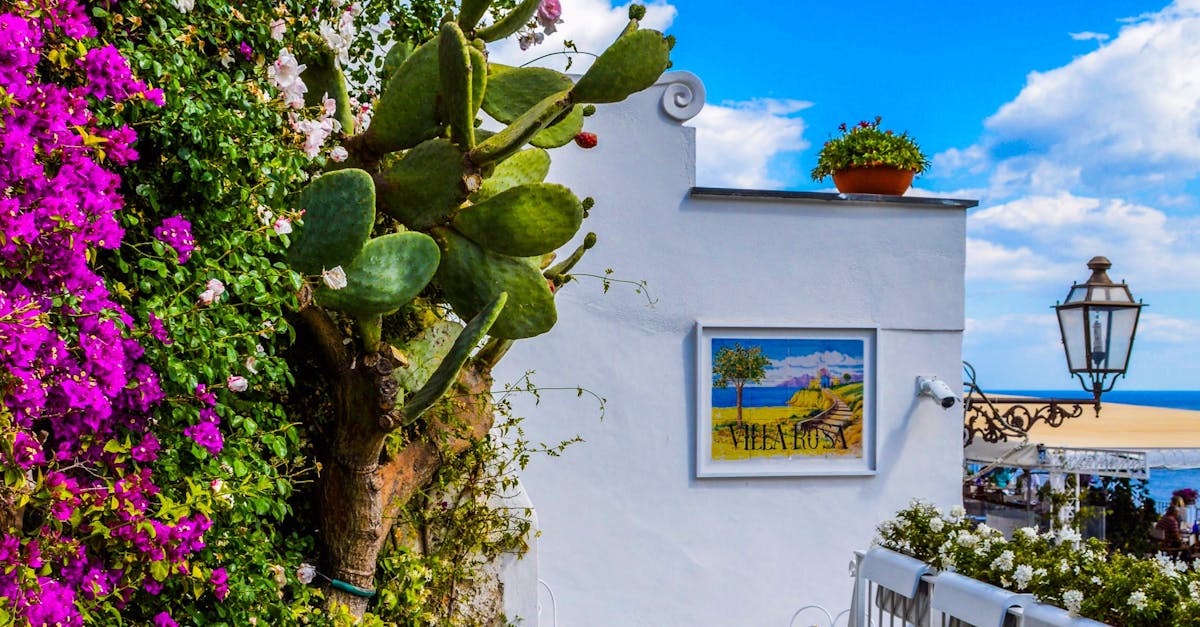
Native plants hold ecological treasures that traditional gardening often overlooks. Bringing a touch of nature’s brilliance to balconies is not just feasible but highly rewarding. This step-by-step guide will empower balcony gardeners to transform their urban spaces into vibrant havens teeming with native blooms and flourishing foliage, providing a sanctuary for local wildlife and a feast for the senses. Get ready to embark on a journey of creating a balcony garden that embraces the beauty and benefits of native species.
1. Embracing Native Species: Benefits and Considerations
Unveiling the Wonders of Native Plants for Balcony Gardens
Native plants hold a treasure trove of ecological benefits that make them ideal inhabitants of balcony gardens. Their intricate relationship with local fauna fosters a vibrant ecosystem, attracting pollinators, such as bees and butterflies, which contribute to a healthy urban environment. Native species are adapted to the local climate, requiring less water and maintenance, making them sustainable choices for balcony gardeners. Moreover, their deep roots help prevent soil erosion, further enhancing the ecological value of your balcony haven.
Before embarking on your native plant selection journey, consider your balcony’s unique microclimate. Factors like sunlight exposure, wind intensity, and temperature fluctuations can influence plant growth. Research native species that thrive in similar conditions to ensure their well-being in your balcony garden. Additionally, opt for plants that cater to your aesthetic preferences, whether you desire a cascade of colorful blooms, a tapestry of verdant foliage, or a symphony of both.
2. Expert Plant Selection: Choosing the Right Natives
A Curated Collection of Native Delights for Your Balcony Oasis
Small Wonders for Compact Spaces: – Dwarf Butterfly Weed (Asclepias tuberosa): A petite charmer with vibrant orange blooms that attract butterflies. Thrives in full sun to partial shade. – Creeping Thyme (Thymus serpyllum): A fragrant groundcover that forms a dense mat of aromatic leaves. Prefers full sun to partial shade. – Wild Strawberry (Fragaria virginiana): Produces sweet, juicy berries and tolerates partial shade to full sun.
Sun-worshippers for Ample Light: – Goldenrod (Solidago spp.): Tall, stately plants with showy golden flower spikes that bloom in late summer. Prefers full sun. – Purple Coneflower (Echinacea purpurea): A popular choice with large, daisy-like blooms in shades of purple and pink. Thrives in full sun to partial shade. – Black-eyed Susan (Rudbeckia hirta): Cheerful, daisy-like flowers with dark central cones. Prefers full sun to partial shade.
Thriving in Shade or Partial Sun: – Foamflower (Tiarella cordifolia): A low-growing perennial with delicate, heart-shaped leaves and airy white flower spikes. Thrives in partial shade to full shade. – Wild Ginger (Asarum canadense): A unique groundcover with heart-shaped leaves and reddish-brown flowers that bloom close to the ground. Prefers partial shade to full shade. – Lady Fern (Athyrium filix-femina): An elegant fern with graceful, arching fronds. Tolerates partial shade to full shade.
3. Creating the Ideal Environment: Soil, Containers, and Sunlight
Crafting the Perfect Environment for Your Balcony Natives
Soil Composition: – Native plants thrive in well-drained soil that mimics their natural habitat. Use a potting mix specifically designed for container gardening, and amend it with organic matter like compost or peat moss to improve drainage and fertility. – Avoid using garden soil, as it can become compacted and waterlogged in containers.
Container Selection: – Choose containers with drainage holes to prevent waterlogging. The material of the container (plastic, ceramic, terracotta) is a matter of personal preference, but consider the weight and durability when selecting. – For cascading plants, opt for hanging baskets or wall-mounted planters. – Maximize space by using vertical gardening techniques, such as trellises or stackable planters.
Sunlight Exposure: – Observe your balcony’s sunlight patterns throughout the day to determine the amount of light your plants will receive. – Group plants with similar sunlight requirements together. – Consider using shade cloths or moving plants to shaded areas during intense sunlight, especially during the hottest part of the day.
4. Nurturing Your Native Haven: Watering, Fertilizing, and Pruning
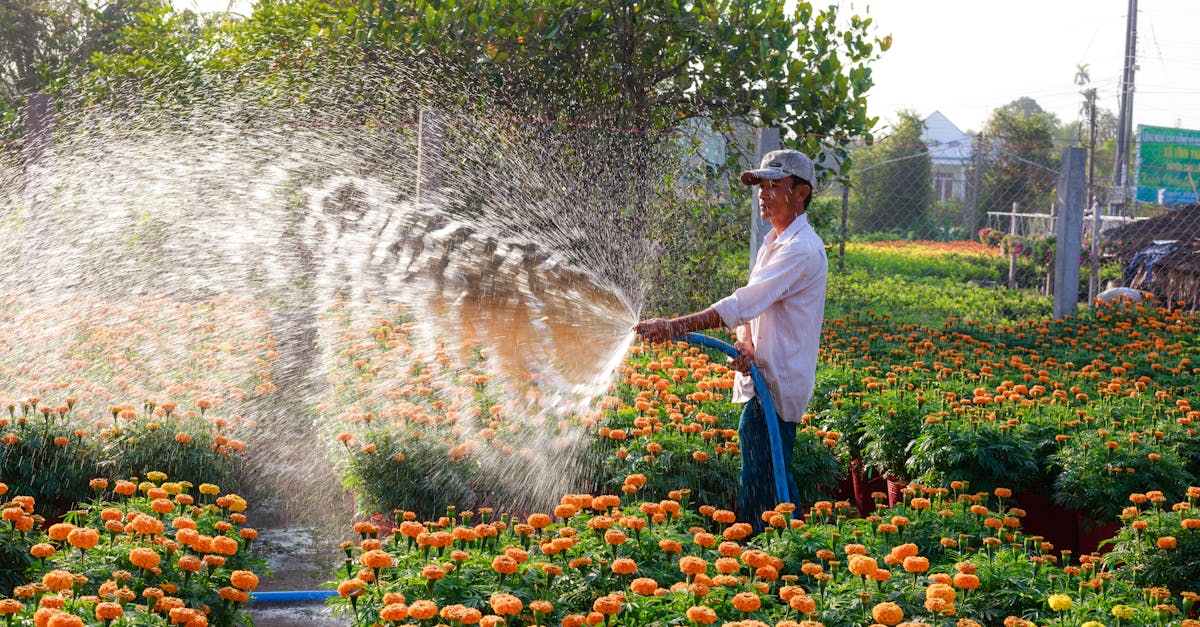
Nurturing Your Native Haven: A Guide to Watering, Fertilizing, and Pruning
Watering: – Water your native plants deeply and regularly, especially during hot and dry periods. – Allow the soil to dry out slightly between waterings to prevent overwatering. – Use rainwater or distilled water whenever possible, as tap water can contain harmful chemicals.
Fertilizing: – Fertilize your native plants sparingly, using a balanced fertilizer diluted to half strength. – Avoid over-fertilizing, as it can lead to nutrient burn and other problems. – Organic fertilizers, such as compost or fish emulsion, are a good choice for native plants.
Pruning: – Prune your native plants as needed to remove dead or diseased stems, encourage bushier growth, or control size. – Use sharp, clean pruning shears to make precise cuts. – Prune lightly in the spring to encourage new growth and shape the plants. – Deadhead spent flowers to promote continued blooming and prevent seed production.
5. Inspiring Design Ideas: Transforming Your Balcony into a Native Oasis
Inspiring Design Ideas for Your Native Balcony Oasis
Vertical Gardening: – Utilize vertical space by installing trellises, hanging planters, or wall-mounted shelves. – Train climbing plants, such as morning glories or passionflowers, to grow upwards, creating a lush green wall. – Hang baskets with trailing plants, such as ferns or petunias, to add a touch of elegance.
Companion Planting: – Group plants together that have complementary needs and growth habits. – For example, plant nitrogen-fixing legumes, such as beans or clover, next to heavy feeders, such as tomatoes or corn. – Plant tall plants behind shorter ones to provide shade and support.
Attracting Pollinators and Wildlife: – Include a variety of native plants that bloom throughout the year to provide a continuous source of nectar and pollen for bees, butterflies, and other pollinators. – Choose plants with different flower shapes and colors to attract a wider range of pollinators. – Provide a water source, such as a shallow dish filled with pebbles, for thirsty pollinators and other wildlife.
Test Your Native Balcony Gardening Knowledge
Multiple Choice 1. Which of the following is NOT a benefit of native plants for balcony gardens? (a) Attracting pollinators (b) Requiring less maintenance (c) Tolerating harsh urban conditions
- When selecting native plants for your balcony, it is important to consider:
(a) Sunlight exposure (b) Soil composition (c) Both (a) and (b)
- Which of the following is a space-saving technique for balcony gardens?
(a) Vertical gardening (b) Hanging baskets (c) Companion planting (d) All of the above
True/False 4. Native plants always require more water than non-native plants. 5. Pruning native plants should be done heavily to encourage growth. 6. Companion planting can improve the overall health and productivity of your balcony garden.
Answer Key Multiple Choice 1. (c) 2. (c) 3. (d)
True/False 4. False 5. False 6. True
Answer Key
Multiple Choice 1. (c) 2. (c) 3. (d)
True/False 4. False 5. False 6. True
Unlock the Greenery Potential of Your Balcony: A Guide to Thriving Plants in Compact Spaces Attention all balcony-dwelling plant enthusiasts! Read more
Transform Your Balcony into a Flourishing Garden Oasis: A Step-by-Step Guide Beginning a balcony garden can be a fulfilling endeavor, Read more
Unlocking the Potential of Vertical Gardening on Balconies Are you tired of your cramped balcony but still longing for a Read more
Aromatic Delights: Cultivating Herbs on Your Balcony Oasis Whether you're a seasoned gardener or just starting out, growing herbs on Read more