
A Slice of Cottage Charm: Creating a Balcony Garden with Timeless Appeal
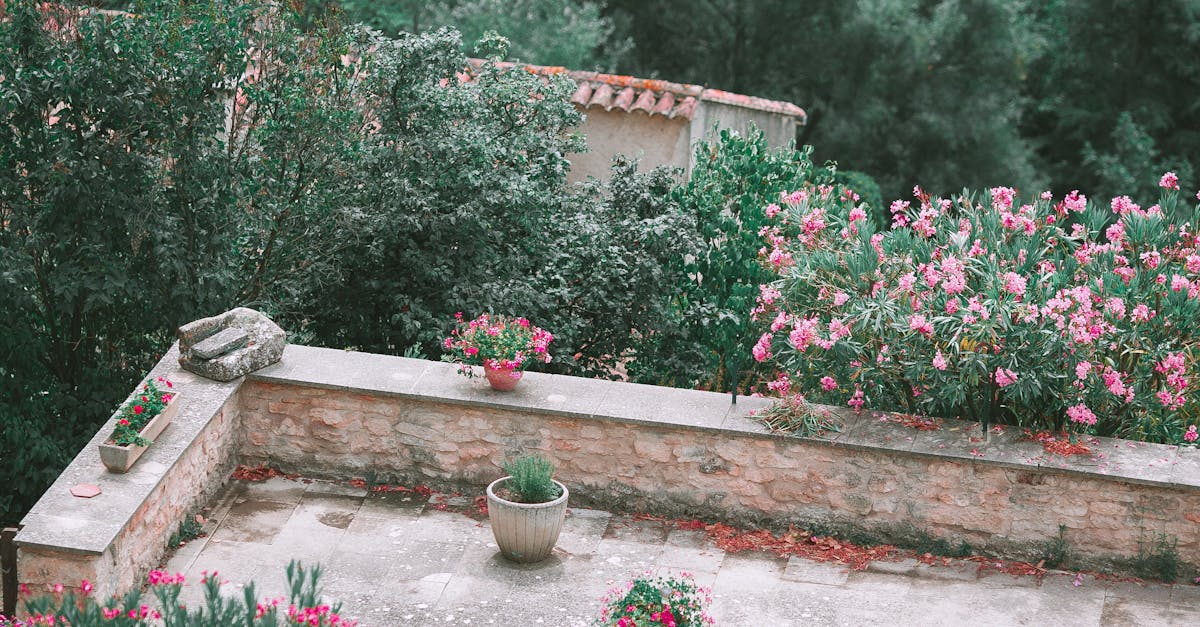
Indulge in the charm and enchantment of a cottage garden on your balcony, transforming it into a picturesque oasis. This guide will unveil the secrets of designing and maintaining a thriving balcony cottage garden, complete with the perfect plant selections, captivating arrangements, and nostalgic elements that will evoke a sense of timeless tranquility.
1. Choosing the Right Plants
When designing a balcony cottage garden, selecting the right plants is crucial to capture the informal and romantic style. Traditional cottage gardens are known for their diverse mix of flowers, herbs, and vegetables, all blooming in a riot of colors and textures. Choose plants that are well-suited to container gardening and can thrive in the specific conditions of your balcony, such as the amount of sunlight and space available.
Consider incorporating popular cottage garden plants like foxgloves, lavender, roses, and daisies. These plants are not only visually appealing but also attract pollinators, adding to the charm and biodiversity of your balcony garden. Vertical gardening techniques can help maximize space and create a cascading cottage feel. Use trellises, hanging baskets, and wall-mounted planters to display climbing plants and trailing flowers.
Cottage Garden Plant Recommendations
Cottage gardens are renowned for their profusion of blooms and captivating fragrances. When selecting plants for your balcony cottage garden, consider these popular and beautiful options:
- Foxgloves: Towering and stately, foxgloves add height and drama to any garden. Their tall spires of bell-shaped flowers come in a range of colors, including soft pink, purple, and yellow.
- Lavender: Known for its calming fragrance and attractive purple blooms, lavender is a must-have for cottage gardens. It attracts pollinators and can be used in culinary and medicinal preparations.
- Roses: Roses embody the romantic charm of cottage gardens. Choose varieties that are well-suited to container gardening, such as miniature roses or climbing roses that can be trained to grow up trellises.
- Daisies: Cheerful and unpretentious, daisies add a touch of whimsy to cottage gardens. They come in a variety of sizes and colors, from petite white blooms to larger, brightly colored varieties.
These plants are relatively easy to grow and maintain, making them suitable for both experienced and初心者 gardeners. By incorporating these cottage garden favorites into your balcony design, you can create a charming and inviting outdoor space.
Vertical Gardening Techniques
Vertical gardening techniques are a clever way to maximize space and create a cascading cottage feel on your balcony. By utilizing trellises, hanging baskets, and wall-mounted planters, you can add height and depth to your garden, allowing plants to climb and trail gracefully.
Trellises are a classic choice for supporting climbing plants, such as roses, clematis, and morning glories. They can be placed against walls or used to create freestanding structures. Hanging baskets are ideal for trailing plants like ivy, lobelia, and petunias. They can be suspended from the ceiling or attached to walls and railings.
Wall-mounted planters are a versatile option that can be used to display a variety of plants, from herbs and succulents to flowering annuals. They come in various shapes and sizes, allowing you to create a customized vertical garden that complements your balcony’s style. By employing these vertical gardening techniques, you can transform your balcony into a lush and vibrant oasis, even if space is limited.
2. Layout and Design Considerations

When arranging your plants for a balcony cottage garden, consider both visual appeal and practicality. The size and shape of your balcony will influence your design choices. For smaller balconies, vertical gardening techniques can help maximize space. Place taller plants in the back and shorter plants in the front to create depth and visual interest. You can also use hanging baskets and wall-mounted planters to add height and dimension.
For larger balconies, you have more flexibility in your layout. You can create different zones for seating, dining, and gardening. Use furniture and trellises to define spaces and create a sense of intimacy. Consider using raised garden beds to add height and structure to your garden. This can also make it easier to tend to your plants, especially if you have limited mobility.
No matter the size of your balcony, it’s important to create a focal point. This could be a statement plant, a piece of garden art, or a water feature. The focal point will draw the eye and add interest to your garden. By carefully considering the layout and design of your balcony cottage garden, you can create a beautiful and functional outdoor space that you’ll enjoy for years to come.
Creating Focal Points
Focal points are essential elements in any garden design, and balcony cottage gardens are no exception. They draw the eye and add interest to your space. There are many ways to create focal points, including using statement plants, architectural elements, or a water feature.
Statement plants are typically large, bold, or have unique foliage or flowers. They can be used to create a dramatic impact and draw attention to a specific area of your garden. Architectural elements, such as trellises, arbors, and pergolas, can also be used to create focal points. They add structure and interest to your garden, and can be used to support climbing plants or create shaded seating areas.
A water feature, such as a small fountain or birdbath, can also be a beautiful and calming focal point. The sound of running water can create a sense of tranquility, and birds and other wildlife will be attracted to the water source. When choosing a focal point for your balcony cottage garden, consider the overall style of your garden and the available space. A well-chosen focal point will enhance the beauty of your garden and create a space that you’ll enjoy spending time in.
Incorporating Seating and Accessories
Creating a cozy and inviting seating area is essential for making your balcony cottage garden a space you’ll enjoy spending time in. Choose comfortable seating that complements the style of your garden, such as a bistro set, Adirondack chairs, or a bench. If space is limited, consider using foldable or stackable furniture that can be easily stored away when not in use.
A small table is also a valuable addition to your balcony garden. It provides a surface for setting down drinks, snacks, or books, and can also be used for dining al fresco. Choose a table that is the right size and height for your seating area, and that is made from durable materials that can withstand the elements.
Charming accessories can add personality and style to your balcony cottage garden. Consider adding items such as wind chimes, bird feeders, or lanterns. You can also display your favorite plants in decorative pots or hanging baskets. By incorporating seating and accessories, you can create a cozy and inviting outdoor space that you’ll love spending time in.
3. Adding Cottage Garden Elements
To enhance the cottage garden aesthetic on your balcony, incorporate nostalgic elements that add character and charm. Charming trellises and arches can support climbing plants and create a whimsical touch. Choose rustic wood or metal designs that complement the style of your garden. Nostalgic pathways and edging can also add to the cottage garden feel. Define pathways and garden beds with brick, stone, or wooden edging materials. These elements add a sense of history and charm to your balcony garden.
Other charming accessories that can evoke a cottage garden atmosphere include vintage watering cans, bird baths, and weather vanes. You can also add a touch of whimsy with fairy lights or wind chimes. By incorporating these nostalgic elements, you can create a balcony cottage garden that is both beautiful and inviting.
Charming Trellises and Arches
Charming trellises and arches are essential elements for any cottage garden, and they can be used to great effect on a balcony. Trellises provide support for climbing plants, allowing them to grow vertically and create a beautiful display. Arches can be used to create a focal point or to define an entrance to a seating area. When choosing trellises and arches for your balcony cottage garden, opt for rustic wood or metal designs that complement the overall style of your garden. Wood trellises and arches have a classic, timeless look, while metal trellises and arches can add a touch of whimsy. You can also find trellises and arches in a variety of shapes and sizes, so you can choose the ones that best suit your space and needs.
Nostalgic Pathways and Edging
Nostalgic pathways and edging can add a touch of history and charm to your balcony cottage garden. Pathways made from brick, stone, or wood can help to define different areas of your garden and make it easier to move around. Edging can also be used to create raised beds for plants, or to simply add a decorative touch to your garden. When choosing materials for your pathways and edging, opt for those that complement the overall style of your garden. For a classic look, choose brick or stone. For a more rustic look, choose wood. You can also find edging materials in a variety of colors and shapes, so you can create a custom look for your garden.
4. Maintenance Tips for a Flourishing Balcony Cottage Garden

To ensure the health and beauty of your balcony cottage garden, proper care and maintenance are essential. Regular watering is crucial, especially during hot weather, to keep plants hydrated and blooming. Use a watering can or hose with a gentle spray to avoid damaging delicate flowers. Fertilizing your plants on a regular basis will also help them to thrive. Choose a fertilizer that is specifically designed for container gardening, and follow the instructions on the package. Mulching around your plants will help to retain moisture, suppress weeds, and regulate soil temperature. You can use a variety of materials for mulch, such as bark, straw, or compost.
In addition to watering, fertilizing, and mulching, you will also need to prune your plants regularly. Pruning helps to encourage new growth, remove dead or diseased branches, and keep your plants looking their best. When pruning, use sharp, clean shears and make cuts at a 45-degree angle. You should also deadhead your plants, which means removing spent flowers. Deadheading encourages new blooms and prevents your plants from going to seed.
Regular Watering
To ensure the health and beauty of your balcony cottage garden, proper care and maintenance are essential. Regular watering is crucial, especially during hot weather, to keep plants hydrated and blooming. Use a watering can or hose with a gentle spray to avoid damaging delicate flowers. Fertilizing your plants on a regular basis will also help them to thrive. Choose a fertilizer that is specifically designed for container gardening, and follow the instructions on the package. Mulching around your plants will help to retain moisture, suppress weeds, and regulate soil temperature. You can use a variety of materials for mulch, such as bark, straw, or compost.
In addition to watering, fertilizing, and mulching, you will also need to prune your plants regularly. Pruning helps to encourage new growth, remove dead or diseased branches, and keep your plants looking their best. When pruning, use sharp, clean shears and make cuts at a 45-degree angle. You should also deadhead your plants, which means removing spent flowers. Deadheading encourages new blooms and prevents your plants from going to seed.
Fertilizing and Mulching
Fertilizing and mulching are two essential tasks for maintaining a healthy and beautiful balcony cottage garden. Fertilizing provides your plants with the nutrients they need to grow and bloom, while mulching helps to retain moisture, suppress weeds, and regulate soil temperature. When fertilizing your plants, choose a fertilizer that is specifically designed for container gardening. These fertilizers are typically balanced and slow-release, which means that they will not burn your plants or leach out of the soil too quickly. Follow the instructions on the package for the recommended application rate and frequency.
Mulching is another important way to care for your balcony cottage garden. Mulch can be made from a variety of materials, such as bark, straw, or compost. Spread a layer of mulch around your plants, but be sure to keep it away from the stems to prevent rot. Mulch will help to retain moisture in the soil, which is especially important during hot weather. It will also help to suppress weeds and regulate soil temperature. As the mulch decomposes, it will add nutrients to the soil, further benefiting your plants.
5. Inspiration and Ideas from Real-Life Balcony Cottage Gardens
For inspiration and ideas on how to create your own stunning balcony cottage garden, explore these real-life examples:
-
A charming cottage garden on a small balcony: This cozy balcony garden features a mix of flowers, herbs, and vegetables, all grown in containers. The gardener has used trellises and hanging baskets to maximize space and create a vertical garden. The overall effect is a profusion of color and texture that is both inviting and charming.
-
A romantic cottage garden with a view: This balcony garden overlooks a beautiful cityscape, and the gardener has taken advantage of the view by creating a romantic and relaxing space. The garden features soft colors and flowing lines, with plenty of seating for enjoying the scenery. The overall effect is one of tranquility and beauty.
-
A whimsical cottage garden with a touch of whimsy: This balcony garden is full of personality, with a mix of brightly colored flowers, quirky accessories, and even a miniature windmill. The gardener has created a space that is both charming and unique. The overall effect is one of joy and whimsy.
Featured Balcony Cottage Gardens
Featured Balcony Cottage Gardens:
-
Balcony cottage garden in London, UK: This charming balcony cottage garden is located in London, UK, and features a mix of flowers, herbs, and vegetables. The gardener has used trellises and hanging baskets to maximize space and create a vertical garden. The overall effect is a profusion of color and texture that is both inviting and charming.
-
Romantic cottage garden in Paris, France: This romantic cottage garden is located in Paris, France, and overlooks a beautiful cityscape. The gardener has created a space that is both tranquil and beautiful, with soft colors and flowing lines. The overall effect is one of tranquility and beauty.
-
Whimsical cottage garden in New York City, USA: This whimsical cottage garden is located in New York City, USA, and is full of personality. The gardener has created a space that is both charming and unique, with a mix of brightly colored flowers, quirky accessories, and even a miniature windmill. The overall effect is one of joy and whimsy.
Tips from Experienced Gardeners
Tips from Experienced Gardeners:
-
Choose the right plants: When choosing plants for your balcony cottage garden, it is important to consider the amount of sunlight and space you have available. You should also choose plants that are well-suited to container gardening. Some good choices for balcony cottage gardens include flowers such as roses, lavender, and daisies, and herbs such as basil, thyme, and rosemary.
-
Maximize space: Balcony gardens are often small, so it is important to make the most of the space you have available. You can do this by using vertical gardening techniques, such as trellises and hanging baskets. You can also use space-saving plants, such as trailing plants and compact shrubs.
-
Create a focal point: A focal point is a central element in your garden that draws the eye. This could be a statement plant, a piece of garden art, or even a water feature. A focal point will help to create a sense of unity and interest in your garden.
Quiz:
Question 1: What is the most important factor to consider when choosing plants for a balcony cottage garden?
- (a) The color of the flowers
- (b) The amount of sunlight and space available
- (c) The type of container used
- (d) The height of the plant
Question 2: What is a good way to maximize space in a balcony cottage garden?
- (a) Use large, bushy plants
- (b) Use vertical gardening techniques
- (c) Plant everything in the ground
- (d) Avoid using any plants
Question 3: What is the purpose of a focal point in a balcony cottage garden?
- (a) To attract birds and other wildlife
- (b) To draw the eye and create a sense of unity
- (c) To provide a place to sit and relax
- (d) To block out unwanted views
Answer Key:
- (b)
- (b)
- (b)
Unlock the Greenery Potential of Your Balcony: A Guide to Thriving Plants in Compact Spaces Attention all balcony-dwelling plant enthusiasts! Read more
Transform Your Balcony into a Flourishing Garden Oasis: A Step-by-Step Guide Beginning a balcony garden can be a fulfilling endeavor, Read more
Unlocking the Potential of Vertical Gardening on Balconies Are you tired of your cramped balcony but still longing for a Read more
Aromatic Delights: Cultivating Herbs on Your Balcony Oasis Whether you're a seasoned gardener or just starting out, growing herbs on Read more