
Unlock the Magic of Composting: A Guide for Balcony Gardeners

Balcony gardening enthusiasts, rejoice! Composting is no longer just a backyard endeavor. With a little ingenuity and the right approach, you can easily create an efficient composting system on your small balcony. Discover how to reduce waste, enhance soil quality, and cultivate a thriving garden from the comfort of your urban oasis.
1. Understanding the Benefits of Composting
Composting offers a plethora of benefits that can transform your small balcony garden. By diverting organic waste from landfills, you not only reduce your environmental impact but also create a nutrient-rich soil amendment for your plants.
Compost is a natural fertilizer that improves soil structure, enhances water retention, and provides essential nutrients for plant growth. It helps to break down organic matter, releasing vital minerals and micronutrients that plants need to thrive.
Incorporating compost into your balcony garden soil can lead to increased plant vigor, higher yields, and improved resistance to pests and diseases. Moreover, composting helps to reduce the need for chemical fertilizers, promoting a more sustainable and eco-friendly gardening approach.
2. Choosing the Right Composter

When selecting a composter for your balcony garden, there are several factors to consider, including the size and layout of your space, the amount of waste you generate, and your personal preferences. Here’s a brief overview of different types of composters to help you make an informed choice:
Tumblers: Tumblers are enclosed containers that can be rotated to mix and aerate the compost. They are relatively easy to use and maintain, and they can produce finished compost in as little as a few weeks. Tumblers are a good option for balconies with limited space, as they can be placed in a corner or against a wall.
Bins: Compost bins are typically larger than tumblers and can hold more waste. They are usually made of plastic or wood, and they have a lid to keep out pests and odors. Bins are a good option for balconies with more space, as they can be placed in a corner or against a wall.
Bokashi systems: Bokashi systems are anaerobic composters that use a special blend of microorganisms to break down organic waste. Bokashi systems are relatively compact and easy to use, and they can produce finished compost in as little as two weeks. Bokashi systems are a good option for balconies with limited space, as they can be placed in a corner or against a wall.
3. Gathering Materials for Composting
Gathering Materials for Composting
Composting is a process that breaks down organic matter into a nutrient-rich soil amendment. To create effective compost, it’s important to gather the right materials and balance them properly.
What can be composted?
A wide range of organic materials can be composted, including:
- Fruit and vegetable scraps
- Coffee grounds and tea bags
- Yard waste (grass clippings, leaves, twigs)
- Paper products (newspaper, cardboard)
- Wood chips and sawdust
Balancing green and brown materials
When composting, it’s important to balance green and brown materials. Green materials are nitrogen-rich and include fruit and vegetable scraps, coffee grounds, and grass clippings. Brown materials are carbon-rich and include paper products, wood chips, and sawdust.
A good ratio of green to brown materials is 1:2. This ratio provides the right balance of nitrogen and carbon for effective composting. Too much nitrogen can lead to a slimy, smelly compost, while too much carbon can slow down the composting process.
Tips for gathering materials
- Collect materials from your kitchen and garden.
- Ask friends and neighbors for their organic waste.
- Check with local businesses, such as coffee shops and farmers markets, for compostable materials.
- Avoid composting meat, dairy products, and pet waste.
4. Setting Up Your Composting System
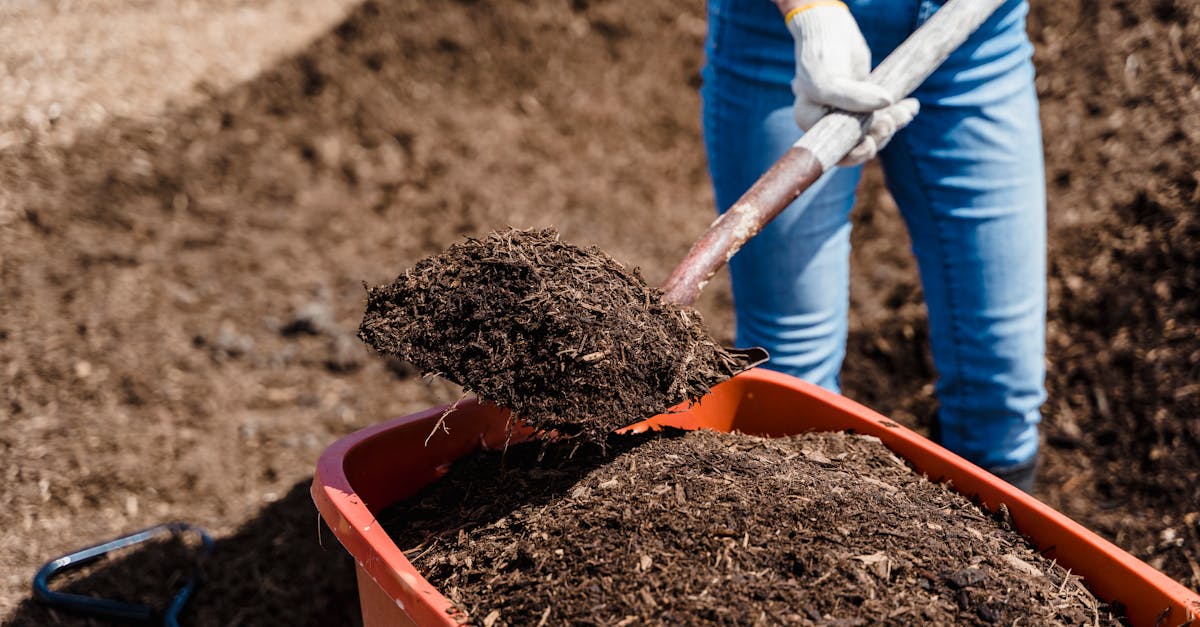
Setting Up Your Composting System
Once you have gathered your materials, it’s time to set up your composting system on your balcony. Here are some practical instructions to ensure proper drainage, ventilation, and exposure to sunlight:
1. Choose a location: Select a spot on your balcony that receives plenty of sunlight and has good air circulation. Avoid placing your composter in a corner or against a wall, as this can restrict airflow and lead to odors.
2. Prepare the base: If you are using a compost bin, place it on a level surface and add a layer of drainage material to the bottom, such as gravel or broken pottery. This will help to prevent waterlogging and ensure proper drainage.
3. Add your materials: Start by adding a layer of brown materials to the bottom of your composter. This will help to absorb moisture and provide a base for the compost pile. Then, add a layer of green materials. Continue alternating layers of green and brown materials until the composter is full.
4. Water your compost: Compost needs moisture to break down, but it’s important to avoid overwatering. Water your compost pile lightly until it is damp but not soggy.
5. Monitor your compost: Once your compost pile is set up, it’s important to monitor it regularly. Turn the compost pile every few days to aerate it and prevent it from becoming anaerobic. You can also check the moisture level and add water as needed.
5. Maintaining Your Compost Bin
Maintaining Your Compost Bin
To ensure that your compost bin is functioning properly and producing nutrient-rich compost, it’s important to maintain it regularly. Here are some tips:
1. Monitor moisture levels: Compost needs moisture to break down, but it’s important to avoid overwatering. The ideal moisture level for compost is about 50%, which is similar to the dampness of a wrung-out sponge. If your compost is too dry, it will slow down the composting process. If your compost is too wet, it can become anaerobic and produce odors.
2. Turn your compost regularly: Turning your compost pile every few days helps to aerate it and prevent it from becoming anaerobic. Aeration is important because it allows oxygen to reach the microorganisms that are breaking down the organic matter.
3. Prevent pests and odors: To prevent pests and odors from becoming a problem, it’s important to keep your compost bin covered. You can also add a layer of finished compost or soil to the top of your compost pile to help suppress odors.
4. Troubleshooting common problems: If you are having problems with your compost bin, here are a few troubleshooting tips:
- If your compost is too wet, add more brown materials and turn it more frequently.
- If your compost is too dry, add more water and turn it more frequently.
- If your compost is smelly, it may be anaerobic. Turn it more frequently and add more brown materials.
6. Using Your Compost
Using Your Compost
Once your compost is finished, it’s time to use it to enrich the soil of your balcony garden. Compost can be used to improve the soil structure, drainage, and fertility of your garden soil. It can also help to suppress plant diseases and pests.
1. How to use compost: Compost can be used in a variety of ways in your balcony garden. Here are a few tips:
- Add compost to your potting mix: When potting up your plants, add a handful of compost to the potting mix. This will help to improve the soil structure and fertility.
- Top-dress your plants: Top-dressing your plants with compost is a great way to give them a boost of nutrients. Simply sprinkle a layer of compost around the base of your plants.
- Make compost tea: Compost tea is a liquid fertilizer that can be used to water your plants. To make compost tea, simply steep a handful of compost in a bucket of water for a few days.
2. Benefits of using compost: Compost provides a number of benefits for your balcony garden, including:
- Improves soil structure and drainage
- Increases soil fertility
- Suppresses plant diseases and pests
- Promotes plant growth and overall garden health
3. How much compost to use: The amount of compost you use will vary depending on the size of your garden and the condition of your soil. A good rule of thumb is to add a 1-2 inch layer of compost to your garden soil each year.
Quiz
1. True or False: Composting helps to reduce waste and enhance soil quality.
2. Which of the following is NOT a benefit of composting?
(a) Improves soil structure (b) Enhances water retention (c) Reduces the need for chemical fertilizers (d) Attracts pests
3. What is the ideal ratio of green to brown materials for composting?
(a) 1:1 (b) 1:2 (c) 2:1 (d) 3:1
4. True or False: It is important to turn your compost pile regularly to prevent it from becoming anaerobic.
5. What is the best way to use finished compost in your balcony garden?
(a) Add it to your potting mix (b) Top-dress your plants (c) Make compost tea (d) All of the above
Answer Key
- True
- (d) Attracts pests
- (b) 1:2
- True
- (d) All of the above }
Unlock the Greenery Potential of Your Balcony: A Guide to Thriving Plants in Compact Spaces Attention all balcony-dwelling plant enthusiasts! Read more
Transform Your Balcony into a Flourishing Garden Oasis: A Step-by-Step Guide Beginning a balcony garden can be a fulfilling endeavor, Read more
Unlocking the Potential of Vertical Gardening on Balconies Are you tired of your cramped balcony but still longing for a Read more
Aromatic Delights: Cultivating Herbs on Your Balcony Oasis Whether you're a seasoned gardener or just starting out, growing herbs on Read more