
The Art of Balcony Gardening: A Step-by-Step Guide to Success in Direct Sunlight
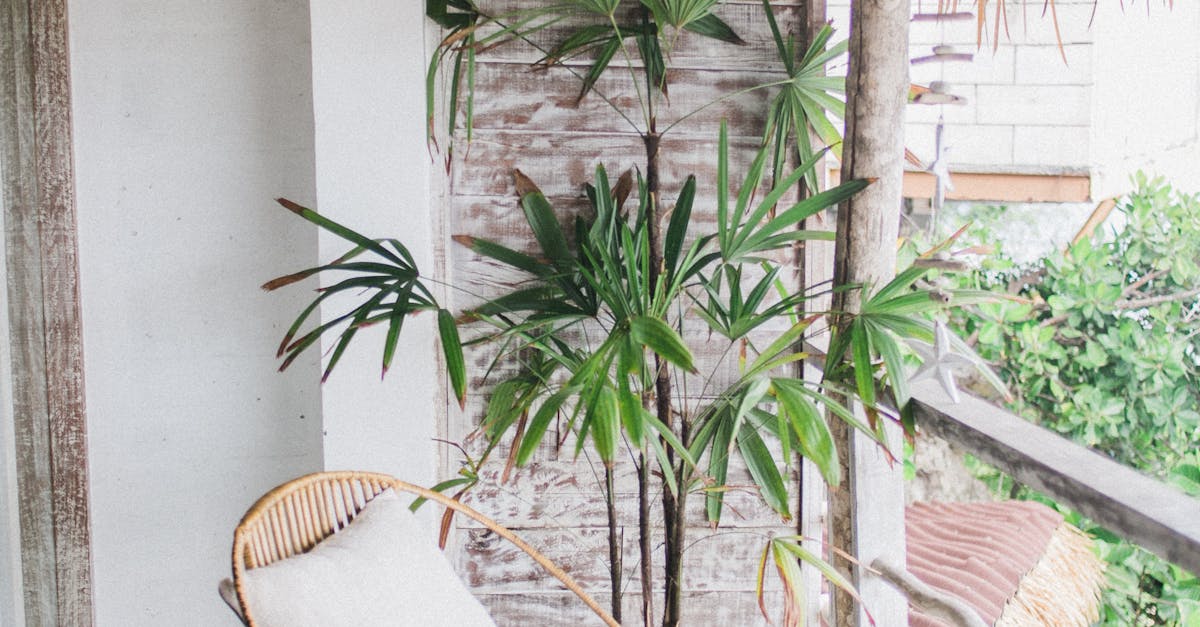
Enliven Your Balcony with a Thriving Oasis under Direct Sunlight
Transform your sun-kissed balcony into a flourishing sanctuary with our comprehensive guide designed specifically for maximizing plant growth in direct sunlight. Discover the secrets to selecting sun-tolerant plants, choosing optimal containers, and implementing effective watering techniques. We’ll also delve into additional care tips and troubleshooting strategies to ensure your balcony garden thrives under the golden rays of the sun.
Harness the power of direct sunlight to create a vibrant and resilient balcony garden. Embrace the challenge and reap the rewards of a flourishing oasis that brings beauty and vitality to your outdoor space. Dive into our expert insights and practical tips, and let your balcony become a botanical haven where sun-loving plants thrive and your gardening dreams take flight.
1. Understanding Sunlight Exposure
Understanding Sunlight Exposure: The Key to Plant Selection
Sunlight is the lifeblood of plants, but not all plants can tolerate the same amount of direct sun exposure. When creating a balcony garden, it’s crucial to understand the sunlight conditions on your balcony and select plants accordingly.
1. Determining Sunlight Intensity and Duration
The intensity of sunlight is measured in foot-candles (fc). Most plants prefer sunlight intensity between 500 and 2,000 fc. You can measure the sunlight intensity on your balcony using a light meter or a smartphone app.
The duration of sunlight refers to the number of hours your balcony receives direct sunlight each day. Most sun-loving plants need at least 6 hours of direct sunlight per day.
2. Selecting Plants for Direct Sunlight Exposure
Once you know the sunlight conditions on your balcony, you can start selecting plants that are well-suited to those conditions. Some popular sun-tolerant plants include:
- Vegetables: Tomatoes, peppers, cucumbers, squash, eggplant
- Herbs: Basil, thyme, oregano, rosemary, lavender
- Flowers: Sunflowers, zinnias, marigolds, petunias
By choosing plants that are adapted to the sunlight conditions on your balcony, you can increase their chances of success and create a vibrant and thriving garden.
2. Choosing the Right Plants

Choosing the Right Plants for Direct Sunlight
Not all plants are created equal when it comes to tolerating direct sunlight. Some plants, like succulents and cacti, thrive in full sun, while others, like ferns and mosses, prefer shadier conditions. When choosing plants for your balcony garden, it’s important to select species that are well-suited to the amount of sunlight your balcony receives.
1. Consider Your Balcony’s Sunlight Conditions
Before you start shopping for plants, take some time to observe the sunlight conditions on your balcony. How many hours of direct sunlight does your balcony receive each day? Is the sunlight intense or filtered? Once you know the sunlight conditions, you can start narrowing down your plant choices.
2. Choose Sun-Tolerant Plants
If your balcony receives a lot of direct sunlight, you’ll need to choose plants that are tolerant of these conditions. Some popular sun-tolerant plants include:
- Vegetables: Tomatoes, peppers, cucumbers, squash, eggplant
- Herbs: Basil, thyme, oregano, rosemary, lavender
- Flowers: Sunflowers, zinnias, marigolds, petunias
3. Consider Other Factors
In addition to sunlight, you’ll also need to consider other factors when choosing plants for your balcony garden, such as the size of your balcony, the type of containers you’re using, and your personal preferences. By taking all of these factors into account, you can choose the right plants for your balcony and create a beautiful and thriving garden.
Sun-Tolerant Vegetables
Sun-Tolerant Vegetables: Thriving in Direct Sunlight
If you’re looking to grow vegetables on your sunny balcony, there are many sun-tolerant varieties to choose from. These vegetables are well-adapted to withstand the intense heat and UV rays of direct sunlight, making them ideal for balcony gardens.
Some popular sun-tolerant vegetables include:
- Tomatoes: Tomatoes are a classic choice for balcony gardens, and there are many varieties that are well-suited to direct sunlight. Choose determinate varieties, which are more compact and produce fruit all at once, rather than indeterminate varieties, which continue to grow and produce fruit over a longer period of time.
- Peppers: Peppers are another popular choice for sunny balconies. There are many different types of peppers to choose from, including bell peppers, chili peppers, and jalapeños.
- Cucumbers: Cucumbers are a refreshing and easy-to-grow vegetable that is well-suited to direct sunlight. Choose varieties that are resistant to powdery mildew, a common disease that can affect cucumbers.
- Squash: Squash is a versatile vegetable that can be used in a variety of dishes. There are many different types of squash to choose from, including zucchini, yellow squash, and butternut squash. All of these varieties are tolerant of direct sunlight.
- Eggplant: Eggplant is a unique and flavorful vegetable that is well-suited to warm climates. Choose varieties that are compact and have a high yield, such as ‘Black Beauty’ or ‘Ichiban’.
By choosing sun-tolerant vegetables, you can increase your chances of success when growing vegetables on your balcony. These vegetables are resilient and can withstand the harsh conditions of direct sunlight, making them ideal for balconies that receive a lot of sun.
Heat-Tolerant Herbs
Heat-Tolerant Herbs: Thriving in the Sun’s Embrace
If you’re looking to add some flavor and fragrance to your sunny balcony, heat-tolerant herbs are a great choice. These herbs are well-adapted to withstand the intense heat and UV rays of direct sunlight, making them ideal for balcony gardens that receive a lot of sun.
Some popular heat-tolerant herbs include:
- Basil: Basil is a classic culinary herb that is known for its sweet and fragrant leaves. It is a popular ingredient in Italian and Mediterranean dishes.
- Thyme: Thyme is a versatile herb that can be used in a variety of dishes, from savory to sweet. It has a slightly peppery flavor and is often used in soups, stews, and marinades.
- Oregano: Oregano is another popular culinary herb that is known for its strong, aromatic flavor. It is often used in Italian and Mexican dishes.
- Rosemary: Rosemary is a woody herb that has a distinctive piney flavor. It is often used in Mediterranean dishes and can also be used to make rosemary tea.
- Lavender: Lavender is a beautiful and fragrant herb that is often used in sachets and potpourris. It can also be used in culinary dishes, such as desserts and salads.
By choosing heat-tolerant herbs, you can enjoy fresh herbs all season long, even on the sunniest balconies. These herbs are resilient and can withstand the harsh conditions of direct sunlight, making them ideal for balconies that receive a lot of sun.
Low-Maintenance Flowers
Low-Maintenance Flowers: Beauty with Minimal Effort
If you’re looking to add some color and beauty to your sunny balcony without a lot of fuss, low-maintenance flowers are a great choice. These flowers are well-adapted to withstand the intense heat and UV rays of direct sunlight, and they require minimal care to thrive.
Some popular low-maintenance flowers that tolerate direct sunlight include:
- Sunflowers: Sunflowers are a classic choice for sunny balconies. They are easy to grow and produce large, cheerful flowers that attract pollinators.
- Zinnias: Zinnias are another popular choice for sunny balconies. They come in a wide range of colors and bloom profusely all summer long.
- Marigolds: Marigolds are a great choice for sunny balconies because they are both beautiful and pest-resistant. They produce bright, cheerful flowers that bloom all summer long.
- Petunias: Petunias are a versatile flowering plant that can be grown in hanging baskets, window boxes, or containers. They produce a profusion of blooms in a variety of colors.
- Geraniums: Geraniums are a classic choice for sunny balconies because they are both beautiful and easy to care for. They produce clusters of brightly colored flowers all summer long.
By choosing low-maintenance flowers, you can enjoy beautiful blooms all season long without a lot of work. These flowers are resilient and can withstand the harsh conditions of direct sunlight, making them ideal for balconies that receive a lot of sun.
3. Selecting Suitable Containers
Selecting Suitable Containers: A Foundation for Plant Success
Choosing the right containers for your balcony garden is essential for the health and productivity of your plants. Containers provide support, drainage, and a place for roots to grow. When selecting containers, there are a few key factors to consider:
1. Plant Size and Root Development
The size of the container you choose should be appropriate for the size of the plant and its root system. Small plants with shallow roots can be grown in smaller containers, while larger plants with deep roots will need larger containers.
2. Drainage
Good drainage is essential for preventing root rot and other problems. Choose containers with drainage holes in the bottom to allow excess water to drain out. You can also place a layer of gravel or pebbles at the bottom of the container to improve drainage.
3. Material
Containers are made from a variety of materials, including plastic, terracotta, and wood. Each material has its own advantages and disadvantages.
- Plastic containers are lightweight and inexpensive, but they can crack or fade in the sun.
- Terracotta containers are porous, which allows air and water to circulate around the roots. However, they can be heavy and expensive.
- Wooden containers are durable and attractive, but they can rot or warp if they are not properly sealed.
4. Style
The style of the container you choose is a matter of personal preference. However, it is important to choose containers that complement the style of your balcony and the plants you are growing.
Container Materials
Container Materials: Choosing the Right One for Sunny Conditions
When choosing containers for your balcony garden, the material you choose is important. Different materials have different properties that can affect plant growth, especially in sunny conditions.
1. Plastic
Plastic containers are a popular choice for balcony gardens because they are lightweight, inexpensive, and durable. They are also available in a variety of shapes and sizes. However, plastic containers can heat up quickly in the sun, which can damage roots. To prevent this, choose plastic containers that are light-colored or have UV protection.
2. Terracotta
Terracotta containers are made from clay that has been fired at a high temperature. They are porous, which allows air and water to circulate around the roots. Terracotta containers are also heavy, which can make them difficult to move. However, they are durable and can withstand the heat of the sun.
3. Wood
Wooden containers are a beautiful and natural choice for balcony gardens. They are durable and can withstand the elements, but they can be expensive. Wooden containers can also rot or warp if they are not properly sealed.
4. Other Materials
Other materials that can be used for containers include metal, fabric, and recycled materials. Metal containers can heat up quickly in the sun, so it is important to choose ones that are painted or coated to protect the roots. Fabric containers are lightweight and inexpensive, but they are not as durable as other materials. Recycled materials can be a sustainable choice, but they may not be as durable as other materials.
When choosing a container material for your balcony garden, consider the size and type of plants you are growing, the amount of sunlight your balcony receives, and your budget.
Drainage Considerations
Drainage Considerations: Preventing Waterlogging in Sunny Conditions
Proper drainage is essential for healthy plant growth, especially in sunny conditions. When soil is waterlogged, it can lead to root rot and other problems. There are a few things you can do to ensure proper drainage in your balcony garden:
1. Choose Containers with Drainage Holes
The first step is to choose containers with drainage holes in the bottom. This will allow excess water to drain out of the container and prevent the soil from becoming waterlogged.
2. Add a Layer of Gravel or Pebbles
You can also improve drainage by adding a layer of gravel or pebbles to the bottom of the container. This will create a space for excess water to drain into and help to aerate the soil.
3. Use a Well-Draining Soil Mix
The type of soil you use can also affect drainage. Choose a well-draining soil mix that is specifically designed for container gardening. These mixes typically contain a combination of peat moss, perlite, and vermiculite, which help to improve drainage and aeration.
4. Water Carefully
It is important to water your plants carefully, especially in sunny conditions. Avoid overwatering, as this can lead to waterlogging. Allow the soil to dry out slightly between waterings.
5. Monitor Your Plants
Monitor your plants regularly for signs of waterlogging, such as yellowing leaves or wilting. If you see any signs of waterlogging, adjust your watering schedule or make other changes to improve drainage.
4. Optimal Watering Techniques
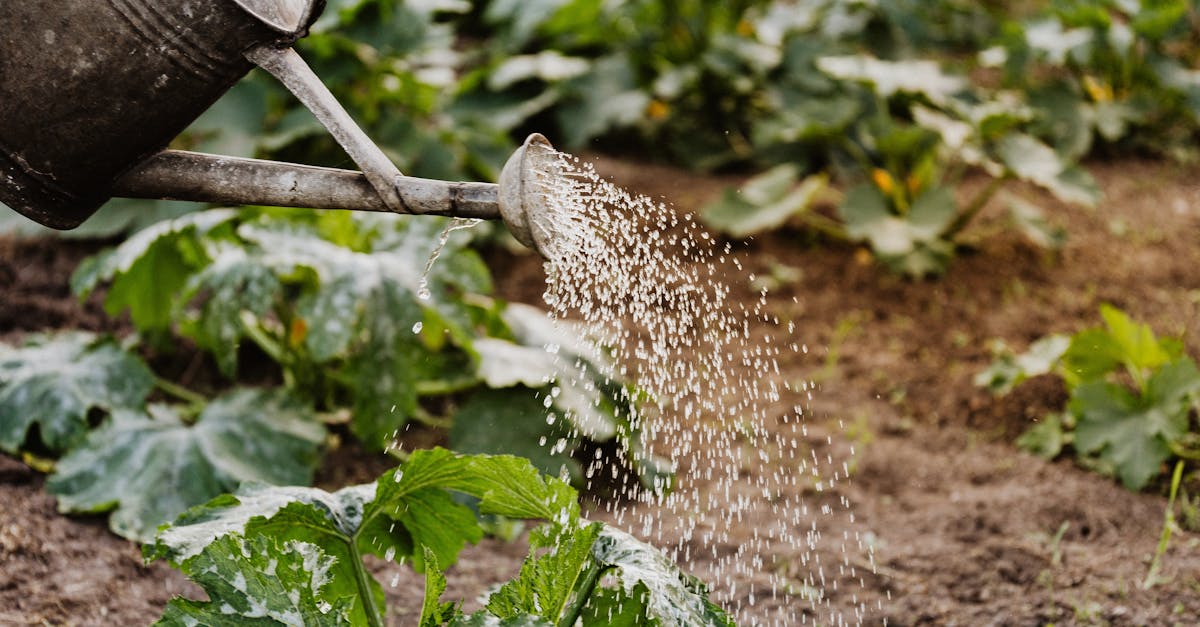
Optimal Watering Techniques: Tailoring to Plant Needs and Sunlight Exposure
Watering is essential for plant growth, but it is important to water your plants correctly. Overwatering can be just as harmful as underwatering. The amount of water your plants need will vary depending on a number of factors, including the type of plant, the size of the plant, the size of the container, and the amount of sunlight the plant receives.
1. Determining Water Needs
The first step is to determine how much water your plants need. This will vary depending on the factors listed above. A good rule of thumb is to water your plants when the top inch of soil is dry to the touch. You can also use a moisture meter to check the moisture level of the soil.
2. Watering Frequency and Duration
The frequency and duration of watering will also vary depending on the factors listed above. In general, you will need to water your plants more frequently in hot, sunny weather than in cool, cloudy weather. You will also need to water your plants more frequently if they are in small containers than if they are in large containers.
3. Adjusting for Sunlight Exposure
Plants that are exposed to direct sunlight will need to be watered more frequently than plants that are in the shade. This is because the sun dries out the soil more quickly.
4. Signs of Overwatering and Underwatering
It is important to be able to recognize the signs of overwatering and underwatering. Overwatered plants will have yellowing leaves, wilting, and stunted growth. Underwatered plants will have dry, crispy leaves and stunted growth.
5. Watering Tips
Here are a few tips for watering your plants:
- Water your plants at the base of the plant, avoiding the leaves.
- Water your plants slowly and deeply, allowing the water to penetrate the soil.
- Avoid overwatering your plants.
Determining Water Needs
Determining Water Needs: Tailoring to Plant Requirements
The amount of water your plants need will vary depending on a number of factors, including the size of the plant, the type of plant, and the weather conditions.
1. Plant Size
Larger plants will need more water than smaller plants. This is because larger plants have more leaves and a larger root system, which both require water.
2. Plant Type
Different types of plants have different water requirements. For example, succulents need less water than tropical plants. This is because succulents have thick, fleshy leaves that store water. Tropical plants, on the other hand, have thin, delicate leaves that lose water more easily.
3. Weather Conditions
The weather conditions will also affect how much water your plants need. In hot, dry weather, plants will need to be watered more frequently than in cool, humid weather. This is because the heat and wind can cause the soil to dry out more quickly.
4. Other Factors
Other factors that can affect water needs include the size of the container, the type of soil, and the amount of sunlight the plant receives.
5. Signs of Overwatering and Underwatering
It is important to be able to recognize the signs of overwatering and underwatering. Overwatered plants will have yellowing leaves, wilting, and stunted growth. Underwatered plants will have dry, crispy leaves and stunted growth.
6. Tips for Determining Water Needs
Here are a few tips for determining how much water your plants need:
- Check the soil moisture regularly. The soil should be moist, but not soggy.
- Use a moisture meter to measure the moisture level of the soil.
- Observe your plants for signs of overwatering or underwatering.
- Adjust your watering schedule based on the factors listed above.
Watering Frequency and Duration
Watering Frequency and Duration: Striking the Right Balance
The frequency and duration of watering will vary depending on a number of factors, including the size of the plant, the type of plant, the size of the container, and the amount of sunlight the plant receives.
1. General Guidelines
As a general rule of thumb, you should water your plants when the top inch of soil is dry to the touch. You can also use a moisture meter to check the moisture level of the soil.
2. Frequency
In general, you will need to water your plants more frequently in hot, sunny weather than in cool, cloudy weather. You will also need to water your plants more frequently if they are in small containers than if they are in large containers.
3. Duration
When you water your plants, water them slowly and deeply, allowing the water to penetrate the soil. Avoid watering your plants for short periods of time, as this will only wet the surface of the soil and encourage shallow root growth.
4. Direct Sunlight
Plants that are exposed to direct sunlight will need to be watered more frequently than plants that are in the shade. This is because the sun dries out the soil more quickly.
5. Signs of Overwatering and Underwatering
It is important to be able to recognize the signs of overwatering and underwatering. Overwatered plants will have yellowing leaves, wilting, and stunted growth. Underwatered plants will have dry, crispy leaves and stunted growth.
6. Tips for Watering
Here are a few tips for watering your plants:
- Water your plants at the base of the plant, avoiding the leaves.
- Water your plants slowly and deeply, allowing the water to penetrate the soil.
- Avoid overwatering your plants.
5. Additional Care Tips
Additional Care Tips: Enhancing Plant Health and Productivity
In addition to watering and fertilizing, there are a few other things you can do to enhance the health and productivity of your plants in direct sunlight:
1. Protect from Pests
Pests can be a major problem for balcony gardens, especially in direct sunlight. Aphids, spider mites, and whiteflies are all common pests that can damage plants. To protect your plants from pests, you can use a variety of methods, such as:
- Companion planting: Planting certain plants together can help to deter pests. For example, planting basil next to tomatoes can help to repel aphids.
- Natural pest control: There are a number of natural methods you can use to control pests, such as insecticidal soap or neem oil.
- Physical barriers: You can also use physical barriers, such as row covers or netting, to keep pests away from your plants.
2. Provide Support
Some plants, such as tomatoes and cucumbers, need support to grow properly. You can provide support by using stakes, cages, or trellises.
3. Mulch
Mulching around your plants can help to retain moisture, suppress weeds, and regulate soil temperature.
4. Deadhead
Deadheading, or removing spent flowers, can help to encourage new growth and flowering.
5. Prune
Pruning can help to shape your plants and improve air circulation.
By following these additional care tips, you can help to ensure that your plants thrive in direct sunlight.
Fertilizing Strategies
Fertilizing Strategies: Nourishing Plants in Sunny Conditions
Fertilizing your balcony plants is essential for providing them with the nutrients they need to grow and thrive, especially in sunny conditions. Here are a few safe and effective fertilizing strategies:
1. Choose the Right Fertilizer
The type of fertilizer you choose will depend on the specific needs of your plants. For general fertilizing, a balanced fertilizer with equal amounts of nitrogen, phosphorus, and potassium (NPK) is a good option. You can also use specific fertilizers for different types of plants, such as tomato fertilizer or rose fertilizer.
2. Follow the Instructions
Always follow the instructions on the fertilizer label carefully. Over-fertilizing can damage your plants, so it is important to use the correct amount.
3. Fertilize Regularly
Fertilize your plants regularly throughout the growing season, according to the instructions on the fertilizer label. In general, you will need to fertilize your plants more frequently in sunny conditions than in shady conditions.
4. Water Before Fertilizing
Water your plants before fertilizing them. This will help to prevent the fertilizer from burning the roots of your plants.
5. Fertilize at the Base of the Plant
When fertilizing your plants, apply the fertilizer at the base of the plant, avoiding the leaves.
6. Use Organic Fertilizers
Organic fertilizers are a good option for balcony gardens because they are gentle on plants and the environment. Some popular organic fertilizers include compost, manure, and fish emulsion.
By following these fertilizing strategies, you can help to ensure that your balcony plants have the nutrients they need to thrive in sunny conditions.
Pest Management
Pest Management: Protecting Balcony Gardens from Pests
Pests can be a major problem for balcony gardens, especially in sunny conditions. Aphids, spider mites, and whiteflies are all common pests that can damage plants. However, there are a number of eco-friendly strategies you can use to control pests:
1. Companion Planting
Companion planting is a technique that involves planting certain plants together to deter pests. For example, planting basil next to tomatoes can help to repel aphids.
2. Natural Pest Control
There are a number of natural products you can use to control pests, such as insecticidal soap or neem oil. These products are safe for use on plants and the environment.
3. Physical Barriers
You can also use physical barriers, such as row covers or netting, to keep pests away from your plants.
4. Biological Control
Biological control involves using beneficial insects to control pests. For example, ladybugs can be used to control aphids.
5. Maintaining a Healthy Garden
One of the best ways to prevent pests is to maintain a healthy garden. This means watering your plants regularly, fertilizing them, and removing any dead or diseased leaves.
By following these eco-friendly pest management strategies, you can help to protect your balcony garden from pests and ensure that your plants thrive.
Sunburn Protection
Sunburn Protection: Shielding Plants from the Sun’s Rays
Sunburn can be a major problem for plants, especially in sunny climates. The sun’s rays can damage the leaves of plants, causing them to turn brown and crispy. In severe cases, sunburn can even kill plants.
There are a few things you can do to protect your plants from sunburn:
1. Partial Shading
One of the best ways to protect your plants from sunburn is to provide them with partial shade. You can do this by using a shade cloth, a遮阳帆,or by placing your plants under a tree or other structure that provides shade.
2. Reflective Paint
You can also use reflective paint to protect your plants from sunburn. Reflective paint is a white paint that reflects the sun’s rays away from plants. This can help to keep your plants cooler and prevent sunburn.
3. Water Regularly
Watering your plants regularly will also help to protect them from sunburn. Water helps to cool the leaves of plants and prevent them from drying out.
4. Avoid Fertilizing in Hot Weather
Fertilizing your plants in hot weather can also make them more susceptible to sunburn. This is because fertilizer can cause plants to grow more quickly, which can make their leaves more tender and vulnerable to sunburn.
By following these tips, you can help to protect your plants from sunburn and ensure that they thrive in sunny conditions.
Quiz: Test Your Balcony Gardening Knowledge
-
True or False: All plants can tolerate the same amount of direct sunlight exposure.
-
Which of the following is NOT a benefit of choosing sun-tolerant vegetables for a balcony garden?
(a) Increased yield
(b) Reduced maintenance
(c) Resistance to pests
-
Which of the following is a heat-tolerant herb that can be grown in sunny conditions?
(a) Parsley
(b) Basil
(c) Mint
-
True or False: Plastic containers are the best choice for balcony gardens in sunny conditions.
-
Which of the following is a sign of overwatering?
(a) Yellowing leaves
(b) Wilting
(c) Stunted growth
Answer Key:
- False
- (a) Increased yield
- (b) Basil
- False
- (a) Yellowing leaves
Answer Key:
-
False: Not all plants can tolerate the same amount of direct sunlight exposure; some plants prefer shade or partial shade.
-
(a) Increased yield: Sun-tolerant vegetables are chosen for their ability to withstand direct sunlight and produce good yields even in sunny conditions.
-
(b) Basil: Basil is a heat-tolerant herb that thrives in sunny conditions and is often used in Mediterranean and Italian cuisine.
-
False: Plastic containers can heat up quickly in the sun, which can damage roots. Terracotta or wooden containers are better choices for sunny conditions.
-
(a) Yellowing leaves: Yellowing leaves can be a sign of overwatering, as excess moisture can lead to root rot and nutrient deficiencies.
Unlock the Greenery Potential of Your Balcony: A Guide to Thriving Plants in Compact Spaces Attention all balcony-dwelling plant enthusiasts! Read more
Transform Your Balcony into a Flourishing Garden Oasis: A Step-by-Step Guide Beginning a balcony garden can be a fulfilling endeavor, Read more
Unlocking the Potential of Vertical Gardening on Balconies Are you tired of your cramped balcony but still longing for a Read more
Aromatic Delights: Cultivating Herbs on Your Balcony Oasis Whether you're a seasoned gardener or just starting out, growing herbs on Read more