
From Stress Relief to Creative Inspiration: Unveiling the Benefits of a Balcony Garden for Mindfulness

Unwind and Rejuvenate: Create Your Own Mindful Balcony Oasis
Who says you need a vast backyard to reap the benefits of nature’s tranquility? Even the smallest of urban balconies can be transformed into a serene haven, designed specifically to support your mindfulness and meditation practices. Escape the hustle and bustle within the comfort of your own home, surrounded by the beauty and calming effects of nature. Whether you seek to reduce stress, elevate your mood, stimulate creativity, or simply find a sanctuary for inner peace, this guide will help you create a balcony garden that nurtures your well-being.
As you embark on this journey of creating your own mindful oasis, embrace the power of nature to promote relaxation and tranquility. Let the gentle whispers of the wind rustling through the leaves become your mantra, and allow the vibrant colors of blooming flowers to uplift your spirits. Engage your senses with the aromatic scents of fragrant plants, and let the soothing sounds of a nearby water feature lull you into a state of deep relaxation.
1. The Benefits of a Balcony Garden for Mindfulness and Meditation
The Benefits of a Balcony Garden for Mindfulness and Meditation
A balcony garden offers a unique opportunity to experience the transformative benefits of nature within the confines of your own home. Studies have consistently demonstrated the positive impact of green spaces on our mental and emotional well-being, making a balcony garden an ideal haven for cultivating mindfulness and meditation practices.
Stress Reduction: Spending time in nature has been scientifically proven to reduce stress levels. The presence of plants, the gentle breeze, and the natural soundscape of a balcony garden create a calming and restorative environment. Engaging with nature through gardening activities, such as tending to plants or simply observing the surroundings, can effectively alleviate tension and promote relaxation.
Improved Mood: Exposure to sunlight and fresh air are essential for maintaining a positive mood. A balcony garden provides a dedicated outdoor space where you can soak up the sun’s rays and breathe in the invigorating outdoor air. Research has shown that spending time in green spaces can boost serotonin levels, a neurotransmitter associated with happiness and well-being. The vibrant colors and fragrant scents of plants can further uplift your spirits and create a sense of tranquility.
Stress Reduction
Stress Reduction: Nature’s Antidote to Stress
Numerous scientific studies have demonstrated the remarkable ability of nature to reduce stress levels and promote relaxation. Spending time in green spaces, such as parks, forests, or even your own balcony garden, has been shown to have a calming effect on the mind and body.
One of the primary mechanisms through which nature reduces stress is by lowering levels of the stress hormone cortisol. Cortisol is released in response to stressful situations and can lead to a range of negative health effects, including increased blood pressure, heart rate, and anxiety. Exposure to nature has been shown to effectively reduce cortisol levels, promoting a sense of calm and relaxation.
Additionally, nature provides a welcome distraction from daily stressors. The beauty and tranquility of natural surroundings can help to take our minds off our worries and focus on the present moment. Engaging with nature through activities such as gardening, hiking, or simply sitting in a park can provide a much-needed respite from the demands of modern life, allowing us to recharge and rejuvenate.
Improved Mood
Improved Mood: Nature’s Mood Booster
Exposure to sunlight and fresh air has been scientifically proven to have a positive impact on our mood and overall well-being. Sunlight is a natural source of vitamin D, which is essential for maintaining healthy brain function and mood regulation. Studies have shown that people who spend more time outdoors have higher levels of vitamin D and experience fewer symptoms of depression.
Fresh air also plays a vital role in mood enhancement. When we breathe in fresh air, our lungs take in more oxygen, which is then distributed throughout the body, including the brain. This increased oxygen supply can help to improve cognitive function, reduce fatigue, and boost mood. Additionally, the negative ions present in fresh air have been shown to have a calming and uplifting effect on the mind.
Spending time in nature, whether it’s in a park, forest, or on your own balcony garden, can provide a much-needed mood boost. The beauty and tranquility of natural surroundings can help to lift our spirits and reduce feelings of stress and anxiety. Engaging in outdoor activities, such as gardening, hiking, or simply relaxing in a hammock, can further enhance our mood and promote a sense of well-being.
Boosted Creativity
Boosted Creativity: Nature’s Spark for Innovation
Research has consistently shown that being surrounded by nature can enhance creativity and problem-solving abilities. Nature provides a rich and stimulating environment that encourages us to think outside the box and explore new perspectives.
One of the ways in which nature boosts creativity is by reducing stress and anxiety. As we discussed earlier, spending time in nature has been shown to lower cortisol levels and promote relaxation. This reduction in stress can free up our minds and allow us to think more creatively. Additionally, the beauty and tranquility of nature can provide a sense of inspiration and wonder, which can further stimulate our creative thinking.
Furthermore, nature offers a wealth of sensory experiences that can trigger new ideas and insights. The sights, sounds, smells, and textures of the natural world can engage our senses and help us to see things from different perspectives. By observing and interacting with nature, we can gain new knowledge and understanding that can be applied to our creative endeavors.
2. How to Choose the Right Plants for Your Balcony Garden

How to Choose the Right Plants for Your Balcony Garden
When selecting plants for your balcony garden, it’s crucial to consider the specific conditions of your space. The amount of sunlight and the available space will play a significant role in determining which plants will thrive in your garden.
Sun Exposure: Different plants have varying sunlight requirements. Some plants, like tomatoes and peppers, need full sun, meaning they require at least six hours of direct sunlight per day. Others, such as ferns and hostas, prefer partial shade or filtered sunlight. It’s important to choose plants that are suited to the amount of sunlight your balcony receives.
Space Requirements: Consider the size of your balcony and choose plants that will fit comfortably without overcrowding the space. Pay attention to the mature size of the plants you select. Some plants, like trees and shrubs, may require more space than you have available, while others, like herbs and succulents, can be grown in smaller containers.
Sun Exposure
Sun Exposure: Consider Your Balcony’s Sunlight Conditions
When choosing plants for your balcony garden, it’s essential to consider the amount of sunlight your balcony receives. Different plants have varying sunlight requirements, and selecting the right ones for your specific conditions will ensure their health and vitality.
Full Sun Plants: Some plants, like tomatoes, peppers, and sunflowers, thrive in full sun. They require a minimum of six hours of direct sunlight per day to grow and produce fruit or flowers. If your balcony receives ample sunlight throughout the day, these sun-loving plants will be a great choice for your garden.
Partial Shade Plants: Other plants, such as ferns, hostas, and begonias, prefer partial shade or filtered sunlight. They can tolerate a few hours of direct sunlight each day, but they need protection from the intense midday sun. Partial shade plants are ideal for balconies that receive morning or afternoon sun, or for areas that are shaded by buildings or trees.
Space Requirements
Space Requirements: Optimizing Your Balcony Garden’s Layout
When selecting plants for your balcony garden, it’s not just about their sunlight preferences, but also about their space requirements. Consider the size of your balcony and choose plants that will fit comfortably without overcrowding the area.
Compact Plants: If your balcony is small, opt for compact plants that won’t take up too much space. Herbs, succulents, and dwarf varieties of vegetables and flowers are all great choices for smaller balconies. Vertical gardening techniques, such as hanging baskets and trellises, can also help you maximize space.
Larger Plants: If you have a larger balcony, you can accommodate larger plants, such as small trees, shrubs, and climbing vines. These plants can provide privacy, shade, and a touch of nature to your outdoor space. However, be sure to consider their mature size and ensure you have enough room for them to grow without becoming overgrown.
Maintenance Level
Maintenance Level: Selecting Plants That Fit Your Lifestyle
When choosing plants for your balcony garden, it’s important to consider the level of maintenance they require. Some plants are relatively low-maintenance, while others need more regular attention. Choose plants that fit your lifestyle and that you will enjoy caring for.
Low-Maintenance Plants: If you’re new to gardening or have a busy schedule, opt for low-maintenance plants that don’t require a lot of time and effort. Succulents, herbs, and certain varieties of flowers, such as marigolds and zinnias, are known for their hardiness and minimal care needs.
Higher-Maintenance Plants: If you have more time to dedicate to your garden, you may choose plants that require more attention. These plants may need regular watering, fertilizing, and pruning. While they may require more effort, they can also bring a greater sense of satisfaction and reward.
3. Creating a Balcony Garden for Mindfulness and Meditation
Creating a Balcony Garden for Mindfulness and Meditation: Fostering a Tranquil Sanctuary
When designing your balcony garden with mindfulness and meditation in mind, it’s crucial to create a space that promotes relaxation and inner peace. Here are some key considerations:
Natural Materials: Incorporate natural materials, such as wood, stone, and bamboo, into your garden’s design. These elements evoke a sense of tranquility and connection to nature, fostering a calming atmosphere conducive to meditation.
Calming Plants: Choose plants with soothing qualities, such as lavender, chamomile, and jasmine. Their fragrant scents and gentle presence can help reduce stress and promote relaxation. Consider incorporating a water feature, such as a small fountain or birdbath, to create a calming soundscape.
Use Natural Materials
Use Natural Materials: Embracing Nature’s Calming Essence
Incorporating natural materials into your balcony garden is essential for creating a calming and inviting atmosphere conducive to mindfulness and meditation. Natural elements have an inherent ability to evoke a sense of tranquility and connection to the outdoors, fostering a serene space for inner peace.
Wood: Incorporate wooden elements, such as benches, planters, or trellises, into your garden’s design. The natural warmth and texture of wood create a cozy and inviting ambiance. Wood also blends seamlessly with the greenery of plants, enhancing the overall aesthetic appeal of your garden.
Stone: Stone elements, such as stepping stones, pathways, or a small fountain, add a touch of elegance and sophistication to your balcony garden. The cool, smooth texture of stone is grounding and calming, providing a stable foundation for your meditation practice.
Add Greenery and Foliage
Add Greenery and Foliage: Nature’s Tranquil Embrace
Introducing greenery and foliage into your balcony garden is a transformative step towards creating a peaceful and rejuvenating sanctuary. Plants possess an inherent ability to purify the air, removing pollutants and toxins, leaving you with a fresh and invigorating atmosphere perfect for mindfulness and meditation.
Air Purification: Plants act as natural air purifiers, absorbing harmful substances from the air. They release oxygen and moisture, creating a healthier and more breathable environment for you to relax and de-stress. Certain plants, such as ferns, spider plants, and peace lilies, are particularly effective in removing toxins like formaldehyde and benzene.
Sense of Peace: The presence of plants can evoke a sense of peace and tranquility. Their lush greenery and vibrant colors have a calming effect on the mind, reducing stress levels and promoting relaxation. The gentle rustling of leaves in the breeze can create a soothing soundscape, further enhancing the meditative ambiance of your balcony garden.
Create a Comfortable Seating Area
Create a Comfortable Seating Area: Your Personal Oasis of Tranquility
For a truly immersive mindfulness and meditation experience in your balcony garden, a comfortable seating area is paramount. It serves as your sanctuary, a place where you can retreat, relax, and connect with your inner self.
Cozy Furniture: Choose comfortable and inviting furniture that encourages you to sink in and unwind. Consider plush cushions, мягкие ткани, and ergonomic designs that support your body and promote relaxation. A hammock or hanging chair can also be a delightful addition, providing a gentle sway that enhances your meditative state.
Serene Ambiance: The ambiance of your seating area should evoke a sense of peace and serenity. Surround yourself with soft lighting, calming colors, and natural elements like wood or stone. Incorporate fragrant plants or essential oil diffusers to create an aromatic atmosphere that further enhances relaxation.
4. Using Your Balcony Garden for Mindfulness Activities
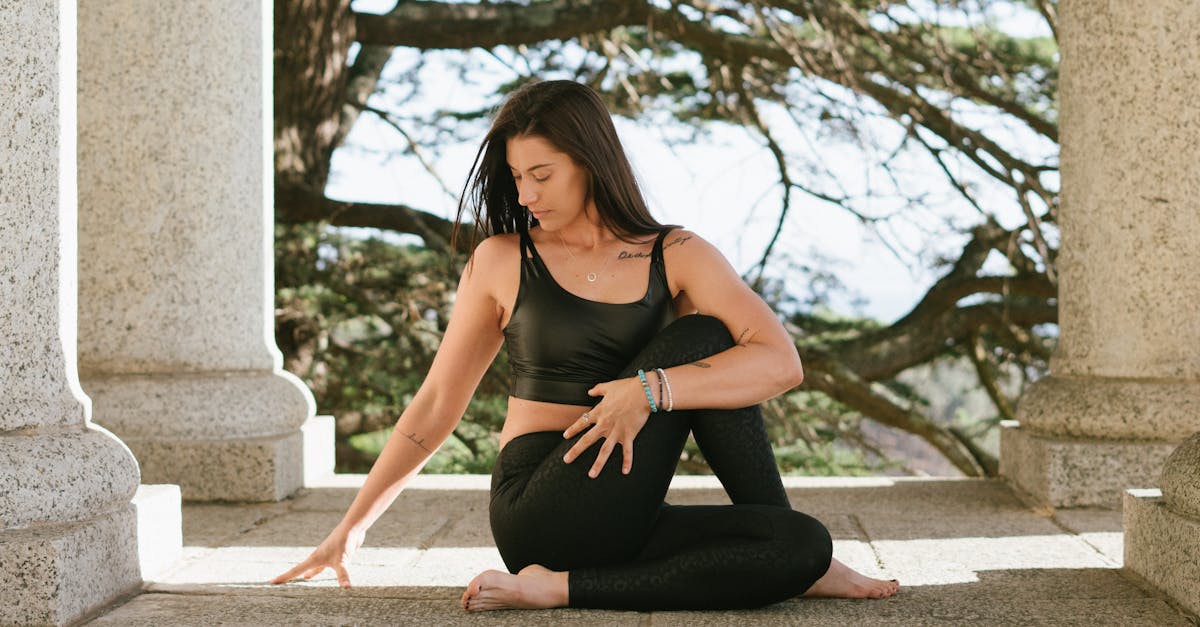
Using Your Balcony Garden for Mindfulness Activities: A Path to Inner Peace and Well-being
Your balcony garden offers a unique space to engage in mindfulness activities that promote inner peace and well-being. Embrace the tranquility of nature and incorporate these practices into your daily routine.
Meditation: Transform your balcony garden into a meditation sanctuary. Find a comfortable spot, close your eyes, and focus on your breath. Let the sounds of nature, the gentle breeze, and the warmth of the sun guide you towards a state of deep relaxation. Meditation helps calm the mind, reduce stress, and enhance self-awareness.
Yoga: Unwind and revitalize with yoga in your balcony garden. The combination of movement, breath, and mindfulness creates a holistic experience. As you flow through poses, surrounded by nature’s beauty, you’ll cultivate flexibility, strength, and mental clarity.
Mindfulness Meditation
Mindfulness Meditation: Cultivating Inner Peace in Your Balcony Oasis
Mindfulness meditation is a powerful practice that involves paying attention to the present moment without judgment. It’s a simple yet profound practice that can be easily incorporated into your balcony garden routine.
Present Moment Awareness: Find a comfortable spot in your garden, close your eyes, and bring your attention to your breath. Observe the rise and fall of your chest, the sensation of the air passing through your nostrils. Notice any thoughts or emotions that arise, without judgment or attachment. Gently return your focus to your breath each time your mind wanders.
Sensations in Your Body: Expand your awareness to include the sensations in your body. Feel the ground beneath you, the sun’s warmth on your skin, the gentle breeze caressing your hair. Scan your body from head to toe, noticing any areas of tension or relaxation. Allow these sensations to be present without trying to change or control them.
Yoga
Yoga: A Journey of Mindful Movement in Your Balcony Garden
Yoga, an ancient mind-body practice, offers a harmonious blend of physical postures, breathing exercises, and meditation. Incorporating yoga into your balcony garden routine can deepen your connection to nature and enhance your overall well-being.
Guided Practice: Begin by following along with a guided yoga video. Choose a sequence that resonates with your current mood and energy level. Let the instructor’s voice guide you through each pose, paying attention to proper alignment and breath. As you move through the sequence, focus on connecting your mind and body, cultivating a sense of unity and balance.
Intuitive Movement: If you prefer a more intuitive approach, simply move your body in a way that feels good. Listen to your body’s wisdom and allow yourself to explore different postures and stretches. Engage your breath throughout your practice, coordinating it with your movements. Let the fresh air and natural surroundings enhance your yoga experience, fostering a deeper connection to the present moment.
Nature Journaling
Nature Journaling: Capturing the Essence of Your Balcony Garden
Nature journaling is a contemplative practice that invites you to connect deeply with the natural world of your balcony garden. By observing, recording, and reflecting on your experiences, you can cultivate a greater appreciation for the beauty and diversity that surrounds you.
Sensory Observations: Begin by engaging your senses as you explore your garden. Notice the vibrant colors of flowers, the intricate patterns on leaves, and the delicate textures of petals. Listen to the songs of birds, the buzzing of insects, and the rustling of leaves in the breeze. Capture these sensory experiences in your journal through writing, sketches, or a combination of both.
Reflective Insights: As you record your observations, take time to reflect on your experiences. What emotions do the natural elements evoke within you? What thoughts or insights arise as you immerse yourself in nature’s beauty? Journaling provides a space to process your experiences, deepen your connection to the natural world, and cultivate a sense of gratitude and wonder.
5. Additional Tips for Creating a Relaxing and Meditative Balcony Garden
Additional Tips for Cultivating a Relaxing and Meditative Balcony Garden
To further enhance the relaxing and meditative ambiance of your balcony garden, consider incorporating these additional tips:
Fragrant Plants: Surround yourself with fragrant plants that release calming scents. Lavender, jasmine, and rosemary are known for their soothing properties, promoting relaxation and reducing stress. Position these plants near your seating area or meditation spot to enjoy their aromatic benefits.
Water Feature: The gentle sounds of flowing water can create a tranquil atmosphere. Consider adding a small fountain, birdbath, or water feature to your garden. The rhythmic sound of water can help calm the mind and promote relaxation.
Use Fragrant Plants
Use Fragrant Plants: A Sensory Oasis for Relaxation
Incorporating fragrant plants into your balcony garden is a delightful way to create a calming and inviting atmosphere. Certain scents have powerful effects on our emotions and well-being, and incorporating these plants into your garden can enhance your relaxation and meditation practices.
Soothing Scents: Lavender, known for its calming properties, is a popular choice for relaxation gardens. Its sweet, floral scent promotes tranquility and reduces stress. Jasmine, with its intoxicating fragrance, is another excellent choice. Studies have shown that jasmine can help reduce anxiety and improve sleep quality.
Invigorating Scents: Rosemary, with its fresh, herbaceous scent, can help invigorate the mind and improve focus. Planting rosemary near your seating area or meditation spot can help enhance your alertness and concentration.
Add a Water Feature
Add a Water Feature: The Tranquil Symphony of Nature
Incorporating a water feature into your balcony garden is a wonderful way to create a calming and relaxing atmosphere. The gentle sounds of flowing water have been shown to reduce stress, improve mood, and enhance overall well-being.
Soothing Sounds: The rhythmic sound of water can be deeply calming and meditative. Whether it’s the gentle trickle of a fountain or the soft splashing of a birdbath, the presence of water creates a tranquil ambiance. As you sit in your garden, listening to the water’s melody, your mind can自然而然地de-stress and unwind.
Visual Appeal: Water features also add a touch of visual interest and beauty to your balcony garden. The shimmering reflections of sunlight on water can create a captivating display, enhancing the overall aesthetic appeal of your outdoor space.
Create a Shaded Area
Create a Shaded Area: Escape the Summer Heat
Creating a shaded area in your balcony garden is essential for escaping the summer heat and extending your enjoyment of the outdoors. A well-placed shade structure can provide a cool and comfortable retreat where you can relax, entertain guests, or simply soak in the beauty of your garden.
Protection from the Sun: A shaded area provides much-needed protection from the sun’s harsh rays. Whether you’re reading a book, practicing yoga, or simply enjoying a cup of coffee, you can do so in comfort without worrying about sunburn or heat exhaustion.
Extended Outdoor Living: With a shaded area, you can effectively extend your outdoor living space. Even on the hottest days, you’ll have a comfortable spot to relax, dine, or simply enjoy the fresh air.
Install Lighting
Install Lighting: Illuminate Your Evenings
As day transitions into night, strategic lighting can transform your balcony garden into a cozy and inviting space. By incorporating well-placed lights, you can extend the usability of your garden and create a magical ambiance for evening relaxation and entertainment.
Extended Enjoyment: With proper lighting, you can continue to enjoy your balcony garden well after sunset. Whether you’re hosting a dinner party, reading a book, or simply unwinding under the stars, the right lighting will create a welcoming and comfortable atmosphere.
Create Ambiance: Lighting can also be used to create a specific ambiance in your garden. Soft, warm lighting can foster a relaxing and intimate atmosphere, while brighter, more functional lighting can make your space ideal for entertaining or outdoor activities.
Quiz: Test Your Balcony Garden Zen
- Which of the following is NOT a benefit of having a balcony garden for mindfulness and meditation?
(a) Stress reduction (b) Improved mood (c) Increased productivity
-
True or False: When choosing plants for your balcony garden, it’s important to consider the amount of shade they require.
-
Which type of plant is known for its calming and soothing properties?
(a) Lavender (b) Cactus (c) Sunflower
- What is a key element to creating a comfortable seating area in your balcony garden?
(a) Soft and cozy cushions (b) A large, ornate fountain (c) Bright, overhead lighting
- How can lighting enhance your balcony garden experience?
(a) By extending the usability of the space in the evening (b) By attracting insects and wildlife (c) By making it difficult to see obstacles in the dark
Answer Key:
- (c) Increased productivity
- True
- (a) Lavender
- (a) Soft and cozy cushions
- (a) By extending the usability of the space in the evening
Unlock the Greenery Potential of Your Balcony: A Guide to Thriving Plants in Compact Spaces Attention all balcony-dwelling plant enthusiasts! Read more
Transform Your Balcony into a Flourishing Garden Oasis: A Step-by-Step Guide Beginning a balcony garden can be a fulfilling endeavor, Read more
Unlocking the Potential of Vertical Gardening on Balconies Are you tired of your cramped balcony but still longing for a Read more
Aromatic Delights: Cultivating Herbs on Your Balcony Oasis Whether you're a seasoned gardener or just starting out, growing herbs on Read more