 Skip to content
A Year-Round Oasis: Create a Balcony Garden That Blooms in Every Season
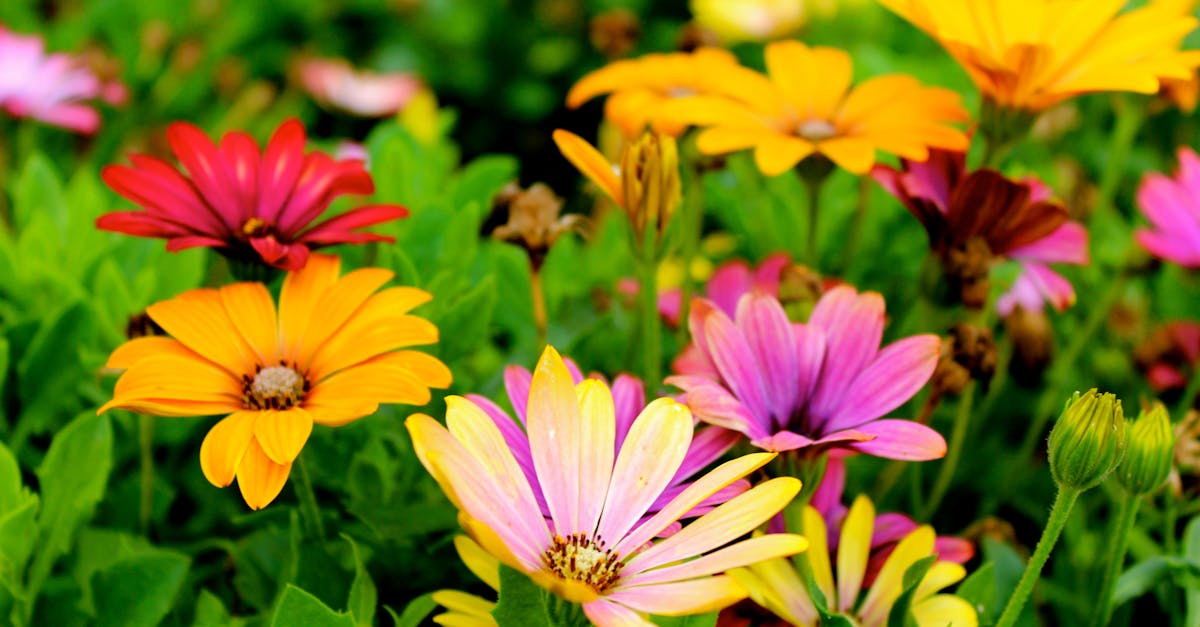
With a balcony garden that changes with the seasons, you can enjoy the beauty of nature all year round. By carefully selecting plants that bloom in different seasons, you can create a vibrant and ever-changing display. Start small and gradually add more plants as you become more experienced. With a little planning, you can create a beautiful balcony garden that will bring you joy for years to come.
Planning for year-round blooms is the key to a successful balcony garden. Research and choose plants that will provide a range of colors and textures throughout the year. Consider the size and placement of your containers, as well as the light and temperature conditions on your balcony.
Once you have selected your plants, it’s time to start planting! Start small and gradually add more plants as you become more experienced. Be sure to provide your plants with the care they need to thrive, including adequate sunlight, water, and fertilizer.
1. Plan for Year-Round Blooms
Planning for year-round blooms is the key to a successful balcony garden. The first step is to research and choose plants that will bloom in different seasons. This will ensure that you have a continuous display of color and interest throughout the year. When selecting plants, consider the following factors:
- Bloom time: Choose plants that bloom at different times of the year. This will ensure that you have something in bloom from early spring to late fall.
- Color: Select plants with a range of colors to create a visually appealing display. Consider both the flower color and the foliage color.
- Texture: Plants with different textures add interest and depth to your balcony garden. Choose plants with a variety of leaf shapes and sizes.
Once you have selected your plants, it’s important to consider the size and placement of your containers. Make sure to choose containers that are large enough for your plants to grow and provide proper drainage. The placement of your containers will also impact the light and temperature conditions for your plants. For example, if you have a balcony that receives a lot of sun, you will need to choose plants that are tolerant of full sun. Conversely, if your balcony is shaded, you will need to choose plants that can tolerate partial shade or full shade.
With a little planning, you can create a balcony garden that blooms in every season. By selecting the right plants and providing them with the care they need, you can enjoy a beautiful and ever-changing display of color and interest all year round.
Consider Container Size and Placement
When choosing containers for your balcony garden, it is important to consider the size and placement of the containers. The size of the container will impact the growth of your plants. A container that is too small will restrict the root growth of your plants, which will in turn limit their growth and flowering. A container that is too large can lead to overwatering, which can also damage your plants.
The placement of your containers will also impact the light and temperature conditions for your plants. If you have a balcony that receives a lot of sun, you will need to choose containers that are made of a material that can withstand the heat. You will also need to place your containers in a location where they will receive plenty of sunlight. If your balcony is shaded, you will need to choose containers that are made of a material that can tolerate shade. You will also need to place your containers in a location where they will receive some sunlight, but not too much.
In addition to the size and placement of your containers, you will also need to consider the drainage of your containers. Make sure to choose containers that have drainage holes in the bottom. This will allow excess water to drain out of the containers, which will prevent your plants from sitting in water and rotting. You can also place a layer of gravel or pebbles in the bottom of your containers to help with drainage.
Start Small and Gradually Add More
When starting a balcony garden, it is important to start small and gradually add more plants as you become more experienced. Trying to do too much at once can be overwhelming and lead to mistakes. By starting small, you can learn the basics of balcony gardening and avoid common pitfalls.
Start by choosing a few key plants that you are interested in growing. Do some research to learn about the growing requirements of these plants, such as the amount of sunlight they need, how often they need to be watered, and what type of soil they prefer. Once you have selected your plants, purchase them from a reputable nursery or garden center. Be sure to choose healthy plants that are free of pests and diseases.
Once you have your plants, it is time to plant them in containers. Choose containers that are the appropriate size for your plants and have drainage holes in the bottom. Fill the containers with a well-draining potting mix. When planting your plants, be sure to space them according to the spacing recommendations on the plant tags. Water your plants thoroughly after planting.
As your plants grow, you can gradually add more plants to your balcony garden. Be sure to choose plants that are compatible with the plants you already have. You can also add other elements to your balcony garden, such as decorative pots, wind chimes, and outdoor lighting. With a little care and attention, you can create a beautiful and thriving balcony garden that you can enjoy for years to come.
2. Bring the Indoors Out
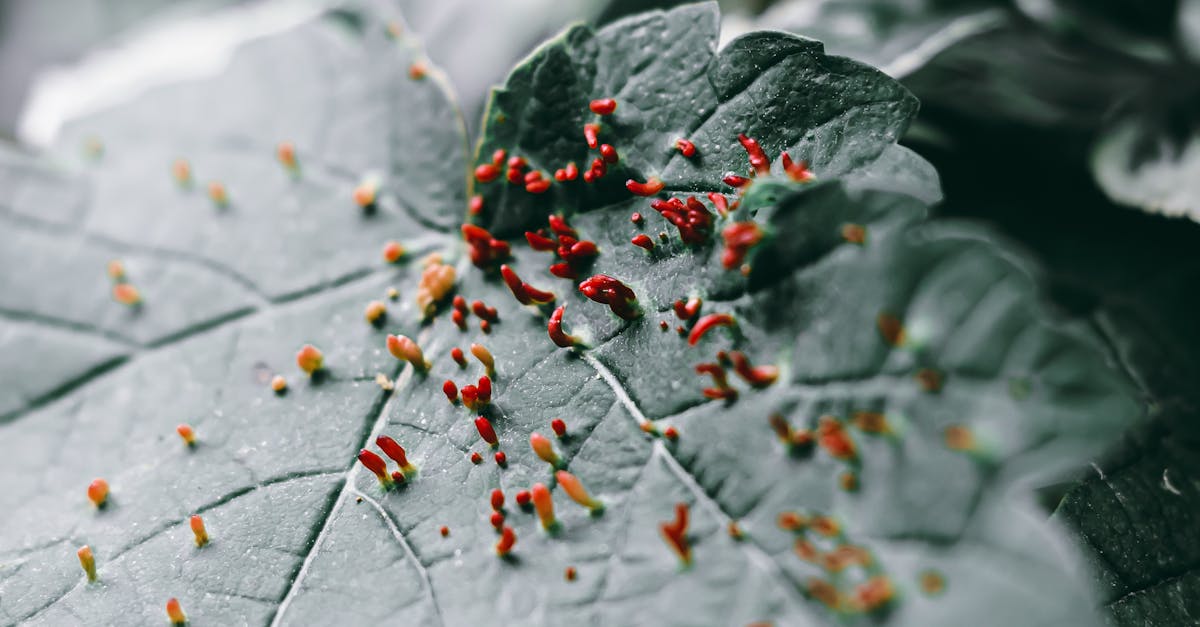
As the weather cools and the days get shorter, you can extend your growing season by bringing your plants indoors. This is a great way to enjoy your plants all year round and to add some life to your home during the winter months.
When choosing plants to bring indoors, it is important to select plants that can tolerate lower light levels. Some good choices include succulents, ferns, and peace lilies. You should also make sure to choose plants that are not too large, as they will need to fit in your indoor space.
Once you have selected your plants, it is important to provide them with the proper care. This includes watering them regularly, fertilizing them monthly, and providing them with adequate light. You may also need to mist your plants regularly to increase the humidity around them. By providing your plants with the proper care, you can help them to thrive indoors all winter long.
Essential Requirements for Indoor Plants
Indoor plants can add a touch of beauty and life to your home, but they also require proper care to thrive. Three essential requirements for indoor plants are adequate lighting, humidity, and proper watering techniques.
Lighting: Most indoor plants need bright, indirect light. Avoid placing your plants in direct sunlight, as this can scorch their leaves. If you don’t have a lot of natural light in your home, you may need to supplement with artificial light.
Humidity: Many indoor plants prefer high humidity. You can increase the humidity around your plants by misting them regularly, placing them on a tray of pebbles filled with water, or using a humidifier.
Watering: Watering is one of the most important aspects of indoor plant care. Overwatering is a common mistake, so it’s important to only water your plants when the soil is dry to the touch. The amount of water you need to give your plants will vary depending on the type of plant, the size of the pot, and the temperature and humidity of your home.
Recommended Plants for Indoor Gardening
There are many different types of plants that can thrive in indoor environments. Some of the most popular and easy-to-care-for indoor plants include:
- Snake plant: Snake plants are known for their hardiness and ability to tolerate neglect. They can survive in low light conditions and don’t need to be watered very often.
- ZZ plant: ZZ plants are another low-maintenance option for indoor gardeners. They can tolerate low light conditions and infrequent watering.
- Peace lily: Peace lilies are known for their beautiful white flowers and their ability to purify the air. They prefer bright, indirect light and should be watered regularly.
- Pothos: Pothos is a vine that is easy to grow and care for. It can tolerate low light conditions and infrequent watering.
- Spider plant: Spider plants are another easy-to-grow indoor plant. They can tolerate a variety of light conditions and should be watered regularly.
These are just a few of the many different types of plants that can thrive in indoor environments. When choosing plants for your indoor garden, be sure to consider the amount of light your home receives, the size of your space, and your own personal preferences.
3. Create Vertical Gardens
Vertical gardens are a great way to maximize space and add a touch of greenery to your home. They are also a good option for people who have limited outdoor space or who live in apartments. There are many different ways to create a vertical garden, but some of the most popular methods include using hanging baskets, trellises, or wall-mounted planters.
Hanging baskets are a great way to add a vertical element to your garden. They can be hung from ceilings, walls, or even trees. Trellises are another popular option for vertical gardens. They can be used to support climbing plants, such as ivy or clematis. Wall-mounted planters are a good option for people who have limited space. They can be mounted on walls, fences, or even the side of a building.
When creating a vertical garden, it is important to choose plants that are suitable for the conditions. For example, if you are creating a vertical garden in a shady area, you will need to choose plants that can tolerate low light conditions. You will also need to consider the size of your vertical garden and the amount of maintenance you are willing to do. Some vertical gardens require more maintenance than others.
Benefits of Vertical Gardening
Vertical gardens offer a number of benefits, including space-saving advantages and aesthetic appeal. Vertical gardens are a great way to add greenery to small spaces, such as apartments or balconies. They can also be used to create privacy screens or to add a touch of color to a dull wall. In addition, vertical gardens can help to improve air quality and reduce stress.
One of the main benefits of vertical gardens is that they are space-saving. Vertical gardens can be installed on walls, fences, or even trees. This makes them a great option for people who have limited outdoor space. Vertical gardens can also be used to create privacy screens or to add a touch of color to a dull wall.
Another benefit of vertical gardens is that they are aesthetically appealing. Vertical gardens can be used to create a variety of different looks, from lush green walls to colorful flower displays. Vertical gardens can also be used to create unique and eye-catching focal points.
Practical Tips for Vertical Gardening
Vertical gardening is a great way to add greenery to small spaces and create unique and eye-catching displays. However, it is important to use the right techniques to ensure that your vertical garden is successful. Here are a few practical tips for vertical gardening:
Attaching plants to vertical structures: There are a number of different ways to attach plants to vertical structures. Some of the most popular methods include using trellises, wires, or hooks. When choosing a method, it is important to consider the type of plants you are growing and the size of your vertical garden. For example, trellises are a good option for supporting climbing plants, while wires or hooks can be used to support smaller plants.
Selecting suitable plants: Not all plants are suitable for vertical gardens. When selecting plants, it is important to consider the amount of light your vertical garden will receive, the size of your vertical garden, and the amount of maintenance you are willing to do. Some good choices for vertical gardens include trailing plants, such as ivy or petunias, and climbing plants, such as clematis or morning glories.
Ensuring proper care: Vertical gardens require regular care and maintenance. This includes watering, fertilizing, and pruning. The amount of care required will vary depending on the type of plants you are growing and the size of your vertical garden. However, it is important to check your vertical garden regularly and to make sure that your plants are getting the care they need.
4. Use Color and Texture

Color and texture are two of the most important elements of a visually appealing balcony garden. By using a range of colors and textures, you can create a stunning display that will add beauty and interest to your outdoor space. Here are a few tips for using color and texture in your balcony garden:
Use a variety of colors: When choosing plants for your balcony garden, select a variety of colors to create a visually appealing display. You can use bright and bold colors to create a dramatic effect, or you can use softer and more subtle colors to create a more calming and serene atmosphere. You can also use different colors to create different moods, such as a cheerful and inviting mood with bright and vibrant colors, or a more relaxing and tranquil mood with softer and more muted colors.
Mix different foliage and flowers: In addition to using a variety of colors, you can also mix different foliage and flowers to create a more interesting and dynamic display. For example, you can mix plants with different leaf shapes and sizes, or you can mix plants with different flower colors and textures. You can also mix plants with different growth habits, such as upright plants, trailing plants, and climbing plants.
Accessorize with color and texture: In addition to using plants to add color and texture to your balcony garden, you can also accessorize with items such as pots, planters, and furniture. When choosing accessories, consider the color and texture of your plants and choose items that will complement them. For example, you could use brightly colored pots to add a pop of color to your garden, or you could use textured planters to add interest and depth.
Color Theory for Balcony Gardens
Color theory is a set of principles that can be used to create harmonious and visually pleasing color combinations. These principles can be applied to any area of design, including balcony gardening. By understanding the principles of color theory, you can create a balcony garden that is both beautiful and inviting.
One of the most important principles of color theory is the color wheel. The color wheel is a circular diagram that shows the relationships between different colors. The primary colors are red, yellow, and blue. The secondary colors are green, orange, and purple. The tertiary colors are the colors that are created by mixing a primary color with a secondary color. For example, yellow-green is a tertiary color that is created by mixing yellow and green.
When creating a balcony garden, you can use the color wheel to choose plant combinations that are harmonious and visually appealing. For example, you could create a monochromatic garden by using different shades of the same color. You could also create an analogous garden by using colors that are adjacent to each other on the color wheel. Or, you could create a complementary garden by using colors that are opposite each other on the color wheel.
Adding Texture to Your Balcony Garden
Texture is an important element of design that can add interest and depth to your balcony garden. Texture refers to the way that an object feels and looks. It can be smooth, rough, bumpy, or soft. By incorporating a variety of textures into your balcony garden, you can create a more visually appealing and inviting space.
There are many ways to add texture to your balcony garden. One way is to use different types of plants. Plants with different leaf shapes, sizes, and textures can create a sense of depth and interest. For example, you could combine plants with large, glossy leaves with plants with small, fuzzy leaves. You could also combine plants with upright growth habits with plants with trailing growth habits.
Another way to add texture to your balcony garden is to use different types of materials. For example, you could use wood, metal, or stone to create planters and other structures. You could also use fabric, such as curtains or cushions, to add a touch of softness to your garden.
5. Accessorize and Personalize
Accessories can add personality and style to your balcony garden. They can also be used to create a more inviting and comfortable space. When choosing accessories for your balcony garden, consider the overall style of your garden and the plants that you are growing. You should also consider the amount of space that you have available.
One of the most popular ways to accessorize a balcony garden is to use decorative pots. Decorative pots can add a touch of color and style to your garden. They can also be used to create a focal point or to highlight a particular plant. When choosing decorative pots, consider the size, shape, and material of the pots. You should also consider the color of the pots and how they will complement the plants that you are growing.
Another popular way to accessorize a balcony garden is to use wind chimes. Wind chimes can add a touch of whimsy and charm to your garden. They can also be used to create a relaxing and peaceful atmosphere. When choosing wind chimes, consider the size, shape, and material of the chimes. You should also consider the sound that the chimes make and how it will complement the overall atmosphere of your garden.
Choosing the Right Accessories
When choosing accessories for your balcony garden, it is important to consider the style of your balcony and the plants that you have. The accessories that you choose should complement the overall look and feel of your garden. For example, if you have a modern balcony garden, you might want to choose accessories with clean lines and simple designs. If you have a more traditional balcony garden, you might want to choose accessories with more ornate designs.
It is also important to consider the plants that you have when choosing accessories. For example, if you have a lot of plants with large leaves, you might want to choose accessories that are smaller in scale. If you have a lot of plants with small flowers, you might want to choose accessories that are more delicate and intricate.
By considering the style of your balcony and the plants that you have, you can choose accessories that will complement your garden and create a cohesive look.
DIY Balcony Garden Decor Ideas
Adding personal touches to your balcony garden is a great way to make it feel like your own. And it doesn’t have to be expensive or time-consuming. Here are a few creative and budget-friendly DIY balcony garden decor ideas:
- Painted pots: A fresh coat of paint can transform plain clay pots into colorful and unique planters. You can use any color or design you like, and you can even add patterns or embellishments.
- Hanging planters: Hanging planters are a great way to add vertical interest to your balcony garden. You can make your own hanging planters using macrame, rope, or even old tin cans.
- Wind chimes: Wind chimes are a beautiful and affordable way to add a touch of whimsy to your balcony garden. You can make your own wind chimes using seashells, beads, or even old keys.
- Trellises: Trellises are a great way to support climbing plants and add height to your balcony garden. You can make your own trellises using wood, bamboo, or even metal.
- Vertical gardens: Vertical gardens are a great way to maximize space on your balcony. You can create vertical gardens using pallets, old picture frames, or even chicken wire.
Quiz
1. What is the key to creating a balcony garden that blooms in every season?
( a ) Choosing plants that bloom at different times of the year ( b ) Using a lot of fertilizer ( c ) Watering your plants every day
2. True or False: When choosing containers for your balcony garden, it is important to select containers that are large enough for your plants to grow and provide proper drainage.
( a ) True ( b ) False
3. Which of the following is NOT a benefit of vertical gardening?
( a ) Space-saving ( b ) Aesthetic appeal ( c ) Reduced maintenance
4. True or False: When using color and texture in your balcony garden, it is important to use as many different colors and textures as possible.
( a ) True ( b ) False
5. Which of the following is a creative and budget-friendly way to add personal touches to your balcony garden?
( a ) Buying expensive designer pots ( b ) Painting plain clay pots ( c ) Hiring a professional decorator
Answer Key
1. ( a ) 2. ( a ) 3. ( c ) 4. ( b ) 5. ( b )
Unlock the Greenery Potential of Your Balcony: A Guide to Thriving Plants in Compact Spaces Attention all balcony-dwelling plant enthusiasts! Read more
Transform Your Balcony into a Flourishing Garden Oasis: A Step-by-Step Guide Beginning a balcony garden can be a fulfilling endeavor, Read more
Unlocking the Potential of Vertical Gardening on Balconies Are you tired of your cramped balcony but still longing for a Read more
Aromatic Delights: Cultivating Herbs on Your Balcony Oasis Whether you're a seasoned gardener or just starting out, growing herbs on Read more
