
Transform Your Balcony into a Haven: The Ultimate Guide to Attracting Butterflies

How to Create a Balcony Garden That Attracts Butterflies: A Haven of Beauty and Urban Ecology
The allure of butterflies is undeniable. Whether it’s their vibrant colors, graceful fluttering, or profound role in the ecosystem, these delicate creatures captivate our hearts and minds. Imagine having a dedicated haven on your very own balcony, where butterflies find solace, nourishment, and an ideal habitat to thrive. This guide will provide you with a comprehensive plan to create a butterfly haven on your balcony, transforming it into an oasis of beauty and biodiversity.
Attracting butterflies to your urban sanctuary offers myriad benefits. Not only will you witness the ethereal beauty of these enchanting creatures in close proximity, but you’ll also contribute to the delicate balance of urban ecosystems. Butterflies, as essential pollinators, play a pivotal role in ensuring the prosperity and sustainability of our urban green spaces. By providing them with a haven, you become an active participant in preserving urban biodiversity.
1. Introduction: The Allure of Butterflies on Your Balcony
Introduction: The Allure of Butterflies on Your Balcony
Imagine stepping out onto your balcony and being greeted by a fluttering symphony of vibrant butterflies. Their delicate wings, adorned with intricate patterns and an array of colors, dance gracefully in the sunlight, creating a mesmerizing spectacle. As they flit from flower to flower, they not only bring a touch of magic to your outdoor space but also play a vital role in the urban ecosystem.
Observing butterflies up close is a joy that transcends age and background. Their intricate flight patterns, delicate features, and fascinating life cycles captivate the curious minds of children and adults alike. By creating a welcoming habitat on your balcony, you can transform it into an educational haven where the wonders of nature can be explored and appreciated firsthand.
Beyond their aesthetic appeal, butterflies serve as essential pollinators in urban environments. As they flutter from bloom to bloom, they inadvertently transfer pollen, enabling plants to reproduce and thrive. This process is crucial for maintaining the delicate balance of urban ecosystems, ensuring the abundance of flowers, fruits, and vegetables that we rely on for sustenance and well-being.
2. Plant Selection: Nectar and Host Species
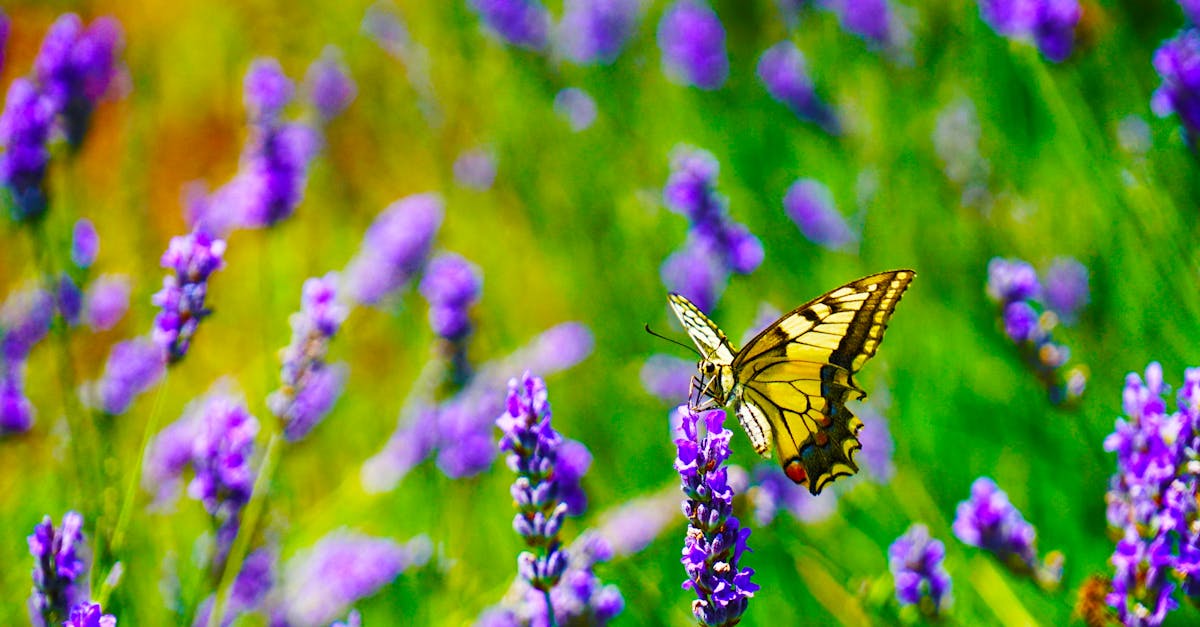
Plant Selection: Nectar and Host Species
To attract butterflies to your balcony, it’s essential to provide them with an array of plants that cater to their specific needs. Nectar-producing flowers serve as vital sources of energy for adult butterflies, while host plants are crucial for the survival and development of their larvae.
Nectar-rich plants that are particularly attractive to butterflies include Butterfly Weed, Zinnias, and Lantana. These plants produce an abundance of brightly colored flowers that are rich in nectar, providing sustenance for butterflies as they flit from bloom to bloom. Incorporating a variety of nectar sources into your balcony garden will ensure a continuous supply of food throughout the butterfly season.
Equally important are host plants, which provide a suitable environment for butterfly larvae to feed and grow. Milkweed is a crucial host plant for Monarch butterflies, while Parsley is essential for Black Swallowtail butterflies. By including host plants in your garden, you not only support the entire butterfly life cycle but also contribute to the conservation of these beautiful creatures.
3. Creating a Butterfly-Friendly Environment
Creating a Butterfly-Friendly Environment
To create an inviting habitat for butterflies on your balcony, it’s essential to provide them with the elements they need to thrive. Sunlight, shelter, and water sources are crucial for their well-being and survival.
Butterflies are heliothermic, meaning they rely on sunlight to regulate their body temperature. Ensure your balcony receives ample sunlight throughout the day, especially during the morning hours when butterflies are most active. Consider placing your butterfly garden in a south-facing or west-facing location to maximize sun exposure.
Shelter is equally important, as butterflies need protection from wind, rain, and predators. Plant your flowers in clusters to create sheltered microclimates where butterflies can seek refuge. You can also add small rocks, logs, or overturned pots to provide additional hiding places.
4. Ongoing Care and Maintenance
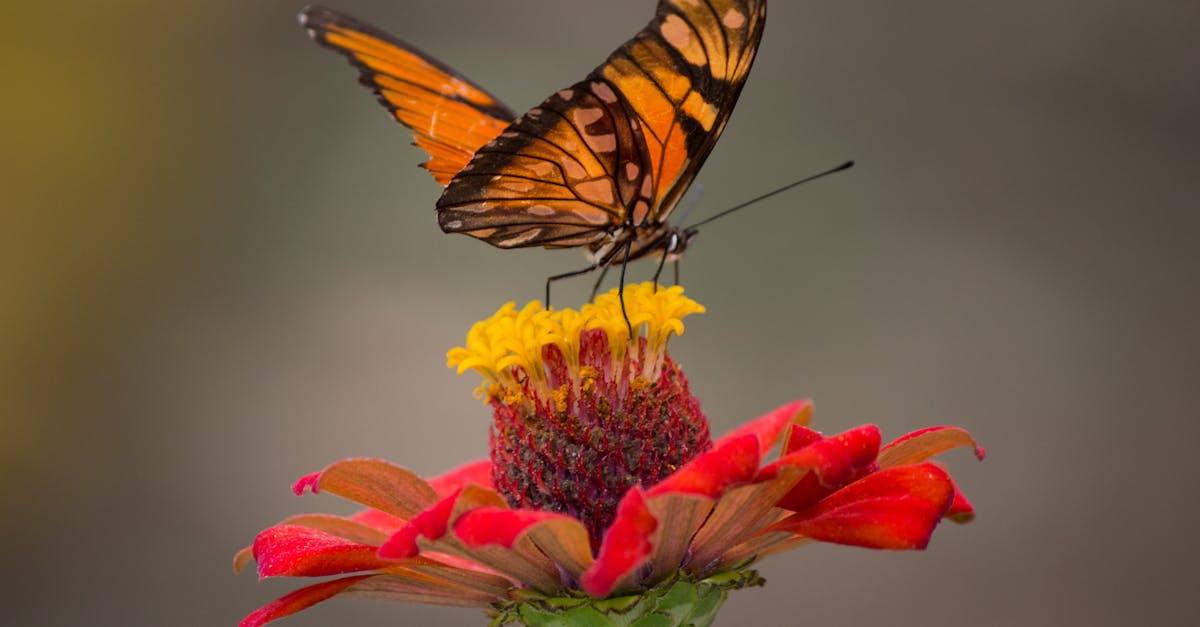
Ongoing Care and Maintenance
Once your butterfly garden is established, ongoing care and maintenance are essential to ensure its continued success. Regular watering is crucial, especially during hot and dry spells. Butterflies rely on nectar for sustenance, and adequate hydration is necessary for flower production. Water your plants deeply and regularly, allowing the soil to dry out slightly between waterings.
Occasional pruning is also beneficial to promote new growth and flowering. Deadhead spent blooms to encourage the plant to produce more flowers. You can also prune back overgrown plants to maintain a tidy appearance and improve air circulation.
To protect your butterfly garden from pests and diseases, practice good garden hygiene. Remove any dead or diseased plant material promptly. Avoid using harsh chemicals, as they can harm butterflies and other beneficial insects. Instead, opt for natural pest control methods, such as insecticidal soap or neem oil. Companion planting can also be an effective way to deter pests and attract beneficial insects.
5. Enjoying the Fruits of Your Labor: Observing and Appreciating Butterflies
Enjoying the Fruits of Your Labor: Observing and Appreciating Butterflies
Creating a butterfly garden on your balcony is a rewarding experience that brings you closer to nature and its delicate creatures. Take time to sit back and observe the butterflies that visit your garden, marveling at their intricate beauty and graceful flight. With a little patience, you may even witness the entire life cycle of a butterfly, from egg to caterpillar to chrysalis and finally to a vibrant adult.
Keeping a journal can enhance your observation experience. Note the species of butterflies you see, their behavior, and the plants they visit. Over time, you’ll gain valuable insights into the ecology of butterflies in your area and the impact of your garden on their population. The journal will also serve as a cherished record of your interactions with these fascinating creatures.
Creating a welcoming habitat for butterflies brings immense joy and fulfillment. It’s a small but meaningful contribution to the preservation of biodiversity and a testament to the interconnectedness of all living things. As you watch the butterflies flutter through your garden, remember that you have played a part in their survival and well-being.
Quiz: Test Your Butterfly Garden Knowledge
1. Which of the following is NOT a nectar-rich plant attractive to butterflies? (a) Butterfly Weed (b) Milkweed (c) Zinnias (d) Petunias
2. True or False: Host plants are only necessary for adult butterflies.
3. What is the purpose of providing sunlight for butterflies? (a) To attract them to your garden (b) To regulate their body temperature (c) To help them find mates (d) To promote plant growth
4. Which of the following is a good way to provide water for butterflies? (a) A shallow dish with pebbles (b) A birdbath (c) A hose with a gentle spray (d) All of the above
5. True or False: Using harsh chemicals in your butterfly garden is beneficial for pest control.
Answer Key:
- (b) Milkweed
- False
- (b) To regulate their body temperature
- (d) All of the above
- False
Unlock the Greenery Potential of Your Balcony: A Guide to Thriving Plants in Compact Spaces Attention all balcony-dwelling plant enthusiasts! Read more
Transform Your Balcony into a Flourishing Garden Oasis: A Step-by-Step Guide Beginning a balcony garden can be a fulfilling endeavor, Read more
Unlocking the Potential of Vertical Gardening on Balconies Are you tired of your cramped balcony but still longing for a Read more
Aromatic Delights: Cultivating Herbs on Your Balcony Oasis Whether you're a seasoned gardener or just starting out, growing herbs on Read more