
Creating a Tropical Oasis in Your Own Backyard
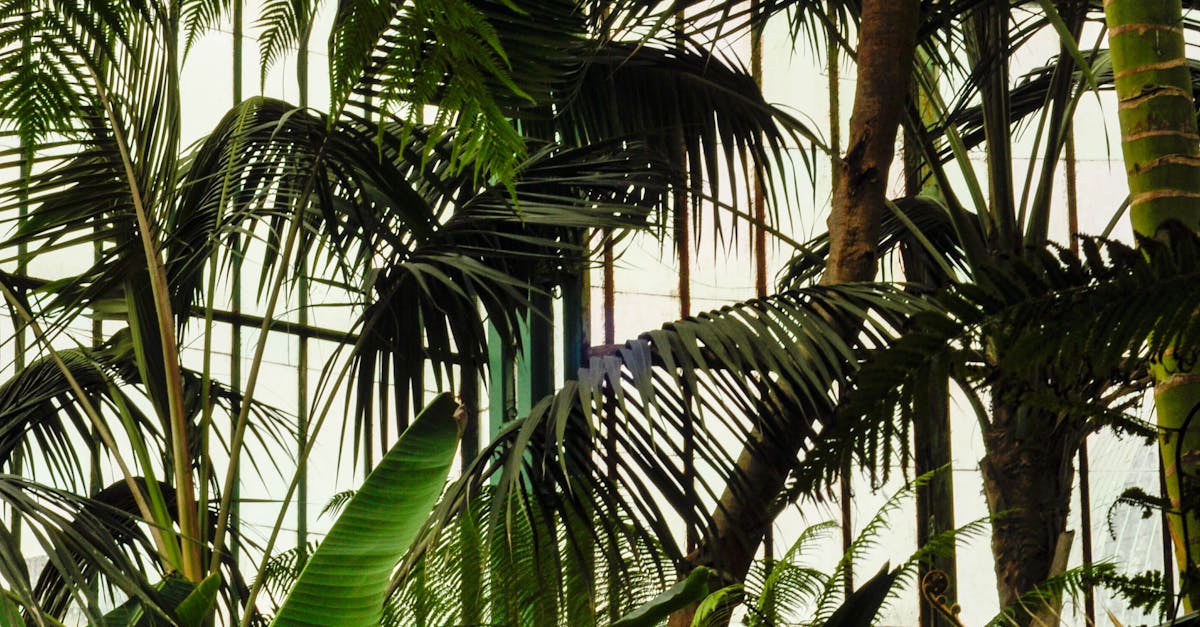
Transform Your Temperate Garden into a Tropical Paradise: A Comprehensive Guide
Have you ever yearned for a lush, tropical oasis right in your own backyard? While tropical climates are known for their exotic plants and tranquil ambiance, it’s possible to achieve a similar atmosphere even in temperate regions. This comprehensive guide will provide you with all the essential knowledge and techniques to create a tropical look in your temperate climate, transforming your outdoor space into a vibrant escape.
From selecting the right plants to designing your garden layout and providing optimal care, we’ll cover every aspect of creating a tropical paradise. We’ll also explore how to extend the tropical ambiance indoors, bringing the lush greenery and exotic flair into your home. Get ready to embark on a journey of transformation as we unveil the secrets to achieving a tropical look in a temperate climate.
1. Plant Selection for a Tropical Ambiance
When selecting plants for a tropical ambiance in a temperate climate, focus on species that can tolerate cooler temperatures and provide a lush, exotic feel. For a dramatic backdrop, incorporate evergreen trees and shrubs like camellias, hollies, and rhododendrons. Their year-round foliage will create a sense of lushness and provide privacy.
Add vibrant colors and exotic blooms with tropical flowers such as hibiscus, bougainvillea, and bird of paradise. These plants thrive in warm, sunny conditions and will bring a touch of the tropics to your garden. Ornamental grasses like pampas grass and zebra grass can add movement and texture, resembling the tall grasses found in tropical jungles.
To further enhance the tropical atmosphere, consider adding plants with large, showy leaves like elephant ears, hostas, and ferns. These plants create a sense of lushness and provide a tropical touch to shady areas of your garden.
Evergreen Trees and Shrubs
Evergreen trees and shrubs form the backbone of a tropical-style garden in a temperate climate, providing a lush backdrop and year-round interest. These plants retain their foliage throughout the year, creating a sense of lushness and privacy even during the colder months.
When selecting evergreen trees and shrubs for your tropical garden, choose species that can tolerate the cooler temperatures of your climate. Some popular choices include camellias, hollies, rhododendrons, and boxwoods. These plants come in a variety of shapes and sizes, allowing you to create a diverse and visually appealing landscape.
Incorporate evergreen trees and shrubs into your garden design to create focal points, define spaces, and provide privacy. They can be used as hedges, screens, or specimen plants. By carefully selecting and arranging these plants, you can create a lush and inviting outdoor space that evokes the feeling of a tropical paradise.
Tropical Flowers
Tropical flowers are the key to adding vibrant colors and exotic blooms to your temperate garden, creating a sense of lushness and bringing a touch of the tropics to your outdoor space. When selecting tropical flowers for your garden, choose species that can tolerate the cooler temperatures of your climate and provide a long blooming season.
Some popular choices for temperate climates include hibiscus, bougainvillea, bird of paradise, lantana, and mandevilla. These plants come in a wide range of colors and shapes, allowing you to create a diverse and visually appealing garden. Consider planting tropical flowers in containers or raised beds to provide them with optimal drainage and protection from cold temperatures.
Incorporate tropical flowers into your garden design to create focal points, add pops of color, and attract pollinators. They can be used as bedding plants, borders, or specimen plants. By carefully selecting and arranging these plants, you can create a vibrant and exotic garden that evokes the feeling of a tropical paradise.
Ornamental Grasses
Ornamental grasses add movement and texture to your tropical garden, creating a sense of depth and drama. These plants resemble the tall grasses found in tropical jungles and provide a unique and exotic touch to your landscape. When selecting ornamental grasses for your garden, choose species that can tolerate the cooler temperatures of your climate and provide year-round interest.
Some popular choices for temperate climates include pampas grass, zebra grass, and fountain grass. These plants come in a variety of heights and colors, allowing you to create a diverse and visually appealing garden. Ornamental grasses can be used to create borders, screens, or specimen plants. They can also be planted in containers or raised beds to provide them with optimal drainage and protection from cold temperatures.
Incorporate ornamental grasses into your garden design to add movement, texture, and a sense of the tropics. They can be used to soften hardscapes, create privacy, or add a touch of drama to your landscape. By carefully selecting and arranging these plants, you can create a dynamic and visually appealing garden that evokes the feeling of a tropical paradise.
2. Design Principles for a Tropical Oasis
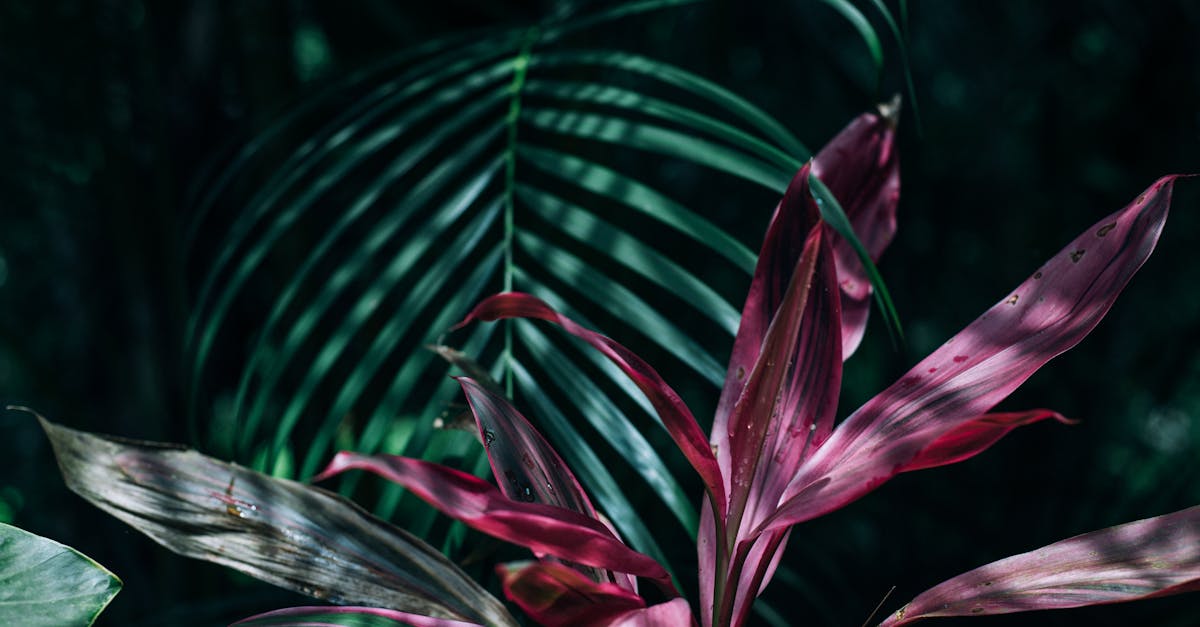
Creating a cohesive and visually appealing tropical garden layout is an art form that requires careful planning and attention to detail. By following a few key design principles, you can maximize space, enhance aesthetics, and create a tropical oasis in your own backyard.
Start by establishing focal points in your garden. These could be a striking tree, a vibrant flower bed, or a water feature. Focal points draw the eye and create a sense of interest and depth. Arrange your plants and other garden elements around these focal points to create a visually balanced and harmonious design.
Incorporate layering into your garden design to create a sense of lushness and depth. Plant taller plants in the back, followed by mid-sized plants and groundcovers in the front. This layering technique helps to create a more natural and visually appealing landscape. Use a variety of plant shapes and sizes to add interest and texture to your garden.
Focal Points and Layers
Focal points are the eye-catching elements in your garden that draw attention and create a sense of interest. They can be a variety of things, such as a striking tree, a vibrant flower bed, a water feature, or a piece of garden art. When choosing focal points for your garden, consider the overall style and mood you want to create.
Once you have chosen your focal points, arrange your plants and other garden elements around them to create a visually balanced and harmonious design. Use layering techniques to add depth and interest to your garden. Plant taller plants in the back, followed by mid-sized plants and groundcovers in the front. This layering technique helps to create a more natural and visually appealing landscape.
By carefully planning and arranging your focal points and layers, you can create a tropical garden that is both visually appealing and inviting. Experiment with different plant combinations and arrangements to find what works best for your space and personal style.
Pathways and Water Features
Pathways and water features are essential elements for creating a tropical oasis in your backyard. Winding pathways invite visitors to explore your garden and discover its hidden treasures, while water features add a sense of tranquility and relaxation.
When planning your pathways, consider the overall layout of your garden and the focal points you want to highlight. Pathways should be wide enough to comfortably walk on and should be made of materials that are both durable and aesthetically pleasing. Natural materials such as stone, brick, or gravel are popular choices for tropical gardens.
Water features can be as simple or elaborate as you like. A small pond with a fountain or waterfall can create a peaceful and inviting atmosphere, while a larger pond or stream can provide a habitat for fish and other wildlife. When choosing a water feature, consider the size and style of your garden and the amount of maintenance you are willing to commit to.
Lighting and Ambiance
Strategic lighting can transform your tropical garden into a magical and inviting outdoor space. By highlighting certain features and creating different moods, lighting can enhance the overall ambiance of your garden and make it a place you want to spend time in, even after the sun goes down.
When planning your garden lighting, consider the following tips:
- Use a variety of light sources to create different moods and effects. Spotlights can be used to highlight focal points, while path lights can help to guide visitors safely through your garden.
- Use warm white or amber-colored bulbs to create a warm and inviting atmosphere.
- Place lights strategically to avoid glare and create a sense of mystery.
- Consider using timers or motion sensors to automate your lighting and save energy.
By carefully planning and implementing your garden lighting, you can create a tropical oasis that is both beautiful and functional.
3. Plant Care and Maintenance
Providing optimal care for your tropical plants is essential to ensure their health and longevity in a temperate climate. By following a few simple tips, you can help your tropical plants thrive and bring a touch of the tropics to your backyard.
One of the most important things you can do for your tropical plants is to provide them with the right amount of water. Tropical plants generally prefer moist soil, but it is important to avoid overwatering, as this can lead to root rot. Allow the top inch or two of soil to dry out before watering again.
Fertilizing your tropical plants on a regular basis will help them to grow healthy and strong. Use a balanced fertilizer that is specifically designed for tropical plants and follow the instructions on the package.
Tropical plants are generally not cold-hardy, so it is important to protect them from frost and freezing temperatures. If you live in a climate with cold winters, you may need to bring your tropical plants indoors or provide them with some type of protection, such as a greenhouse or cold frame.
Water and Fertilization
Watering and fertilization are two of the most important aspects of tropical plant care. By providing your plants with the right amount of water and nutrients, you can help them to grow healthy and strong.
Watering
Tropical plants generally prefer moist soil, but it is important to avoid overwatering, as this can lead to root rot. Allow the top inch or two of soil to dry out before watering again. The frequency of watering will vary depending on the type of plant, the size of the pot, and the climate.
Fertilization
Fertilizing your tropical plants on a regular basis will help them to grow healthy and strong. Use a balanced fertilizer that is specifically designed for tropical plants and follow the instructions on the package. The frequency of fertilization will vary depending on the type of plant and the fertilizer you are using.
By following these simple tips, you can help your tropical plants to thrive and bring a touch of the tropics to your backyard.
Temperature Protection
Tropical plants are not cold-hardy, so it is important to protect them from frost and freezing temperatures. If you live in a climate with cold winters, you may need to bring your tropical plants indoors or provide them with some type of protection, such as a greenhouse or cold frame.
Protecting Plants Outdoors
If you are unable to bring your tropical plants indoors, there are a few things you can do to protect them from the cold. One option is to mulch around the base of the plants. Mulch helps to insulate the soil and protect the roots from cold temperatures. You can also wrap the plants with burlap or frost cloth to provide additional protection.
Protecting Plants Indoors
If you are bringing your tropical plants indoors for the winter, place them in a bright location where they will receive plenty of sunlight. You may also need to provide them with supplemental lighting, such as grow lights. Water your plants regularly and fertilize them on a monthly basis.
By taking these steps, you can help to protect your tropical plants from the cold and keep them healthy and happy all winter long.
Pruning and Pest Control
Pruning and pest control are essential for maintaining the health of your tropical plants. Regular pruning will help to remove dead or diseased branches and encourage new growth. Pest control will help to protect your plants from insects and other pests.
Pruning
Pruning should be done on a regular basis, especially during the growing season. When pruning, remove any dead or diseased branches, as well as any branches that are crossing or rubbing against each other. You should also prune any branches that are growing too long or out of shape.
Pest Control
There are a number of different ways to control pests on tropical plants. One option is to use pesticides. Pesticides can be effective in controlling pests, but they can also be harmful to the environment. A more natural approach to pest control is to use beneficial insects. Beneficial insects, such as ladybugs and lacewings, prey on pests and can help to keep your plants healthy.
Disease Management
Tropical plants can also be susceptible to a number of different diseases. Diseases can be caused by fungi, bacteria, or viruses. If you notice any signs of disease on your plants, such as wilting, yellowing leaves, or spots on the leaves, it is important to take action immediately. You can treat most diseases with fungicides or bactericides.
By following these simple tips, you can help to keep your tropical plants healthy and looking their best.
4. Creating a Tropical Paradise Indoors
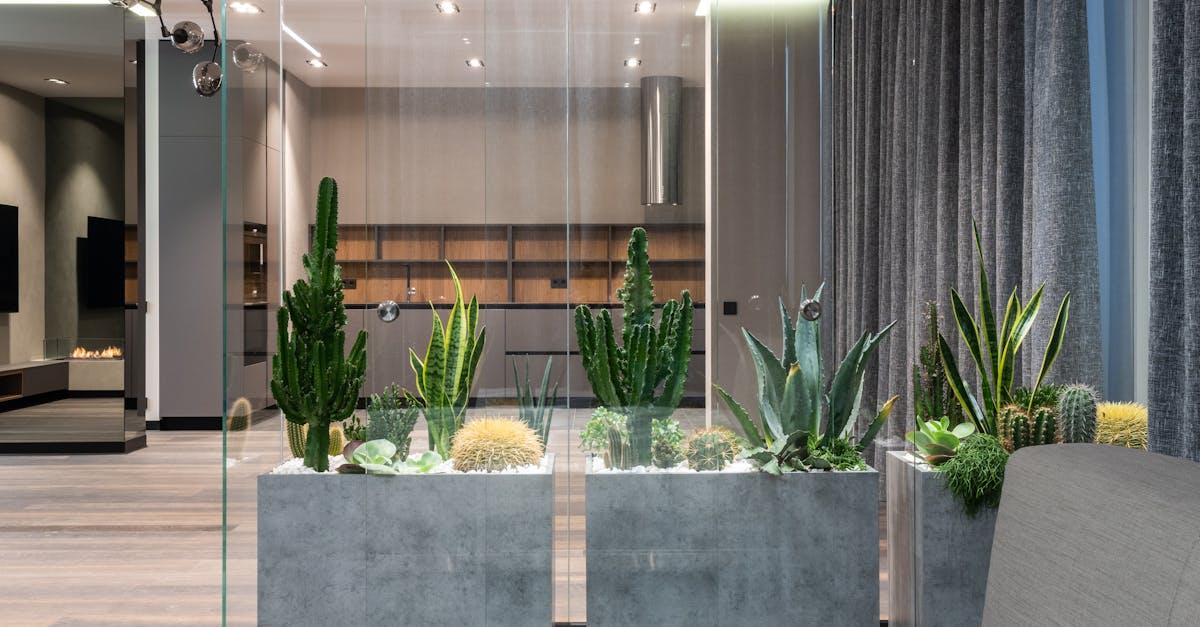
If you love the lush, tropical ambiance of your outdoor garden, you can extend that feeling indoors by incorporating tropical elements into your home décor. Here are a few tips:
- Choose tropical plants. One of the best ways to bring the tropics indoors is to add some tropical plants. There are many different types of tropical plants that can thrive indoors, such as palms, ferns, and orchids. When choosing plants, be sure to select ones that are well-suited to the light conditions in your home.
- Use tropical colors and patterns. Tropical colors and patterns can help to create a cheerful and inviting atmosphere in your home. Try using bright colors, such as green, blue, and yellow, and bold patterns, such as floral and geometric prints.
- Add natural elements. Natural elements, such as wood, stone, and bamboo, can help to create a sense of the outdoors inside. Use these materials in your furniture, décor, and accessories.
- Create a cozy atmosphere. Tropical homes are often cozy and inviting. You can create this same feeling in your home by using soft lighting, comfortable furniture, and plush fabrics.
Choosing Tropical Indoor Plants
When choosing tropical indoor plants, it is important to select ones that can thrive in temperate conditions. Here are a few things to look for:
- Light requirements: Tropical plants generally need bright, indirect light. However, some plants, such as ferns, can tolerate low light conditions.
- Water requirements: Tropical plants typically need to be watered regularly, but they should not be allowed to sit in water. Allow the top inch or two of soil to dry out before watering again.
- Humidity requirements: Tropical plants prefer high humidity. You can increase the humidity around your plants by misting them regularly or placing them on a pebble tray filled with water.
Here are a few popular tropical indoor plants that are relatively easy to care for:
- Snake plant: Snake plants are known for their hardiness and low maintenance requirements. They can tolerate a variety of light conditions and do not need to be watered frequently.
- Peace lily: Peace lilies are beautiful plants with large, white flowers. They prefer bright, indirect light and need to be watered regularly.
- ZZ plant: ZZ plants are another low-maintenance option. They can tolerate low light conditions and do not need to be watered frequently.
- Cast iron plant: Cast iron plants are known for their durability and ability to tolerate neglect. They can tolerate low light conditions and do not need to be watered frequently.
Humidity Control
Tropical plants prefer high humidity, which can be difficult to achieve in temperate climates. However, there are a few things you can do to increase the humidity around your plants:
- Mist your plants regularly. Misting your plants with water is a quick and easy way to increase the humidity around them. Be sure to mist the undersides of the leaves as well as the tops.
- Place your plants on a pebble tray. A pebble tray is a shallow tray filled with pebbles and water. The water evaporates and increases the humidity around the plants. Be sure to add water to the tray regularly so that the pebbles stay moist.
- Use a humidifier. A humidifier is a device that adds moisture to the air. You can use a humidifier in your home or office to increase the humidity around your plants.
Here are a few benefits of increasing the humidity around your tropical plants:
- Improved plant health: Tropical plants need high humidity to thrive. Increased humidity can help to prevent the leaves from drying out and turning brown. It can also help to reduce the risk of pests and diseases.
- Improved ambiance: High humidity can create a more tropical atmosphere in your home or office. It can help to make the air feel more comfortable and inviting.
Decor and Accessories
In addition to plants, you can also use décor and accessories to enhance the tropical theme in your home or office. Here are a few ideas:
- Furniture: Choose furniture made from natural materials, such as wood, bamboo, or rattan. You can also choose furniture with tropical-inspired designs, such as carved wood pieces or furniture with bright colors and patterns.
- Fabrics: Use fabrics with tropical-inspired patterns, such as floral prints, geometric prints, or animal prints. You can also use fabrics made from natural fibers, such as cotton, linen, or jute.
- Accessories: Add tropical-inspired accessories to your home or office, such as baskets, vases, and artwork. You can also add plants, such as orchids or ferns, to your décor.
Here are a few tips for incorporating tropical décor and accessories into your home or office:
- Start with a few key pieces. You don’t need to go overboard with tropical décor. A few key pieces can make a big impact.
- Mix and match different styles. Don’t be afraid to mix and match different tropical styles. For example, you can pair a modern sofa with a traditional carved wood coffee table.
- Add personal touches. Incorporate your own personal style into your tropical décor. For example, you can add a collection of seashells or travel photos to your décor.
5. Conclusion and Additional Resources
Conclusion
Creating a tropical look in a temperate climate is possible with careful planning and execution. By following the tips in this article, you can create a lush and inviting outdoor space that will transport you to the tropics.
Additional Resources
- How to Create a Tropical Garden in a Temperate Climate
- Tropical Plants for Temperate Gardens
- Creating a Tropical Oasis Indoors
Key Takeaways
- Choose plants that are well-suited to your climate and provide a lush backdrop.
- Use design principles to create a cohesive and visually appealing layout.
- Incorporate water features and lighting to enhance the ambiance.
- Provide optimal care for your plants to ensure their health and longevity.
- Extend the tropical theme indoors with tropical plants, décor, and accessories.
Summary of Key Principles
Summary of Key Principles
Plant Selection
- Choose evergreen trees and shrubs for a lush backdrop.
- Add vibrant colors and exotic blooms with tropical flowers.
- Incorporate ornamental grasses to add movement and texture.
Design Principles
- Establish focal points and utilize layering techniques to create depth and interest.
- Add winding pathways and incorporate water features to mimic the tranquil ambiance of tropical environments.
- Enhance the atmosphere with strategic lighting and create a cozy and inviting outdoor space.
Plant Care and Maintenance
- Establish an appropriate watering schedule and provide balanced fertilization to support plant growth.
- Take measures to protect plants from frost and cold temperatures to mimic tropical conditions.
- Maintain plant health through regular pruning, pest control, and timely disease management.
Recommended Nurseries and Plant Suppliers
Recommended Nurseries and Plant Suppliers
- Logee’s Tropical Plants is a family-owned nursery that has been specializing in tropical plants for over 100 years. They offer a wide variety of tropical plants, including many rare and unusual varieties.
- Tropical Plant Products is a wholesale nursery that supplies tropical plants to garden centers and landscapers throughout the United States. They offer a wide variety of tropical plants, including many that are difficult to find at other nurseries.
- The Plant Company is an online retailer that offers a wide variety of tropical plants, including many that are suitable for temperate climates. They also offer a variety of gardening supplies and accessories.
Online Resources and Inspiration
Online Resources and Inspiration
- The Tropical Garden Society of America is a non-profit organization dedicated to promoting the cultivation and appreciation of tropical plants. The society’s website offers a wealth of information on tropical gardening, including articles, videos, and a forum where members can share tips and advice.
- The American Horticultural Society’s Tropical Plants Database is a searchable database of tropical plants that includes information on their cultivation, care, and uses. The database is a valuable resource for gardeners who are looking for information on specific tropical plants.
- Pinterest is a social media platform that can be a great source of inspiration for tropical gardening. There are many boards dedicated to tropical plants, and users can share photos and ideas for creating a tropical oasis in their own gardens.
Quiz
1. Which type of tree is best suited for creating a lush backdrop in a tropical garden in a temperate climate?
(a) Deciduous tree (b) Evergreen tree (c) Coniferous tree
2. True or False: Ornamental grasses can add movement and texture to a tropical garden but do not provide any other benefits.
3. Which of the following is NOT a key design principle for creating a cohesive tropical garden layout?
(a) Establishing focal points (b) Incorporating layering (c) Using a variety of plant colors and sizes
4. True or False: Tropical plants generally prefer dry soil and infrequent watering.
5. Which of the following is a benefit of increasing the humidity around tropical plants?
(a) Improved plant health (b) Reduced risk of pests and diseases (c) Improved ambiance (d) All of the above
Answer Key
- (b) Evergreen tree
- False
- (c) Using a variety of plant colors and sizes
- False
- (d) All of the above
Answer Key
- (b) Evergreen tree
- False
- (c) Using a variety of plant colors and sizes
- False
- (d) All of the above
Unlock the Greenery Potential of Your Balcony: A Guide to Thriving Plants in Compact Spaces Attention all balcony-dwelling plant enthusiasts! Read more
Transform Your Balcony into a Flourishing Garden Oasis: A Step-by-Step Guide Beginning a balcony garden can be a fulfilling endeavor, Read more
Unlocking the Potential of Vertical Gardening on Balconies Are you tired of your cramped balcony but still longing for a Read more
Aromatic Delights: Cultivating Herbs on Your Balcony Oasis Whether you're a seasoned gardener or just starting out, growing herbs on Read more