
Cultivating a Balcony Herbal Tea Garden: A Journey to Nature’s Elixir
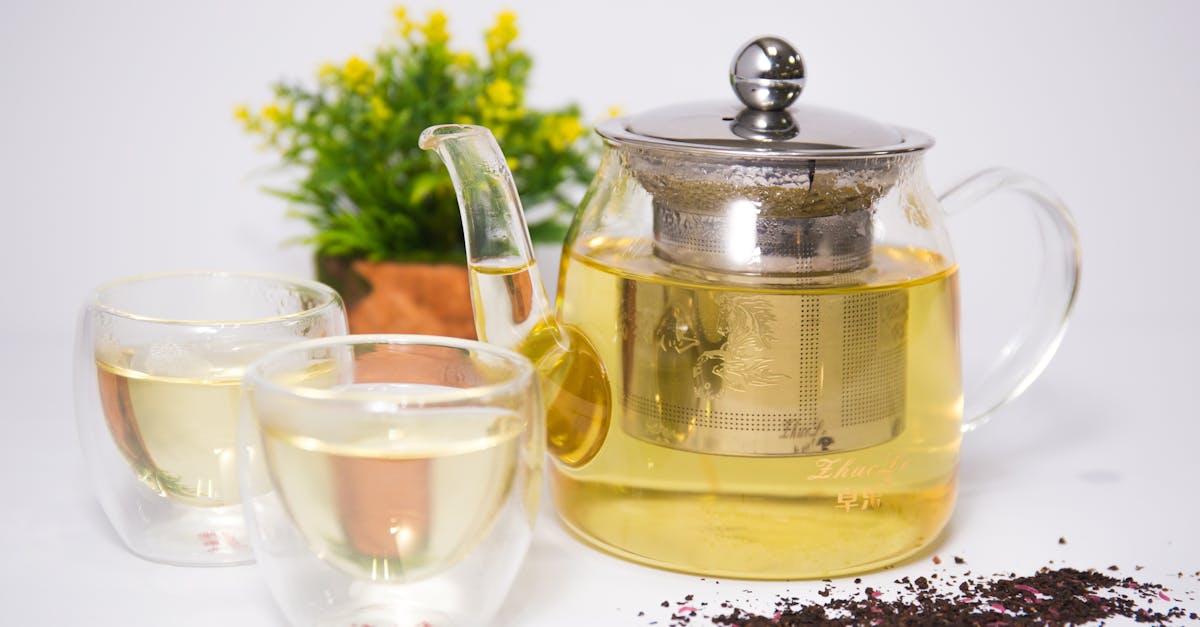
Growing an Herbal Tea Garden on Your Balcony: A Guide to Enjoying the Benefits of Nature’s Elixir
Are you looking to bring the tranquility and health benefits of herbal teas into your home? Growing your own herbal tea garden on your balcony is an easy and rewarding way to do just that. With a little care and attention, you can cultivate a thriving collection of herbs that will provide you with a natural source of delicious, soothing, and healing beverages.
This comprehensive guide will provide you with all the information you need to create your own balcony herbal tea garden. From selecting the right herbs to caring for your plants throughout the year, we’ll cover everything you need to know to grow and enjoy the benefits of your own herbal teas.
Whether you’re a seasoned gardener or a novice, this guide will empower you with the knowledge and techniques to cultivate a thriving herbal tea garden on your balcony. So, let’s get started on this journey of health, flavor, and natural well-being!
1. Understanding the Benefits of Herbal Teas
Understanding the Benefits of Herbal Teas: Uncover the health benefits of consuming herbal teas, including their calming effects, antioxidant properties, and support for digestion.
Herbal teas have been used for centuries to promote health and well-being. Made from the leaves, flowers, or roots of various plants, herbal teas offer a wide range of health benefits, including:
-
Calming effects: Many herbal teas, such as chamomile and lavender, have calming properties that can help reduce stress and anxiety. They can be a great way to relax and unwind at the end of a long day.
-
Antioxidant properties: Herbal teas are a good source of antioxidants, which can help protect your cells from damage caused by free radicals. Free radicals are unstable molecules that can contribute to aging and the development of chronic diseases.
-
Support for digestion: Some herbal teas, such as peppermint and ginger, can help support digestion. They can help relieve gas, bloating, and indigestion.
In addition to these benefits, herbal teas can also help boost your immune system, improve your sleep, and increase your energy levels. If you’re looking for a healthy and natural way to improve your health and well-being, herbal teas are a great option.
Here are some popular herbal teas and their associated health benefits:
- Chamomile: Calming, promotes sleep, reduces anxiety
- Lavender: Calming, promotes relaxation, reduces stress
- Peppermint: Aids digestion, reduces gas and bloating, freshens breath
- Ginger: Supports digestion, reduces nausea, boosts immunity
- Echinacea: Boosts immunity, fights colds and flu
- Hibiscus: Rich in antioxidants, lowers blood pressure, supports liver health
- Green tea: Rich in antioxidants, boosts metabolism, improves brain function
2. Selecting the Right Herbs for Your Space
Selecting the Right Herbs for Your Space: Explore the best herbs for balcony cultivation, considering their growth habits, sunlight requirements, and suitability for brewing.
When selecting herbs for your balcony tea garden, it’s important to consider their growth habits, sunlight requirements, and suitability for brewing. Here are some popular herbs that are well-suited for balcony cultivation:
-
Chamomile: Chamomile is a low-growing herb that prefers full sun to partial shade. It’s easy to grow and produces daisy-like flowers that can be used to make a calming tea.
-
Lavender: Lavender is a fragrant herb that prefers full sun. It’s a versatile herb that can be used to make tea, sachets, and essential oils.
-
Peppermint: Peppermint is a vigorous herb that prefers full sun to partial shade. It’s a great choice for tea blends and can also be used to make syrups and candies.
-
Ginger: Ginger is a tropical herb that prefers partial shade. It’s a versatile herb that can be used to make tea, stir-fries, and baked goods.
-
Echinacea: Echinacea is a popular herb that prefers full sun to partial shade. It’s known for its immune-boosting properties and can be used to make tea, tinctures, and supplements.
-
Hibiscus: Hibiscus is a tropical herb that prefers full sun. It’s known for its antioxidant properties and can be used to make tea, jams, and jellies.
-
Green tea: Green tea is a popular herb that prefers partial shade. It’s known for its antioxidant properties and can be used to make tea, supplements, and skincare products.
When selecting herbs for your balcony tea garden, it’s also important to consider the size of your space. If you have a small balcony, you may want to choose herbs that are compact and easy to grow. You may also want to consider vertical gardening techniques to maximize space.
With a little planning, you can create a thriving balcony tea garden that will provide you with a variety of delicious and healthy herbal teas.
3. Creating the Optimal Growing Environment
Creating the Optimal Growing Environment: Provide the necessary conditions for your herbal plants to thrive, including essential sunlight exposure, well-drained soil, and proper watering.
To ensure that your herbal plants thrive, it’s important to provide them with the optimal growing environment. Here are some key factors to consider:
-
Sunlight exposure: Most herbs need at least 6 hours of sunlight per day. If your balcony doesn’t get enough sunlight, you may need to supplement with artificial light.
-
Well-drained soil: Herbs need well-drained soil to prevent root rot. You can use a commercial potting mix or create your own by mixing equal parts compost, peat moss, and perlite.
-
Proper watering: Water your herbs regularly, but avoid overwatering. The soil should be moist but not soggy.
In addition to these essential factors, you may also want to consider the following:
-
Fertilizing: Herbs can benefit from occasional fertilizing. Use a balanced fertilizer and follow the instructions on the package.
-
Mulching: Mulching around your herbs can help retain moisture, suppress weeds, and regulate soil temperature.
-
Pest control: Herbs can be susceptible to pests such as aphids and spider mites. Inspect your plants regularly and treat any pests promptly.
By providing your herbal plants with the optimal growing environment, you can help them thrive and produce an abundance of delicious and healthy teas.
4. Caring for Your Plants Throughout the Year
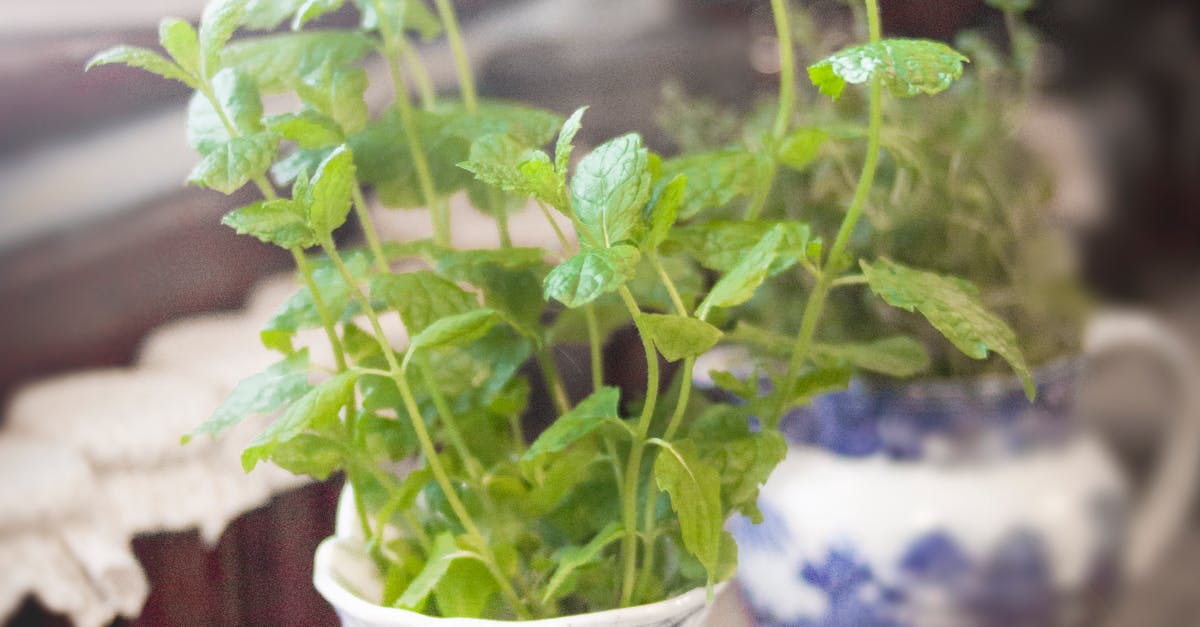
Caring for Your Plants Throughout the Year: Learn effective techniques for maintaining healthy herbal plants all year round, covering feeding, pruning, and pest control measures.
To keep your herbal plants healthy and productive throughout the year, it’s important to provide them with proper care. Here are some essential tips:
-
Feeding: Herbs benefit from occasional fertilizing. Use a balanced fertilizer and follow the instructions on the package. You can also use organic fertilizers, such as compost or manure tea.
-
Pruning: Pruning helps to promote new growth and prevent your herbs from becoming leggy. Prune your herbs regularly, removing any dead or damaged leaves and stems. You can also pinch back the tips of the stems to encourage bushier growth.
-
Pest control: Herbs can be susceptible to pests such as aphids and spider mites. Inspect your plants regularly and treat any pests promptly. You can use organic pest control methods, such as insecticidal soap or neem oil.
In addition to these essential care tips, you may also want to consider the following:
-
Watering: Water your herbs regularly, but avoid overwatering. The soil should be moist but not soggy.
-
Mulching: Mulching around your herbs can help retain moisture, suppress weeds, and regulate soil temperature.
-
Winter care: If you live in a cold climate, you will need to protect your herbs from the cold. You can do this by bringing them indoors or by covering them with a thick layer of mulch.
By following these care tips, you can help your herbal plants thrive all year round and enjoy a bountiful harvest of delicious and healthy teas.
5. Harvesting and Drying Your Herbs
Harvesting and Drying Your Herbs: Discover the ideal harvesting time for different herbs and the best methods for drying them properly to preserve their flavor and medicinal properties.
Once your herbs have reached maturity, it’s time to harvest them. The ideal harvesting time for different herbs varies, but as a general rule, you should harvest herbs just before they flower. This is when their flavor and medicinal properties are at their peak.
To harvest your herbs, simply cut the stems just above the leaves. You can use a sharp knife or scissors. Once you have harvested your herbs, you need to dry them properly to preserve their flavor and medicinal properties.
There are two main methods for drying herbs:
-
Air drying: Air drying is the most traditional method of drying herbs. Simply hang your herbs upside down in a warm, dry, and well-ventilated area. The herbs will take several weeks to dry completely.
-
Oven drying: Oven drying is a faster method of drying herbs, but it’s important to be careful not to overheat the herbs. Spread your herbs on a baking sheet and place them in an oven set to the lowest temperature. Leave the oven door slightly open to allow the moisture to escape. The herbs will take several hours to dry completely.
Once your herbs are dry, you can store them in airtight containers in a cool, dark place. Dried herbs will retain their flavor and medicinal properties for up to a year.
Quiz
-
True or False: Herbal teas offer a wide range of health benefits, including calming effects and antioxidant properties.
-
Which of the following is NOT a popular herb for balcony cultivation?
(a) Chamomile
(b) Aloe vera
(c) Peppermint
(d) Lavender
-
What is the ideal harvesting time for most herbs?
(a) After they flower
(b) Just before they flower
(c) When they are young seedlings
(d) When they are fully mature
-
Which of the following is a key factor in creating the optimal growing environment for herbal plants?
(a) Sunlight exposure
(b) Well-drained soil
(c) Proper watering
(d) All of the above
-
What is the best way to dry herbs to preserve their flavor and medicinal properties?
(a) Microwave drying
(b) Air drying
(c) Sun drying
(d) Oven drying
Answer Key
- True
- (b) Aloe vera
- (b) Just before they flower
- (d) All of the above
- (b) Air drying
Unlock the Greenery Potential of Your Balcony: A Guide to Thriving Plants in Compact Spaces Attention all balcony-dwelling plant enthusiasts! Read more
Transform Your Balcony into a Flourishing Garden Oasis: A Step-by-Step Guide Beginning a balcony garden can be a fulfilling endeavor, Read more
Unlocking the Potential of Vertical Gardening on Balconies Are you tired of your cramped balcony but still longing for a Read more
Aromatic Delights: Cultivating Herbs on Your Balcony Oasis Whether you're a seasoned gardener or just starting out, growing herbs on Read more