
Vertical Delights: Maximizing Salad Gardens in Limited Spaces

Embark on a vertical gardening journey and transform limited spaces into thriving salad havens. Discover innovative space-saving techniques like vertical trellises and stacked containers to maximize your salad-growing potential.
Unleash the power of compact and fast-growing salad greens, meticulously selected for their ability to flourish in small spaces and containers. Explore nutrient-packed varieties like arugula, spinach, and kale, ensuring a bountiful harvest rich in essential vitamins and minerals.
Craft the perfect soil environment, providing optimal drainage and nutrient availability for your salad greens. Discover the secrets of creating a well-draining soil blend specifically tailored for container-grown greens and implement effective drainage solutions to prevent waterlogging.
1. Plan Your Vertical Salad Paradise
Plan Your Vertical Salad Paradise: Space-Saving Techniques for Abundant Harvests
Maximize your salad-growing potential by embracing vertical gardening techniques and transforming limited spaces into thriving salad havens. Vertical gardening allows you to grow salad greens upwards, utilizing vertical space to overcome spatial constraints.
Hang lush planters from walls, fences, or pergolas to create vertical gardens that add a touch of verdant beauty to your surroundings. Utilize wall-mounted systems to create living walls adorned with salad greens, providing both aesthetic appeal and a convenient source of fresh produce.
Incorporate trellises into your garden design, providing support for climbing salad greens like runner beans and peas. Trellising not only saves space but also improves air circulation and sunlight exposure for your plants, resulting in healthier growth and increased yields.
Vertical Gardening Techniques
Vertical Gardening Techniques: Creating Verdant Walls of Salad Greens
Hanging planters are a versatile option for vertical gardening, allowing you to suspend salad greens from ceilings, walls, or balconies. This technique is ideal for small spaces, as it doesn’t require any ground space and can be easily adjusted to accommodate different plant heights. Choose hanging planters with drainage holes to prevent waterlogging and opt for lightweight materials like plastic or fabric to avoid putting too much strain on the suspension system.
Wall-mounted systems provide a more structured approach to vertical gardening, offering a variety of options to suit different spaces and design preferences. These systems typically consist of panels or grids that are attached to walls and can be customized with modular components like planters, shelves, and trellises. Wall-mounted systems are particularly well-suited for growing salad greens that require support, such as climbing varieties like runner beans and peas.
Trellises are another excellent option for vertical gardening, providing support for climbing salad greens and maximizing vertical space utilization. Trellises can be made from various materials, including wood, metal, or plastic, and can be configured in various shapes and sizes to accommodate different garden layouts. By training climbing salad greens to grow upwards on trellises, you can save ground space and improve air circulation, leading to healthier plants and increased yields.
Container Gardening for Salad Lovers
Container Gardening for Salad Lovers: Optimizing Space for Abundant Greens
Stacked containers are an innovative way to maximize vertical space in container gardens, allowing you to grow more salad greens in a limited footprint. These containers are designed to be stacked on top of each other, creating a vertical tower of salad greens. Stacked containers are particularly well-suited for growing shallow-rooted salad greens like lettuce, arugula, and spinach.
Tower gardens are another space-saving option for container gardening, offering a vertical growing system that can accommodate a large number of salad greens in a small area. Tower gardens consist of a central tower or column with multiple planting levels, allowing you to grow salad greens vertically. They are often equipped with self-watering systems, making them a convenient and low-maintenance option.
Self-watering planters are a great choice for busy gardeners or those who want to minimize the time spent on watering. These planters have a built-in reservoir that supplies water to the plants through capillary action, ensuring that they receive a consistent moisture supply without the need for frequent watering. Self-watering planters are particularly beneficial for salad greens that require moist soil, such as lettuce and watercress.
2. Selecting the Superstar Salad Greens

Selecting the Superstar Salad Greens: Choosing the Best Varieties for Small Spaces
When selecting salad greens for small spaces and containers, it’s important to choose varieties that are fast-growing, compact, and nutrient-rich. Fast-growing varieties will provide you with a quick harvest, allowing you to enjoy fresh salad greens in a matter of weeks. Compact varieties are ideal for small spaces, as they won’t take up too much room and can be easily grown in containers. Nutrient-rich varieties will provide you with a healthy and flavorful harvest.
Someのおすすめ салатных культурfor small spaces and containers include:
- Lettuce: Lettuce is a classic salad green that is easy to grow and comes in a variety of shapes and sizes. Some compact varieties of lettuce that are well-suited for containers include ‘Little Gem’, ‘Buttercrunch’, and ‘Red Sails’.
- Arugula: Arugula is a peppery salad green that is packed with nutrients. It is a fast-growing variety that can be harvested in as little as 30 days.
- Spinach: Spinach is a栄養価の高いサラダの緑that is a good source of iron and vitamin K. It is a relatively compact variety that can be grown in containers or small garden beds.
- Kale: Kale is a nutrient-packed salad green that is known for its hardiness and cold tolerance. It is a slow-growing variety, but it can be grown in containers or small garden beds.
- Swiss chard: Swiss chard is a栄養価の高いサラダの緑that is a good source of vitamins A, C, and K. It is a fast-growing variety that can be harvested in as little as 45 days.
Lettuce Varieties for Limited Spaces
Lettuce Varieties for Limited Spaces: Compact Choices for Abundant Harvests
When growing lettuce in small spaces or containers, it’s important to choose varieties that are compact and well-suited for these conditions. Someのおすすめ レタス品種for limited spaces include:
- Little Gem: Little Gem is a compact variety of lettuce that forms small, tightly packed heads. It is a fast-growing variety that can be harvested in as little as 45 days.
- Buttercrunch: Buttercrunch is another compact variety of lettuce that forms loose, buttery heads. It is a slightly slower-growing variety than Little Gem, but it is still well-suited for small spaces and containers.
- Red Sails: Red Sails is a compact variety of lettuce that forms loose, frilly heads with red-tinged leaves. It is a slow-growing variety, but it is prized for its unique appearance and mild flavor.
These three varieties of lettuce are all well-suited for growing in containers or small garden beds. They are relatively easy to grow and can provide you with a bountiful harvest of fresh lettuce throughout the growing season.
Nutrient-Packed Greens for Small Gardens
Nutrient-Packed Greens for Small Gardens: Cultivating Health and Flavor in Containers
When growing greens in small gardens or containers, it’s essential to choose varieties that are nutrient-dense and well-suited for these conditions. Someおすすめの栄養価の高いグリーンfor small gardens include:
- Arugula: Arugula is a peppery salad green that is packed with nutrients, including vitamins A, C, and K, and calcium. It is a fast-growing variety that can be harvested in as little as 30 days.
- Spinach: Spinach is a栄養価の高いサラダの緑that is a good source of iron, vitamin K, and folate. It is a relatively slow-growing variety, but it can be grown in containers or small garden beds.
- Kale: Kale is a nutrient-packed salad green that is known for its hardiness and cold tolerance. It is a slow-growing variety, but it is packed with vitamins A, C, and K, and calcium.
- Swiss chard: Swiss chard is a栄養価の高いサラダの緑that is a good source of vitamins A, C, and K, and magnesium. It is a fast-growing variety that can be harvested in as little as 45 days.
These four varieties of greens are all well-suited for growing in containers or small garden beds. They are relatively easy to grow and can provide you with a bountiful harvest of nutrient-rich greens throughout the growing season.
3. Creating the Ideal Soil Environment
Creating the Ideal Soil Environment: Nurturing Your Salad Greens for Success
To ensure the optimal growth and health of your salad greens, it’s crucial to provide them with a nutrient-rich and well-draining soil environment. Here’s how to achieve this:
- Preparing Nutrient-Rich Soil: Salad greens require a soil that is rich in organic matter and essential nutrients. You can create your own nutrient-rich soil mix by combining equal parts compost, peat moss, and vermiculite. This mixture will provide your greens with the nutrients they need to thrive.
- Ensuring Proper Drainage: Good drainage is essential for preventing root rot and other soil-borne diseases. Make sure your containers or garden beds have drainage holes to allow excess water to drain away. You can also add a layer of gravel or broken pottery to the bottom of your containers to improve drainage.
By following these tips, you can create the ideal soil environment for your salad greens, ensuring their optimal growth and health.
Crafting the Perfect Soil Blend
Crafting the Perfect Soil Blend: A Foundation for Flourishing Salad Greens
When growing salad greens in containers, it’s essential to create a well-draining, nutrient-rich soil blend that meets their specific needs. Here’s a step-by-step guide to crafting the perfect soil mixture:
- Choose the Right Ingredients: The ideal soil blend for container-grown salad greens consists of equal parts compost, peat moss, and vermiculite. Compost provides organic matter and nutrients, peat moss helps retain moisture, and vermiculite improves drainage.
- Mix the Ingredients Thoroughly: In a large container or wheelbarrow, combine the compost, peat moss, and vermiculite. Use a shovel or trowel to mix the ingredients until they are evenly distributed.
- Add Organic Fertilizer: To further enrich the soil blend, add a balanced organic fertilizer according to the manufacturer’s instructions. Mix the fertilizer into the soil until it is evenly distributed.
- Check the pH Level: Salad greens prefer a slightly acidic soil with a pH between 6.0 and 6.5. If necessary, adjust the pH level of your soil blend using lime or sulfur.
By following these steps, you can create a nutrient-rich, well-draining soil blend that will provide your container-grown salad greens with the optimal growing conditions.
Drainage Solutions for Salad Gardens
Drainage Solutions for Salad Gardens: Preventing Waterlogging for Thriving Greens
Ensuring proper drainage is crucial for preventing waterlogging and root rot in salad gardens. Here are several effective drainage techniques to consider:
- Elevated Containers: Growing salad greens in elevated containers allows excess water to drain away more easily. Choose containers with drainage holes and place them on a raised surface, such as a bench or cinder blocks.
- Gravel Beds: Creating a gravel bed beneath your salad garden can improve drainage by providing a reservoir for excess water. Dig a trench around the perimeter of your garden and fill it with gravel or crushed stone.
- French Drains: French drains are underground pipes that collect and redirect excess water away from your garden. They are more complex to install but offer a highly effective drainage solution.
By implementing these drainage techniques, you can prevent waterlogging and create a healthy environment for your salad greens to thrive.
4. Watering and Fertilizing for Bountiful Harvests
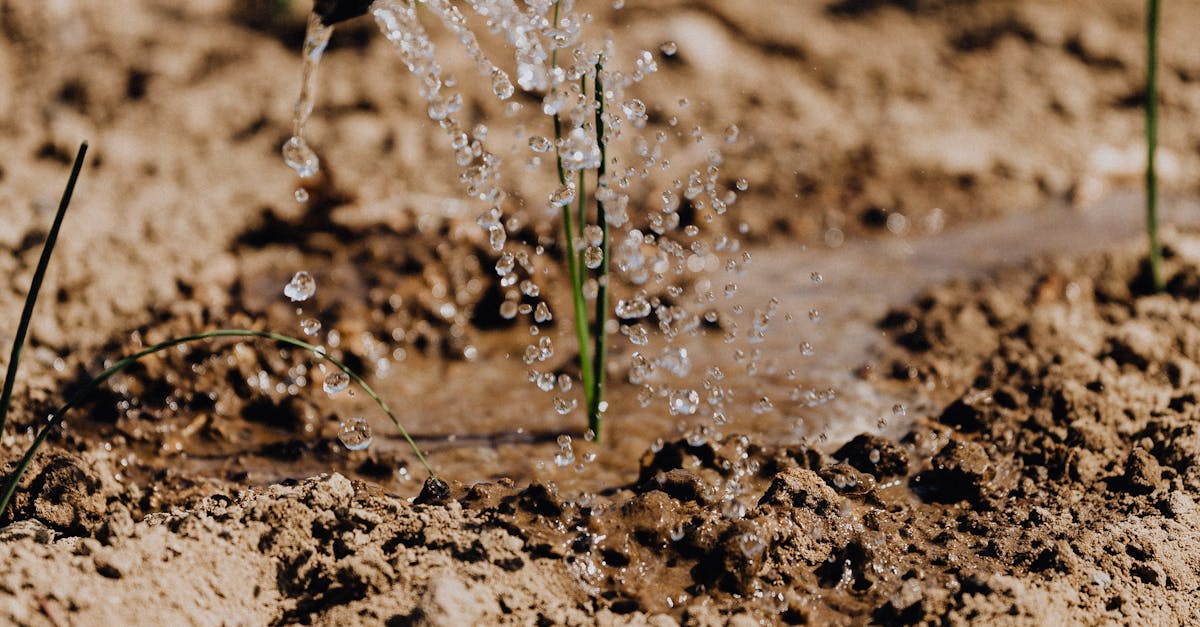
Watering and Fertilizing for Bountiful Harvests: Nurturing Salad Greens for Optimal Growth
Maintaining optimal moisture levels and providing essential nutrients are crucial for ensuring vibrant growth and abundant yields in your salad garden. Here’s how to effectively water and fertilize your salad greens:
- Watering Techniques: Salad greens prefer consistently moist soil but not soggy conditions. Water your plants deeply and regularly, especially during hot, dry weather. Avoid overwatering, as this can lead to root rot. Consider using a soaker hose or drip irrigation system for efficient watering.
- Fertilizing for Salad Greens: Salad greens require a balanced supply of nutrients to thrive. Fertilize your plants every 2-3 weeks with a liquid fertilizer diluted to half strength. Choose a fertilizer that is specifically formulated for leafy greens and follow the manufacturer’s instructions.
By following these watering and fertilizing practices, you can provide your salad greens with the optimal conditions for healthy growth and bountiful harvests.
Watering Techniques for Salad Gardens
Watering Techniques for Salad Gardens: Ensuring Optimal Hydration for Thriving Greens
Proper watering is essential for maintaining healthy and productive salad greens. Here are some key watering techniques to consider:
- Frequency: The frequency of watering will vary depending on factors such as climate, soil type, and plant size. Generally, salad greens require regular watering, especially during hot, dry weather. Check the soil moisture by inserting your finger about an inch deep; if the soil feels dry, it’s time to water.
- Quantity: When watering, aim to soak the soil deeply to encourage strong root growth. Avoid shallow watering, as this only wets the surface and can lead to weak root systems.
- Techniques: There are several effective watering techniques for salad gardens. Hand watering with a hose or watering can allows for precise application. Soaker hoses or drip irrigation systems deliver water directly to the roots, minimizing evaporation and reducing the risk of fungal diseases. Bottom watering, where water is placed in a tray beneath the containers, is a gentle method that prevents damage to delicate leaves.
By implementing these watering techniques, you can ensure that your salad greens receive the optimal hydration they need to thrive.
Fertilizing for Salad Greens
Fertilizing for Salad Greens: Nourishing Your Leafy Delights
Fertilizing is crucial for providing salad greens with the essential nutrients they need for optimal growth and flavor. Here are some key considerations when fertilizing your salad garden:
- Organic vs. Synthetic Fertilizers: Both organic and synthetic fertilizers can be effective in providing nutrients to salad greens. Organic fertilizers, such as compost and manure, release nutrients slowly over time and improve soil structure. Synthetic fertilizers, on the other hand, provide a quick burst of nutrients that can be beneficial during periods of rapid growth.
- Specific Nutritional Needs: Different types of salad greens have varying nutritional needs. Nitrogen is essential for leaf growth, while phosphorus promotes root development. Potassium helps regulate water balance and disease resistance. Choose a fertilizer that is specifically formulated for leafy greens and follow the manufacturer’s instructions for application.
- Frequency and Timing: Fertilize your salad greens every 2-3 weeks during the growing season. Avoid over-fertilizing, as this can lead to nutrient burn and stunted growth.
By understanding the specific nutritional needs of your salad greens and choosing the right fertilizer, you can ensure that your plants receive the nourishment they need to thrive.
5. Harvesting and Enjoying Your Salad Bounty
Harvesting and Enjoying Your Salad Bounty: Preserving Freshness and Flavor
Harvesting your salad greens at the right time and storing them properly is essential for preserving their freshness, nutritional value, and flavor. Here are some key considerations:
- Harvesting Techniques: Harvest salad greens when they are young and tender, typically 30-45 days after planting. Cut the leaves at the base of the plant, leaving the roots intact for continued growth. Avoid harvesting during hot, sunny weather, as this can wilt the leaves.
- Storage Methods: To maintain freshness, store salad greens in a cool, humid environment. Wrap them loosely in a damp paper towel or place them in a sealed container with a damp paper towel. Refrigerate the greens for up to 5 days, but consume them as soon as possible for optimal flavor and nutrient retention.
- Preservation Techniques: For longer storage, consider preserving your salad greens by blanching or freezing them. Blanching involves briefly boiling the greens and then plunging them into cold water to stop the cooking process. Freezing can preserve greens for several months, but it may slightly alter their texture.
By following these harvesting and storage techniques, you can enjoy fresh, flavorful salad greens for days or even months to come.
Harvesting Techniques for Salad Greens
Harvesting Techniques for Salad Greens: Timing and Methods for Optimal Flavor
Harvesting salad greens at the right time and using proper techniques is crucial for preserving their flavor, texture, and nutritional value. Here are some key considerations for harvesting different types of salad greens:
- Harvesting Time: Harvest salad greens when they are young and tender, typically 30-45 days after planting. This is when their flavor is at its peak and they are most nutritious. Different varieties of greens may have slightly different harvesting times, so check the seed packet or consult a gardening guide for specific recommendations.
- Harvesting Methods: The most common method for harvesting salad greens is to cut the leaves at the base of the plant, leaving the roots intact for continued growth. This allows the plant to produce new leaves for multiple harvests. You can also harvest entire heads of lettuce or chicory by cutting the stem at the soil line.
- Variety-Specific Considerations: Some salad greens, such as arugula and spinach, can be harvested by cutting individual leaves as needed. Others, like romaine lettuce, form a head that should be harvested when it is fully mature. Herbs like basil and cilantro can be harvested by pinching off the top leaves or stems.
By understanding the optimal harvesting time and techniques for different types of salad greens, you can ensure that your homegrown greens are always at their best.
Storage Techniques for Salad Greens
Storage Techniques for Salad Greens: Preserving Freshness and Quality
Proper storage techniques are essential for maintaining the freshness, quality, and nutritional value of salad greens after harvesting. Here are some effective storage methods to consider:
- Refrigeration: Refrigeration is a common and effective way to store salad greens. Wrap the greens loosely in a damp paper towel or place them in a sealed container with a damp paper towel. Store them in the refrigerator at a temperature of around 32-36°F (0-2°C) for up to 5 days. Avoid storing greens in plastic bags, as this can trap moisture and lead to spoilage.
- Hydro Cooling: Hydro cooling is a method used to rapidly cool salad greens after harvesting. This involves submerging the greens in cold water or a hydro cooling solution to quickly reduce their temperature. Hydro cooling helps preserve the freshness and quality of greens by slowing down their respiration rate and enzymatic activities.
- Controlled Atmosphere Storage: Controlled atmosphere storage (CAS) is a technique used to store salad greens in a controlled environment with specific levels of oxygen, carbon dioxide, and temperature. CAS helps slow down the aging process and reduces spoilage, allowing greens to be stored for longer periods of time while maintaining their freshness and quality.
By implementing these proper storage techniques, you can extend the shelf life of your salad greens and enjoy their freshness and nutrients for days or even weeks.
Quiz: Test Your Salad Gardening Knowledge
- Which of the following is NOT a space-saving technique for growing salad greens?
- Vertical gardening
- Trellising
- Hydroponics
- Container stacking
- True or False: Fast-growing and compact salad greens are ideal for small spaces and containers.
- True
- False
- Which nutrient-rich salad green is known for its peppery flavor?
- Arugula
- Spinach
- Kale
- Lettuce
- What is the recommended pH level for salad greens?
- 5.0-5.5
- 6.0-6.5
- 7.0-7.5
- 8.0-8.5
- Which storage method is best for preserving the freshness and quality of salad greens for up to 5 days?
- Refrigeration
- Hydro cooling
- Controlled atmosphere storage
- Vacuum sealing
Answer Key:
- Hydroponics
- True
- Arugula
- 6.0-6.5
- Refrigeration
Answer Key:
- Hydroponics
- True
- Arugula
- 6.0-6.5
- Refrigeration
Unlock the Greenery Potential of Your Balcony: A Guide to Thriving Plants in Compact Spaces Attention all balcony-dwelling plant enthusiasts! Read more
Transform Your Balcony into a Flourishing Garden Oasis: A Step-by-Step Guide Beginning a balcony garden can be a fulfilling endeavor, Read more
Unlocking the Potential of Vertical Gardening on Balconies Are you tired of your cramped balcony but still longing for a Read more
Aromatic Delights: Cultivating Herbs on Your Balcony Oasis Whether you're a seasoned gardener or just starting out, growing herbs on Read more