
Your Essential Guide to Balcony Gardening Tools and Accessories
Balcony gardening has become increasingly popular in recent years, offering a convenient and accessible way to enjoy the benefits of gardening in urban environments. Whether you have a small balcony or a larger outdoor space, having the right tools and accessories can make all the difference in the success of your balcony garden. This comprehensive guide will provide you with an overview of the essential tools you need to get started, from containers and soil to watering equipment and gardening tools. By following these tips, you can create a thriving balcony garden that will provide you with fresh produce, beautiful flowers, and a sense of tranquility all season long.
As a balcony gardener, space is often limited, making it important to choose containers that are both functional and visually appealing. Consider the size and shape of your balcony, as well as the types of plants you want to grow, when selecting containers. Opt for containers with drainage holes to prevent waterlogging and choose materials that are durable and can withstand outdoor conditions.
Choosing the right soil is essential for the health of your plants. Look for a potting mix that is specifically designed for container gardening and contains a blend of organic matter, such as compost or peat moss. Compost is a great way to improve soil structure, drainage, and fertility, and it can be easily made at home using organic materials. By providing your plants with a nutrient-rich and well-draining soil, you can help them thrive and flourish in their balcony environment.
1. Essential Tools for Balcony Gardening: A Comprehensive Guide
When it comes to balcony gardening, having the right tools is essential for success. These tools will help you to prepare your containers, plant your seeds or seedlings, and care for your plants as they grow. Here is a comprehensive overview of the essential tools you need for balcony gardening:
-
Containers and Pots: Choosing the right containers and pots is crucial for balcony gardening. Consider the size and shape of your balcony, as well as the types of plants you want to grow. Opt for containers with drainage holes to prevent waterlogging and choose materials that are durable and can withstand outdoor conditions.
-
Soil and Compost: High-quality soil and compost are vital for plant growth and development. Look for a potting mix that is specifically designed for container gardening and contains a blend of organic matter, such as compost or peat moss. Compost is a great way to improve soil structure, drainage, and fertility, and it can be easily made at home using organic materials.
-
Watering Equipment: Proper watering is crucial for plant health. Choose watering tools that are appropriate for the size of your containers and the types of plants you are growing. Watering cans and bottles are a good option for small to medium-sized containers, while soaker hoses and drip irrigation systems are more efficient for larger containers and multiple plants.
-
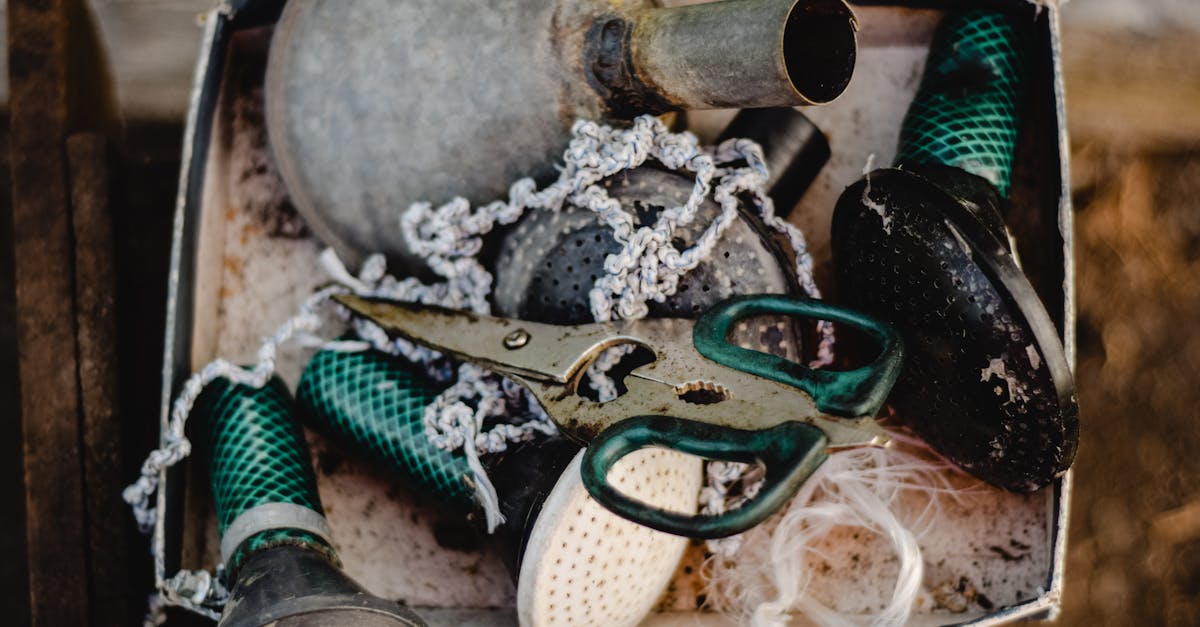
Gardening Tools: Essential gardening tools make plant care and maintenance easier. A hand trowel is essential for digging, planting, and transplanting, while a cultivator helps to aerate and loosen the soil. Pruners and shears are used for pruning, shaping, and removing dead or diseased plant material.
With the right tools and a little bit of care, you can create a thriving balcony garden that will provide you with fresh produce, beautiful flowers, and a sense of tranquility all season long.
2. 1. Containers and Pots
When it comes to balcony gardening, choosing the right containers and pots is crucial. The type of container you choose will impact the growth and health of your plants, as well as the overall aesthetic of your balcony garden. Here are some factors to consider when selecting containers and pots for your balcony:
-
Size: The size of the container you choose will depend on the size of the plants you want to grow. Small containers are suitable for herbs, small flowers, and vegetables, while larger containers are better for larger plants, such as tomatoes, peppers, and cucumbers.
-
Material: Containers and pots are made from a variety of materials, including plastic, ceramic, terracotta, and fabric. Plastic containers are lightweight and durable, making them a good choice for balconies with limited space. Ceramic and terracotta containers are heavier, but they offer good drainage and insulation for plants. Fabric containers are a good option for plants that need good drainage, such as strawberries and tomatoes.
-
Drainage: Good drainage is essential for healthy plants. Make sure the containers you choose have drainage holes in the bottom to allow excess water to drain out. If the containers do not have drainage holes, you can drill your own or line the bottom of the container with gravel or broken pottery to create drainage.
-
Style: The style of the containers you choose is a matter of personal preference. There are many different styles of containers available, from classic terracotta pots to modern plastic planters. Choose containers that complement the style of your balcony and your personal taste.
With the right containers and pots, you can create a beautiful and thriving balcony garden that will provide you with fresh produce, beautiful flowers, and a sense of tranquility all season long.
Types of Containers
There are many different types of containers available for balcony gardening, each with its own unique features and suitability for different plants. Here is a brief overview of some of the most popular types of containers:
Plastic containers are lightweight and durable, making them a good choice for balconies with limited space. They are also relatively inexpensive and come in a variety of sizes and colors. However, plastic containers can be prone to fading and cracking over time, and they may not be as aesthetically pleasing as other types of containers.
Ceramic containers are heavier than plastic containers, but they offer good drainage and insulation for plants. They are also more durable and less likely to fade or crack over time. Ceramic containers come in a variety of styles and colors, so you can find ones that complement the style of your balcony and your personal taste.
Terracotta containers are made from a porous clay material that allows water and air to pass through. This makes them a good choice for plants that need good drainage, such as cacti and succulents. Terracotta containers are also relatively inexpensive and come in a variety of sizes and styles. However, they can be heavy and fragile, and they may need to be sealed to prevent water from seeping out.
Fabric containers are made from a breathable fabric material that allows water and air to pass through. This makes them a good choice for plants that need good drainage, such as strawberries and tomatoes. Fabric containers are also lightweight and easy to move around, making them a good choice for balconies with limited space. However, fabric containers can be more expensive than other types of containers, and they may not be as durable.
When choosing containers for your balcony garden, it is important to consider the size, material, drainage, and style of the containers. You should also consider the types of plants you want to grow and the amount of space you have available on your balcony.
Drainage and Size Considerations
Proper drainage is essential for healthy plants. Without proper drainage, water can accumulate around the roots of plants, leading to root rot and other problems. When choosing containers for your balcony garden, it is important to make sure that they have drainage holes in the bottom. If the containers do not have drainage holes, you can drill your own or line the bottom of the container with gravel or broken pottery to create drainage.
The size of the container you choose will depend on the size of the plant you want to grow. Small containers are suitable for small plants, such as herbs and flowers, while larger containers are better for larger plants, such as tomatoes and peppers. When choosing a container size, it is important to consider the root system of the plant. Plants with large root systems will need larger containers, while plants with small root systems can be grown in smaller containers.
Here are some tips for choosing the right container size for your plants:
- For plants with small root systems, such as herbs and flowers, a container that is 6-8 inches in diameter and depth is usually sufficient.
- For plants with medium-sized root systems, such as tomatoes and peppers, a container that is 12-14 inches in diameter and depth is usually sufficient.
- For plants with large root systems, such as trees and shrubs, a container that is 18-24 inches in diameter and depth is usually sufficient.
If you are unsure about the size of container that you need for a particular plant, it is always best to err on the side of caution and choose a larger container.
3. 2. Soil and Compost
High-quality soil and compost are essential for the growth and development of healthy plants. Soil provides plants with the nutrients they need to grow, while compost helps to improve the soil structure and fertility. There are many different types of soil and compost available, so it is important to choose the right ones for your plants and your balcony garden.
Types of soil
There are three main types of soil: sandy soil, clay soil, and loam soil. Sandy soil is light and well-draining, but it does not hold nutrients well. Clay soil is heavy and compacted, and it can be difficult for water and air to penetrate. Loam soil is a mixture of sand, clay, and organic matter, and it is the best type of soil for most plants.
When choosing soil for your balcony garden, it is important to select a soil that is well-draining and contains a good amount of organic matter. You can also amend the soil with compost to improve its fertility.
Types of compost
Compost is a natural fertilizer that is made from decomposed organic matter. Compost can be made from a variety of materials, such as food scraps, yard waste, and paper products. There are two main types of compost: aerobic compost and anaerobic compost.
Aerobic compost is made by composting organic matter in the presence of oxygen. Aerobic composting is a relatively quick process, and it produces a compost that is rich in nutrients. Anaerobic compost is made by composting organic matter in the absence of oxygen. Anaerobic composting is a slower process, and it produces a compost that is lower in nutrients but higher in organic matter.
How to create your own compost
You can easily create your own compost at home. To make compost, simply collect organic matter, such as food scraps, yard waste, and paper products, and place it in a compost bin or pile. Turn the compost regularly to aerate it, and keep it moist but not soggy. After a few months, the compost will be ready to use.
Compost is a great way to improve the soil in your balcony garden and provide your plants with the nutrients they need to grow and thrive.
Types of Soil
There are many different types of soil available, each with its own unique properties and suitability for different plants and balcony conditions. Here is a brief overview of some of the most popular types of soil:
Potting mix is a type of soil that is specifically designed for growing plants in containers. Potting mix is typically made from a combination of peat moss, compost, and perlite or vermiculite. It is lightweight and well-draining, and it provides plants with the nutrients they need to grow and thrive.
Garden soil is a type of soil that is taken from the ground. Garden soil can vary in composition, but it typically contains a mixture of sand, silt, and clay. Garden soil is not as well-draining as potting mix, so it is important to amend it with compost or other organic matter to improve its drainage.
Raised bed mix is a type of soil that is specifically designed for growing plants in raised beds. Raised bed mix is typically made from a combination of compost, peat moss, and perlite or vermiculite. It is lightweight and well-draining, and it provides plants with the nutrients they need to grow and thrive.
When choosing soil for your balcony garden, it is important to consider the type of plants you want to grow and the conditions on your balcony. If you are growing plants in containers, potting mix is a good choice. If you are growing plants in a raised bed, raised bed mix is a good choice. And if you are growing plants in the ground, garden soil is a good choice.
You can also amend any type of soil with compost to improve its drainage and fertility.
Benefits of Compost
Compost offers numerous benefits for balcony plants, including improved soil structure, nutrient enrichment, and moisture retention. Here is a brief overview of some of the benefits of compost:
- Improved soil structure: Compost helps to improve the structure of the soil by adding organic matter. Organic matter helps to loosen the soil and improve drainage, which makes it easier for plant roots to grow and absorb nutrients.
- Nutrient enrichment: Compost is a rich source of nutrients for plants. It contains a variety of essential nutrients, such as nitrogen, phosphorus, and potassium. These nutrients help plants to grow and thrive.
- Moisture retention: Compost helps to improve the moisture retention of the soil. Organic matter in compost acts like a sponge, absorbing and holding water. This helps to keep the soil moist and prevent plants from drying out.
You can easily make your own compost at home using organic materials, such as food scraps, yard waste, and paper products. To make compost, simply collect organic matter and place it in a compost bin or pile. Turn the compost regularly to aerate it, and keep it moist but not soggy. After a few months, the compost will be ready to use.
Compost is a great way to improve the soil in your balcony garden and provide your plants with the nutrients they need to grow and thrive.
4. 3. Watering Equipment
Proper watering is crucial for plant health. Watering too much or too little can lead to problems, so it is important to find the right balance. Here are some tips for watering your balcony plants:
- Water deeply and infrequently: It is better to water your plants deeply and infrequently than to water them lightly and frequently. Deep watering encourages the roots of plants to grow deep into the soil, which makes them more drought-tolerant.
- Check the soil before watering: Before you water your plants, check the soil to see if it is dry. If the soil is still moist, wait a few days before watering again.
- Water at the base of the plant: When you water your plants, water at the base of the plant, avoiding the leaves. Watering the leaves can promote disease.
- Use efficient watering methods: There are a variety of efficient watering methods available, such as soaker hoses and drip irrigation. These methods deliver water directly to the roots of plants, minimizing water waste.
Overwatering is a common problem, especially for balcony gardeners. Overwatering can lead to a number of problems, including root rot, yellowing leaves, and stunted growth. If you are unsure about how much to water your plants, it is always best to err on the side of caution and water less frequently.
Watering Cans and Bottles
Watering cans and bottles are two of the most common watering tools used by balcony gardeners. Watering cans are typically used for watering small to medium-sized plants, while watering bottles are typically used for watering individual plants or small areas.
When choosing a watering can or bottle, it is important to consider the size of your plants and the size of your balcony. If you have a small balcony, a small watering can or bottle will be sufficient. If you have a larger balcony, you may need a larger watering can or bottle.
It is also important to consider the design of the watering can or bottle. Some watering cans have long, narrow spouts that are good for watering individual plants. Other watering cans have shorter, wider spouts that are good for watering larger areas.
Here are some tips for using watering cans and bottles:
- Use a watering can with a long, narrow spout to water individual plants. This will help to prevent water from splashing onto the leaves of the plant.
- Use a watering can with a shorter, wider spout to water larger areas. This will help to distribute the water evenly over the soil.
- Water the base of the plant, avoiding the leaves. Watering the leaves can promote disease.
- Water deeply and infrequently. It is better to water your plants deeply and infrequently than to water them lightly and frequently. Deep watering encourages the roots of plants to grow deep into the soil, which makes them more drought-tolerant.
With proper care and maintenance, watering cans and bottles can last for many years.
Soaker Hoses and Drip Irrigation
Soaker hoses and drip irrigation systems are two efficient and targeted watering solutions that are ideal for balcony gardening. Soaker hoses are long, porous tubes that emit water along their entire length. Drip irrigation systems are made up of a network of tubes and emitters that deliver water directly to the roots of plants.
Soaker hoses are a good choice for watering plants that are evenly spaced. They are easy to set up and use, and they can be used to water plants in containers or in the ground. To use a soaker hose, simply connect it to a water source and place it around the base of your plants. The water will seep out of the hose and into the soil, watering the plants at their roots.
Drip irrigation systems are a good choice for watering plants that are irregularly spaced or that have different water needs. Drip irrigation systems are more efficient than soaker hoses, and they can help to prevent water waste. To set up a drip irrigation system, you will need to purchase a drip irrigation kit. The kit will include everything you need to set up the system, including a timer, tubing, and emitters.
Both soaker hoses and drip irrigation systems can be used to water plants on balconies. Soaker hoses are a good choice for small balconies, while drip irrigation systems are a good choice for larger balconies.
Advantages of using soaker hoses and drip irrigation systems for balcony gardening:
- Efficient water usage: Soaker hoses and drip irrigation systems deliver water directly to the roots of plants, minimizing water waste.
- Targeted watering: Soaker hoses and drip irrigation systems can be used to water individual plants or specific areas of the garden, which is ideal for balcony gardening.
- Reduced risk of disease: Soaker hoses and drip irrigation systems water the roots of plants, which helps to prevent water from splashing onto the leaves. This reduces the risk of disease.
- Easy to use: Soaker hoses and drip irrigation systems are easy to set up and use, even for beginners.
5. 4. Gardening Tools
Essential gardening tools make plant care and maintenance easier, especially in limited spaces like balconies. Here is a range of essential gardening tools and their specific uses:
- Hand trowel: A hand trowel is a small, handheld tool with a scoop-shaped blade. It is used for digging, planting, and transplanting small plants.
- Cultivator: A cultivator is a handheld tool with several curved tines. It is used to loosen the soil and remove weeds.
- Pruners: Pruners are handheld tools with sharp blades. They are used to prune branches, stems, and leaves.
- Shears: Shears are handheld tools with two sharp blades. They are used to cut larger branches and stems.
When choosing gardening tools for your balcony, it is important to consider the size of your balcony and the types of plants you are growing. If you have a small balcony, you may want to choose smaller, handheld tools. If you are growing larger plants, you may need larger tools, such as a pruning saw or loppers.
It is also important to choose gardening tools that are made from durable materials. Gardening tools can be exposed to the elements, so it is important to choose tools that will not rust or break easily.
With proper care and maintenance, gardening tools can last for many years. Here are some tips for caring for your gardening tools:
- Clean your tools after each use: This will help to prevent the spread of disease and pests.
- Sharpen your tools regularly: Sharp tools will make gardening easier and more efficient.
- Store your tools in a dry place: This will help to prevent rust and corrosion.
Hand Trowels and Cultivators
Hand trowels and cultivators are two essential gardening tools for balcony gardeners. Hand trowels are used for digging, planting, and transplanting, while cultivators are used to aerate and loosen the soil.
Hand trowels come in a variety of shapes and sizes. The most common type of hand trowel is the pointed trowel. Pointed trowels are good for digging in hard soil and for transplanting small plants. Other types of hand trowels include the flat trowel, the scoop trowel, and the transplanting trowel.
Cultivators also come in a variety of shapes and sizes. The most common type of cultivator is the three-pronged cultivator. Three-pronged cultivators are good for loosening the soil around plants and for removing weeds. Other types of cultivators include the four-pronged cultivator, the five-pronged cultivator, and the oscillating cultivator.
When choosing a hand trowel or cultivator, it is important to consider the size of your balcony and the types of plants you are growing. If you have a small balcony, you may want to choose smaller tools. If you are growing larger plants, you may need larger tools.
It is also important to choose hand trowels and cultivators that are made from durable materials. Hand trowels and cultivators can be exposed to the elements, so it is important to choose tools that will not rust or break easily.
With proper care and maintenance, hand trowels and cultivators can last for many years. Here are some tips for caring for your hand trowels and cultivators:
- Clean your tools after each use: This will help to prevent the spread of disease and pests.
- Sharpen your tools regularly: Sharp tools will make gardening easier and more efficient.
- Store your tools in a dry place: This will help to prevent rust and corrosion.
Pruners and Shears
Pruners and shears are essential gardening tools for balcony gardeners. Pruners are used to prune branches, stems, and leaves, while shears are used to cut larger branches and stems.
There are two main types of pruners: bypass pruners and anvil pruners. Bypass pruners have two sharp blades that bypass each other when cutting. Anvil pruners have a sharp blade that cuts against a flat surface. Bypass pruners are better for pruning live branches, while anvil pruners are better for pruning dead or diseased branches.
There are also two main types of shears: hedge shears and lopping shears. Hedge shears have two sharp blades that are used to trim hedges and shrubs. Lopping shears have one sharp blade and one blunt blade that are used to cut larger branches.
When choosing pruners or shears, it is important to consider the size of your balcony and the types of plants you are growing. If you have a small balcony, you may want to choose smaller pruners or shears. If you are growing larger plants, you may need larger pruners or shears.
It is also important to choose pruners and shears that are made from durable materials. Pruners and shears can be exposed to the elements, so it is important to choose tools that will not rust or break easily.
With proper care and maintenance, pruners and shears can last for many years. Here are some tips for caring for your pruners and shears:
- Clean your tools after each use: This will help to prevent the spread of disease and pests.
- Sharpen your tools regularly: Sharp tools will make pruning easier and more efficient.
- Oil your tools regularly: Oiling your tools will help to prevent rust and corrosion.
- Store your tools in a dry place: This will help to prevent rust and corrosion.
6. 5. Accessories and Additional Tips
In addition to the essential tools discussed above, there are a number of accessories and additional tips that can enhance your balcony gardening experience.
Trellises are a great way to support climbing plants, such as tomatoes, beans, and cucumbers. Trellises can be made from a variety of materials, such as wood, metal, or plastic. When choosing a trellis, it is important to consider the size and weight of the plants you will be growing.
Plant markers are a helpful way to keep track of what you have planted in your balcony garden. Plant markers can be made from a variety of materials, such as plastic, metal, or wood. When choosing plant markers, it is important to consider the size and shape of the plants you will be growing.
Companion planting is a technique that involves planting certain plants together to enhance their growth and productivity. For example, planting tomatoes and basil together can help to improve the growth of both plants. When companion planting, it is important to research which plants grow well together.
Here are some additional tips for balcony gardening:
- Choose the right plants: Not all plants are suited for growing on balconies. When choosing plants, it is important to consider the size of your balcony, the amount of sunlight you receive, and the type of plants you want to grow.
- Water your plants regularly: Balcony plants need to be watered regularly, especially during hot weather. The best time to water your plants is in the morning or evening, when the sun is not as strong.
- Fertilize your plants: Balcony plants need to be fertilized regularly to ensure that they have the nutrients they need to grow and thrive. There are a variety of fertilizers available, so it is important to choose one that is appropriate for the plants you are growing.
- Protect your plants from pests and diseases: Balcony plants are susceptible to a variety of pests and diseases. It is important to inspect your plants regularly for signs of pests or diseases. If you find any pests or diseases, treat them immediately.
Trellises and Plant Supports
Trellises and plant supports are essential for balcony gardeners who want to grow climbing plants. Climbing plants can help to maximize space utilization and improve plant health.
Trellises are a type of plant support that is made up of a frame with a latticework of supports. Climbing plants can grow up the supports, which helps to save space and improve air circulation. Trellises can be made from a variety of materials, such as wood, metal, or plastic.
Plant supports are another type of plant support that can be used to support climbing plants. Plant supports can be made from a variety of materials, such as stakes, cages, or hoops. Stakes are typically used to support individual plants, while cages and hoops are used to support larger plants or groups of plants.
When choosing a trellis or plant support, it is important to consider the size and weight of the plants you will be growing. It is also important to consider the amount of space you have available on your balcony.
Here are some of the benefits of using trellises and plant supports for balcony gardening:
- Maximize space utilization: Trellises and plant supports can help to maximize space utilization by allowing climbing plants to grow vertically. This is especially important for balcony gardeners who have limited space.
- Improve plant health: Trellises and plant supports can help to improve plant health by providing support and improving air circulation. This can help to prevent diseases and pests.
- Add visual interest: Trellises and plant supports can add visual interest to your balcony garden. Climbing plants can create a beautiful and lush display.
Plant Markers and Labels
Plant markers and labels are essential for balcony gardeners who grow multiple varieties of plants in a limited space. Plant markers help you to identify and keep track of your plants, especially when they are young and look similar.
Plant markers can be made from a variety of materials, such as plastic, metal, wood, or even recycled materials. They can be purchased at most garden centers or online. When choosing plant markers, it is important to consider the size and shape of your plants. You will also want to choose plant markers that are durable and weather-resistant.
There are a variety of ways to use plant markers. You can write the name of the plant on the marker, or you can use a code system to identify different varieties. You can also use plant markers to track the date you planted the seeds or seedlings, or to note any special care instructions.
Here are some of the benefits of using plant markers and labels for balcony gardening:
- Identify your plants: Plant markers help you to identify your plants, especially when they are young and look similar. This is important for proper plant care and maintenance.
- Keep track of your plants: Plant markers help you to keep track of your plants, especially if you are growing multiple varieties in a limited space. This can help you to avoid overwatering or underwatering your plants.
- Note special care instructions: Plant markers can be used to note any special care instructions for your plants. For example, you can use plant markers to indicate which plants need more sun or water.
Companion Planting Techniques
Companion planting is a gardening technique that involves grouping specific plants together to enhance growth, pest resistance, and overall garden health. Companion planting can be used to improve the productivity of your balcony garden and to create a more beautiful and sustainable space.
There are many different companion planting combinations that you can use in your balcony garden. Here are a few examples:
- Tomatoes and basil: Basil is a natural insect repellent, so it can help to protect tomatoes from pests. Tomatoes, in turn, provide shade for the basil plants.
- Carrots and onions: Carrots and onions are both root vegetables that benefit from being planted together. The carrots help to loosen the soil for the onions, and the onions help to repel carrot flies.
- Lettuce and strawberries: Lettuce and strawberries are both low-growing plants that can be planted together to save space. The lettuce provides shade for the strawberries, and the strawberries help to keep the lettuce moist.
When companion planting, it is important to consider the size and shape of the plants you are planting together. You should also consider the amount of sunlight and water that each plant needs.
Here are some tips for effective companion planting in balcony gardens:
- Choose plants that have similar growing requirements: When choosing companion plants, it is important to choose plants that have similar growing requirements. This means that they should have similar needs for sunlight, water, and nutrients.
- Plant in close proximity: Companion plants should be planted in close proximity to each other so that they can benefit from each other’s presence.
- Use vertical space: Companion planting is a great way to use vertical space in your balcony garden. You can plant taller plants in the back of your containers and shorter plants in the front.
Quiz
-
True or False: Proper drainage is not crucial for healthy plants in balcony gardens.
-
Which of the following is NOT a benefit of using compost in balcony gardening?
(a) Improves soil structure
(b) Enriches the soil with nutrients
(c) Promotes overwatering
(d) Retains moisture
-
Which type of watering method is recommended for balcony gardeners with limited space?
(a) Watering cans
(b) Soaker hoses
(c) Drip irrigation systems
(d) Overhead sprinklers
-
True or False: Pruners and shears are used for the same purpose in gardening.
-
What is the main benefit of using trellises and plant supports in balcony gardening?
(a) Maximizing space utilization
(b) Improving plant health
(c) Reducing the risk of pests
(d) All of the above
Answer Key
-
False
-
(c) Promotes overwatering
-
(c) Drip irrigation systems
-
False
-
(d) All of the above
-
False
-
(c) Promotes overwatering
-
(c) Drip irrigation systems
-
False
-
(d) All of the above
Unlock the Greenery Potential of Your Balcony: A Guide to Thriving Plants in Compact Spaces Attention all balcony-dwelling plant enthusiasts! Read more
Transform Your Balcony into a Flourishing Garden Oasis: A Step-by-Step Guide Beginning a balcony garden can be a fulfilling endeavor, Read more
Unlocking the Potential of Vertical Gardening on Balconies Are you tired of your cramped balcony but still longing for a Read more
Aromatic Delights: Cultivating Herbs on Your Balcony Oasis Whether you're a seasoned gardener or just starting out, growing herbs on Read more