
Unlocking the Secrets of Shade Gardening for Balcony Delights
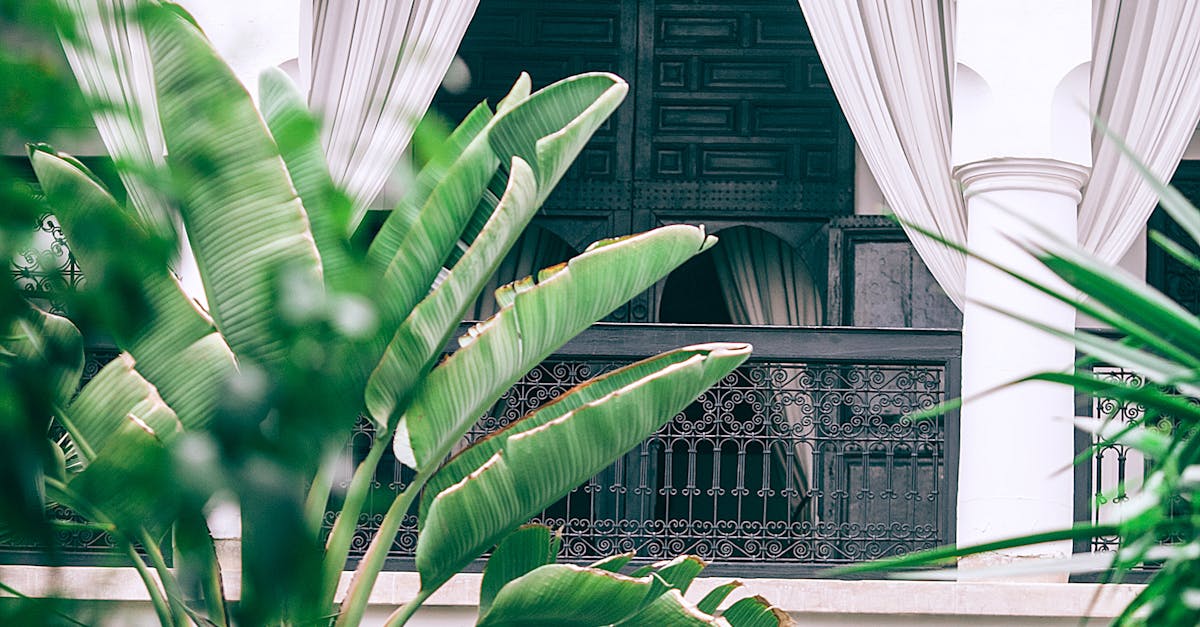
Embracing the Shade: Making the Most of Your Balcony Oasis
1. 1. Assessing Shade Intensity: Understanding Your Balcony’s Light Conditions
Understanding the intensity of shade on your balcony is the foundation for creating a thriving garden in a low-light environment. By observing sunlight patterns throughout the day, you can categorize the shade as light, partial, or deep. This assessment will guide your plant selection and gardening approach.
Light shade allows sunlight to filter through, providing a few hours of direct sun each day. This type of shade is ideal for plants that prefer indirect light, such as ferns, hostas, impatiens, and begonias.
Partial shade offers a mix of sun and shade throughout the day, with direct sunlight for part of the morning or afternoon. This type of shade is suitable for a wider range of plants, including shade-tolerant vegetables like lettuce, spinach, and carrots, as well as flowering plants like azaleas, camellias, and hydrangeas.
Deep shade receives minimal direct sunlight, typically less than two hours per day. This type of shade is best suited for plants that thrive in low-light conditions, such as mondo grass, lilyturf, and certain varieties of ferns and mosses.
By carefully assessing the shade intensity on your balcony, you can tailor your plant selection to create a beautiful and thriving garden that will flourish in its unique lighting conditions.
2. 2. Plant Selection: Embracing Shade-Tolerant Varieties

When gardening in shady areas, plant selection is key. Embrace the world of shade-tolerant varieties that have adapted to thrive in low-light conditions. These plants often exhibit unique characteristics that allow them to make the most of the available sunlight.
Foliage plants are a great choice for adding greenery and texture to your balcony garden. Ferns, hostas, and ivy are all popular options that tolerate shade. They come in a wide range of shapes, sizes, and colors, so you can create a lush and visually appealing display.
Shade-loving flowers can also brighten up your balcony. Begonias, impatiens, and fuchsias are all known for their ability to bloom in low-light conditions. These flowers come in a variety of colors and can add a touch of cheer to your shady oasis.
Even some vegetables can tolerate shade, making it possible to grow your own food on your balcony. Leafy greens like lettuce, spinach, and kale are all good choices for shady spots. Root vegetables like carrots and radishes can also be grown in partial shade.
When selecting plants for your shady balcony garden, be sure to research their specific light requirements. Some plants may tolerate more shade than others, so it’s important to choose varieties that are well-suited to your conditions. With a little planning, you can create a beautiful and thriving garden that will flourish in the shade.
3. 3. Vertical Gardening: Maximizing Space and Light Exposure
In limited spaces like balconies, vertical gardening is a clever way to maximize space and optimize light exposure for your plants. By utilizing vertical space, you can create a lush and thriving garden without sacrificing valuable floor area.
Trellises are a great way to support climbing plants and elevate them towards brighter spots. You can install trellises against walls or railings, or even create a freestanding structure. Climbing plants like ivy, clematis, and honeysuckle will happily climb up trellises, adding height and visual interest to your garden.
Hanging baskets are another excellent option for vertical gardening. They can be suspended from ceilings, beams, or hooks, and are perfect for trailing plants like ferns, petunias, and lobelia. Hanging baskets allow you to add color and texture to your balcony at different levels, creating a more dynamic and visually appealing display.
Wall-mounted planters are a great way to add greenery to vertical surfaces. They come in a variety of shapes and sizes, and can be used to create a living wall or display individual plants. Wall-mounted planters are perfect for small spaces and can be used to grow a variety of plants, including herbs, succulents, and flowers.
By incorporating vertical gardening techniques into your balcony garden, you can make the most of the available space and ensure that your plants receive adequate sunlight. With a little creativity, you can create a lush and vibrant garden that will transform your balcony into a tranquil oasis.
4. 4. Reflective Surfaces: Enhancing Light Availability

In shady areas, every bit of sunlight counts. Reflective surfaces can be employed to bounce sunlight onto shaded areas, effectively brightening up your balcony and extending the reach of natural light. This clever technique can make a significant difference in the growth and well-being of your plants.
White walls are an excellent reflective surface. If your balcony has white walls, you can use them to your advantage by placing plants near them. The white walls will reflect sunlight onto the plants, giving them a much-needed boost of light.
Mirrors can also be used to reflect sunlight onto shaded areas. You can hang mirrors on walls or fences, or even place them on the ground. The mirrors will reflect sunlight in all directions, creating brighter conditions for your plants.
When using reflective surfaces, it’s important to position them strategically to maximize their effectiveness. Place reflective surfaces opposite windows or other light sources to ensure that they can capture and redirect as much sunlight as possible.
By incorporating reflective surfaces into your balcony garden, you can make the most of the available sunlight and create a brighter and more inviting space for your plants to thrive.
5. 5. Artificial Lighting: Supplementing Natural Light
For balconies with deep shade, where natural light is scarce, artificial lighting can be a valuable supplementary solution. Grow lights, specifically designed for indoor plants, can provide the necessary light intensity and duration to support plant growth and development.
When choosing grow lights, it’s important to select ones that emit light in the wavelengths that plants need for photosynthesis. Look for grow lights that provide a balanced spectrum of blue and red light, as these wavelengths are essential for plant growth.
The intensity and duration of artificial lighting should be adjusted to meet the specific needs of your plants. Some plants may require more light than others, and the duration of lighting will vary depending on the season and the amount of natural light available.
As a general guideline, most plants will benefit from 12-16 hours of light per day. However, it’s important to monitor your plants and adjust the lighting accordingly. If your plants are showing signs of stress, such as yellowing leaves or stunted growth, you may need to increase the intensity or duration of the lighting.
By incorporating artificial lighting into your balcony garden, you can extend the growing season and provide your plants with the light they need to thrive, even in deep shade.
Quiz
1. Which of the following is NOT a technique for assessing shade intensity on a balcony?
(A) Observing sunlight patterns throughout the day (B) Using a light meter (C) Categorizing the shade as light, partial, or deep
2. True or False: All plants require the same amount of sunlight to grow.
3. Which of the following is a benefit of using vertical gardening techniques on a balcony?
(A) Maximizing space (B) Optimizing light exposure (C) Both A and B
4. What type of reflective surface is best for bouncing sunlight onto shaded areas?
(A) Dark walls (B) White walls (C) Mirrors
5. True or False: Artificial lighting can completely replace natural light for indoor plants.
Answer Key
- (B)
- False
- (C)
- (B) and (C)
- False
Unlock the Greenery Potential of Your Balcony: A Guide to Thriving Plants in Compact Spaces Attention all balcony-dwelling plant enthusiasts! Read more
Transform Your Balcony into a Flourishing Garden Oasis: A Step-by-Step Guide Beginning a balcony garden can be a fulfilling endeavor, Read more
Unlocking the Potential of Vertical Gardening on Balconies Are you tired of your cramped balcony but still longing for a Read more
Aromatic Delights: Cultivating Herbs on Your Balcony Oasis Whether you're a seasoned gardener or just starting out, growing herbs on Read more