 Skip to content
Aqueous Adornments: Enhancing Balcony Gardens with the Allure of Aquatic Plants

Escape to a serene oasis amidst the bustling city with aquatic plants that transform your balcony into a tranquil sanctuary. Immerse yourself in the beauty of floating water lilies, vibrant submerged greenery, and architectural emergent plants. Their captivating blooms, intricate forms, and lush textures create an enchanting visual experience that soothes the soul and elevates your well-being. Studies have shown that exposure to nature has a positive impact on mood and cognitive function. Bring the calming effects of nature onto your balcony with aquatic plants. Create a tranquil oasis where the gentle sounds of trickling water and the serene beauty of plants soothe your mind and reduce stress levels. Let the fresh fragrance of blooming water lilies revitalize your spirits and enhance your overall well-being. Beyond their aesthetic allure, aquatic plants bring life and dynamism to your balcony ecosystem. They provide food and shelter for a variety of wildlife, including beneficial insects, birds, and small animals. Create a harmonious garden environment where nature thrives and biodiversity flourishes.
1. Beautifying Your Balcony with Flourishing Aquatic Flora
Indulge in the aesthetic allure of aquatic plants to transform your balcony into a mesmerizing garden oasis. Their diverse forms, vibrant hues, and lush textures create an enchanting visual harmony that soothes the senses and elevates the beauty of your outdoor space.
Water lilies, with their captivating floating pads and exquisite blooms, add a touch of elegance and tranquility to any balcony pond or water feature. Their delicate petals unfurl in a vibrant array of colors, from soft pastels to bold hues, creating a captivating focal point that draws the eye.
Submerged aquatic plants, with their delicate leaves and intricate structures, bring an ethereal beauty to the underwater world. They create a mesmerizing underwater landscape that adds depth and interest to your balcony garden. Their graceful movements, swayed by the gentle currents, add a touch of dynamism to your aquatic display.
Emergent plants, with their unique shapes and textures, add architectural interest and visual diversity to your balcony garden. Their sturdy stems and striking foliage rise above the water’s surface, creating height and visual depth. They provide a natural transition between the aquatic and terrestrial environments, creating a cohesive and balanced ecosystem.
Water Lily’s Majestic Blooms
Immerse yourself in the captivating beauty of water lilies, with their majestic blooms and serene presence that graces the water’s surface. These aquatic gems transform your balcony pond or water feature into a breathtaking oasis, adding a touch of elegance and tranquility to your outdoor space.
Water lilies, renowned for their exquisite flowers, come in a captivating array of colors, shapes, and sizes. From the delicate hues of blush pink and ivory to the vibrant shades of deep purple and fiery red, there’s a water lily to suit every taste and garden style. Their petals, arranged in multiple layers, create a mesmerizing display that attracts the eye and invites admiration.
Beyond their visual appeal, water lilies also possess a calming and serene quality. Their floating pads, with their smooth, velvety texture, create a sense of tranquility on the water’s surface. The gentle swaying of these pads in the breeze adds a touch of dynamism to your aquatic display, creating a soothing and meditative atmosphere.
Submerged Greenery: Enchanting Underwater Gardens
Unveil the hidden beauty beneath the surface of your balcony pond or water feature with submerged aquatic plants. These enchanting underwater gems create a mesmerizing landscape that adds depth, interest, and a touch of mystery to your aquatic ecosystem.
Submerged aquatic plants, with their delicate leaves and intricate structures, come in a wide variety of shapes and sizes. From the feathery plumes of Myriophyllum to the delicate fronds of Cabomba, there’s a submerged plant to suit every taste and garden style. Their graceful movements, swayed by the gentle currents, add a touch of dynamism to your underwater display, creating a captivating and ever-changing scene.
Beyond their aesthetic appeal, submerged aquatic plants also play a vital role in the health of your pond or water feature. They provide essential oxygen for aquatic life, help to filter impurities from the water, and offer shelter and hiding places for small creatures. By incorporating submerged plants into your aquatic ecosystem, you create a thriving and balanced environment that supports a diverse range of organisms.
Emergent Delights: Adorning Edges with Architectural Forms
Introduce architectural interest and visual depth to your balcony water feature with emergent plants. These striking plants, with their unique shapes and textures, rise above the water’s surface, adding height and a touch of drama to your aquatic display.
Emergent plants come in a wide variety of forms, from the stately majesty of cattails to the delicate beauty of arrowhead plants. Their sturdy stems and striking foliage create a natural transition between the aquatic and terrestrial environments, adding a sense of cohesion and balance to your balcony garden.
In addition to their aesthetic appeal, emergent plants also provide valuable ecological benefits. They offer shelter and nesting sites for birds, frogs, and other small creatures, creating a thriving habitat for a diverse range of wildlife. Their dense root systems also help to stabilize the shoreline of your pond or water feature, preventing erosion and maintaining water quality.
2. Enhancing Well-being through Nature’s Embrace
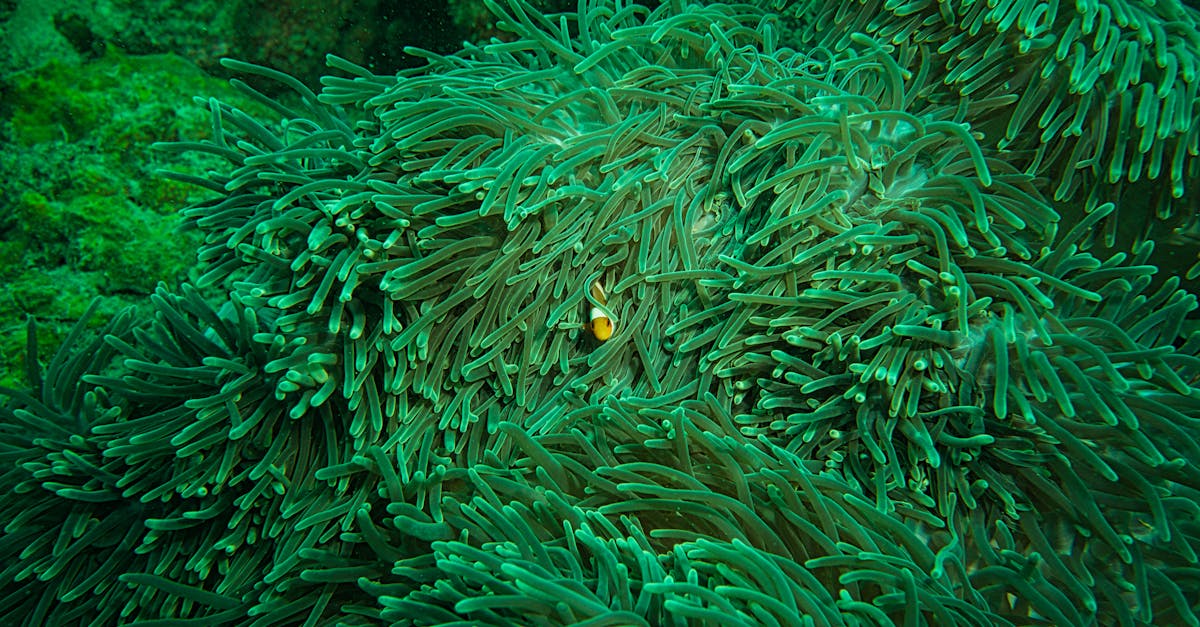
Escape the hustle and bustle of city life and create a tranquil oasis on your balcony with aquatic plants. These enchanting plants offer a wealth of therapeutic benefits, promoting relaxation, enhancing your overall well-being, and bringing a touch of nature’s serenity to your doorstep.
The calming presence of aquatic plants creates a peaceful and serene atmosphere on your balcony. The gentle sounds of trickling water and the lush greenery of the plants have a soothing effect on the mind, reducing stress levels and promoting relaxation. Studies have shown that spending time in nature, even in a small outdoor space like a balcony, can significantly improve mood and reduce feelings of anxiety and depression.
In addition to their calming effects, aquatic plants also contribute to a healthier living environment. They act as natural air purifiers, removing pollutants from the air and releasing fresh oxygen. This can help to improve air quality on your balcony, creating a more refreshing and invigorating space to relax and enjoy the outdoors.
Stress Relief: Creating a Tranquil Oasis
Transform your balcony into a tranquil oasis and escape the hustle and bustle of city life with aquatic plants. The gentle sounds of trickling water and the serene beauty of these plants create a calming and restorative environment, perfect for reducing stress levels and promoting relaxation.
Studies have shown that spending time in nature, even in a small outdoor space like a balcony, can significantly reduce stress levels and improve overall well-being. The calming presence of aquatic plants, combined with the soothing sounds of trickling water, creates a peaceful and serene atmosphere that invites you to unwind and de-stress.
In addition to their calming effects, aquatic plants also contribute to a healthier living environment. They act as natural air purifiers, removing pollutants from the air and releasing fresh oxygen. This can help to improve air quality on your balcony, creating a more refreshing and invigorating space to relax and enjoy the outdoors.
Improved Air Quality: Purifying Your Balcony
Enhance the air quality on your balcony and create a healthier living environment with aquatic plants. These natural air purifiers remove pollutants from the air and release fresh oxygen, creating a more refreshing and invigorating space to relax and enjoy the outdoors.
Aquatic plants have the ability to absorb harmful pollutants, such as formaldehyde, benzene, and trichloroethylene, from the air. They also release oxygen through photosynthesis, which helps to improve air quality and create a more breathable environment. Studies have shown that incorporating aquatic plants into indoor and outdoor spaces can significantly reduce air pollution levels.
In addition to their air-purifying abilities, aquatic plants also contribute to a more humid environment. This can be beneficial for people who suffer from dry skin, allergies, or respiratory problems. The increased humidity can help to soothe dry throats and nasal passages, and may also reduce the severity of allergy symptoms.
Enhanced Mood: Adding a Touch of Nature to Your Surroundings
Bring the calming effects of nature onto your balcony and enhance your mood with aquatic plants. Studies have shown that exposure to nature, even in small doses, can have a positive impact on mood and cognitive function. Incorporating aquatic plants into your balcony garden creates a tranquil and restorative environment that can help to reduce stress, improve mood, and boost creativity.
The presence of aquatic plants on your balcony can create a sense of peace and tranquility. The gentle sounds of trickling water and the lush greenery of the plants have a calming effect on the mind, reducing stress levels and promoting relaxation. Studies have shown that spending time in nature, even for a short period of time, can significantly improve mood and reduce feelings of anxiety and depression.
In addition to their calming effects, aquatic plants can also help to improve cognitive function. Studies have shown that exposure to nature can improve attention, memory, and problem-solving skills. The presence of plants on your balcony can create a more stimulating and engaging environment, which can help to boost creativity and productivity.
3. Creating a Thriving Ecosystem: A Sanctuary for Wildlife
Transform your balcony into a thriving ecosystem and create a sanctuary for wildlife with aquatic plants. These plants provide food and shelter for a variety of creatures, fostering a dynamic and balanced habitat that supports biodiversity and enhances the overall health of your outdoor space.
Aquatic plants are an essential component of a healthy ecosystem, providing food and shelter for a variety of wildlife. Insects, birds, frogs, and other small animals rely on aquatic plants for survival. The plants provide a place for them to lay their eggs, raise their young, and find food. In addition, aquatic plants help to filter the water and provide oxygen, which is essential for the survival of fish and other aquatic creatures.
By incorporating aquatic plants into your balcony garden, you can create a welcoming habitat for a variety of wildlife. This can help to increase biodiversity in your area and support the local ecosystem. It can also provide you with the opportunity to observe and enjoy the beauty of nature up close.
Inviting Beneficial Insects: Pollinators and Predators
Invite beneficial insects to your balcony garden and create a harmonious and balanced ecosystem with aquatic plants. These plants attract bees, butterflies, and other beneficial insects that play vital roles in pollination and pest control, supporting the health and productivity of your garden.
Pollinators, such as bees and butterflies, are essential for the reproduction of many plants. They transfer pollen from one flower to another, enabling the plants to produce seeds and fruits. By providing a source of nectar and pollen, aquatic plants can attract pollinators to your balcony garden, helping to ensure the success of your other plants.
In addition to pollinators, aquatic plants can also attract predatory insects, such as ladybugs and lacewings. These insects feed on pests, such as aphids and spider mites, helping to keep your garden free from harmful insects. By creating a habitat that supports both pollinators and predatory insects, aquatic plants can help to create a balanced and thriving ecosystem on your balcony.
Providing Refuge for Birds and Small Creatures
Transform your balcony garden into a sanctuary for birds and small creatures with aquatic plants. These plants provide shelter and nesting sites for a variety of wildlife, fostering biodiversity and enhancing the overall health of your outdoor space.
Birds, frogs, and other small animals rely on aquatic plants for survival. The plants provide a place for them to hide from predators, raise their young, and find food. In addition, aquatic plants help to create a more humid environment, which can be beneficial for animals that are sensitive to dry air.
By incorporating aquatic plants into your balcony garden, you can create a welcoming habitat for a variety of wildlife. This can help to increase biodiversity in your area and support the local ecosystem. It can also provide you with the opportunity to observe and enjoy the beauty of nature up close.
Creating a Self-Sustaining Ecosystem: Natural Filtration and Oxygenation
Create a self-sustaining ecosystem on your balcony with aquatic plants. These plants play a vital role in maintaining water quality, ensuring a healthy environment for aquatic life.
Aquatic plants absorb excess nutrients from the water, which can help to prevent algae growth and other water quality problems. They also filter impurities from the water, such as dirt and debris. In addition, aquatic plants release oxygen into the water, which is essential for the survival of fish and other aquatic creatures.
By incorporating aquatic plants into your balcony water feature, you can help to create a balanced and healthy ecosystem that supports a variety of aquatic life. This can provide you with the opportunity to enjoy the beauty of nature up close and observe the fascinating interactions between different species.
4. Enhancing Your Balcony’s Appeal: A Focal Point with Style
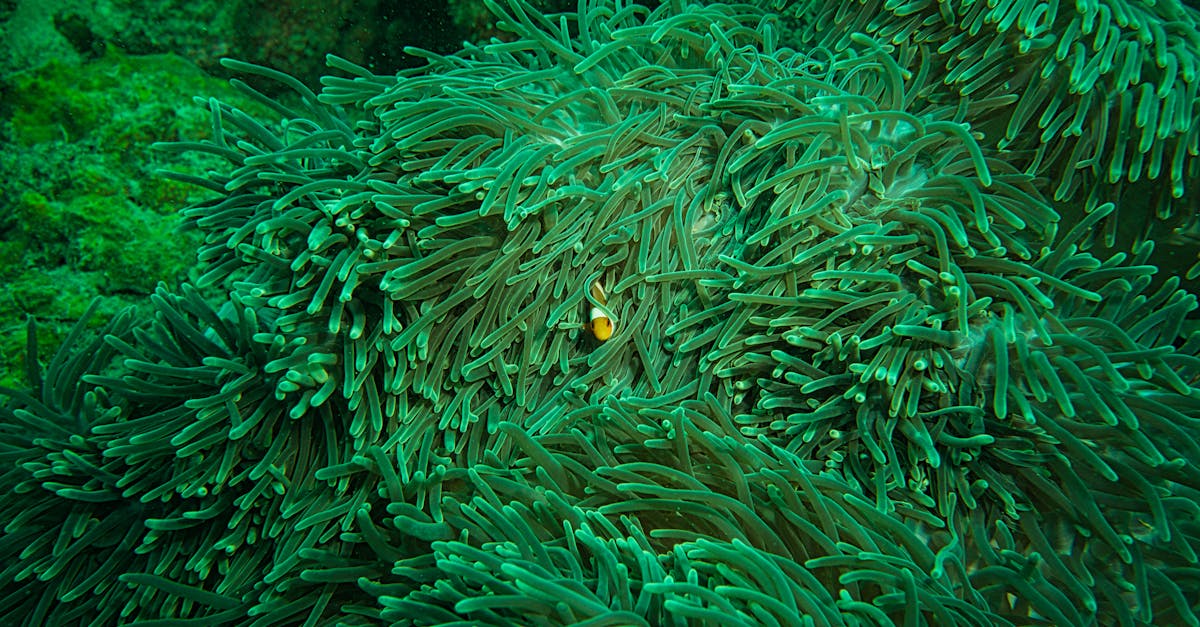
Enhance the visual appeal of your balcony garden and create a stunning focal point with aquatic plants. These plants add color, texture, and interest to your outdoor space, transforming it into a serene and inviting retreat.
Use aquatic plants to create a focal point in your balcony garden. A water feature adorned with aquatic plants can become the centerpiece of your outdoor space, attracting the eye and creating a sense of tranquility. You can also use aquatic plants to add pops of color to your balcony. Choose plants with vibrant flowers or foliage to create a cheerful and inviting atmosphere.
In addition to their aesthetic appeal, aquatic plants can also help to enhance the overall health and well-being of your balcony garden. They provide food and shelter for wildlife, help to purify the air, and can even reduce stress levels. By incorporating aquatic plants into your balcony garden, you can create a beautiful and sustainable outdoor space that you can enjoy for years to come.
Focal Point Charm: Drawing the Eye to a Central Element
Create a stunning focal point on your balcony with a water feature adorned with aquatic plants. The captivating beauty of these plants will draw the eye and make your balcony garden the envy of your friends and neighbors.
When choosing aquatic plants for your focal point, consider the size and shape of your water feature. If you have a small water feature, choose plants that are relatively small and compact. If you have a larger water feature, you can choose larger plants or even create a miniature underwater garden.
Once you have chosen your plants, arrange them in a way that creates a visually appealing display. You can create a symmetrical arrangement, an asymmetrical arrangement, or even a random arrangement. The most important thing is to create a display that you find pleasing to the eye.
Cascading Elegance: Adding Vertical Interest with Trailing Plants
Add vertical interest and movement to your balcony garden with trailing aquatic plants. These plants have graceful forms and flowing stems that cascade down the sides of your water feature, creating a beautiful and dynamic display.
Trailing aquatic plants are a great way to add height and depth to a small balcony garden. They can also be used to create a sense of privacy by screening off unsightly views. And because they are relatively low-maintenance, they are a great choice for busy gardeners.
When choosing trailing aquatic plants for your balcony garden, consider the amount of sunlight your balcony receives. Some trailing aquatic plants, such as watercress and pennywort, prefer shady conditions. Others, such as creeping Jenny and parrot’s feather, can tolerate more sun. Once you have chosen your plants, be sure to plant them in a pot that is large enough to accommodate their roots.
Color Symphony: Enhancing with Vibrant Hues
Add a splash of color to your balcony garden with aquatic plants that feature vibrant foliage or blooms. These plants will create a cheerful and inviting atmosphere, making your balcony a place you love to spend time.
When choosing aquatic plants for color, consider the overall color scheme of your balcony garden. If you have a bright and colorful garden, you may want to choose plants with more subdued colors. If you have a more neutral garden, you may want to choose plants with brighter colors to add a pop of interest.
Some of the best aquatic plants for adding color to your balcony garden include:
- Water lilies: Water lilies come in a wide range of colors, from white and pink to yellow and purple. They are a great way to add a touch of elegance to your water feature.
- Lotus flowers: Lotus flowers are another beautiful choice for adding color to your balcony garden. They come in a variety of colors, including pink, white, and yellow.
5. Practical Considerations: Choosing and Caring for Aquatic Plants
Before you add aquatic plants to your balcony garden, it is important to do your research and choose plants that are well-suited to your climate and the size of your water feature. You will also need to consider the amount of sunlight your balcony receives and the type of water you will be using.
Once you have chosen your plants, it is important to care for them properly. Aquatic plants need to be fertilized regularly and their water needs to be changed frequently. You will also need to trim them back occasionally to keep them from getting too overgrown.
If you follow these tips, your aquatic plants will thrive and provide you with years of enjoyment.
Choosing the Right Plants: Sunlight, Hardiness, and Compatibility
When choosing aquatic plants for your balcony garden, it is important to consider factors such as sunlight availability, plant hardiness, and compatibility.
Sunlight availability: Different aquatic plants have different sunlight requirements. Some plants, such as water lilies, need full sun to bloom properly. Others, such as watercress, can tolerate partial shade. When choosing plants for your balcony garden, be sure to select plants that are suited to the amount of sunlight your balcony receives.
Plant hardiness: Aquatic plants are rated for hardiness based on their ability to withstand cold temperatures. If you live in a climate with cold winters, you will need to choose plants that are hardy to your zone. You can find the hardiness zone for your area by visiting the USDA Plant Hardiness Zone Map.
Compatibility: It is also important to consider compatibility when choosing aquatic plants for your balcony garden. Some plants, such as water lilies and lotus, can be aggressive growers. If you plant these plants with smaller, more delicate plants, the larger plants may crowd out the smaller ones. When choosing plants for your balcony garden, be sure to select plants that are compatible with each other.
Proper Care: Fertilizing, Pruning, and Maintaining Water Quality
Once you have chosen the right plants for your balcony garden, it is important to provide them with proper care. This includes fertilizing, pruning, and maintaining water quality.
Fertilizing: Aquatic plants need to be fertilized regularly to ensure their health and vitality. You can use a liquid fertilizer that is specifically designed for aquatic plants. Be sure to follow the directions on the fertilizer label.
Pruning: Aquatic plants should be pruned regularly to keep them from getting too overgrown. You can prune your plants by cutting off any dead or damaged leaves or stems. You can also prune your plants to shape them or to encourage them to grow in a certain direction.
Maintaining water quality: The water quality in your balcony garden is essential for the health of your aquatic plants. You should test the water quality regularly and make sure that the pH, hardness, and nutrient levels are within the optimal range for your plants. You can adjust the water quality by adding chemicals or by using a water filter.
Overcoming Challenges: Common Issues and Solutions
Growing aquatic plants on your balcony can be a rewarding experience, but there are some common challenges that you may face. These challenges include pests, diseases, and algae growth.
Pests: There are a number of pests that can damage aquatic plants, including aphids, spider mites, and mealybugs. These pests can suck the sap from your plants, causing them to become weak and stunted. To control pests, you can use a variety of methods, including insecticidal soap, neem oil, or ladybugs.
Diseases: Aquatic plants can also be susceptible to a number of diseases, including fungal diseases, bacterial diseases, and viral diseases. These diseases can cause a variety of symptoms, including leaf spots, stem rot, and stunted growth. To control diseases, you can use a variety of methods, including fungicides, bactericides, or antiviral agents.
Algae growth: Algae growth is a common problem in balcony gardens. Algae can make your water look green and murky, and it can also clog your filter. To control algae growth, you can use a variety of methods, including algaecides, UV sterilizers, or barley straw.
Quiz
1. Which of the following is NOT a benefit of aquatic plants in a balcony garden?
(a) Beautifying the space (b) Improving air quality (c) Attracting unwanted insects (d) Reducing stress levels
2. True or False: Submerged aquatic plants are not visible above the water’s surface.
(a) True (b) False
3. Which type of aquatic plant is known for its large, floating leaves and showy flowers?
(a) Water lily (b) Submerged plant (c) Emergent plant (d) Trailing plant
4. True or False: Aquatic plants can help to create a self-sustaining ecosystem by filtering water and providing oxygen.
(a) True (b) False
5. Which of the following is a common challenge faced when growing aquatic plants on a balcony?
(a) Pests (b) Diseases (c) Algae growth (d) All of the above
Answer Key:
- (c)
- (a)
- (a)
- (a)
- (d)
Unlock the Greenery Potential of Your Balcony: A Guide to Thriving Plants in Compact Spaces Attention all balcony-dwelling plant enthusiasts! Read more
Transform Your Balcony into a Flourishing Garden Oasis: A Step-by-Step Guide Beginning a balcony garden can be a fulfilling endeavor, Read more
Unlocking the Potential of Vertical Gardening on Balconies Are you tired of your cramped balcony but still longing for a Read more
Aromatic Delights: Cultivating Herbs on Your Balcony Oasis Whether you're a seasoned gardener or just starting out, growing herbs on Read more
