
Transform Your Balcony: A Culinary Tapestry of Edible Flowers
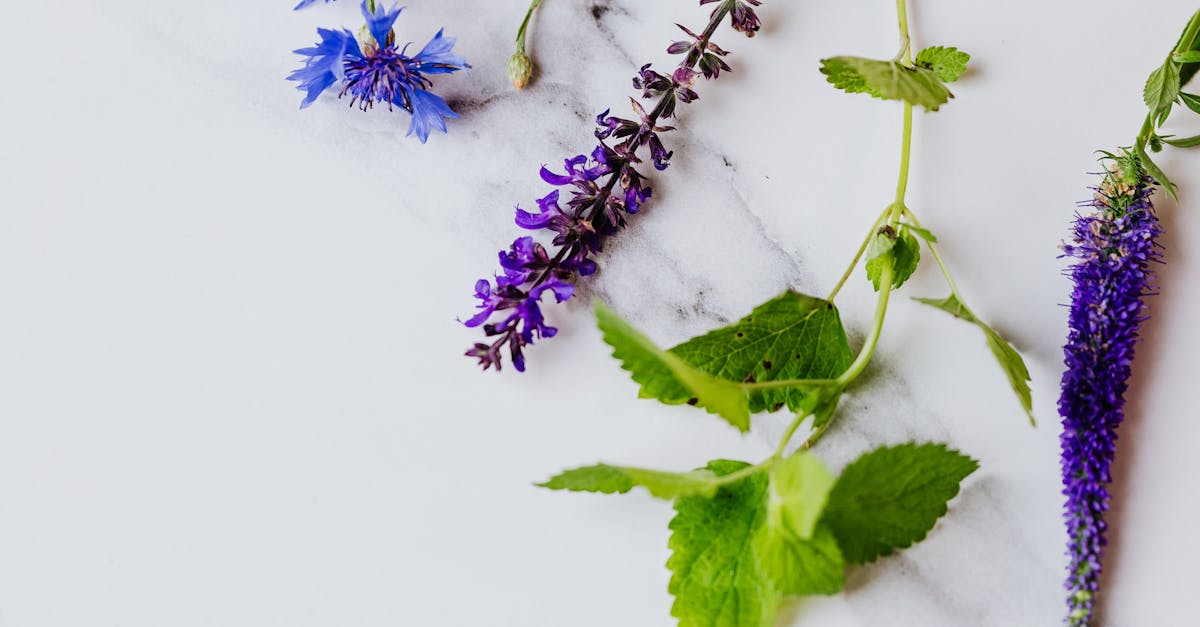
Edible Flowers for Your Balcony Garden: Cultivating Culinary Delights Within Reach
Are you ready to embark on a culinary adventure that transforms your balcony into a vibrant haven of edible delights? Growing edible flowers offers a unique opportunity to elevate your meals with an explosion of flavors, colors, and nutrients. Dive into this comprehensive guide and discover the art of cultivating these extraordinary blossoms, bringing the garden to your doorstep and transforming your culinary creations into masterpieces.
Benefits of Edible Flowers: A Symphony of Health and Flavor
Step into a world where flowers transcend mere aesthetics, becoming nutritional powerhouses and culinary wonders. Edible flowers are nature’s hidden gems, boasting a treasure trove of vitamins, minerals, and antioxidants. They possess the ability to elevate salads, adorn desserts, and infuse beverages with their delicate aromas and tantalizing flavors. By incorporating edible flowers into your diet, you’ll not only enhance the beauty of your dishes but also nourish your body with a symphony of health benefits.
1. Benefits of Edible Flowers
Benefits of Edible Flowers: Uncover the nutritional value and culinary uses of edible flowers for a healthier and more flavorful lifestyle
The world of edible flowers is a culinary treasure trove, offering a unique blend of nutritional value and culinary versatility. These delicate blossoms are not only visually captivating but also packed with an array of vitamins, minerals, and antioxidants. By incorporating edible flowers into your diet, you can elevate your meals to new heights of flavor and nourishment.
From the vibrant petals of nasturtiums, rich in vitamin C and antioxidants, to the delicate blossoms of violets, brimming with flavonoids and anti-inflammatory properties, edible flowers offer a diverse range of nutrients. They can help boost your immune system, reduce inflammation, and promote overall well-being. Adding these edible gems to your salads, smoothies, or desserts not only enhances the visual appeal but also infuses your dishes with a symphony of flavors, from sweet and floral to peppery and citrusy.
In the culinary realm, edible flowers transcend mere decoration, becoming integral ingredients that impart a touch of elegance and a burst of flavor. Their delicate textures and vibrant colors add a touch of whimsy to salads, transforming them into edible works of art. Sprinkle rose petals over a fresh fruit salad for a hint of floral sweetness, or add borage blossoms to your summer punch for a refreshing cucumber-like flavor. The possibilities are endless, inviting you to explore new味觉horizons and create dishes that are both visually stunning and delightfully delicious.
Nutritional Value
Nutritional Value: Discover the rich vitamin, mineral, and antioxidant content of edible flowers
Edible flowers are not just beautiful additions to your plate; they’re also nutritional powerhouses. They’re packed with an array of vitamins, minerals, and antioxidants that can boost your health and well-being.
One of the most notable benefits of edible flowers is their high vitamin C content. Vitamin C is an essential nutrient that helps boost your immune system, protect your cells from damage, and promote healthy skin. Edible flowers like nasturtiums, roses, and violets are particularly rich in vitamin C.
In addition to vitamin C, edible flowers are also good sources of other vitamins and minerals, including vitamin A, vitamin E, potassium, calcium, and magnesium. These nutrients are essential for maintaining good health and preventing chronic diseases like heart disease, stroke, and cancer.
Culinary Uses
Culinary Uses: Explore the diverse culinary applications of edible flowers, from salads to desserts
Edible flowers are not just beautiful additions to your plate; they can also add a burst of flavor to your favorite dishes. They can be used in a variety of culinary applications, from salads to desserts.
One of the most popular ways to use edible flowers is in salads. Their delicate petals and vibrant colors can add a touch of elegance and sophistication to any salad. Edible flowers like pansies, violas, and nasturtiums are particularly well-suited for salads, as they have a mild flavor that won’t overpower the other ingredients.
In addition to salads, edible flowers can also be used to garnish soups, stews, and main courses. Their bright colors and delicate textures can add a touch of visual appeal to any dish. Edible flowers like borage blossoms, chive blossoms, and calendula petals are all good choices for garnishing dishes.
2. Choosing Edible Flowers for Your Balcony
Choosing Edible Flowers for Your Balcony: Learn how to select the right edible flowers for your balcony’s environment and taste preferences
When choosing edible flowers for your balcony, it’s important to consider the environment and your taste preferences. Some flowers are better suited to certain climates and growing conditions, while others may have flavors that you enjoy more.
Here are a few things to keep in mind when choosing edible flowers for your balcony:
- Sunlight: Most edible flowers need at least six hours of sunlight per day. If your balcony doesn’t get a lot of sun, you may want to choose flowers that are more tolerant of shade, such as pansies, violas, or begonias.
- Temperature: Edible flowers can tolerate a wide range of temperatures, but some are more sensitive to extreme heat or cold. If you live in a cold climate, you may want to choose flowers that are hardy in your zone, such as calendula, nasturtiums, or marigolds.
- Drainage: Edible flowers need well-drained soil. If your balcony has poor drainage, you may want to plant your flowers in containers with drainage holes.
Suitable Balcony Conditions
Suitable Balcony Conditions: Determine the optimal sunlight, temperature, and drainage requirements for edible flowers on balconies
When growing edible flowers on your balcony, it’s important to provide them with the right conditions to thrive. This includes sunlight, temperature, and drainage.
Sunlight: Most edible flowers need at least six hours of sunlight per day. If your balcony doesn’t get a lot of sun, you may want to choose flowers that are more tolerant of shade, such as pansies, violas, or begonias.
Temperature: Edible flowers can tolerate a wide range of temperatures, but some are more sensitive to extreme heat or cold. If you live in a cold climate, you may want to choose flowers that are hardy in your zone, such as calendula, nasturtiums, or marigolds.
Drainage: Edible flowers need well-drained soil. If your balcony has poor drainage, you may want to plant your flowers in containers with drainage holes.
Flavor Preferences
Flavor Preferences: Identify edible flowers that align with your culinary tastes, considering their sweetness, bitterness, or pungency
When choosing edible flowers for your balcony, it’s important to consider your taste preferences. Some flowers have a sweet flavor, while others are more bitter or pungent. Choose flowers that you enjoy the taste of, and that will complement the dishes you’re planning to make.
Here are a few examples of edible flowers with different flavor profiles:
- Sweet: Roses, violets, lavender, chamomile
- Bitter: Dandelions, chicory, calendula
- Pungent: Nasturtiums, arugula, marigolds
3. Planting and Growing Edible Flowers
Planting and Growing Edible Flowers: Get step-by-step instructions on how to successfully plant, nurture, and harvest edible flowers on your balcony
Growing edible flowers on your balcony is a rewarding experience that can provide you with a fresh and flavorful harvest. Here are the steps on how to plant, nurture, and harvest edible flowers on your balcony:
Preparing Your Balcony
Before you start planting, you need to prepare your balcony for growing edible flowers. This includes choosing the right containers, soil, and drainage system.
- Containers: Choose containers that are large enough to accommodate the roots of your plants. The containers should also have drainage holes to prevent waterlogging.
- Soil: Use a well-drained potting mix that is rich in organic matter. You can also add some compost to the soil to improve fertility.
- Drainage: Make sure your containers have drainage holes to prevent waterlogging. You can also place a layer of gravel or broken pottery at the bottom of the containers to improve drainage.
Preparing Your Balcony
Preparing Your Balcony: Set up containers, soil, and drainage systems for thriving edible flowers
Before you start planting your edible flowers, it’s important to prepare your balcony to create the best possible environment for them to thrive. This includes choosing the right containers, soil, and drainage system.
Containers: Choose containers that are large enough to accommodate the roots of your plants. The containers should also have drainage holes to prevent waterlogging. You can use plastic, ceramic, or terracotta containers. If you’re using plastic containers, make sure they are food-safe.
Soil: Use a well-drained potting mix that is rich in organic matter. You can also add some compost to the soil to improve fertility. Make sure the soil pH is between 6.0 and 7.0.
Drainage: Make sure your containers have drainage holes to prevent waterlogging. You can also place a layer of gravel or broken pottery at the bottom of the containers to improve drainage.
Planting Basics
Planting Basics: Learn about seed planting techniques, spacing, and transplanting methods
Once you have prepared your balcony and chosen your edible flowers, it’s time to plant them! There are three main ways to plant edible flowers: from seed, from cuttings, or by transplanting seedlings.
Planting from seed:
To plant edible flowers from seed, you will need to sow the seeds in a seed tray or pot filled with a well-drained potting mix. Sow the seeds according to the instructions on the seed packet. Keep the soil moist and warm, and place the seed tray or pot in a sunny spot.
Planting from cuttings:
To plant edible flowers from cuttings, you will need to take a cutting from a healthy plant. The cutting should be about 4-6 inches long, and it should have several leaves. Remove the leaves from the bottom of the cutting, and then dip the end of the cutting in rooting hormone.
Transplanting seedlings:
You can also transplant edible flower seedlings that you have purchased from a nursery or garden center. When transplanting seedlings, be sure to dig a hole that is twice as wide as the root ball of the seedling. Place the seedling in the hole and fill in the soil around the roots. Water the seedling well.
Ongoing Care
Ongoing Care: Cover watering, fertilizing, and pest control practices tailored to edible flowers
Once your edible flowers are planted, you will need to provide them with ongoing care to help them thrive. This includes watering, fertilizing, and pest control.
Watering: Edible flowers need to be watered regularly, but be careful not to overwater them. The soil should be moist but not soggy. Water your edible flowers at the base of the plant, avoiding the leaves and flowers.
Fertilizing: Edible flowers benefit from being fertilized every few weeks. Use a balanced fertilizer that is diluted to half strength. Avoid over-fertilizing, as this can damage the plants.
Pest control: Edible flowers can be susceptible to a variety of pests, including aphids, spider mites, and whiteflies. If you see any pests on your plants, you can treat them with a neem oil spray or insecticidal soap.
Harvesting Tips
Harvesting Tips: Understand the best time and techniques for harvesting edible flowers on your balcony
Once your edible flowers have bloomed, you can start harvesting them! Here are a few tips for harvesting edible flowers:
- Harvest in the morning: The best time to harvest edible flowers is in the morning, after the dew has dried but before the sun gets too hot.
- Use clean scissors or shears: When harvesting edible flowers, use clean scissors or shears to cut the flowers from the plant. Avoid pulling the flowers off the plant, as this can damage the plant.
- Harvest only the flowers: When harvesting edible flowers, only harvest the flowers themselves. Avoid harvesting the stems or leaves, as these may contain toxins.
- Store edible flowers properly: Edible flowers are delicate, so it’s important to store them properly. Place the flowers in a single layer on a paper towel-lined plate and refrigerate them. Edible flowers can be stored in the refrigerator for up to 3 days.
Quiz
1. Which of the following is NOT a benefit of edible flowers?
(a) Nutritional value (b) Culinary versatility (c) Medicinal properties
2. What is the optimal sunlight requirement for most edible flowers on balconies?
(a) 2-4 hours per day (b) 4-6 hours per day (c) 6 or more hours per day
3. Which of the following edible flowers has a sweet flavor?
(a) Nasturtium (b) Dandelion (c) Rose
4. What type of drainage system is important for containers growing edible flowers on balconies?
(a) No drainage holes (b) Single drainage hole (c) Multiple drainage holes
5. True or False: Edible flowers should be harvested in the evening when they are fully open.
(a) True (b) False
Answer Key
- (c)
- (c)
- (c)
- (c)
- (b)
Unlock the Greenery Potential of Your Balcony: A Guide to Thriving Plants in Compact Spaces Attention all balcony-dwelling plant enthusiasts! Read more
Transform Your Balcony into a Flourishing Garden Oasis: A Step-by-Step Guide Beginning a balcony garden can be a fulfilling endeavor, Read more
Unlocking the Potential of Vertical Gardening on Balconies Are you tired of your cramped balcony but still longing for a Read more
Aromatic Delights: Cultivating Herbs on Your Balcony Oasis Whether you're a seasoned gardener or just starting out, growing herbs on Read more