
Sustainable Solutions for Pest Management in Balcony Gardens
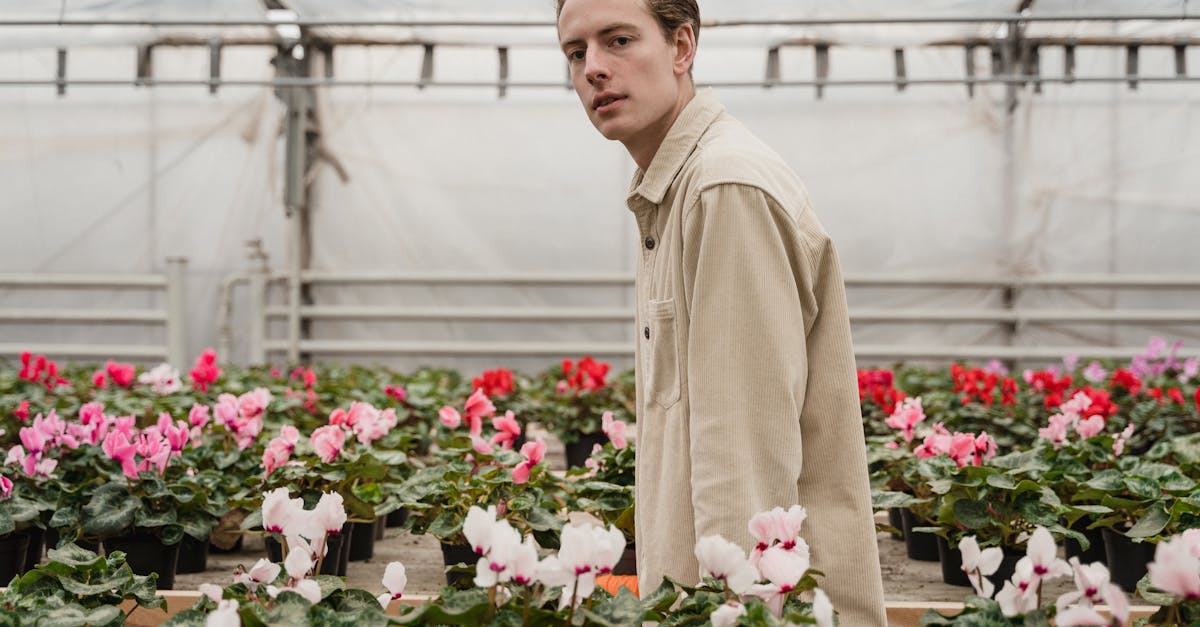
With the crescente popularity of balcony gardening, individuals are seeking environmentaly sound methods to manage pests without the use of chemical pesticides. Eco-friendly pest control prioritizes natural and organic solution that minimize harm to beneficial insects and the environment. Balcony gardens, often limited in size and exposed to outdoor elements, may face unique pest challenges that require tailored approaches to pest prevention and control. Harnessing companion planting, maintaining plant hygiene, and utilizing natural pest control methods is essential to sustain a healthy and thriving balcony garden.
1. Introduction to Eco-Friendly Pest Control
Eco-friendly pest control in balcony gardening prioritizes natural and organic solutions that minimize harm to beneficial insects and the environment. Balcony gardens, often limited in size and exposed to outdoor elements, may face unique pest challenges due to factors such as close proximity to other plants and limited air circulation. Implementing eco-friendly pest control methods is crucial to sustain a healthy and thriving balcony garden.
Chemical pesticides can pose serious risks to human health and the environment, including potential toxicity, contamination of soil and water sources, and harm to beneficial insects such as bees and butterflies. Therefore, it is essential to seek alternative pest management strategies that prioritize sustainability and minimize negative impacts.
Eco-friendly pest control methods offer numerous benefits, including reduced risk of harm to human health, protection of beneficial insects, reduced environmental pollution, and the promotion of a more natural and balanced ecosystem within the balcony garden. By utilizing natural and organic solutions, balcony gardeners can effectively manage pests while maintaining a healthy environment for plants, wildlife, and themselves.
2. Identifying Common Pests in Balcony Gardens

Balcony gardens, often characterized by limited space and specific environmental conditions, can be susceptible to various common pests that can impact plant health and growth. Identifying these pests and understanding their life cycles and feeding habits is essential for effective pest management.
Aphids are soft-bodied insects that can infest a wide range of plants, feeding on their sap and causing stunted growth, yellowing leaves, and leaf curling. They reproduce rapidly, forming large colonies on the undersides of leaves and stems.
Whiteflies are small, white insects that feed on plant sap, causing yellowing and wilting of leaves. Their nymphs are immobile and often found on the undersides of leaves, secreting a sticky substance called honeydew that can attract ants and other pests.
Spider mites are tiny, spider-like creatures that feed on plant sap, causing stippling and yellowing of leaves. They spin fine webs on the undersides of leaves, making them difficult to spot until infestations become severe.
Thrips are slender, winged insects that feed on plant sap and pollen, causing stunted growth, distorted leaves, and silvery streaks on foliage. They can also transmit viruses to plants, leading to further damage.
Understanding the specific characteristics, life cycles, and feeding habits of these common pests is crucial for implementing targeted and effective pest control measures in balcony gardens.
3. Natural Pest Prevention Techniques
Implementing proactive natural pest prevention techniques is crucial for maintaining a healthy and pest-free balcony garden. These techniques aim to create an environment that deters pests from entering and establishing themselves, reducing the need for chemical pesticides and promoting a more sustainable gardening approach.
Companion planting involves strategically planting different species together to create a mutually beneficial relationship. Certain plants, such as marigolds, basil, and garlic, have natural pest-repellent properties that can help protect neighboring plants from pests. For example, planting marigolds near tomatoes can help deter aphids and whiteflies.
Crop rotation is another effective pest prevention technique that involves rotating the types of plants grown in a specific location each season. This practice disrupts the life cycle of pests that are adapted to specific plants and reduces the likelihood of pest infestations. For instance, rotating tomatoes, peppers, and beans in a balcony garden can help prevent soil-borne diseases and reduce pest pressure.
Maintaining proper plant hygiene is essential for preventing pests from establishing themselves in a balcony garden. Regular removal of dead leaves, fallen fruits, and weeds eliminates potential hiding places and food sources for pests. Pruning infected or diseased plant parts helps prevent the spread of diseases that can attract pests. Additionally, avoiding overwatering and providing adequate air circulation can help reduce the risk of fungal diseases that can weaken plants and make them more susceptible to pests.
4. Eco-Friendly Pest Control Methods

Eco-friendly pest control methods prioritize the use of natural and organic solutions to manage pests without harming beneficial insects or the environment. These methods are essential for maintaining a healthy and balanced balcony garden ecosystem.
Insecticidal soaps are biodegradable and derived from natural oils, such as neem oil or insecticidal soap made from fatty acids. They work by disrupting the exoskeleton of insects, causing dehydration and death. Insecticidal soaps are effective against a wide range of soft-bodied pests, including aphids, whiteflies, and spider mites, without harming beneficial insects such as ladybugs and lacewings.
Horticultural oils, also known as dormant oils, are derived from plant oils, such as canola oil or soybean oil. They work by smothering insects and their eggs, blocking their spiracles and causing suffocation. Horticultural oils are commonly used during the dormant season to control overwintering pests, such as scale insects and aphids.
Biological control involves the introduction of natural enemies of pests, such as predatory insects, to manage pest populations. For example, ladybugs can be released in a balcony garden to prey on aphids, and parasitic wasps can be used to control caterpillars. Biological control is a sustainable and effective method of pest management that promotes a natural balance within the garden ecosystem.
5. Monitoring and Follow-Up
Regular monitoring and follow-up are crucial for effective pest management in balcony gardens. Early detection of pest infestations allows for prompt intervention and prevents pest populations from reaching damaging levels.
Inspect plants regularly for any signs of pests, such as discolored leaves, wilting, or unusual spots. Pay attention to the undersides of leaves, stems, and flowers, as pests often hide in these areas. By identifying pests early on, you can implement targeted control measures before they cause significant damage to your plants.
Evaluating the effectiveness of pest control methods is essential for optimizing your pest management strategy. Monitor pest populations after implementing control measures to assess their impact. If the pest population persists or increases, it may be necessary to adjust your control methods or try alternative solutions. Keeping a record of pest control measures and their outcomes can help you refine your approach over time.
Quiz
1. True or False: Chemical pesticides are not harmful to beneficial insects.
2. Which of the following is a natural pest prevention technique? (a) Companion planting (b) Using chemical pesticides (c) Overwatering plants
3. What is the purpose of using horticultural oils in pest control? (a) To attract beneficial insects (b) To smother insects and their eggs (c) To repel pests with their strong odor
4. Why is regular monitoring important in pest management? (a) To detect pest infestations early (b) To evaluate the effectiveness of control methods (c) Both (a) and (b)
5. True or False: Biological control involves the use of natural enemies of pests to manage pest populations.
Answer Key
- False
- (a) Companion planting
- (b) To smother insects and their eggs
- (c) Both (a) and (b)
- True
Unlock the Greenery Potential of Your Balcony: A Guide to Thriving Plants in Compact Spaces Attention all balcony-dwelling plant enthusiasts! Read more
Transform Your Balcony into a Flourishing Garden Oasis: A Step-by-Step Guide Beginning a balcony garden can be a fulfilling endeavor, Read more
Unlocking the Potential of Vertical Gardening on Balconies Are you tired of your cramped balcony but still longing for a Read more
Aromatic Delights: Cultivating Herbs on Your Balcony Oasis Whether you're a seasoned gardener or just starting out, growing herbs on Read more