
The Balcony Gardener’s Guide to Pest Control

Nothing is more fun and fulfilling than having your own balcony garden. You get to enjoy the beauty and satisfaction of taking care of your plants while adding a touch of nature to your living space. However, one common challenge faced by阳台 gardeners is the problem of pests. Given the limited space, pest infestations can quickly spread and cause significant damage to your precious plants, potentially ruining your gardening efforts. The importance of pest control in balcony gardens cannot be overstated, as it ensures the health and aesthetics of your plants. Therefore, this article will delve into DIY pest control solutions tailored specifically for balcony gardens, empowering you with the knowledge to effectively manage these pesky intruders while practicing eco-friendly and responsible gardening.
The unique challenges of gardening on balconies often stem from the limited space available for plants and the specific microclimate created by the balcony’s surroundings. Infestations by pests that thrive in close quarters, such as aphids, spider mites, whiteflies, and fungus gnats, are common in阳台 gardens, affecting the health and growth of your plants. These pests can stunt growth, cause leaf damage, yellowing, and even lead to plant death if left unchecked. Addressing pest problems promptly becomes crucial to maintain a thriving balcony garden.
1. Introduction: The Unique Challenges of Balcony Gardening
Balcony gardening offers a unique set of challenges for plant enthusiasts, one of the most prevalent being pest infestations. The limited space available on balconies creates an environment that is particularly conducive to pest problems. Overcrowding and close proximity of plants can lead to the rapid spread of pests, making it essential for balcony gardeners to prioritize pest control measures to safeguard their plants’ health and aesthetics.
Common pests found in balcony gardens include aphids, spider mites, whiteflies, and fungus gnats. These pests thrive in the warm, humid microclimate of balconies, where they can quickly multiply and cause significant damage to plants. Aphids, for example, can stunt plant growth and cause leaf curling, while spider mites can lead to yellowing and stippling of leaves. Whiteflies can transmit diseases to plants, and fungus gnats can damage roots and cause wilting.
Implementing effective pest control strategies is paramount for maintaining a healthy and vibrant balcony garden. Regular monitoring of plants for signs of pests is crucial for early detection and intervention. By utilizing a combination of organic and eco-friendly pest control methods, balcony gardeners can effectively combat infestations, protect their plants, and enjoy the beauty and bounty of their balcony gardens without the hindrance of pests.
2. Identifying Common Balcony Garden Pests
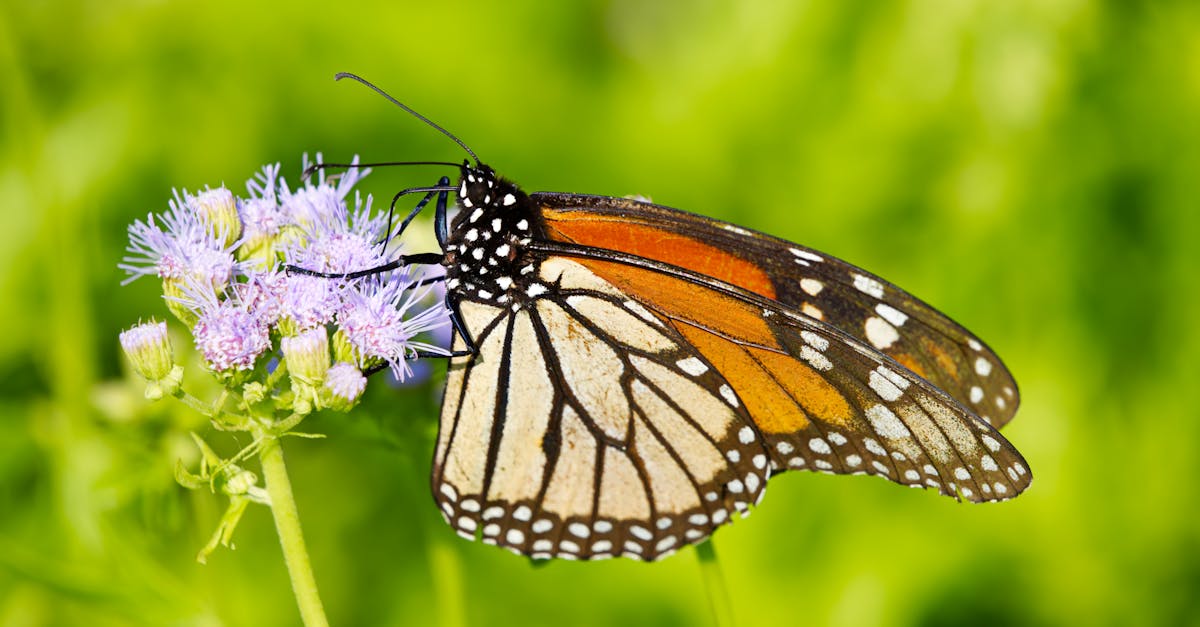
Balcony gardens, with their limited space and specific microclimate, are susceptible to infestations by various pests. Recognizing these common pests and their characteristics is essential for effective pest control in balcony gardens.
Aphids are tiny, soft-bodied insects that come in a range of colors, including green, black, and brown. They cluster on the undersides of leaves and stems, feeding on plant sap. Aphid infestations can cause stunted growth, yellowing of leaves, and honeydew secretion, which attracts ants and can promote the growth of sooty mold.
Spider mites are another common pest in balcony gardens. These tiny arachnids are often difficult to spot due to their small size and pale color. Spider mites spin fine webs on the undersides of leaves, where they feed on plant sap. Infestations can lead to yellow stippling on leaves, which eventually turn brown and drop off.
Whiteflies are small, flying insects that resemble tiny white moths. They congregate on the undersides of leaves and feed on plant sap, leaving behind a sticky residue known as honeydew. Whitefly infestations can cause yellowing and wilting of leaves, and they can also transmit plant viruses.
Fungus gnats are small, dark-colored flies that are attracted to moist soil. Their larvae feed on organic matter in the soil, including decaying roots, which can damage plants. Fungus gnat infestations can also lead to the development of fungal diseases in plants.
Correctly identifying these common balcony garden pests is the first step towards implementing effective pest control measures. By observing plant symptoms, inspecting leaves and stems, and monitoring for adult pests, balcony gardeners can proactively address infestations and maintain healthy, thriving plants.
3. Natural Pest Control Methods for Balcony Gardens
Natural pest control methods prioritize the use of organic and eco-friendly solutions to manage pests in balcony gardens. These methods aim to minimize harm to beneficial insects and the environment while effectively controlling pest populations.
One of the key principles of natural pest control is to create a balanced ecosystem that supports beneficial insects. These insects, such as ladybugs, lacewings, and parasitic wasps, play a crucial role in keeping pest populations in check. By providing these beneficial insects with food and shelter, such as flowers and nesting sites, balcony gardeners can encourage their presence and promote natural pest control.
Another important aspect of natural pest control is the use of organic pesticides derived from plant-based materials. Neem oil, for example, is a natural insecticide that has been used for centuries to control a wide range of pests. It works by disrupting the life cycle of pests and inhibiting their feeding and reproduction. Other organic pesticides include insecticidal soap, which kills pests on contact, and horticultural oil, which smothers pests and their eggs.
When using natural pest control methods, it is essential to carefully read and follow the instructions on the product label. Some natural pesticides may require multiple applications to be effective, and it is important to avoid over-application, which can harm beneficial insects and plants. By adopting these natural pest control practices, balcony gardeners can create a healthy and sustainable environment for their plants while minimizing the use of harmful chemicals.
4. DIY Pest Control Solutions: Step-by-Step Guide

Creating homemade pest control solutions using common household ingredients is a cost-effective and eco-friendly way to manage pests in balcony gardens. These solutions are generally safe to use around humans and pets when applied according to the instructions.
One popular homemade pest control solution is neem oil. Neem oil is derived from the neem tree and has insecticidal, fungicidal, and antibacterial properties. To make a neem oil solution, mix 1 tablespoon of neem oil with 1 quart of water. Shake well and spray directly onto plants, focusing on the undersides of leaves where pests tend to hide. Neem oil can be applied every 7-10 days as needed.
Another effective homemade pest control solution is insecticidal soap. Insecticidal soap is made from fatty acids and works by dissolving the waxy coating on pests, causing them to dehydrate and die. To make insecticidal soap, mix 1 tablespoon of liquid dish soap with 1 quart of water. Shake well and spray directly onto plants, avoiding flowers and beneficial insects. Insecticidal soap can be applied every 5-7 days as needed.
Vinegar is another common household ingredient that can be used to control pests in balcony gardens. Vinegar is a natural repellent for many pests, including aphids and whiteflies. To make a vinegar solution, mix 1 cup of white vinegar with 1 cup of water. Pour the solution into a spray bottle and mist directly onto plants, avoiding flowers and beneficial insects. Vinegar can be applied every 7-10 days as needed.
When using homemade pest control solutions, it is important to test them on a small area of the plant first to ensure that they do not cause any damage. Always follow the instructions carefully and avoid over-application, which can harm plants and beneficial insects. If you have any concerns about using homemade pest control solutions, consult with a gardening expert or your local nursery.
5. Prevention and Ongoing Maintenance
Prevention and ongoing maintenance are crucial for minimizing pest infestations and maintaining the health of balcony gardens. By implementing proactive measures, balcony gardeners can create an environment that is less attractive to pests and more conducive to beneficial insects.
Companion planting is a natural pest control technique that involves planting certain species together to deter pests or improve plant health. For example, planting basil next to tomatoes can help repel tomato hornworms, while planting garlic or onions near roses can deter aphids. Researching companion planting combinations that are suitable for balcony gardens can provide valuable insights into effective pest management.
Maintaining plant hygiene is another important preventive measure against pest infestations. Regularly removing dead or diseased leaves and stems can eliminate potential breeding grounds for pests. Pruning plants to improve air circulation and sunlight penetration can also help prevent pest problems. Additionally, avoiding overwatering and ensuring proper drainage can help reduce the risk of root rot and other moisture-related issues that can attract pests.
Encouraging beneficial insects is a natural and effective way to manage pests in balcony gardens. These insects, such as ladybugs, lacewings, and parasitic wasps, feed on pests and help keep their populations in check. Providing these beneficial insects with food sources, such as flowers, and nesting sites, such as insect hotels, can attract and support their presence in the garden.
Regular monitoring and early detection of pests is essential for successful pest management. Balcony gardeners should inspect their plants regularly, especially the undersides of leaves and new growth, for signs of pests or damage. Early detection allows for prompt intervention and can prevent pest populations from becoming established. Using sticky traps or yellow traps can also help monitor pest activity and identify potential problems early on.
Quiz
1. True or False: Limited space in balcony gardens makes them less susceptible to pest infestations than traditional gardens.
2. Multiple Choice: Which of the following is NOT a common pest found in balcony gardens? (a) Aphids (b) Grasshoppers (c) Spider mites (d) Whiteflies
3. True or False: Using organic and eco-friendly pest control methods is important for minimizing harm to beneficial insects.
4. Multiple Choice: Which homemade pest control solution can be made from the neem tree? (a) Insecticidal soap (b) Neem oil (c) Vinegar (d) Horticultural oil
5. True or False: Companion planting, maintaining plant hygiene, and encouraging beneficial insects are all proactive measures that can help prevent pest infestations.
Answer Key
- False
- (b) Grasshoppers
- True
- (b) Neem oil
- True
Unlock the Greenery Potential of Your Balcony: A Guide to Thriving Plants in Compact Spaces Attention all balcony-dwelling plant enthusiasts! Read more
Transform Your Balcony into a Flourishing Garden Oasis: A Step-by-Step Guide Beginning a balcony garden can be a fulfilling endeavor, Read more
Unlocking the Potential of Vertical Gardening on Balconies Are you tired of your cramped balcony but still longing for a Read more
Aromatic Delights: Cultivating Herbs on Your Balcony Oasis Whether you're a seasoned gardener or just starting out, growing herbs on Read more