
Transforming Tiny Spaces into Floral Havens: A Guide to Creating Vibrant Gardens in Limited Areas
Bring Life to Compact Spaces: A Comprehensive Guide to Flourishing Flower Gardens Whether you reside in an urban apartment with a cozy balcony or a suburban home with a small yard, creating a vibrant flower garden is not merely a dream but an achievable reality. With the right planning and execution, you can transform even the most limited spaces into an oasis of beauty and tranquility. Our comprehensive guide provides expert advice on choosing the ideal plants, designing an optimal garden layout, preparing the soil and containers, implementing effective planting and care techniques, and incorporating creative design elements. Follow our step-by-step instructions, and you’ll be well on your way to cultivating a flourishing flower garden that delights your senses and enhances your living space.
The art of gardening in limited spaces demands a mindful approach to plant selection. Compact varieties of annuals, perennials, and shrubs, known for their petite stature and tidy growth habit, will thrive in these confined environments. Vertical elements, such as climbing vines and trellises, maximize vertical space and add an extra dimension to your garden. Continuous bloomers and easy-care varieties ensure year-round color and minimize maintenance efforts.
1. Choosing the Right Plants
Choosing the Right Plants: Selecting Compact, Vertical, and Flowering Plants that Thrive in Limited Space
When selecting plants for a compact flower garden, it’s crucial to consider their size, growth habit, and flowering characteristics. Compact plants, such as dwarf varieties of annuals, perennials, and shrubs, are ideal for small spaces as they maintain a petite stature and tidy appearance. These plants will not outgrow their designated area or crowd out neighboring plants.
Vertical elements, such as climbing vines and trellises, are excellent choices for maximizing vertical space. Climbing vines can be trained to grow upward on trellises, fences, or walls, adding height and dimension to the garden. They can also be used to create privacy screens or soften architectural features. Trellises provide support for climbing plants and can be used to create vertical gardens or add height to existing flower beds.
To ensure continuous color and visual interest, consider incorporating flowering plants that bloom throughout the growing season. Look for varieties known for their extended bloom time or repeat flowering. Easy-care varieties, such as petunias, marigolds, and zinnias, are well-suited for beginner gardeners and require minimal maintenance to thrive.
Compact Plants
Compact Plants: Dwarf Varieties of Annuals, Perennials, and Shrubs that Stay Small and Tidy
In space-limited gardens, compact plants are indispensable. These diminutive varieties of annuals, perennials, and shrubs are bred to maintain a small stature and tidy growth habit, making them ideal for containers, small flower beds, and vertical gardening. Dwarf annuals, such as dwarf marigolds, dwarf zinnias, and dwarf cosmos, complete their life cycle in one growing season and offer a profusion of blooms throughout the summer. They are perfect for adding a splash of color to small spaces or filling in gaps in larger gardens.
Perennial varieties, like dwarf hostas, dwarf daylilies, and dwarf lavender, return year after year, providing reliable color and foliage interest. Dwarf shrubs, such as dwarf boxwood, dwarf Japanese maple, and dwarf rhododendron, add structure and evergreen foliage to compact gardens. Their slow growth rate and compact size make them easy to maintain and suitable for small spaces.
When selecting compact plants, pay attention to their mature size and growth habit. Consider the overall design of your garden and choose plants that will complement the existing plantings and fit harmoniously into the available space. With careful planning, you can create a vibrant and cohesive flower garden, even in the most compact of spaces.
Vertical Plants
Vertical Plants: Climbing Vines, Trellises, and Hanging Baskets that Maximize Vertical Space
In limited spaces, maximizing vertical space is essential. Vertical plants, such as climbing vines, trellises, and hanging baskets, allow you to add height and visual interest to your garden without taking up valuable ground space. Climbing vines, with their ability to grow upwards on supports, are perfect for covering walls, fences, or trellises. They can create privacy screens, soften harsh architectural lines, and add a touch of greenery to vertical surfaces.
Trellises provide support for climbing vines and can also be used to create standalone vertical gardens. They come in various materials, including wood, metal, and plastic, and can be customized to fit any space. Hanging baskets are another excellent way to add vertical interest. They can be suspended from balconies, patios, or eaves, showcasing colorful flowers, trailing plants, or lush greenery.
When selecting vertical plants, consider their growth habit, flowering characteristics, and maintenance requirements. Choose vines with attractive foliage or flowers that complement your garden’s color scheme. Trellises should be sturdy enough to support the weight of the vines and should be placed in areas with adequate sunlight. Hanging baskets require regular watering and occasional fertilizing to keep the plants healthy and blooming.
Flowering Plants
Flowering Plants: Continuous Bloomers and Easy-Care Varieties that Provide Year-Round Color
In a compact flower garden, continuous bloomers and easy-care varieties are essential for maintaining vibrant color throughout the growing season. Continuous bloomers, as the name suggests, produce flowers over an extended period, ensuring a succession of blooms from spring to fall. Some popular choices include petunias, marigolds, zinnias, and begonias. These plants are known for their prolific flowering and come in a wide range of colors and sizes.
Easy-care varieties are ideal for gardeners with limited time or experience. They are generally low-maintenance and tolerant of various growing conditions. Some examples include vinca, alyssum, lantana, and salvia. These plants thrive with minimal care and can withstand heat, drought, or poor soil conditions.
When selecting flowering plants for your compact garden, consider the overall color scheme and blooming periods of each variety. Group plants with similar bloom times to create seasonal displays or stagger their blooming periods to ensure continuous color throughout the year. Easy-care varieties can be used to fill in gaps or add color to areas with challenging growing conditions.
2. Planning the Garden Layout
Planning the Garden Layout: Designing the Garden for Optimal Sunlight, Drainage, and Accessibility
Before planting, take the time to plan your garden layout carefully. This will ensure that your plants receive the optimal sunlight, drainage, and accessibility for healthy growth and ease of maintenance.
Sunlight Requirements: Determine the amount of sunlight your garden receives throughout the day. Group plants with similar sunlight requirements together. Plants that prefer full sun should be placed in areas that receive at least six hours of direct sunlight per day. Partial shade plants can tolerate a few hours of direct sunlight followed by dappled shade or indirect light. Shade-loving plants thrive in areas that receive less than four hours of direct sunlight per day.
Drainage Considerations: Proper drainage is crucial to prevent root rot and promote healthy plant growth. Avoid planting in areas with poor drainage or standing water. If necessary, amend the soil with organic matter, such as compost or peat moss, to improve drainage. Raised bed gardening is another option for areas with poor drainage, as it allows for better control over soil conditions.
Accessibility and Paths: Create accessible pathways through your garden for easy maintenance and enjoyment. Pathways should be wide enough to comfortably walk through and should be made of materials that are easy to navigate, such as gravel, stepping stones, or pavers. Consider the placement of your plants to ensure that you can easily reach them for watering, pruning, and harvesting.
Sunlight Requirements
Sunlight Requirements: Determining the Amount of Sunlight Available and Grouping Plants Accordingly
Before selecting plants for your garden, it’s important to determine the amount of sunlight your garden receives throughout the day. This will help you choose plants that are well-suited to your growing conditions and ensure their optimal growth and performance.
Assessing Sunlight: Observe your garden at different times of the day to assess the sunlight patterns. Note the areas that receive full sun (at least six hours of direct sunlight per day), partial shade (a few hours of direct sunlight followed by dappled shade or indirect light), and shade (less than four hours of direct sunlight per day). You can also consult with your local nursery or extension service for information on the sunlight conditions in your area.
Grouping Plants: Once you know the sunlight conditions in your garden, group your plants accordingly. Place plants with similar sunlight requirements together to ensure they receive the optimal amount of light for their growth and flowering. For example, group full sun plants in areas that receive at least six hours of direct sunlight per day. Partial shade plants can be placed in areas that receive a few hours of direct sunlight followed by dappled shade or indirect light. Shade-loving plants should be placed in areas that receive less than four hours of direct sunlight per day.
Drainage Considerations
Drainage Considerations: Ensuring Proper Drainage to Prevent Root Rot and Promote Healthy Plant Growth
Proper drainage is essential for healthy plant growth and prevents root rot, a common problem that can occur when plants are exposed to excessive moisture. Good drainage allows excess water to drain away from the roots, providing them with the oxygen they need to thrive.
Assessing Drainage: Before planting, assess the drainage in your garden. Dig a hole about 12 inches deep and fill it with water. Observe how long it takes for the water to drain away. If the water drains away within a few hours, your soil has good drainage. If the water remains in the hole for several hours or days, your soil has poor drainage and may need to be amended.
Improving Drainage: If your soil has poor drainage, there are several ways to improve it. Amending the soil with organic matter, such as compost or peat moss, can help to improve drainage and aeration. Raised bed gardening is another option for improving drainage. Raised beds allow you to control the soil conditions and provide better drainage than in-ground gardens.
Accessibility and Paths
Accessibility and Paths: Creating Accessible Pathways for Maintenance and Enjoyment
Creating accessible pathways in your garden is essential for ease of maintenance and enjoyment. Well-planned pathways allow you to easily access all areas of your garden for tasks such as watering, weeding, and harvesting. They also provide a safe and comfortable surface for walking and exploring your garden.
Path Design: When designing your pathways, consider the width and material. Pathways should be wide enough to comfortably walk through, even with gardening tools or equipment. Common materials for pathways include gravel, stepping stones, and pavers. Choose a material that is durable, easy to maintain, and complements the style of your garden.
Path Placement: Plan the placement of your pathways carefully to ensure that they connect all areas of your garden and provide easy access to your plants. Consider the flow of traffic and the most efficient routes for maintenance tasks. Pathways should also be placed in areas that receive adequate sunlight to prevent them from becoming slippery or muddy.
3. Preparing the Soil and Containers
Preparing the Soil and Containers: Creating a Nutrient-Rich Environment for Optimal Plant Growth
Preparing the soil and containers properly is essential for providing your plants with the nutrients they need to thrive. Healthy soil provides a stable foundation for root development, while appropriate containers offer the necessary support and drainage for optimal plant growth.
Soil Preparation: Begin by testing your soil to determine its pH level and nutrient content. Amend the soil as needed to create a nutrient-rich environment that is suitable for your plants. Adding organic matter, such as compost or manure, can help to improve soil fertility, drainage, and water retention. Mix the amendments thoroughly into the soil to ensure even distribution.
Container Gardening: When planting in containers, choose a potting mix that is specifically designed for container gardening. These mixes are typically lightweight and well-draining, providing optimal conditions for root growth. Ensure that your containers have drainage holes to prevent waterlogging and root rot.
Soil Preparation
Soil Preparation: Amending the Soil with Organic Matter to Improve Fertility and Drainage
Proper soil preparation is essential for a healthy and productive garden. Amending the soil with organic matter, such as compost or manure, is a key step in improving soil fertility and drainage. Organic matter provides a number of benefits, including:
- Improved fertility: Organic matter is a rich source of nutrients, including nitrogen, phosphorus, and potassium. These nutrients are essential for plant growth and development.
- Enhanced water retention: Organic matter helps the soil to retain water, which is especially important during dry periods. This can help to reduce the need for frequent watering.
- Improved drainage: Organic matter helps to improve soil drainage by creating spaces between soil particles. This allows excess water to drain away more easily, preventing waterlogging and root rot.
To amend your soil with organic matter, simply mix it into the soil to a depth of 6-8 inches. You can use compost, manure, or a combination of both. Be sure to mix the organic matter thoroughly to ensure even distribution.
Container Gardening
Container Gardening: Choosing Appropriate Containers and Potting Mix
Container gardening is a great way to enjoy gardening in small spaces or on patios and balconies. However, it’s important to choose the right containers and potting mix to ensure the success of your plants.
Choosing Containers: When choosing containers for your plants, there are a few things to keep in mind:
- Size: The size of the container should be appropriate for the size of the plant. A good rule of thumb is to choose a container that is at least twice the width of the root ball.
- Drainage: The container should have drainage holes to allow excess water to drain away. This is essential to prevent waterlogging and root rot.
- Material: Containers can be made from a variety of materials, including plastic, ceramic, and metal. Choose a material that is durable and weather-resistant.
Potting Mix: Potting mix is specially formulated for container gardening. It is lightweight and well-draining, and it contains the nutrients that plants need to thrive. Do not use regular garden soil in containers, as it is too heavy and can compact, leading to poor drainage and root problems.
4. Planting and Care Techniques
Planting and Care Techniques: Ensuring Healthy and Vibrant Plants
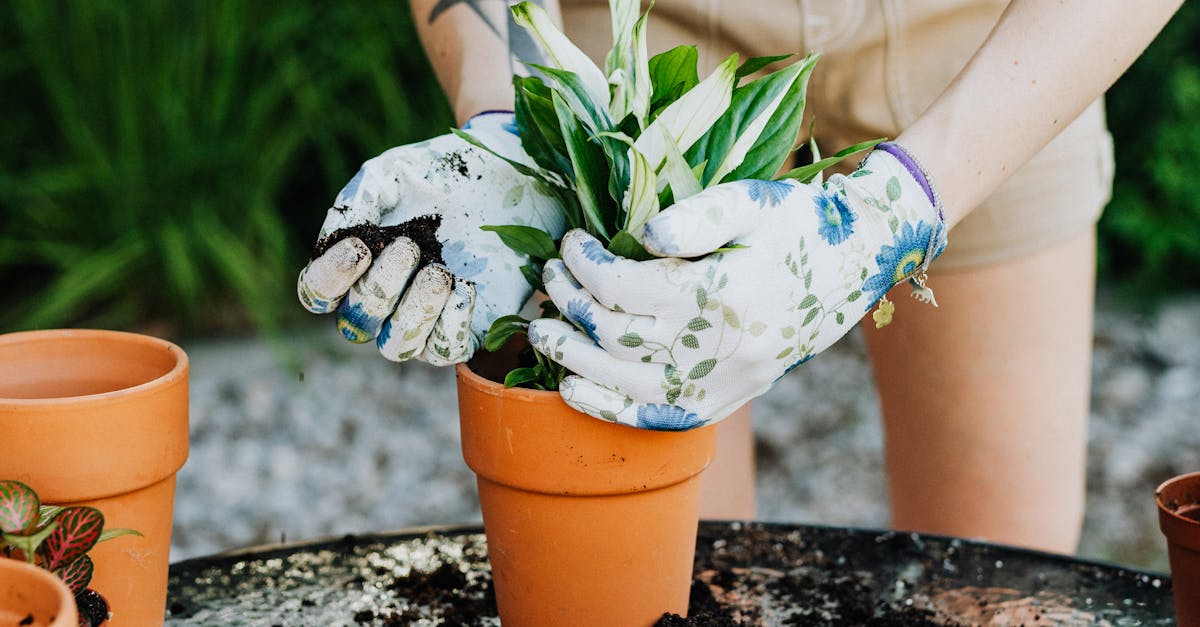
Once you have chosen the right plants and prepared the soil and containers, it’s time to plant your garden. Proper planting techniques and ongoing care are essential to ensure the health and vitality of your plants.
Planting Techniques: * Dig a hole: Dig a hole that is twice the width of the root ball and just as deep. * Place the plant: Carefully remove the plant from its container and place it in the hole. Make sure the top of the root ball is level with the soil surface. * Backfill the hole: Fill the hole with soil and gently tamp it down to remove any air pockets. * Water the plant: Water the plant deeply after planting to settle the soil and encourage root growth.
Ongoing Care: * Watering: Water your plants regularly, especially during hot and dry weather. The frequency of watering will vary depending on the type of plant, the weather conditions, and the size of the container. * Fertilizing: Fertilize your plants regularly to provide them with the nutrients they need to grow and bloom. Use a balanced fertilizer that is formulated for the type of plants you are growing. * Mulching: Mulching around your plants helps to retain moisture, suppress weeds, and regulate soil temperature. Use a natural mulch, such as compost or shredded leaves. * Pruning: Prune your plants regularly to remove dead or diseased leaves and stems, and to encourage new growth.
Planting Techniques
Planting Techniques: Following Proper Planting Depths, Spacing, and Handling to Avoid Root Damage
Proper planting techniques are essential to ensure the health and vitality of your plants. Following the correct planting depth, spacing, and handling will help to avoid root damage and promote strong root development.
Planting Depth: * When planting, the top of the root ball should be level with the soil surface. Planting too deeply can suffocate the roots, while planting too shallowly can expose them to drying out. * For bare-root plants, the roots should be spread out in a hole that is deep enough to accommodate the entire root system.
Spacing: * When planting multiple plants, it is important to space them properly to allow for adequate air circulation and root growth. The spacing will vary depending on the type of plant and the size of the container or garden bed. * A good rule of thumb is to space plants at a distance equal to the width of their mature spread.
Handling: * When handling plants, always hold them by the root ball, not by the stem. This will help to prevent damage to the roots. * If the roots are wrapped in burlap or other material, carefully remove it before planting. Do not plant the plant in the burlap or material, as this can restrict root growth.
Watering and Fertilizing
Watering and Fertilizing: Establishing a Regular Watering Schedule and Providing Balanced Fertilization for Optimal Growth
Watering and fertilizing are two essential elements of plant care. Establishing a regular watering schedule and providing balanced fertilization will help to ensure the optimal growth and health of your plants.
Watering: * The frequency of watering will vary depending on the type of plant, the weather conditions, and the size of the container or garden bed. * A good rule of thumb is to water your plants when the top inch of soil feels dry to the touch. * Water your plants deeply, allowing the water to penetrate to the roots. Avoid shallow watering, as this can encourage the roots to grow near the surface of the soil, where they are more susceptible to drying out.
Fertilizing: * Fertilize your plants regularly to provide them with the nutrients they need to grow and bloom. Use a balanced fertilizer that is formulated for the type of plants you are growing. * Follow the directions on the fertilizer package for the recommended application rate and frequency. * Avoid over-fertilizing, as this can damage your plants.
Mulching and Pruning
Mulching and Pruning: Enhancing Plant Health and Appearance
Mulching and pruning are two important gardening techniques that can help to improve the health and appearance of your plants. Mulching helps to retain moisture, suppress weeds, and insulate the soil, while pruning encourages healthy growth and flowering.
Mulching: * Mulch is a layer of material that is spread around plants to cover the soil. Mulch can be made from a variety of materials, including compost, shredded leaves, bark, or straw. * Mulch helps to retain moisture in the soil, which can reduce the need for frequent watering. It also helps to suppress weeds by blocking out sunlight and preventing them from germinating. * Mulch can also help to insulate the soil, which can protect plants from extreme temperatures and frost.
Pruning: * Pruning is the selective removal of plant parts, such as branches, stems, or leaves. Pruning can be done to improve the plant’s appearance, encourage new growth, or remove diseased or damaged parts. * Pruning can also help to promote flowering by removing old or unproductive stems. It can also help to improve air circulation and light penetration within the plant, which can lead to healthier growth. * When pruning, always use sharp, clean tools to make clean cuts. Avoid pruning too much at once, as this can shock the plant.
5. Creative Design Ideas
Creative Design Ideas: Enhancing Your Garden’s Visual Appeal and Functionality
Incorporating creative elements into your garden design can enhance its visual appeal and functionality. Here are a few ideas to get you started:
- Vertical Gardening: Maximize vertical space by using hanging planters, trellises, and wall-mounted gardens. This is a great way to grow plants in small spaces or add height and interest to your garden.
- Focal Points: Create focal points in your garden with eye-catching plants, sculptures, or water features. This will draw the eye and create a sense of balance and harmony.
- Companion Planting: Companion planting is the art of planting different species of plants together that benefit each other. For example, planting tomatoes with basil can help to repel insects, while planting carrots with onions can help to improve the flavor of both vegetables.
Vertical Gardening
Vertical Gardening: Utilizing Vertical Spaces for Lush Greenery
Vertical gardening is a great way to maximize space and add greenery to any area. By utilizing vertical spaces with hanging planters, trellises, and wall-mounted gardens, you can create a lush and vibrant garden even in the smallest of spaces.
Hanging Planters: Hanging planters are a versatile and easy way to add vertical interest to your garden. They can be suspended from ceilings, balconies, or patios, and can be used to grow a variety of plants, including flowers, herbs, and vegetables. Hanging planters are also a great way to create privacy screens or soften harsh architectural lines.
Trellises: Trellises are another excellent way to maximize vertical space in your garden. Trellises can be used to support climbing plants, such as vines and roses, and can be placed against walls, fences, or other structures. Trellises not only add height and interest to your garden, but they can also help to improve air circulation and prevent plant diseases.
Focal Points
Focal Points: Creating Visual Interest with Eye-Catching Elements
Creating focal points in your garden is a great way to add interest and draw the eye. Focal points can be created with a variety of elements, including eye-catching plants, sculptures, or water features.
Eye-Catching Plants: One of the easiest ways to create a focal point in your garden is to plant a specimen plant that stands out from the rest. This could be a plant with unusual foliage, vibrant flowers, or a unique shape. Specimen plants can be placed in the center of a flower bed, at the end of a path, or next to a seating area.
Sculptures: Sculptures can also be used to create focal points in your garden. Sculptures can be made from a variety of materials, including metal, stone, or wood. When choosing a sculpture for your garden, consider the overall style of your garden and the plants that you have already planted.
Companion Planting
Companion Planting: The Art of Mutually Beneficial Plantings
Companion planting is the practice of planting different species of plants together that benefit each other. This can be done in a variety of ways, such as sharing nutrients, controlling pests, or attracting pollinators.
Shared Nutrients: Some plants have the ability to fix nitrogen from the air and make it available to other plants. Legumes, such as beans and peas, are well-known for this ability. By planting legumes next to other plants, you can help to improve the growth of those plants without having to add additional fertilizer.
Pest Control: Certain plants can help to repel pests from your garden. For example, planting garlic or onions next to roses can help to deter aphids. Marigolds are also known to repel a variety of pests, including nematodes and whiteflies.
Quiz: Test Your Gardening Knowledge
- Which of the following is NOT a benefit of using hanging planters in vertical gardening?
(a) Maximizing space (b) Adding privacy (c) Improving drainage
-
True or False: Companion planting can only be used to control pests in the garden.
-
Which of the following plants is known for its ability to repel aphids?
(a) Garlic (b) Roses (c) Marigolds
- What is the main benefit of adding organic matter, such as compost or manure, to the soil?
(a) Improving fertility (b) Enhancing water retention (c) Both (a) and (b)
- True or False: It is important to avoid planting too deeply when planting a new plant.
Answer Key
- (c)
- False
- (a)
- (c)
- True
Unlock the Greenery Potential of Your Balcony: A Guide to Thriving Plants in Compact Spaces Attention all balcony-dwelling plant enthusiasts! Read more
Transform Your Balcony into a Flourishing Garden Oasis: A Step-by-Step Guide Beginning a balcony garden can be a fulfilling endeavor, Read more
Unlocking the Potential of Vertical Gardening on Balconies Are you tired of your cramped balcony but still longing for a Read more
Aromatic Delights: Cultivating Herbs on Your Balcony Oasis Whether you're a seasoned gardener or just starting out, growing herbs on Read more