
Transforming Your Balcony into an Allergy-Friendly Haven: A Comprehensive Guide
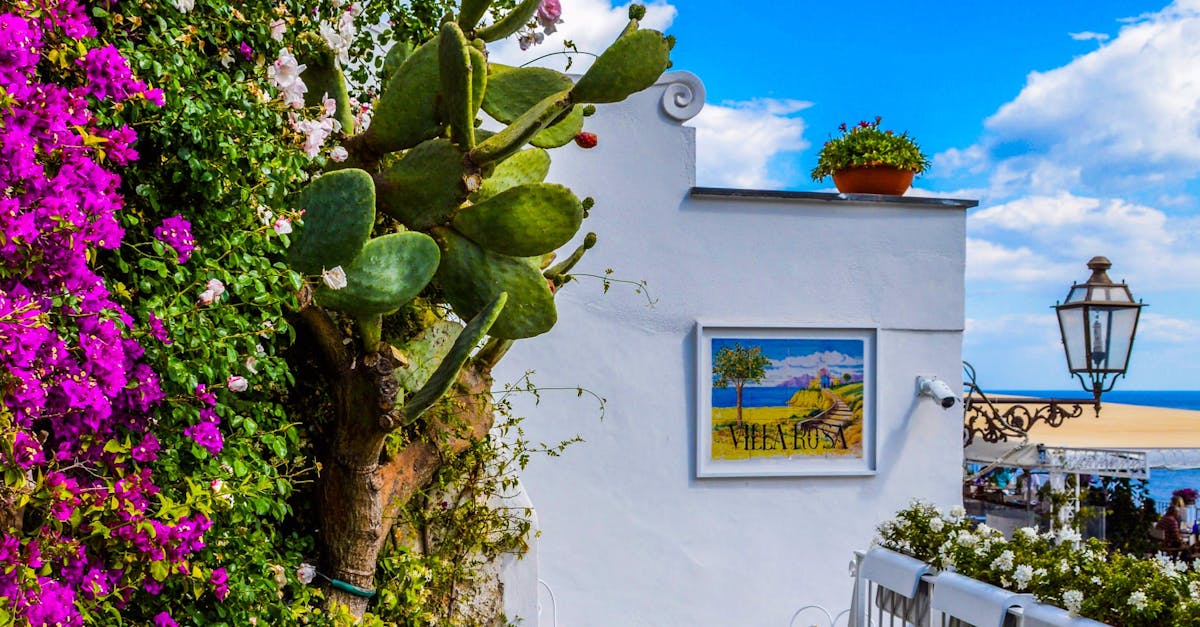
With the rise in allergies, creating an allergy-friendly balcony garden has become increasingly important. This comprehensive guide will provide you with the knowledge and practical steps to establish a thriving garden that minimizes allergy triggers and enhances your outdoor enjoyment.
Understanding the unique needs of allergy sufferers is paramount. By selecting hypoallergenic plants, optimizing balcony conditions, and implementing effective management strategies, you can create a sanctuary that nurtures both your well-being and your love of gardening. Whether you’re a seasoned gardener or just starting, this guide will empower you with the tools and information necessary to cultivate a beautiful and allergy-friendly balcony oasis.
This practical guide will cover essential topics such as identifying allergy-friendly plants, optimizing balcony conditions for plant health and minimizing allergen exposure, managing pollen and spores, implementing additional tips for enhancing allergy-friendly practices, and providing valuable resources for further exploration and support.
1. Understanding Hypoallergenic Plants
Understanding Hypoallergenic Plants: Identifying and selecting plants with low or no allergenic potential is crucial for allergy sufferers.
Plants produce pollen, spores, and other substances that can trigger allergic reactions in susceptible individuals. When selecting plants for an allergy-friendly balcony garden, it is essential to choose species that have low or no allergenic potential. This can be achieved by opting for plants that are:
-
Wind-pollinated: These plants release pollen into the air, which can be easily dispersed by the wind. Examples include grasses, trees, and ragweed.
-
Insect-pollinated: These plants rely on insects to transfer pollen from one flower to another, reducing the amount of pollen released into the air. Examples include roses, sunflowers, and daisies.
-
Non-flowering: These plants do not produce flowers, so they do not release pollen. Examples include ferns, mosses, and succulents.
In addition to considering pollination methods, it is also important to research specific plant species and their known allergenic properties. Some plants, even within the same genus, can have varying levels of allergenicity. For instance, certain varieties of roses are known to be moreallergenic than others.
By carefully selecting hypoallergenic plants, allergy sufferers can enjoy the beauty and benefits of gardening without compromising their health.
Recommended Allergy-Friendly Plants
Recommended Allergy-Friendly Plants: Exploring a range of plant species known for their hypoallergenic qualities.
When creating an allergy-friendly balcony garden, selecting the right plants is essential. Here are some recommended hypoallergenic plant species that are known for their low allergenic potential:
-
Flowers: Petunias, begonias, impatiens, geraniums, and daisies are popular choices for allergy-friendly gardens. These flowers are insect-pollinated, meaning they rely on insects to transfer pollen, reducing the amount of pollen released into the air.
-
Trees and shrubs: Japanese maple, crape myrtle, and redbud trees are good options for allergy sufferers. These trees produce minimal pollen and are not known to trigger allergic reactions.
-
Grasses and groundcovers: Mondo grass, creeping Jenny, and thyme are low-growing plants that can add greenery to your balcony without exacerbating allergies. These plants are non-flowering or have inconspicuous flowers, so they produce little to no pollen.
-
Ferns and mosses: Ferns and mosses are non-flowering plants that do not produce pollen or spores, making them excellent choices for allergy-friendly gardens. They thrive in shady, moist environments and can add a touch of elegance to your balcony.
-
Succulents: Succulents, such as aloe vera, sedum, and echeveria, are popular choices for allergy-friendly gardens due to their low maintenance requirements and ability to tolerate drought conditions. They are non-flowering and do not release allergens into the air.
By incorporating these hypoallergenic plants into your balcony garden, you can enjoy the beauty and benefits of gardening without compromising your health.
Avoiding Allergenic Plants
Avoiding Allergenic Plants: Identifying common plants that trigger allergies and understanding their specific allergens.
While many plants are considered hypoallergenic, there are certain species that are known to trigger allergic reactions in susceptible individuals. It is important to be aware of these plants and avoid them when creating an allergy-friendly balcony garden.
Some of the most common allergenic plants include:
-
Trees: Birch, oak, elm, and ash trees are notorious for producing large amounts of pollen that can trigger allergies. These trees are wind-pollinated, meaning the pollen is easily dispersed by the wind.
-
Grasses: Grasses, such as ryegrass, timothy grass, and Bermuda grass, are also common allergy triggers. They release pollen into the air, which can be inhaled and cause allergic reactions.
-
Ragweed: Ragweed is a highly allergenic plant that produces大量的pollen in the late summer and fall. It is one of the most common causes of秋季节病性过敏.
-
Flowers: Certain flowers, such as daisies, sunflowers, and goldenrod, can also trigger allergies. These flowers are insect-pollinated, but they can still release enough pollen to cause problems for allergy sufferers.
Understanding the specific allergens produced by these plants can help you make informed decisions when selecting plants for your allergy-friendly balcony garden. For example, if you are allergic to birch pollen, you should avoid planting birch trees on your balcony.
By avoiding allergenic plants and opting for hypoallergenic species, you can create a beautiful and enjoyable outdoor space that minimizes your allergy symptoms.
2. Optimizing Balcony Conditions

Optimizing Balcony Conditions: Creating a favorable environment for allergy-friendly plants requires attention to sunlight, air circulation, and moisture levels.
Once you have selected hypoallergenic plants for your balcony garden, it is important to optimize the growing conditions to ensure their health and minimize allergen exposure.
-
Sunlight: Most plants need sunlight to grow and thrive. However, too much sunlight can scorch plants and make them more susceptible to pests and diseases. When choosing a location for your balcony garden, consider the amount of sunlight your balcony receives and select plants that are suited to those conditions.
-
Air circulation: Good air circulation is essential for preventing the buildup of allergens in the air. Make sure your balcony is well-ventilated and that there is sufficient space between plants to allow for proper airflow. You can also use a fan to circulate the air and reduce allergen levels.
-
Moisture levels: Overwatering can lead to root rot and other problems, but underwatering can also stress plants and make them more susceptible to pests and diseases. It is important to find the right balance and water your plants when the soil is dry to the touch. You should also avoid getting water on the leaves of plants, as this can promote the growth of mold and mildew.
By optimizing the balcony conditions for your allergy-friendly plants, you can help them thrive and minimize the risk of allergen exposure.
Sunlight Requirements
Sunlight Requirements: Determining appropriate sunlight exposure for different plant species and optimizing balcony orientation.
Sunlight is essential for plant growth and development. However, different plant species have different sunlight requirements. Some plants, such as tomatoes and peppers, need full sun to produce fruit. Others, such as ferns and mosses, prefer shady conditions.
When choosing plants for your balcony garden, it is important to consider the amount of sunlight your balcony receives and select plants that are suited to those conditions. You can also use containers to move plants around your balcony to optimize their sunlight exposure.
If your balcony does not receive much sunlight, you can still grow a variety of plants by choosing shade-tolerant species. Some good options for shady balconies include:
- Ferns
- Mosses
- Hostas
- Impatiens
- Begonias
If your balcony receives a lot of sunlight, you can grow a wider variety of plants, including:
- Tomatoes
- Peppers
- Cucumbers
- Eggplant
- Herbs
By understanding the sunlight requirements of different plant species and optimizing the orientation of your balcony, you can create a thriving garden that meets your needs.
Air Circulation and Ventilation
Air Circulation and Ventilation: Ensuring proper air flow to reduce allergen buildup and maintain plant health.
Good air circulation is essential for preventing the buildup of allergens in the air and maintaining plant health. Poor air circulation can lead to a number of problems, including:
- Increased humidity, which can promote the growth of mold and mildew
- Reduced oxygen levels, which can stress plants and make them more susceptible to pests and diseases
- Buildup of carbon dioxide, which can inhibit plant growth
To ensure proper air circulation in your balcony garden, make sure to:
- Keep your balcony free of clutter and debris
- Open windows and doors when possible
- Use a fan to circulate the air
- Avoid overcrowding your plants
By following these tips, you can help to create a healthy environment for your plants and minimize the risk of allergen buildup.
Watering and Drainage
Watering and Drainage: Establishing an effective watering schedule and ensuring proper drainage to prevent excessive moisture and mold growth.
Watering is essential for plant growth, but it is important to water your plants correctly to avoid problems such as overwatering and underwatering. Overwatering can lead to root rot and other problems, while underwatering can stress plants and make them more susceptible to pests and diseases.
The best way to water your plants is to check the soil moisture before watering. If the soil is dry to the touch, it is time to water. Water your plants deeply, but avoid getting water on the leaves. After watering, allow the excess water to drain away.
Proper drainage is also essential for preventing problems such as root rot and mold growth. Make sure your pots have drainage holes and that the soil is well-draining. You can also use a raised bed to improve drainage.
By following these tips, you can help to ensure that your plants are getting the right amount of water and that they are not sitting in waterlogged soil.
3. Managing Pollen and Spores
Managing Pollen and Spores: Minimizing exposure to airborne allergens is essential for allergy sufferers
Pollen and spores are tiny particles that can trigger allergies in susceptible individuals. Pollen is produced by plants, while spores are produced by fungi and molds. Both pollen and spores can be carried by the wind and inhaled, causing allergy symptoms such as sneezing, runny nose, itchy eyes, and congestion.
There are a number of things you can do to minimize your exposure to pollen and spores, including:
-
Choosing low-pollen plants for your balcony garden. Some plants produce more pollen than others. When selecting plants for your balcony garden, choose species that are known to produce low levels of pollen.
-
Regular cleaning and maintenance of your balcony. Pollen and spores can accumulate on surfaces, so it is important to clean your balcony regularly. You should also remove any dead leaves or other debris that can harbor pollen and spores.
-
Timing outdoor activities to avoid peak pollen and spore counts. Pollen and spore counts are typically highest in the morning and on windy days. If you are allergic to pollen or spores, try to avoid spending time outdoors during these times.
-
Wearing a mask when you are outdoors. A mask can help to filter out pollen and spores from the air.
-
Taking allergy medication to reduce your symptoms. If you are allergic to pollen or spores, your doctor may recommend taking allergy medication to reduce your symptoms.
Choosing Low-Pollen Plants
Choosing Low-Pollen Plants: Selecting plant species that produce minimal pollen or spores
If you are allergic to pollen or spores, one of the best things you can do to minimize your symptoms is to choose low-pollen plants for your balcony garden. Some plants produce more pollen than others, and some plants produce more spores than others. By choosing plants that are known to produce low levels of pollen and spores, you can help to reduce your exposure to these allergens.
Here are some tips for choosing low-pollen plants:
-
Choose female plants. Female plants produce flowers that do not produce pollen. If you are allergic to pollen, it is best to avoid planting male plants.
-
Choose plants that are not wind-pollinated. Wind-pollinated plants release their pollen into the air, which can be easily inhaled. Insect-pollinated plants, on the other hand, rely on insects to transfer their pollen, which means that they release less pollen into the air.
-
Choose plants that have small, inconspicuous flowers. Plants with large, showy flowers tend to produce more pollen than plants with small, inconspicuous flowers.
-
Choose plants that are native to your area. Native plants are adapted to the local climate and are less likely to produce allergens than non-native plants.
By following these tips, you can choose low-pollen plants that will help to reduce your allergy symptoms and allow you to enjoy your balcony garden without worry.
Regular Cleaning and Maintenance
Regular Cleaning and Maintenance: Removing fallen pollen and spores from surfaces and maintaining a clean balcony environment.
In addition to choosing low-pollen plants, there are a number of other things you can do to reduce your exposure to pollen and spores on your balcony, including:
-
Regular cleaning: Pollen and spores can accumulate on surfaces, so it is important to clean your balcony regularly. This includes sweeping or mopping the floor, dusting furniture, and cleaning windows and doors.
-
Removing fallen pollen and spores: If you see pollen or spores on your balcony, remove it immediately. You can use a damp cloth to wipe down surfaces or use a vacuum cleaner to remove pollen and spores from the air.
-
Keeping your balcony free of clutter: Clutter can provide a place for pollen and spores to accumulate. Keep your balcony free of clutter to reduce your exposure to these allergens.
-
Maintaining a clean balcony environment: A clean balcony environment is less likely to attract pollen and spores. Make sure to keep your balcony free of debris, such as dead leaves and grass clippings.
By following these tips, you can help to reduce your exposure to pollen and spores on your balcony and create a more allergy-friendly environment.
Timing Outdoor Activities
Timing Outdoor Activities: Being mindful of pollen and spore counts and adjusting outdoor activities accordingly.
If you are allergic to pollen or spores, it is important to be mindful of pollen and spore counts when planning your outdoor activities. Pollen and spore counts are typically highest in the morning and on windy days. If you are allergic to pollen or spores, it is best to avoid spending time outdoors during these times.
You can check pollen and spore counts in your area by visiting the website of your local weather station or by using a pollen and spore counting app. If pollen and spore counts are high, you may want to stay indoors or limit your time outdoors. You may also want to wear a mask when you are outdoors to help filter out pollen and spores from the air.
By being mindful of pollen and spore counts and adjusting your outdoor activities accordingly, you can help to reduce your exposure to these allergens and minimize your allergy symptoms.
4. Additional Tips for Allergy-Friendly Gardening
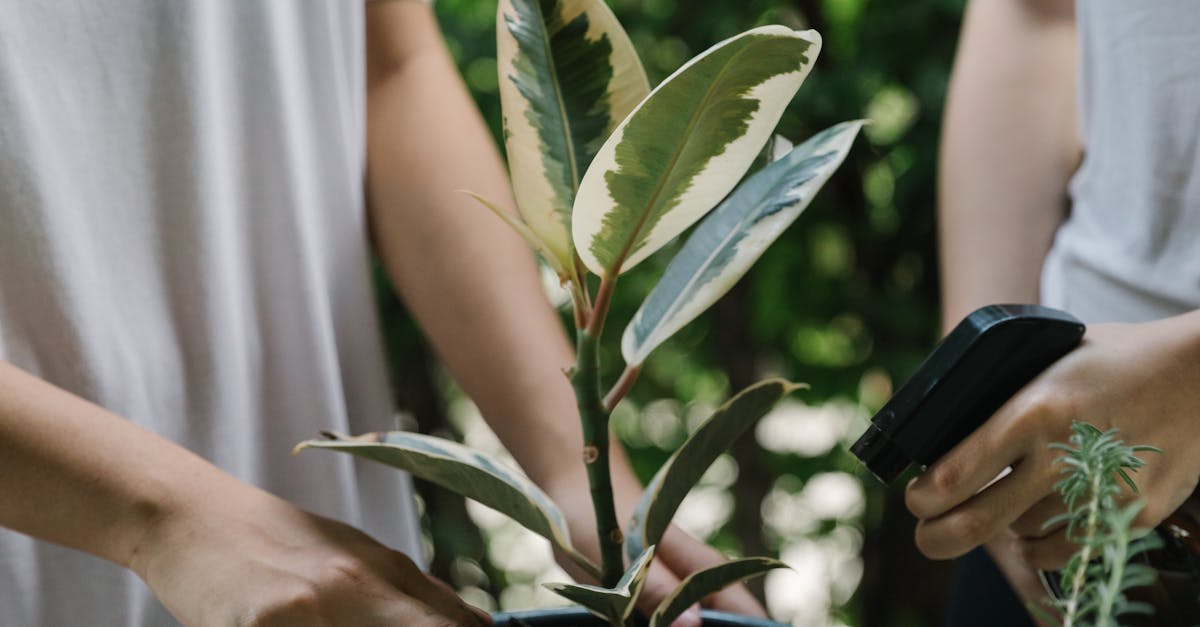
Additional Tips for Allergy-Friendly Gardening: Practical advice and considerations for enhancing allergy-friendly gardening practices.
In addition to the tips discussed above, there are a number of other things you can do to make your balcony garden more allergy-friendly, including:
-
Using hypoallergenic soil: Some soils contain mold spores or other allergens that can trigger allergy symptoms. When choosing soil for your balcony garden, opt for hypoallergenic soil mixes that are free of these allergens.
-
Avoiding chemical pesticides: Chemical pesticides can irritate the skin and respiratory system, and they can also be harmful to beneficial insects. When dealing with pests in your balcony garden, use natural pest control methods instead of chemical pesticides.
-
Wearing protective gear: When working in your balcony garden, wear protective gear such as gloves, a mask, and long sleeves to protect yourself from allergens and irritants.
-
Consulting with a healthcare professional: If you have severe allergies, it is important to consult with a healthcare professional before starting an allergy-friendly balcony garden. Your doctor can help you to identify your specific allergens and develop a plan to minimize your exposure to these allergens.
Using Hypoallergenic Soil
Using Hypoallergenic Soil: Opting for hypoallergenic soil mixes and avoiding organic matter that may harbor allergens.
Soil can be a major source of allergens, especially for people who are allergic to mold spores. Some soils also contain other allergens, such as dust mites and pet dander. If you are allergic to any of these allergens, it is important to use hypoallergenic soil in your balcony garden.
Hypoallergenic soil mixes are specially formulated to be free of common allergens. They are typically made with a base of inorganic materials, such as perlite or vermiculite, and they may also contain organic matter that has been treated to remove allergens. When choosing a hypoallergenic soil mix, be sure to read the label carefully to make sure that it is free of the allergens you are allergic to.
In addition to using hypoallergenic soil, it is also important to avoid using organic matter that may harbor allergens. This includes things like compost, manure, and peat moss. If you want to add organic matter to your soil, be sure to compost it yourself or purchase it from a reputable source that uses high-temperature composting methods to kill allergens.
Avoiding Chemical Pesticides
Avoiding Chemical Pesticides: Using natural pest control methods to minimize exposure to chemical allergens.
Chemical pesticides can be harmful to human health, especially for people who are allergic to them. Pesticides can also be harmful to beneficial insects, such as bees and butterflies. If you are concerned about the health risks of chemical pesticides, there are a number of natural pest control methods that you can use in your balcony garden.
One of the most effective natural pest control methods is to use beneficial insects to prey on pests. Beneficial insects include ladybugs, lacewings, and parasitic wasps. You can attract beneficial insects to your garden by planting flowers that they are attracted to, such as sunflowers, daisies, and zinnias. You can also purchase beneficial insects from a garden center or online.
Another natural pest control method is to use insecticidal soap. Insecticidal soap is made from fatty acids and it works by suffocating pests. Insecticidal soap is safe to use on plants and it is not harmful to humans or pets. You can purchase insecticidal soap from a garden center or online.
If you have a pest problem in your balcony garden, try using natural pest control methods before resorting to chemical pesticides. Natural pest control methods are safer for your health and the environment, and they can be just as effective as chemical pesticides.
Wearing Protective Gear
Wearing Protective Gear: Protecting oneself from potential allergens by wearing gloves, masks, and appropriate clothing.
When working in your allergy-friendly balcony garden, it is important to wear protective gear to protect yourself from potential allergens. This includes wearing gloves, a mask, and appropriate clothing.
Gloves can help to protect your hands from contact with allergens, such as pollen, spores, and mold. When choosing gloves, be sure to select a pair that is made from a non-allergenic material, such as nitrile or latex.
A mask can help to protect your lungs from inhaling allergens. When choosing a mask, be sure to select one that is rated for the type of allergens you are most likely to encounter. For example, if you are allergic to pollen, you should choose a mask that is rated for pollen protection.
Appropriate clothing can help to protect your skin from exposure to allergens. When choosing clothing, be sure to select loose-fitting, lightweight fabrics that will not irritate your skin. You should also avoid wearing clothing that is made from natural fibers, such as cotton or wool, as these fibers can harbor allergens.
By wearing protective gear when working in your allergy-friendly balcony garden, you can help to reduce your exposure to allergens and minimize your allergy symptoms.
5. Resources and Further Reading
Resources and Further Reading: Providing additional resources for in-depth information and support.
In addition to the information provided in this article, there are a number of other resources available to help you create and maintain an allergy-friendly balcony garden. These resources include:
-
Allergy-Friendly Plant Database: This database provides a comprehensive list of hypoallergenic plants that are suitable for growing in balcony gardens. You can search the database by plant type, allergen, and other criteria to find the perfect plants for your needs.
-
Gardening and Allergy Associations: There are a number of gardening and allergy associations that can provide you with information and support on creating an allergy-friendly balcony garden. These associations often offer workshops, classes, and other resources to help you get started.
-
Professional Consultation: If you have severe allergies, it is important to consult with a healthcare professional before starting an allergy-friendly balcony garden. Your doctor can help you to identify your specific allergens and develop a plan to minimize your exposure to these allergens.
Allergy-Friendly Plant Database
Allergy-Friendly Plant Database: Exploring online databases that provide comprehensive lists of hypoallergenic plants.
Allergy-friendly plant databases are a valuable resource for people who want to create an allergy-friendly balcony garden. These databases provide comprehensive lists of hypoallergenic plants that are suitable for growing in balcony gardens. You can search the databases by plant type, allergen, and other criteria to find the perfect plants for your needs.
Some of the most popular allergy-friendly plant databases include:
-
The American Academy of Allergy, Asthma & Immunology (AAAAI): The AAAAI’s allergy-friendly plant database includes over 1,000 plants that have been evaluated for their allergenic potential. The database is searchable by plant type, allergen, and other criteria.
-
The Asthma and Allergy Foundation of America (AAFA): The AAFA’s allergy-friendly plant database includes over 500 plants that have been evaluated for their allergenic potential. The database is searchable by plant type, allergen, and other criteria.
-
The National Gardening Association (NGA): The NGA’s allergy-friendly plant database includes over 2,000 plants that have been evaluated for their allergenic potential. The database is searchable by plant type, allergen, and other criteria.
By using an allergy-friendly plant database, you can easily find plants that are suitable for your needs and that will minimize your exposure to allergens.
Gardening and Allergy Associations
Gardening and Allergy Associations: Connecting with organizations and communities dedicated to supporting allergy-friendly gardening practices.
Gardening and allergy associations are a great way to connect with other people who are interested in creating allergy-friendly gardens. These associations offer a variety of resources and support, including:
-
Information on allergy-friendly gardening practices: Gardening and allergy associations can provide you with information on the latest allergy-friendly gardening practices, including tips on choosing hypoallergenic plants, managing pollen and spores, and avoiding chemical pesticides.
-
Support from other allergy sufferers: Gardening and allergy associations can connect you with other people who are interested in allergy-friendly gardening. This can be a great way to share tips and support, and to learn from the experiences of others.
-
Opportunities to get involved in allergy-friendly gardening: Gardening and allergy associations often offer opportunities to get involved in allergy-friendly gardening projects. This can be a great way to learn more about allergy-friendly gardening and to make a difference in your community.
Some of the most popular gardening and allergy associations include:
-
The American Academy of Allergy, Asthma & Immunology (AAAAI): The AAAAI is a professional medical organization that provides information and support on allergy-friendly gardening. The AAAAI has a number of resources available on its website, including an allergy-friendly plant database and tips on allergy-friendly gardening practices.
-
The Asthma and Allergy Foundation of America (AAFA): The AAFA is a non-profit organization that provides information and support on asthma and allergies. The AAFA has a number of resources available on its website, including an allergy-friendly plant database and tips on allergy-friendly gardening practices.
-
The National Gardening Association (NGA): The NGA is a non-profit organization that promotes gardening and provides information and support to gardeners. The NGA has a number of resources available on its website, including an allergy-friendly plant database and tips on allergy-friendly gardening practices.
Professional Consultation
Professional Consultation: Seeking professional advice from allergists or horticulture experts for personalized guidance.
If you have severe allergies, it is important to consult with a healthcare professional before starting an allergy-friendly balcony garden. Your doctor can help you to identify your specific allergens and develop a plan to minimize your exposure to these allergens. Your doctor may also recommend that you consult with a horticulture expert to help you choose the right plants for your balcony garden and to develop an allergy-friendly gardening plan.
Horticulture experts can provide you with personalized guidance on creating an allergy-friendly balcony garden. They can help you to choose the right plants for your needs, based on your specific allergens and the climate in your area. They can also provide you with advice on how to manage pollen and spores, and how to avoid using chemical pesticides. By working with a horticulture expert, you can create an allergy-friendly balcony garden that is both beautiful and safe for you to enjoy.
Here are some tips for finding a qualified allergist or horticulture expert:
-
Ask your doctor for a referral. Your doctor may be able to refer you to a qualified allergist or horticulture expert in your area.
-
Contact your local allergy and asthma association. Allergy and asthma associations often have lists of qualified allergists and horticulture experts in their area.
-
Do an online search. You can search online for allergists or horticulture experts in your area. Be sure to read reviews from other patients or clients before making an appointment.
-
Interview potential allergists or horticulture experts. Once you have found a few potential allergists or horticulture experts, interview them to find the one who is the best fit for your needs.
Quiz
1. Which of the following is NOT a symptom of an allergic reaction?
(a) Sneezing
(b) Runny nose
(c) Fever
(d) Itchy eyes
2. True or False: Insect-pollinated plants release more pollen into the air than wind-pollinated plants.
(a) True
(b) False
3. Which of the following is a good way to reduce your exposure to pollen and spores?
(a) Spending time outdoors in the morning
(b) Keeping your windows and doors closed
(c) Wearing a mask when you are outdoors
(d) Watering your plants frequently
Answer Key
-
(c) Fever
-
(a) True
-
(c) Wearing a mask when you are outdoors
Answer Key
-
(c) Fever
-
(a) True
-
(c) Wearing a mask when you are outdoors
Unlock the Greenery Potential of Your Balcony: A Guide to Thriving Plants in Compact Spaces Attention all balcony-dwelling plant enthusiasts! Read more
Transform Your Balcony into a Flourishing Garden Oasis: A Step-by-Step Guide Beginning a balcony garden can be a fulfilling endeavor, Read more
Unlocking the Potential of Vertical Gardening on Balconies Are you tired of your cramped balcony but still longing for a Read more
Aromatic Delights: Cultivating Herbs on Your Balcony Oasis Whether you're a seasoned gardener or just starting out, growing herbs on Read more