
Cultivating Inner Peace in Your Urban Eden
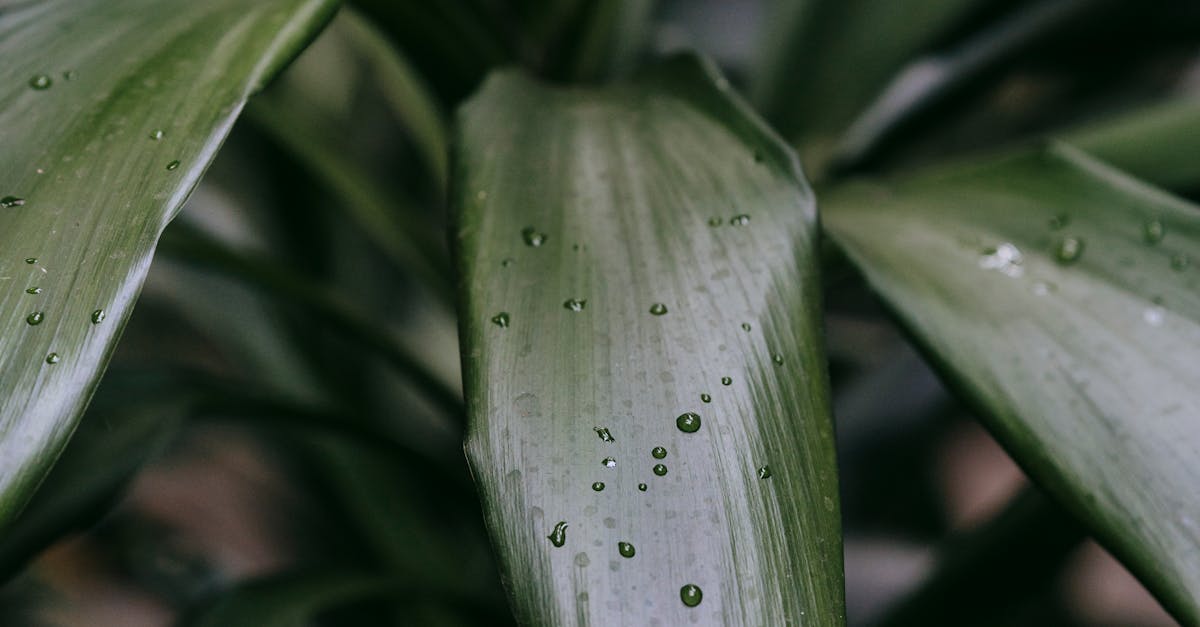
Nestled amidst the bustling city, your tiny garden holds the potential to transform into an enchanting sanctuary for yoga and meditation. By harnessing the power of space optimization, calming elements, and aromatic greenery, you can craft a serene oasis that nurtures your well-being and invites tranquility into your daily life. Embark on this journey to discover how to create a yoga and meditation space in your tiny garden, tailored to your unique needs and aspirations.
1. Finding Your Zen Oasis: Choosing the Perfect Spot
When embarking on the journey to create your yoga and meditation space, the selection of the perfect spot in your tiny garden is paramount. Consider these key factors to ensure your haven exudes tranquility and supports your practice:
Privacy: Seek out a secluded corner or nook within your garden, shielded from prying eyes and distractions. This sense of privacy will foster a deeper connection with your inner self and enhance your ability to fully immerse yourself in meditation and yoga.
Sunlight: Ample sunlight is not only vital for your well-being but also creates a naturally uplifting and energizing ambiance in your meditation space. Choose a spot that receives plenty of sunlight, particularly during your preferred practice times. Alternatively, consider incorporating skylights or large windows into a covered area to allow natural light to permeate your sanctuary.
Access: Accessibility to your yoga and meditation space is crucial for regular and effortless use. Ensure that the location you choose is easily accessible from your home, without any obstacles or cumbersome paths that may hinder your practice. A seamless flow between your daily life and your sanctuary will encourage consistent use and enhance the overall experience.
2. Space Optimization: Making the Most of Your Tiny Garden

In the realm of tiny gardens, space optimization is key to creating a functional and inviting yoga and meditation space. Embrace these space-saving techniques to maximize your garden’s potential:
Vertical Gardening: Utilize vertical space by incorporating trellises, hanging planters, and wall-mounted shelves. These vertical structures allow you to cultivate lush greenery without occupying valuable ground space. Train vines to climb trellises, suspend planters from above, and adorn walls with vibrant plants, creating a verdant backdrop for your practice.
Stackable Planters: Make use of stackable planters to add depth and dimension to your garden while saving ground space. Arrange these planters in various heights and sizes to create a dynamic and visually appealing display. You can use them to grow a variety of plants, from herbs and flowers to small shrubs, adding color, texture, and fragrance to your sanctuary.
Foldable Furniture: Opt for foldable furniture that can be easily stored or moved when not in use. Choose chairs, tables, and mats that can be folded flat or tucked away in corners to maximize space. This allows you to create a spacious and clutter-free environment for your yoga and meditation practice, without compromising on comfort and functionality.
3. Creating Serenity: Calming Elements for Your Sanctuary
In your yoga and meditation space, serenity is paramount. Infuse your sanctuary with calming elements that gently lull you into a state of relaxation and tranquility:
Water Features: The gentle sound of flowing water has a profoundly calming effect on the mind and body. Incorporate a small water feature, such as a tabletop fountain or a miniature pond, into your space. The rhythmic flow of water creates a soothing ambiance that facilitates deep relaxation and enhances your meditation practice.
Wind Chimes: The delicate tinkling of wind chimes adds a touch of serenity and mindfulness to your garden. Hang wind chimes in areas where the gentle breeze can catch them, creating a subtle and melodious sound that promotes relaxation and tranquility. Choose chimes with soothing tones, such as chimes made from bamboo, wood, or glass.
Calming Scents: Surround yourself with plants that emit calming scents to create a sensory haven. Lavender, chamomile, and jasmine are known for their soothing and relaxing properties. Place these plants strategically around your meditation space or grow them in pots to enjoy their fragrant blooms. Inhaling these scents can help reduce stress, promote relaxation, and enhance your overall well-being.
4. The Power of Plants: Greenery and Aromatherapy for Enhanced Well-being

Harness the therapeutic power of plants to enhance your well-being in your yoga and meditation space:
Stress Reduction: Surround yourself with plants known for their stress-reducing properties. Lavender, chamomile, and basil are just a few examples of plants that have been shown to promote relaxation and reduce anxiety. Place these plants in areas where you will be practicing yoga or meditation, or grow them in pots to enjoy their calming effects.
Improved Air Quality: Certain plants act as natural air purifiers, removing toxins and pollutants from the air. Peace lilies, spider plants, and snake plants are excellent choices for improving indoor air quality. Incorporating these plants into your yoga and meditation space not only enhances the ambiance but also contributes to your overall health and well-being.
Strategic Placement: When placing plants in your yoga and meditation space, consider their size, shape, and color. Taller plants can create a sense of privacy and seclusion, while smaller plants can add pops of color and texture. Experiment with different arrangements to find what works best for your space and preferences. Remember, the goal is to create a harmonious and inviting environment that supports your practice.
5. Finishing Touches: Personalizing Your Sacred Space
Infuse your yoga and meditation space with personal touches that make it uniquely yours and invite you to fully relax and unwind:
Cozy Accents: Add comfortable cushions, blankets, and throws to your space to enhance comfort during meditation or relaxation. Choose soft, natural fabrics in colors that complement your garden’s ambiance. These cozy accents will create a warm and inviting atmosphere, encouraging you to linger longer in your sanctuary.
Ambient Lighting: Create a serene ambiance with ambient lighting. String fairy lights around plants or hang lanterns from tree branches to provide soft, diffused light. The warm glow of lanterns and fairy lights sets the mood for relaxation and introspection.
Personal Touches: Display objects that hold special meaning to you or evoke a sense of peace and tranquility. This could be a piece of art, a cherished memento, or a collection of crystals. Personal touches make your yoga and meditation space a true reflection of your inner world.
Quiz: Test Your Understanding
-
True or False: When choosing the location for your yoga and meditation space, privacy is not an important factor.
-
Which of the following is NOT a space-saving technique for tiny gardens?
(a) Vertical gardening (b) Stackable planters (c) Oversized furniture
- What type of plants are particularly beneficial for enhancing well-being in a yoga and meditation space?
(a) Plants with calming scents (b) Plants with large leaves (c) Plants with bright flowers
-
True or False: Adding personal touches to your yoga and meditation space is discouraged, as it may disrupt the serene ambiance.
-
Which of the following elements can help create a calming atmosphere in your meditation space?
(a) Water feature (b) Wind chimes (c) All of the above
- False
- (c) Oversized furniture
- (a) Plants with calming scents
- False
- (c) All of the above
Unlock the Greenery Potential of Your Balcony: A Guide to Thriving Plants in Compact Spaces Attention all balcony-dwelling plant enthusiasts! Read more
Transform Your Balcony into a Flourishing Garden Oasis: A Step-by-Step Guide Beginning a balcony garden can be a fulfilling endeavor, Read more
Unlocking the Potential of Vertical Gardening on Balconies Are you tired of your cramped balcony but still longing for a Read more
Aromatic Delights: Cultivating Herbs on Your Balcony Oasis Whether you're a seasoned gardener or just starting out, growing herbs on Read more