
A Guide to Creating a Japanese-Inspired Balcony Garden
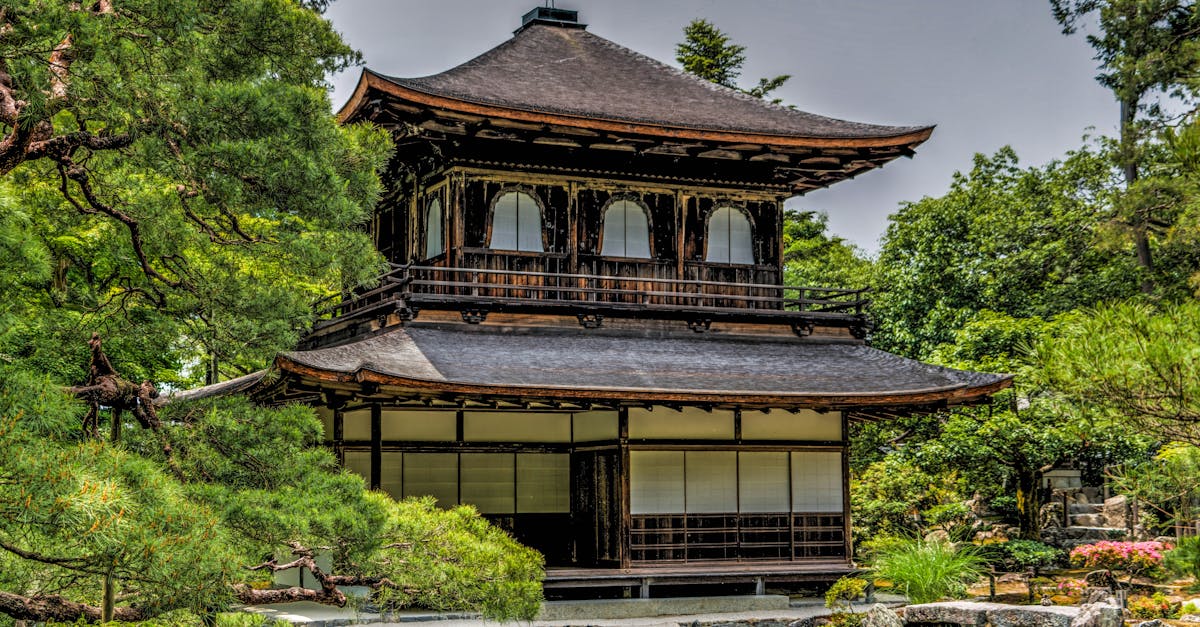
Transform your tiny balcony into a tranquil oasis with a touch of Japanese serenity. Discover the art of creating a miniature garden that evokes the essence of Zen principles, where harmony, asymmetry, and negative space work together to create a calming and aesthetically pleasing retreat. With careful plant selection, thoughtful arrangement, and traditional Japanese elements, you can cultivate a slice of nature that brings a sense of tranquility and balance to your urban sanctuary.
1. Choosing the Right Plants
When selecting plants for your Japanese-inspired balcony garden, authenticity is key. Incorporate native Japanese species like bamboo, ferns, and maples to create a true sense of Zen tranquility. Bamboos, with their graceful stalks and lush greenery, provide privacy and an exotic touch. Ferns, such as maidenhair and Boston ferns, add a calming ambiance with their delicate textures and fresh appearance. Japanese maples, renowned for their vibrant foliage, introduce seasonal color and beauty, especially the stunning Acer palmatum with its fiery red hues.
Bamboos for Privacy and Lush Greenery
For privacy and a touch of exoticism, bamboos are an excellent choice for your Japanese-inspired balcony garden. These versatile plants add height and lush greenery, creating a tranquil and secluded atmosphere. When selecting bamboo for your balcony, consider species like Phyllostachys aurea, with its striking golden culms, or Sasa veitchii, known for its compact size and delicate foliage. Bamboos are relatively low-maintenance and can tolerate a range of light conditions, making them ideal for balconies with limited space or sunlight.
Serene Ferns for a Tranquil Ambiance
To create a sense of calm and tranquility on your Japanese-inspired balcony garden, incorporate lush ferns. Maidenhair ferns, with their delicate, fan-shaped fronds, add a touch of elegance and airiness. Boston ferns, known for their long, arching fronds, bring a cascading effect and a sense of freshness to your balcony. Ferns prefer shady or partially shaded areas and require regular watering to maintain their lush appearance. Their ability to purify the air makes them not only aesthetically pleasing but also beneficial for your well-being.
Graceful Maples for Seasonal Color
For a touch of vibrant color and seasonal interest, introduce Japanese maples to your balcony garden. These graceful trees are known for their stunning foliage, which transforms from vibrant shades of green in spring to fiery hues of red, orange, and yellow in fall. One popular variety for balconies is the Acer palmatum, or Japanese maple, which is prized for its compact size and exquisite leaf shapes. Japanese maples prefer well-drained soil and partial shade to full sun. With proper care, they can thrive in containers and bring a touch of autumn beauty to your balcony throughout the year.
2. Arranging Plants for Harmony and Aesthetics
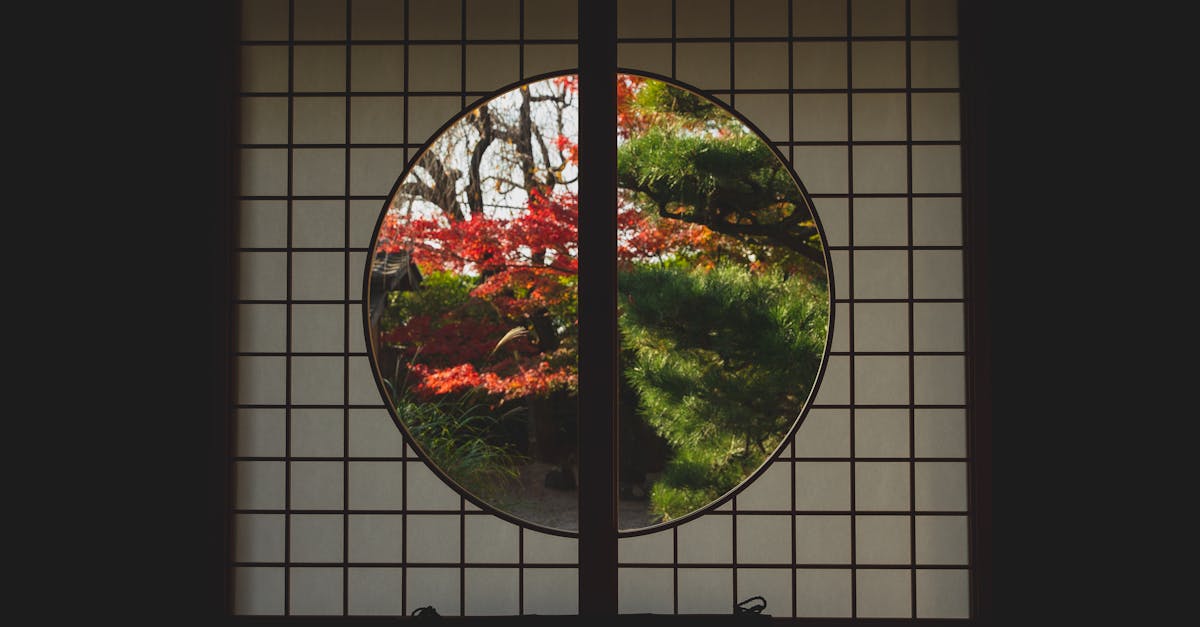
When arranging plants on your Japanese-inspired balcony garden, embrace the principles of minimalism and asymmetry to create a harmonious and visually pleasing display. Start by dividing your balcony into sections using the rule of thirds, which involves dividing the space into thirds both horizontally and vertically. Place taller plants, such as bamboos or small trees, in the background or corners to create a sense of height and depth. Arrange smaller plants and ferns in the foreground or middle ground, using odd numbers to create a more dynamic and visually interesting composition. Incorporate negative space, or areas without plants, to allow the beauty of individual plants to shine through and create a sense of tranquility.
Incorporating the Rule of Thirds for Balance
The rule of thirds is a fundamental principle of composition used in photography, art, and garden design. When applied to your Japanese-inspired balcony garden, it can help you create a visually balanced and harmonious arrangement. To use the rule of thirds, imagine dividing your balcony into thirds both horizontally and vertically, creating a grid with four intersection points. Place taller plants or focal points at or near these intersection points to create a sense of balance and stability. Arrange smaller plants and trailing elements within the grid sections to fill in the composition and add interest. By following the rule of thirds, you can achieve a cohesive and aesthetically pleasing display that draws the eye and creates a sense of tranquility.
Creating Depth with Varied Plant Heights
To create a dynamic and visually captivating display on your Japanese-inspired balcony garden, incorporate plants of varying heights. Tall plants, such as bamboos or small trees, can serve as a backdrop or focal point, adding height and structure to the garden. Medium-sized plants, such as ferns or shrubs, can fill in the middle ground and create layers of interest. Trailing plants, such as vines or groundcovers, can soften the edges of containers and add a touch of whimsy. By combining plants of different heights, you can create a sense of depth and dimension, drawing the eye through the garden and creating a more engaging visual experience.
Respecting Negative Space for Serenity
In the art of Japanese gardening, negative space is just as important as the plants themselves. By incorporating areas without plants into your balcony garden, you can create a sense of tranquility and enhance the impact of your chosen plants. Negative space allows the eye to rest and appreciate the individual beauty of each plant, creating a more serene and contemplative atmosphere. It also helps to balance the composition of your garden and prevent it from feeling cluttered or overwhelming. By carefully considering the placement of plants and incorporating negative space, you can create a harmonious and visually appealing balcony garden that invites relaxation and reflection.
3. Creating a Japanese-Inspired Ambiance
To fully immerse yourself in the serenity and harmony of a Japanese garden, incorporate traditional elements into your balcony garden. Japanese lanterns, with their soft, diffused light, create a magical ambiance, especially in the evening. Water features, such as small fountains or birdbaths, introduce the calming sounds of flowing water and attract wildlife. Japanese ornaments, such as stone sculptures, wind chimes, or torii gates, add a touch of authenticity and evoke a sense of tranquility. By carefully selecting and arranging these elements, you can transform your balcony into a miniature Japanese oasis, providing a serene escape amidst the urban environment.
Illuminating with Japanese Lanterns
Japanese lanterns are a beautiful and authentic way to illuminate your balcony garden, creating a magical ambiance that is both inviting and serene. Their soft, diffused light adds a touch of mystery and enchantment to the space, especially after nightfall. Traditional Japanese lanterns are made from paper or fabric and come in a variety of shapes and sizes. They can be hung from trees or eaves, or placed on the ground or a table. When choosing lanterns for your balcony garden, consider the overall style and atmosphere you want to create. For a more traditional look, opt for lanterns made from natural materials such as bamboo or rice paper. For a more modern touch, choose lanterns with metal frames or contemporary designs. Regardless of your style, Japanese lanterns are a surefire way to add a touch of Japan to your balcony garden and create a truly unique and special space.
Introducing the Tranquility of Water Features
The gentle sounds of flowing water can bring a sense of tranquility and peace to any space, and a water feature is a beautiful way to incorporate this element into your balcony garden. Whether you choose a small fountain, a birdbath, or even a simple container filled with water, the soothing sounds of water will help to create a relaxing and inviting atmosphere. Water features are also a great way to attract wildlife to your balcony, as birds, butterflies, and other creatures are drawn to water. If you want to attract even more wildlife, consider adding some aquatic plants to your water feature. With its calming sounds and ability to attract wildlife, a water feature is a прекрасен addition to any balcony garden.
Accessorizing with Japanese Ornaments
Japanese ornaments are a beautiful way to add a touch of authenticity and tranquility to your balcony garden. Stone sculptures, wind chimes, and torii gates are all popular choices that can help to create a serene and inviting space. Stone sculptures can be used to represent anything from animals to deities, and they often have a weathered or moss-covered appearance that adds to their charm. Wind chimes create a gentle and soothing sound when they are blown by the breeze, and they are also believed to bring good luck. Torii gates are traditionally used to mark the entrance to a Shinto shrine, and they can be used in your balcony garden to create a sense of separation between the outside world and your peaceful sanctuary. When choosing Japanese ornaments for your balcony garden, consider the overall style and atmosphere you want to create. For a more traditional look, opt for ornaments made from natural materials such as stone or wood. For a more modern touch, choose ornaments with metal frames or contemporary designs. Regardless of your style, Japanese ornaments are a surefire way to add a touch of Japan to your balcony garden and create a truly unique and special space.
4. Maintenance and Care for Your Balcony Oasis

Proper care and maintenance are essential to ensure the flourishing of your Japanese balcony garden and keep your plants healthy and vibrant. Here are some tips on watering, fertilizing, and maintaining your miniature paradise:
Watering: Water your plants regularly, especially during hot weather, but avoid overwatering to prevent root rot. The frequency of watering will depend on the type of plants you have, the size of your containers, and the climate you live in. A good rule of thumb is to water your plants when the top inch of soil feels dry to the touch.
Fertilizing: Fertilize your plants regularly with a balanced fertilizer to provide them with the essential nutrients they need for growth and blooming. The frequency of fertilization will depend on the type of fertilizer you use and the specific needs of your plants. Be sure to follow the instructions on the fertilizer package carefully.
Pruning: Regular pruning helps to maintain the shape and size of your plants, and encourages healthy growth. Remove any dead or diseased leaves or stems, and trim back any overgrown branches. Pruning will also help to promote flowering and fruiting.
By following these simple tips, you can keep your Japanese balcony garden looking its best and ensure that your plants thrive for many years to come.
Watering for Optimal Plant Health
Watering is essential for the health and growth of your balcony garden plants. Different plants have different water needs, so it is important to understand how much water each type of plant requires. A good rule of thumb is to water your plants when the top inch of soil feels dry to the touch. During hot weather, you may need to water your plants more often. Overwatering can be just as harmful as underwatering, so it is important to avoid giving your plants too much water. Overwatering can lead to root rot and other problems. If you are unsure how often to water your plants, it is best to err on the side of caution and water them less frequently. You can always add more water later if needed.
Fertilizing for Abundant Growth
Fertilizing your balcony garden plants regularly will help them to grow healthy and strong, and produce an abundance of flowers and fruits. Use a balanced fertilizer that is designed for the specific type of plants you are growing. Follow the instructions on the fertilizer package carefully, and do not over-fertilize. Over-fertilizing can damage your plants. If you are unsure how much fertilizer to use, it is best to start with a weaker solution and gradually increase the strength until you see the desired results. Fertilizing your plants regularly will help them to reach their full potential and produce a beautiful and bountiful harvest.
Pruning for Aesthetics and Health
Regular pruning is essential for maintaining the health and appearance of your balcony garden plants. Pruning helps to control the size and shape of your plants, encourages new growth, and removes dead or diseased leaves and branches. Pruning can also help to improve air circulation and light penetration, which can benefit the overall health of your plants. When pruning, use sharp, clean shears or pruners to make clean cuts. Avoid cutting too much at once, and be sure to prune according to the specific needs of each type of plant. With regular pruning, you can keep your balcony garden plants looking their best and producing an abundance of flowers and fruits.
5. Additional Tips for a Zen-Inspired Haven
To create a truly Zen-inspired haven on your balcony garden, consider incorporating the following additional tips:
Incorporate a meditation corner: Create a dedicated space for meditation or relaxation by placing a comfortable cushion or bench surrounded by calming plants. This will provide you with a place to sit and静静地, and to connect with nature.
Invite wildlife for a touch of nature: Attract birds and butterflies to your balcony garden by providing food and water sources. The presence of wildlife will add a touch of nature and serenity to your space.
Create a Zen path with stepping stones: Install stepping stones to guide movement through your balcony garden, encouraging mindfulness and providing a unique aesthetic touch. The act of walking on the stepping stones can help to focus the mind and promote relaxation.
Incorporating a Meditation Corner
To create a dedicated space for meditation or relaxation in your balcony garden, choose a quiet corner and place a comfortable cushion or bench. Surround the seating area with calming plants, such as ferns, succulents, or bamboo. These plants will help to create a serene and peaceful atmosphere. You may also want to add a small water feature, such as a fountain or birdbath, to the meditation corner. The sound of flowing water can be very calming and meditative. Once you have created your meditation corner, take some time each day to sit and静静地. Focus on your breath and let go of all distractions. Meditation can be a great way to reduce stress, improve your mood, and connect with nature.
Inviting Wildlife for a Touch of Nature
To attract birds and butterflies to your balcony garden, provide them with food and water sources. You can do this by planting nectar-rich flowers and providing a shallow dish of water. You can also hang a bird feeder filled with seeds or nuts. Once you have provided food and water, you can sit back and enjoy the beauty of nature as birds and butterflies visit your garden. The presence of wildlife will add a touch of serenity to your space and help you to connect with nature. In addition to providing food and water, you can also create a more inviting habitat for birds and butterflies by planting native plants. Native plants are adapted to the local climate and will provide food and shelter for wildlife.
Creating a Zen Path with Stepping Stones
To create a Zen path with stepping stones in your balcony garden, start by choosing a path that is wide enough to walk on comfortably. Then, gather some flat stones or pavers. You can use a variety of shapes and sizes to create a unique look. Once you have your stones, arrange them in a path, leaving enough space between each stone to step on. You can also use stepping stones to create a winding path or to mark the entrance to a specific area of your garden. Once you have installed your stepping stones, take some time each day to walk on the path, paying attention to the feeling of your feet on the stones and the sound of your footsteps. Walking on the stepping stones can be a great way to practice mindfulness and to connect with nature.
Quiz
1. Which of the following is NOT a suitable plant for a Japanese-inspired balcony garden?
(a) Bamboo (b) Rose (c) Fern (d) Maple
2. True or False: The rule of thirds can be used to create a visually balanced arrangement of plants.
(a) True (b) False
3. Which element is NOT traditionally used to create a Japanese ambiance in a garden?
(a) Lanterns (b) Statues (c) Water features (d) Torii gates
4. What is the main purpose of pruning in a balcony garden?
(a) To increase plant size (b) To control shape and encourage growth (c) To attract wildlife (d) To improve soil quality
5. True or False: A meditation corner can be incorporated into a balcony garden to promote relaxation and mindfulness.
(a) True (b) False
Answer Key
1. (b) Rose 2. (a) True 3. (b) Statues 4. (b) To control shape and encourage growth 5. (a) True
Unlock the Greenery Potential of Your Balcony: A Guide to Thriving Plants in Compact Spaces Attention all balcony-dwelling plant enthusiasts! Read more
Transform Your Balcony into a Flourishing Garden Oasis: A Step-by-Step Guide Beginning a balcony garden can be a fulfilling endeavor, Read more
Unlocking the Potential of Vertical Gardening on Balconies Are you tired of your cramped balcony but still longing for a Read more
Aromatic Delights: Cultivating Herbs on Your Balcony Oasis Whether you're a seasoned gardener or just starting out, growing herbs on Read more