
Creating a Balcony Garden for Pollinators: A Guide to Attracting Bees and Butterflies

Unlock the Buzzing Beauty: A Balcony Garden for Pollinators
In the heart of urban sprawl, where concrete often dominates, balcony gardens offer an oasis of life. By transforming our balconies into pollinator-friendly havens, we not only beautify our surroundings but also play a vital role in the delicate dance of nature. This guide will lead you through the intricate art of creating a balcony garden that buzzes with the vibrant life of bees and butterflies, bringing a touch of nature’s symphony into the urban realm.
The significance of pollinators extends far beyond their captivating presence. These tiny creatures are the unsung heroes of our ecosystem, ensuring the reproduction of plants and contributing to the abundance of our food supply. In urban areas, pollinator gardens serve as stepping stones within the fragmented landscape, providing essential nourishment and shelter for these vital species.
1. Benefits of Pollinator Gardens
Benefits of Pollinator Gardens: Unveiling Nature’s Unsung Heroes
Pollinator gardens are not just aesthetically pleasing additions to our balconies and urban landscapes; they are beacons of biodiversity, playing a crucial role in the intricate web of life. Pollinators, those vibrant harbingers of spring and summer, are essential for the reproduction of over 90% of flowering plants, including many of our favorite fruits, vegetables, and wildflowers. Without these tiny creatures, our world would be a much less colorful and fruitful place.
In urban environments, pollinator gardens provide much-needed oases within the concrete jungle. They offer vital food and shelter for pollinators, helping to sustain their populations amidst habitat loss and fragmentation. By creating these urban havens, we can support the delicate balance of our ecosystem and ensure the continued pollination of our food crops and native plants.
Importance of Pollinators
Importance of Pollinators: Nature’s Silent Partners in Abundance
Pollinators, the unsung heroes of our ecosystem, play a pivotal role in ensuring the reproduction of plants and contributing to global food production. These tiny creatures, often unnoticed amidst the beauty of blooming flowers, are responsible for the pollination of over 90% of flowering plants, including many of our favorite fruits, vegetables, and wildflowers. Without their diligent work, our world would be a much less diverse and bountiful place.
The pollination process is a delicate dance between plants and pollinators. As pollinators flit from flower to flower, collecting nectar and pollen for their survival, they inadvertently transfer pollen grains, enabling the fertilization of plants and the production of seeds. This intricate relationship is essential for the survival of countless plant species and the propagation of genetic diversity within ecosystems.
Benefits for Urban Areas
Benefits for Urban Areas: Transforming Cities into Pollinator Havens
Pollinator gardens are not just confined to rural landscapes; they can also thrive in the heart of urban environments, providing a multitude of benefits that enhance the quality of life for city dwellers. One of the most significant contributions of pollinator gardens is their ability to reduce air pollution. Plants absorb carbon dioxide and release oxygen through photosynthesis, effectively purifying the air we breathe. By increasing the number of green spaces within urban areas, pollinator gardens help mitigate air pollution and create a healthier living environment.
Furthermore, pollinator gardens provide much-needed green spaces in often densely populated urban areas. These green oases offer respite from the hustle and bustle of city life, providing opportunities for relaxation, recreation, and connection with nature. Studies have shown that spending time in green spaces can reduce stress, improve mood, and boost cognitive function. Pollinator gardens also foster a sense of community, bringing people together through shared experiences and a common interest in preserving the environment.
2. Designing a Pollinator-Friendly Balcony Garden
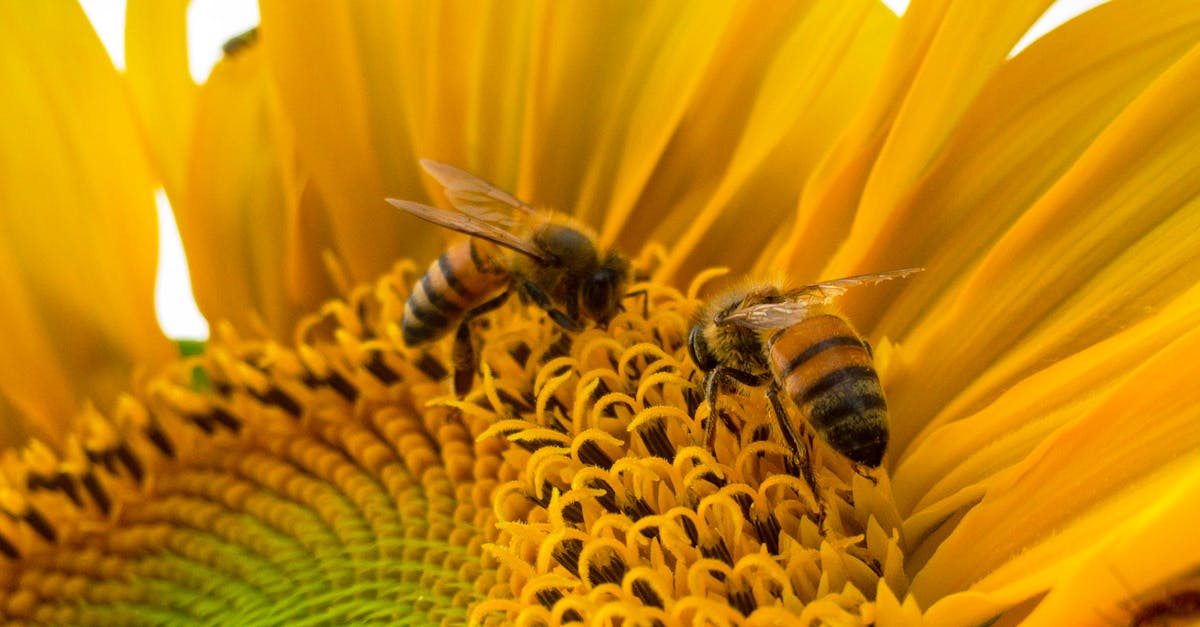
Designing a Pollinator-Friendly Balcony Garden: A Haven for Nature’s Buzzing Beauties
Creating a pollinator-friendly balcony garden is a rewarding endeavor that transforms your outdoor space into a vibrant sanctuary for bees, butterflies, and other pollinating insects. To design a balcony garden that caters to the needs of pollinators, consider the following guidelines:
1. Choose the Right Plants: Opt for a diverse array of flowering plants that bloom throughout the year, ensuring a continuous supply of nectar and pollen for pollinators. Native plants are particularly beneficial as they have adapted to your local climate and provide nourishment for a wide range of pollinators. Some popular choices include lavender, sunflowers, daisies, zinnias, and butterfly bushes.
Choosing the Right Plants
Choosing the Right Plants: A Floral Feast for Pollinators
When selecting plants for your pollinator-friendly balcony garden, consider the following factors: bloom time, nectar production, and host plant preferences. Different pollinators are attracted to different types of flowers, so aim for a diverse range of species that bloom throughout the year, ensuring a continuous supply of food for your buzzing visitors.
Some plants are particularly attractive to pollinators due to their high nectar production. These include lavender, sunflowers, daisies, zinnias, and butterfly bushes. Consider incorporating these into your garden design to create a pollinator magnet. Additionally, some pollinators, such as butterflies, have specific host plant preferences where they lay their eggs. For example, monarch butterflies rely on milkweed plants as their host plant. Including host plants in your garden can help support the entire life cycle of these important pollinators.
Creating a Diverse Garden
Creating a Diverse Garden: A Symphony of Blooms for Pollinators
A diverse pollinator garden is a vibrant tapestry of colors, shapes, and scents, each element contributing to the overall attractiveness of your garden to a wide range of pollinators. By planting a variety of species that bloom throughout the year, you can ensure a continuous supply of nectar and pollen, providing sustenance for pollinators during different seasons. Different pollinators have varying preferences when it comes to the types of pollen and nectar they consume. Some pollinators, like butterflies, prefer flowers with shallow, easily accessible nectar, while others, like bees, are better equipped to extract nectar from deeper, tubular flowers.
Positioning and Sunlight
Positioning and Sunlight: Finding the Perfect Spot for Your Pollinator Haven
When positioning planters and containers on your balcony, consider the amount of sunlight your plants will receive and protection from harsh winds. Pollinator-friendly plants generally require at least six hours of sunlight per day. Observe the sunlight patterns on your balcony throughout the day to determine the optimal placement for your garden. If your balcony receives limited sunlight, consider planting shade-tolerant pollinator-friendly species, such as impatiens, begonias, or ferns.
Protecting your plants from strong winds is also essential. High winds can damage delicate flowers and foliage, making it difficult for pollinators to access nectar and pollen. Place taller plants or trellises around the perimeter of your balcony to act as windbreaks. You can also use stakes or plant supports to secure taller plants and prevent them from toppling over in strong winds.
Avoiding Pesticides and Fertilizers
Avoiding Pesticides and Fertilizers: Nurturing a Healthy Environment for Pollinators
In our quest to maintain a thriving pollinator garden, it is imperative to minimize the use of pesticides and chemical fertilizers. These substances can have detrimental effects on pollinators, harming their health and disrupting their vital role in the ecosystem. Pesticides can directly毒死 pollinators on contact or through ingestion of contaminated nectar and pollen. Chemical fertilizers, while providing a temporary boost to plant growth, can alter soil chemistry and deplete essential nutrients, making plants more susceptible to pests and diseases in the long run.
Organic alternatives for pest and nutrient management offer a more sustainable and environmentally friendly approach. Natural pest control methods, such as companion planting, attracting beneficial insects, and using organic insecticidal soap, can effectively control pests without harming pollinators. Organic fertilizers, such as compost, manure, and bone meal, provide essential nutrients for plants while improving soil health and structure.
3. Care and Maintenance
Care and Maintenance: Nurturing Your Pollinator Paradise
Maintaining a healthy and thriving pollinator garden requires ongoing care and attention. Regular watering, proper fertilization, and attentive observation are key to ensuring the well-being of your pollinator-friendly haven. Water your plants deeply and regularly, especially during hot and dry weather. Avoid overwatering, as soggy soil can lead to root rot. Fertilize your plants every few weeks with a balanced organic fertilizer to provide essential nutrients for growth and flowering.
Regularly inspect your plants for pests or diseases. Treat any infestations promptly using organic methods, such as insecticidal soap or neem oil, to prevent the spread of disease and damage to your plants. Deadheading spent blooms encourages continuous flowering and prevents the plant from putting energy into seed production. Pruning overgrown plants helps maintain their shape and promotes air circulation, reducing the risk of disease.
Watering and Fertilizing
Watering and Fertilizing: Nurturing Your Pollinator Garden
Proper watering and fertilization are essential for maintaining the health and vitality of your pollinator garden. Water your plants deeply and regularly, especially during hot and dry weather. Avoid overwatering, as soggy soil can lead to root rot. Allow the soil to dry out slightly between waterings to prevent waterlogged conditions. Choose natural fertilizers to provide essential nutrients for your plants without harming pollinators. Organic fertilizers, such as compost, manure, and bone meal, release nutrients slowly over time, promoting healthy plant growth and soil health.
When fertilizing your pollinator garden, opt for organic, pollinator-friendly fertilizers that are specifically designed to meet the needs of flowering plants and attract pollinators. These fertilizers typically contain a balanced blend of nitrogen, phosphorus, and potassium, as well as essential micronutrients. Avoid using chemical fertilizers, as they can harm pollinators and disrupt the delicate ecosystem of your garden.
Deadheading and Pruning
Deadheading and Pruning: Maintaining a Thriving Pollinator Garden
Regular deadheading and pruning are essential tasks for maintaining the health and beauty of your pollinator garden. Deadheading, or removing spent blooms, encourages continuous flowering and prevents the plant from putting energy into seed production. This technique promotes a longer blooming period, providing a consistent source of nectar and pollen for pollinators. Pruning overgrown plants helps maintain their shape, improve air circulation, and reduce the risk of disease. It also encourages new growth and flowering, enhancing the overall health and vigor of your plants.
When deadheading, use clean, sharp shears to make clean cuts just below the spent bloom. Avoid cutting into new growth or stems. For pruning, use sharp pruning shears or loppers to remove dead, diseased, or overgrown branches. Make cuts at a 45-degree angle, just above a bud or node. Proper pruning techniques will encourage healthy new growth and promote a balanced, aesthetically pleasing plant structure.
Monitoring and Troubleshooting
Monitoring and Troubleshooting: Ensuring a Healthy Pollinator Garden
Regularly monitoring your pollinator garden for pests or diseases is essential for maintaining its health and vitality. Inspect your plants closely for any signs of damage, such as discolored leaves, holes in foliage, or wilting. Early detection and treatment can prevent the spread of pests and diseases and minimize their impact on your garden.
If you do encounter pests or diseases, opt for organic methods to address the issue. Avoid using chemical pesticides and fungicides, as they can harm pollinators and disrupt the delicate ecosystem of your garden. Instead, try natural remedies such as insecticidal soap, neem oil, or companion planting to control pests. For diseases, cultural practices like crop rotation, mulching, and proper watering can help prevent and manage outbreaks.
For more in-depth troubleshooting tips, refer to this comprehensive resource: [Link to troubleshooting resource]
Pollinator Garden Quiz
1. Which of the following is NOT a benefit of pollinator gardens? (a) Supporting biodiversity (b) Reducing air pollution (c) Providing a food source for humans
2. True or False: It is important to choose a variety of plant species that bloom throughout the year for a pollinator garden.
3. Which of the following is a natural pest control method that can be used in a pollinator garden? (a) Chemical pesticides (b) Insecticidal soap (c) Herbicides
4. True or False: Deadheading spent blooms promotes continuous flowering.
5. What is the recommended way to water pollinator plants? (a) Water lightly and frequently (b) Water deeply and regularly (c) Water only when the soil is completely dry
Answer Key
- (c)
- True
- (b)
- True
- (b)
Unlock the Greenery Potential of Your Balcony: A Guide to Thriving Plants in Compact Spaces Attention all balcony-dwelling plant enthusiasts! Read more
Transform Your Balcony into a Flourishing Garden Oasis: A Step-by-Step Guide Beginning a balcony garden can be a fulfilling endeavor, Read more
Unlocking the Potential of Vertical Gardening on Balconies Are you tired of your cramped balcony but still longing for a Read more
Aromatic Delights: Cultivating Herbs on Your Balcony Oasis Whether you're a seasoned gardener or just starting out, growing herbs on Read more