
Unveiling the Secrets of Arid Balcony Gardens: A Guide to Drought-Tolerant Oasis Creation
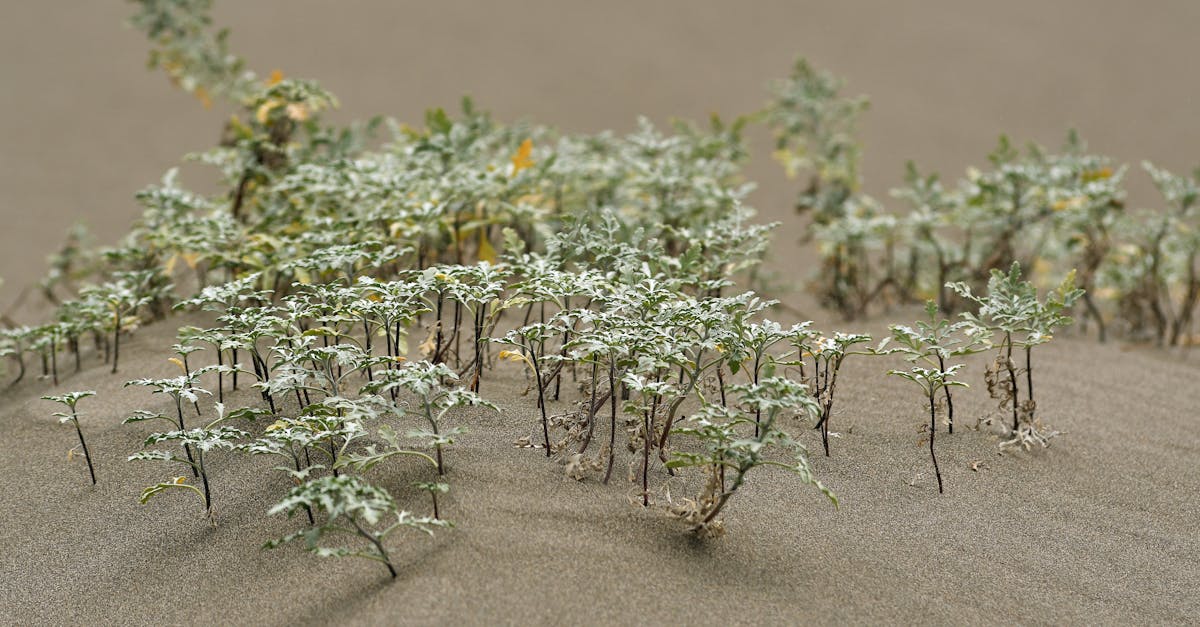
Transforming your balcony into a lush desert oasis is a rewarding endeavor that not only adorns your living space but also promotes sustainability and well-being. Balcony gardening, particularly with drought-tolerant plants, offers a range of benefits, including water conservation, low maintenance, and aesthetic appeal. Dive into this comprehensive guide as we unravel the secrets of creating a thriving drought-tolerant balcony garden, embracing the challenges of arid climates and unlocking the beauty of desert landscapes.
Water scarcity and environmental concerns are shaping the gardening landscape, making drought-tolerant gardening an increasingly popular and responsible choice. Water conservation is crucial for preserving our precious water resources, and drought-tolerant plants play a significant role in reducing water consumption. Their ability to thrive with minimal watering not only saves water but also eliminates the need for frequent maintenance, making them ideal for busy individuals and those living in water-restricted areas.
Beyond water conservation, drought-tolerant plants boast remarkable resilience and adaptability. They flourish in challenging climates, tolerating extreme temperatures, arid conditions, and poor soil. Their hardiness makes them suitable for balconies that receive ample sunlight and may experience limited rainfall. Embrace the beauty and diversity of desert flora and create a captivating outdoor haven that thrives amidst the urban landscape.
1. Why Embrace Drought-Tolerant Gardening?
Embracing drought-tolerant gardening offers a multitude of benefits that enhance both your lifestyle and the environment. Water conservation stands as a primary advantage, as these plants require minimal watering, significantly reducing water consumption. This is particularly valuable in regions experiencing water scarcity or drought conditions. By choosing drought-tolerant species, you contribute to the preservation of this precious resource.
Reduced maintenance is another enticing advantage. Drought-tolerant plants are inherently low-maintenance, requiring less frequent watering and fertilization. Their resilience means they can withstand periods of neglect, making them ideal for those with busy schedules or limited time for gardening. This ease of care allows you to enjoy a beautiful outdoor space without the burden of high maintenance.
Drought-tolerant plants exhibit remarkable resilience and adaptability, thriving in challenging climates. They tolerate extreme temperatures, arid conditions, and poor soil, making them suitable for a wide range of environments. Whether you reside in a hot, dry climate or have a balcony that receives ample sunlight but limited rainfall, drought-tolerant plants can transform your outdoor space into a vibrant and flourishing oasis.
2. Selecting the Perfect Plants
When selecting drought-tolerant plants for your balcony garden, consider a curated list tailored to the specific conditions of your space. Succulents and cacti are excellent choices, known for their ability to store water in their thick, fleshy leaves and stems, making them highly resilient to arid environments. Some popular succulent varieties for balconies include Echeveria, Sedum, and Aloe, which offer a range of colors and textures. Cacti, such as the resilient Prickly Pear or the vibrant Echinopsis, add a unique touch to your garden while thriving in dry conditions.
Mediterranean herbs are another great option for drought-tolerant balcony gardens. Hailing from the dry and sunny Mediterranean region, these herbs are adapted to withstand periods of water scarcity. Rosemary, with its aromatic evergreen leaves, adds a culinary and fragrant element to your garden. Thyme, known for its creeping habit and tiny leaves, brings a touch of greenery while tolerating dry conditions. Oregano, with its flavorful leaves and compact growth, is another excellent choice for Mediterranean-inspired balconies.
When selecting plants, consider the amount of sunlight your balcony receives. Some drought-tolerant plants, such as certain varieties of succulents and cacti, prefer full sun exposure, while others may tolerate partial shade. Research the specific needs of each plant to ensure they thrive in your balcony’s microclimate. By carefully selecting a mix of succulents, cacti, and Mediterranean herbs, you can create a diverse and visually appealing drought-tolerant balcony garden that flourishes with minimal watering.
3. Mastering Water Conservation
Mastering water conservation is key to maintaining a thriving drought-tolerant balcony garden. Employing innovative watering techniques can significantly reduce water usage while ensuring your plants receive the moisture they need. Drip irrigation is a highly efficient method that delivers water directly to the roots of your plants through a system of tubes and emitters. This targeted approach minimizes water evaporation and prevents overwatering, leading to healthier plants and reduced water consumption.
Mulching is another effective technique for conserving water. By spreading a layer of organic material, such as bark chips or compost, around your plants, you can create a protective barrier that helps retain moisture in the soil. Mulch also suppresses weed growth and regulates soil temperature, further benefiting your plants’ health and reducing water needs.
Rainwater harvesting is a sustainable way to collect and utilize rainwater for your balcony garden. Install a rain barrel or other collection system to capture rainwater, which can then be used to water your plants. This technique not only conserves water but also reduces your reliance on treated tap water, promoting environmental sustainability. By implementing these innovative watering techniques, you can significantly minimize water usage, protect your plants from drought stress, and contribute to a more eco-friendly gardening practice.
4. Clever Design Principles

Maximize space and optimize sunlight exposure on your drought-tolerant balcony garden with clever design principles. Vertical gardening is an excellent way to create a lush and vibrant garden even in limited spaces. Utilizing trellises, hanging planters, or wall-mounted shelves allows you to grow plants vertically, maximizing the available growing area. This technique is ideal for small balconies or those with limited floor space.
Container selection plays a crucial role in the success of your balcony garden. Choose containers with adequate drainage holes to prevent waterlogging, which can damage drought-tolerant plants. Consider the size and shape of the containers in relation to the plants you intend to grow, ensuring they have enough space to thrive. Opt for light-colored containers to reflect sunlight and prevent overheating of the soil.
Companion planting is a beneficial technique that involves strategically placing different plant species together to enhance their growth and overall health. By pairing compatible plants, you can create a thriving ecosystem that supports each other’s needs. For example, planting nitrogen-fixing plants, such as beans or peas, near heavy feeders, like tomatoes or peppers, can provide natural fertilization. Companion planting also helps deter pests and diseases, promoting a more balanced and resilient garden.
5. Maintenance Tips for a Thriving Garden
Maintaining a thriving drought-tolerant balcony garden involves essential practices that ensure the health and longevity of your plants. Proper fertilization is crucial for replenishing nutrients in the soil, supporting plant growth and overall vitality. Choose fertilizers specifically formulated for drought-tolerant plants and follow the application instructions carefully to avoid over-fertilizing. Organic fertilizers, such as compost or manure, provide a slow release of nutrients, promoting sustainable plant growth.
Effective pest control measures are necessary to protect your balcony garden from potential pests and diseases. Regularly inspect your plants for signs of infestation, such as discolored leaves, holes, or insects. Address any pest issues promptly using organic or natural pest control methods, such as insecticidal soap or neem oil. Avoid using harsh chemical pesticides, as they can harm beneficial insects and disrupt the delicate ecosystem of your garden.
Seasonal adjustments are essential for maintaining the health of your drought-tolerant balcony garden throughout the year. As the seasons change, adjust your watering schedule and provide additional protection to your plants as needed. During hot, dry periods, increase watering frequency to prevent drought stress. In colder months, protect your plants from frost and freezing temperatures by covering them with frost blankets or moving them indoors if possible.
Quiz: Test Your Understanding of Drought-Tolerant Balcony Gardens
1. Which of the following is a benefit of drought-tolerant gardening?
(a) Reduced water consumption (b) Low maintenance (c) Resilience in challenging climates (d) All of the above
2. True or False: Cacti are not considered drought-tolerant plants.
(a) True (b) False
3. Which watering technique is most efficient for drought-tolerant plants?
(a) Overhead watering (b) Drip irrigation (c) Soaker hose (d) Hand watering
4. What is a key principle of clever design for balcony gardens?
(a) Maximizing space utilization (b) Optimizing sunlight exposure (c) Choosing the right containers (d) All of the above
5. Which of the following is NOT an essential maintenance practice for drought-tolerant balcony gardens?
(a) Fertilization (b) Pest control (c) Seasonal adjustments (d) Frequent watering
Answer Key
- (d)
- (b)
- (b)
- (d)
- (d)
Unlock the Greenery Potential of Your Balcony: A Guide to Thriving Plants in Compact Spaces Attention all balcony-dwelling plant enthusiasts! Read more
Transform Your Balcony into a Flourishing Garden Oasis: A Step-by-Step Guide Beginning a balcony garden can be a fulfilling endeavor, Read more
Unlocking the Potential of Vertical Gardening on Balconies Are you tired of your cramped balcony but still longing for a Read more
Aromatic Delights: Cultivating Herbs on Your Balcony Oasis Whether you're a seasoned gardener or just starting out, growing herbs on Read more