
Nature’s Oasis in Your Own Backyard: A Beginner’s Guide to Creating a Butterfly and Bee Haven
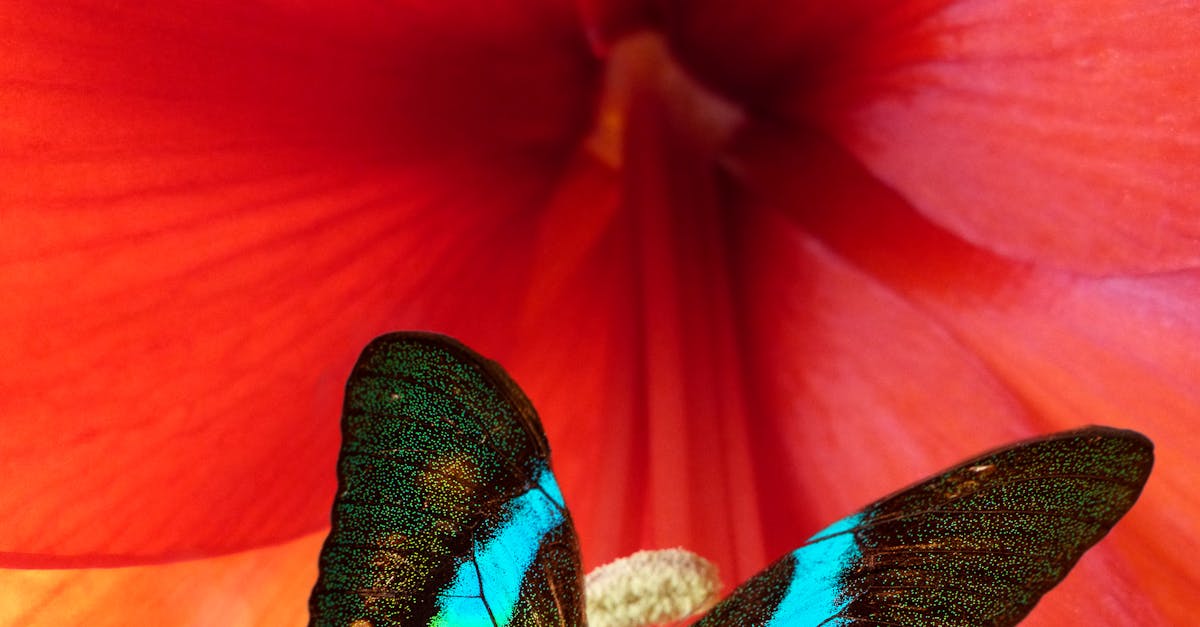
Butterflies and bees are vital components of our ecosystem, providing essential pollination services and adding beauty to our surroundings. However, these crucial creatures are facing numerous challenges, including habitat loss, pesticide use, and climate change. As a result, it’s more important than ever to create welcoming spaces where butterflies and bees can thrive. Even in small urban areas, it’s possible to establish a butterfly and bee haven, providing a sanctuary for these beneficial insects.
This comprehensive guide will provide you with all the information you need to create a thriving butterfly and bee haven in your backyard, balcony, or community garden. We’ll cover everything from choosing the right plants to providing nectar sources, water, and shelter. With a little effort and dedication, you can create a haven where butterflies and bees can flourish and contribute to the health of our environment.
Getting started is easy! Choose a sunny spot in your yard or on your balcony and plant a variety of nectar-rich flowers that bloom throughout the year. Include native species such as lavender, butterfly weed, and sunflowers, as these plants provide ample nectar and support a wide range of butterfly and bee species. Be sure to also include host plants, which are essential for the survival of butterfly larvae. Milkweed, for example, is the sole food source for Monarch butterfly caterpillars.
1. Plant Selection
When selecting plants for your butterfly and bee haven, it’s important to choose a variety of species that bloom throughout the year to provide a continuous nectar source. This will ensure that there is always something in bloom for butterflies and bees to feed on.
Native plants are always a good choice, as they are adapted to your local climate and provide food and shelter for a wide range of butterflies and bees. Some good native nectar plants include:
- Spring: Bloodroot, Dutchman’s breeches, Virginia bluebells
- Summer: Butterfly weed, coneflower, purple coneflower
- Fall: Goldenrod, aster, New England aster
- Winter: Witch hazel
In addition to nectar-rich flowers, it’s also important to include host plants in your butterfly and bee haven. Host plants are specific plants that caterpillars feed on. By including host plants, you can help to support the entire life cycle of butterflies. Some good host plants include:
- Monarch butterfly: Milkweed
- Painted lady butterfly: Aster
- Cabbage white butterfly: Cabbage
- Red admiral butterfly: Nettle
By choosing a variety of nectar-rich flowers and host plants, you can create a butterfly and bee haven that is both beautiful and beneficial to these important creatures.
Nectar-rich Plants
Nectar is an essential food source for butterflies and bees. It provides them with the energy they need to fly, forage, and reproduce. When choosing plants for your butterfly and bee haven, be sure to include a variety of nectar-rich plants that bloom throughout the year.
Some of the best nectar-rich plants for butterflies and bees include:
- Lavender: Lavender is a popular choice for butterfly and bee gardens because it is a long-blooming plant that produces fragrant purple flowers. Butterflies and bees are attracted to the sweet nectar produced by lavender flowers.
- Butterfly weed: Butterfly weed is a native North American plant that is a favorite of monarch butterflies. It produces clusters of bright orange flowers that are rich in nectar.
- Sunflowers: Sunflowers are another great choice for butterfly and bee gardens. They produce large, showy flowers that are a rich source of nectar.
Other good nectar-rich plants for butterflies and bees include:
- Cosmos
- Coneflower
- Marigold
- Zinnia
- Salvia
By including a variety of nectar-rich plants in your butterfly and bee haven, you can ensure that there is always something in bloom for butterflies and bees to feed on.
Host Plants
In addition to nectar-rich plants, it’s also important to include host plants in your butterfly and bee haven. Host plants are specific plants that caterpillars feed on. By including host plants, you can help to support the entire life cycle of butterflies.
Some butterflies are very specific about the host plants they will use. For example, Monarch butterflies will only lay their eggs on milkweed plants. Other butterflies are less picky, but they still prefer to lay their eggs on certain types of plants.
Here are some examples of host plants for common butterfly species:
- Monarch butterfly: Milkweed
- Painted lady butterfly: Aster
- Cabbage white butterfly: Cabbage
- Red admiral butterfly: Nettle
When choosing host plants for your butterfly and bee haven, it’s important to consider the local butterfly species that you want to attract. You can find out which butterfly species are native to your area by visiting the website of your local Audubon Society or butterfly club.
Once you know which butterfly species you want to attract, you can start planting their host plants. Host plants can be planted in the ground or in containers. If you are planting host plants in containers, be sure to choose a container that is large enough for the plant to grow to its full size.
2. Nectar Sources
In addition to planting nectar-rich flowers and host plants, you can also provide nectar sources beyond flowers for butterflies and bees. This is especially important during hot, dry weather when flowers may not be producing as much nectar.
One way to provide nectar for butterflies and bees is to set up a shallow birdbath filled with sugar water. To make sugar water, simply mix one part sugar with four parts water. Be sure to change the sugar water regularly to prevent it from spoiling.
Another way to provide nectar for butterflies and bees is to create a butterfly puddler. To make a butterfly puddler, simply mix overripe fruit, such as bananas or oranges, with damp sand. The butterflies and bees will be attracted to the sweet nectar produced by the fruit.
You can also provide nectar for butterflies and bees by planting native wildflowers. Native wildflowers are a great source of nectar for butterflies and bees, and they also help to support other wildlife.
By providing a variety of nectar sources, you can help to ensure that butterflies and bees have access to the food they need to survive and thrive.
Sugar Water Solution
To make sugar water for butterflies and bees, simply mix one part sugar with four parts water. For example, you could mix 1/4 cup of sugar with 1 cup of water.
It is important to use the correct ratio of sugar to water, as too much sugar can be harmful to butterflies and bees. You should also change the sugar water regularly to prevent it from spoiling. In hot weather, you may need to change the sugar water every day or two.
To change the sugar water, simply pour out the old sugar water and rinse the birdbath or container with clean water. Then, make a fresh batch of sugar water and fill the birdbath or container.
You can also add a pinch of salt to the sugar water to help prevent it from spoiling. However, do not add too much salt, as this can be harmful to butterflies and bees.
Butterfly Puddler
To make a butterfly puddler, simply mix overripe fruit, such as bananas or oranges, with damp sand. You can use a ratio of about 1:1 fruit to sand.
Place the butterfly puddler in a sunny spot in your garden or on your balcony. The butterflies and bees will be attracted to the sweet nectar produced by the fruit.
You can also add other ingredients to your butterfly puddler, such as molasses, honey, or sugar water. However, it is important to avoid using artificial sweeteners, as these can be harmful to butterflies and bees.
You should also change the butterfly puddler regularly to prevent it from spoiling. In hot weather, you may need to change the butterfly puddler every day or two.
To change the butterfly puddler, simply remove the old fruit and sand and rinse the container with clean water. Then, make a fresh batch of butterfly puddler and place it in the same location.
3. Water Provision
In addition to providing nectar sources, it is also important to provide a shallow water source for butterflies and bees. Butterflies and bees need access to water for drinking and cooling off.
You can provide a water source by placing a shallow dish or birdbath in your garden or on your balcony. Fill the dish or birdbath with clean water and add a few rocks or sticks to allow the butterflies and bees to perch safely.
You should also change the water regularly to prevent it from becoming stagnant. In hot weather, you may need to change the water every day or two.
To change the water, simply pour out the old water and rinse the dish or birdbath with clean water. Then, fill the dish or birdbath with fresh water and add a few rocks or sticks.
Shallow Water Source
To provide a shallow water source for butterflies and bees, you can use a birdbath or a shallow dish. Birdbaths are designed to be shallow and wide, making them ideal for butterflies and bees to land and drink. Shallow dishes, such as pie plates or plant saucers, can also be used.
When choosing a location for your water source, be sure to place it in a sunny spot. Butterflies and bees are attracted to warm, sunny areas. You should also place your water source near flowers and other nectar sources.
Once you have chosen a location for your water source, fill it with clean water. You can use tap water, but it is best to use rainwater or distilled water. Tap water may contain chemicals that can be harmful to butterflies and bees.
You should also add a few rocks or sticks to your water source. This will give the butterflies and bees a place to perch while they are drinking.
You should change the water in your water source regularly to prevent it from becoming stagnant. In hot weather, you may need to change the water every day or two.
Perching Rocks
To provide a resting spot for butterflies and bees, you can place rocks or sticks in your water source. Butterflies and bees need a place to land and rest while they are drinking. Rocks and sticks also help to keep the butterflies and bees out of the water, which can be dangerous for them.
When choosing rocks or sticks for your water source, be sure to choose ones that are not too large or too small. The rocks or sticks should be large enough for the butterflies and bees to land on, but not so large that they block the water source.
You should also place the rocks or sticks in a way that creates a safe and stable landing spot for the butterflies and bees. The rocks or sticks should be placed close to the edge of the water source, but not so close that the butterflies and bees fall into the water.
You should also clean the rocks or sticks regularly to prevent them from becoming slimy or moldy. You can clean the rocks or sticks by scrubbing them with a brush and soap.
By providing a resting spot for butterflies and bees, you can help to create a welcoming and safe environment for these important insects.
4. Habitat Creation

In addition to providing nectar sources and water, it is also important to provide shelter and nesting sites for butterflies and bees. This will help to create a welcoming and supportive environment for these important insects.
One way to provide shelter for butterflies and bees is to plant native shrubs and trees. Native plants are adapted to the local climate and provide food and shelter for a variety of wildlife, including butterflies and bees.
Another way to provide shelter for butterflies and bees is to include piles of deadwood or leaves in your garden. Deadwood and leaves provide a place for butterflies and bees to hide from predators and to overwinter.
You can also create a small bee hotel to provide nesting sites for solitary bees. Solitary bees are non-aggressive bees that do not live in colonies. They nest in small cavities, such as holes in wood or reeds.
To create a bee hotel, simply drill a series of holes in a block of wood or bundle of reeds. The holes should be about 1/2 inch in diameter and 4-6 inches deep. You can also add a few drops of essential oil, such as lavender or lemongrass, to the holes to attract bees.
By providing shelter and nesting sites for butterflies and bees, you can help to create a healthy and thriving ecosystem in your garden.
Insect Hotels
Insect hotels are a great way to provide nesting sites for solitary bees. Solitary bees are non-aggressive bees that do not live in colonies. They nest in small cavities, such as holes in wood or reeds.
You can purchase pre-made insect hotels online or at your local garden center. Pre-made insect hotels are typically made from wood or bamboo and have a variety of holes drilled into them.
You can also build your own insect hotel using natural materials like hollow reeds or bamboo. To build your own insect hotel, simply cut a section of hollow reed or bamboo into several pieces. Each piece should be about 6 inches long.
Once you have cut the hollow reeds or bamboo into pieces, you can bundle them together and tie them with string or wire. You can also add a few drops of essential oil, such as lavender or lemongrass, to the holes to attract bees.
To place your insect hotel, simply hang it in a sunny spot in your garden. Be sure to place the insect hotel at least 3 feet off the ground to protect it from predators.
By providing nesting sites for solitary bees, you can help to support these important pollinators.
Deadwood
Deadwood is an important habitat for a variety of wildlife, including butterflies and bees. Deadwood provides shelter from predators, nesting sites, and hibernation sites.
You can provide deadwood for butterflies and bees by leaving piles of deadwood or logs in a sheltered area in your garden. You can also create a deadwood habitat by stacking logs or branches in a corner of your garden.
When creating a deadwood habitat, be sure to include a variety of sizes and shapes of wood. This will provide different types of shelter and nesting sites for butterflies and bees.
You should also place your deadwood habitat in a sheltered area, such as under a tree or in a corner of your garden. This will help to protect the deadwood from the elements and from predators.
By providing deadwood for butterflies and bees, you can help to create a healthy and thriving ecosystem in your garden.
5. Maintenance Tips
Regular maintenance is essential for a thriving butterfly and bee haven. Here are a few tips to help keep your haven healthy and welcoming for these important insects:
- Deadhead spent flowers: Deadheading spent flowers encourages plants to produce more blooms, which will provide a continuous source of nectar for butterflies and bees. To deadhead a flower, simply remove the spent bloom from the plant.
- Water plants during droughts: Butterflies and bees need access to water, especially during hot, dry weather. If there is no rain, be sure to water your plants regularly. You can also provide a shallow dish of water for butterflies and bees to drink from.
- Remove invasive species: Invasive species can crowd out native plants and reduce the resources available for butterflies and bees. Be sure to remove any invasive species from your garden or butterfly haven.
By following these simple maintenance tips, you can help to create a thriving and welcoming environment for butterflies and bees.
Deadheading
Deadheading is the practice of removing spent flowers from plants. This encourages plants to produce more blooms, which will provide a continuous source of nectar for butterflies and bees. Deadheading also helps to prevent seed production, which can lead to invasive plants taking over your garden.
To deadhead a flower, simply remove the spent bloom from the plant. You can do this by pinching off the bloom with your fingers or by using a sharp pair of scissors. Be sure to remove the entire bloom, including the stem.
Deadheading is a simple task that can make a big difference in the health and appearance of your garden. By deadheading spent flowers, you can encourage more blooms, prevent seed production, and create a more welcoming environment for butterflies and bees.
Watering
During hot, dry periods, it is important to provide additional water to plants in your butterfly and bee haven. Butterflies and bees need nectar from flowers to survive, and flowers need water to produce nectar.
The best way to water plants during a drought is to use a soaker hose or drip irrigation system. This will deliver water directly to the roots of the plants, where it is needed most. Avoid watering plants overhead, as this can lead to fungal diseases.
You should also water plants deeply and less frequently, rather than shallowly and more frequently. This will encourage the roots of the plants to grow deep into the soil, where they can access more water.
By providing additional water to plants during hot, dry periods, you can help to keep them healthy and blooming, which will provide a continuous source of nectar for butterflies and bees.
Invasive Species Removal
Invasive plant species are non-native plants that have been introduced to an area and have become a threat to native plants and animals. Invasive plant species can outcompete native plants for resources such as water, sunlight, and nutrients. They can also alter the soil chemistry and hydrology of an area, making it less hospitable for native plants and animals.
In a butterfly and bee haven, invasive plant species can reduce the amount of resources available for butterflies and bees. Invasive plants may not produce nectar or pollen, or they may produce less nectar and pollen than native plants. Invasive plants can also block sunlight from reaching native plants, making it difficult for them to grow and produce flowers.
Removing invasive plant species from your butterfly and bee haven is an important way to protect native plants and animals and to ensure that there is a continuous source of nectar and pollen for butterflies and bees.
There are a number of ways to remove invasive plant species from your garden. You can hand-pull them, dig them up, or use herbicides. It is important to dispose of invasive plants properly to prevent them from spreading to other areas.
By removing invasive plant species from your butterfly and bee haven, you can help to create a healthy and thriving ecosystem for these important insects.
Quiz
-
True or False: It is beneficial to include both nectar-rich plants and host plants in a butterfly and bee haven.
-
Multiple Choice: Which of the following is NOT a good source of nectar for butterflies and bees?
(a) Lavender
(b) Milkweed
(c) Sunflower
(d) Rose
-
True or False: Providing a shallow water source with rocks or sticks is important for butterflies and bees.
-
Multiple Choice: Which of the following is NOT a way to provide shelter for butterflies and bees?
(a) Planting native shrubs and trees
(b) Including piles of deadwood or leaves
(c) Creating a bee hotel
(d) Using birdhouses
-
True or False: Invasive plant species can compete with native plants and reduce resources for butterflies and bees.
Answer Key
- True
- (d) Rose
- True
- (d) Using birdhouses
- True
Unlock the Greenery Potential of Your Balcony: A Guide to Thriving Plants in Compact Spaces Attention all balcony-dwelling plant enthusiasts! Read more
Transform Your Balcony into a Flourishing Garden Oasis: A Step-by-Step Guide Beginning a balcony garden can be a fulfilling endeavor, Read more
Unlocking the Potential of Vertical Gardening on Balconies Are you tired of your cramped balcony but still longing for a Read more
Aromatic Delights: Cultivating Herbs on Your Balcony Oasis Whether you're a seasoned gardener or just starting out, growing herbs on Read more