
Enhancing Urban Biodiversity: A Balcony Oasis for Birds, Bees, and Butterflies

Imagine stepping onto your balcony and being greeted by the cheerful chirping of birds, the gentle buzzing of bees, and the graceful flutter of butterflies. Creating a wildlife habitat on your balcony is a rewarding endeavor that not only brings beauty to your outdoor space but also supports local wildlife and enriches your daily life.
Transform your balcony into an oasis for feathered friends, buzzing pollinators, and delicate butterflies. By providing essential food sources, shelter, and water, you can attract a diverse range of wildlife species and contribute to the conservation of local ecosystems. Embrace the joy of observing these fascinating creatures up close and discover the countless benefits a balcony wildlife habitat offers.
Join the growing number of urban dwellers who are transforming their balconies into vibrant wildlife sanctuaries. With careful planning and thoughtful additions, you can create a thriving ecosystem that enhances your well-being and fosters a deeper connection with the natural world right outside your door.
1. Entice Birds with Bird-Friendly Plants
Entice Birds with Bird-Friendly Plants: Discover the best plants to attract feathered friends, providing essential food and shelter.
Transform your balcony or patio into a haven for birds by carefully selecting plants that provide a reliable source of food and shelter throughout the year. Native flowering plants are an excellent choice, as they have evolved alongside local bird species and offer the nectar and seeds that many birds rely on. Choose plants that bloom at different times of the year to ensure a continuous food supply.
In addition to flowering plants, berry-producing shrubs provide a nutritious feast for birds, especially during the colder months when other food sources are scarce. Opt for varieties that produce berries at different times of the year to cater to a wider range of bird species. Don’t forget to include a water source, such as a birdbath or small fountain, as birds need regular access to fresh water for drinking and bathing.
Native Flowering Plants
Native Flowering Plants: Choose plants that are native to your region, offering nectar and seeds for various bird species.
When selecting native flowering plants for your balcony wildlife habitat, consider the specific bird species you hope to attract. Different birds have varying beak shapes and feeding preferences, so it’s beneficial to offer a diverse range of flower shapes and sizes. For example, long, tubular flowers are ideal for hummingbirds, while shallow, cup-shaped flowers are better suited for songbirds. Research the native plants in your region and choose those that provide a good balance of nectar and seed production to cater to a variety of bird species.
Native flowering plants not only provide food for birds but also support local ecosystems. These plants have evolved alongside native bird species and provide the specific nutrients and resources that these birds need to thrive. By incorporating native flowering plants into your balcony garden, you can create a welcoming and sustainable habitat for your feathered friends.
Berry-Producing Shrubs
Berry-Producing Shrubs: Provide sustenance during all seasons with shrubs that produce berries rich in nutrients.
In addition to flowering plants, berry-producing shrubs are a valuable food source for birds, especially during the colder months when other food sources are scarce. These shrubs provide a nutritious feast for a variety of bird species, including robins, bluebirds, cardinals, and mockingbirds. When choosing berry-producing shrubs for your balcony wildlife habitat, opt for varieties that produce berries at different times of the year to ensure a continuous food supply.
Native berry-producing shrubs are particularly beneficial as they have evolved alongside local bird species and provide the specific nutrients that these birds need. Additionally, native shrubs support local ecosystems and provide shelter and nesting sites for other wildlife. Some popular native berry-producing shrubs include serviceberries, elderberries, and viburnums. These shrubs not only provide food for birds but also add beauty and interest to your balcony garden with their attractive foliage and flowers.
Water Sources
Water Sources: Install a small fountain or bird bath to attract birds seeking hydration.
A reliable water source is essential for any wildlife habitat, and your balcony is no exception. Birds need regular access to fresh water for drinking and bathing, especially during hot weather. Installing a small fountain or bird bath on your balcony is a simple and effective way to attract birds and provide them with the hydration they need.
When choosing a bird bath, opt for a shallow design with a rough or textured surface to provide birds with a secure grip. Avoid using deep bird baths, as they can be dangerous for small birds. Place the bird bath in a visible location on your balcony, but make sure it is away from direct sunlight to prevent the water from evaporating too quickly. Regularly clean the bird bath to prevent the spread of bacteria and algae.
In addition to a bird bath, you can also attract birds to your balcony by providing a small fountain. The sound of running water is attractive to birds, and they will often visit fountains to drink and bathe. Fountains also help to aerate the water, which makes it more refreshing for birds.
2. Create a Buzz with Bee-Attracting Flowers
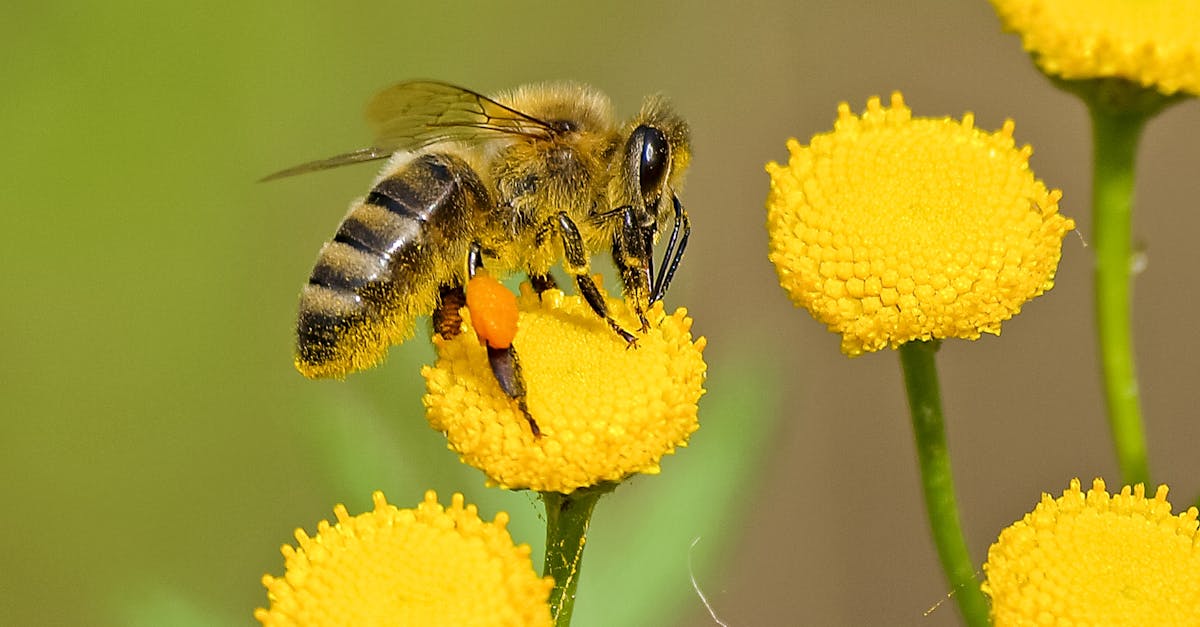
Create a Buzz with Bee-Attracting Flowers: Transform your balcony into a haven for bees, essential pollinators for our ecosystem.
Bees play a vital role in our ecosystem as pollinators, helping to ensure the reproduction of many plants, including fruits, vegetables, and flowers. By creating a bee-friendly habitat on your balcony, you can support these important insects and contribute to the health of the environment. One of the most effective ways to attract bees to your balcony is to plant a variety of bee-attracting flowers.
When selecting flowers for your balcony bee garden, choose varieties that bloom at different times of the year to provide a continuous source of nectar and pollen. Some popular bee-attracting flowers include lavender, sunflowers, poppies, daisies, and clover. These flowers come in a range of colors and shapes, so you can create a beautiful and vibrant garden that is also beneficial for bees.
In addition to planting bee-attracting flowers, you can also take other steps to create a bee-friendly environment on your balcony. Avoid using pesticides, as these chemicals can be harmful to bees. Provide a water source, such as a shallow dish filled with water and pebbles, to allow bees to drink and bathe. You can also add some bee-friendly herbs to your balcony garden, such as basil, rosemary, and thyme.
Blooming Plants
Blooming Plants: Select flowers that bloom throughout the year, providing a continuous source of nectar for bees.
To ensure a steady supply of nectar for bees on your balcony, it is important to select flowers that bloom at different times of the year. This will provide a continuous food source for bees, even during the colder months when other food sources may be scarce.
When choosing blooming plants for your balcony bee garden, consider the following factors: the amount of sunlight your balcony receives, the size of your balcony, and the hardiness of the plants in your climate. Some popular bee-attracting plants that bloom in the spring include crocus, daffodils, and tulips. Summer-blooming plants include lavender, sunflowers, and poppies. Fall-blooming plants include asters, goldenrod, and sedum. By carefully selecting a variety of blooming plants, you can create a bee-friendly balcony garden that is both beautiful and beneficial to pollinators.
Native Wildflowers
Native Wildflowers: Incorporate native wildflowers into your balcony garden to support local bee populations.
Native wildflowers are an excellent choice for balcony bee gardens because they have evolved alongside local bee species and provide the specific nutrients and resources that these bees need to thrive. Native wildflowers also support local ecosystems by providing food and habitat for other wildlife, such as butterflies and birds.
When selecting native wildflowers for your balcony garden, consider the following factors: the amount of sunlight your balcony receives, the size of your balcony, and the hardiness of the plants in your climate. Some popular native wildflowers that are attractive to bees include purple coneflower, black-eyed Susan, and milkweed. By incorporating native wildflowers into your balcony garden, you can create a beautiful and sustainable habitat for bees and other pollinators.
Avoid Pesticides
Avoid Pesticides: Protect bees from harmful chemicals by using natural alternatives for pest control.
Pesticides can be harmful to bees and other beneficial insects, so it is important to avoid using them on your balcony bee garden. There are many natural alternatives to pesticides that are effective in controlling pests without harming bees.
One of the best ways to control pests naturally is to encourage beneficial insects into your garden. Beneficial insects, such as ladybugs and lacewings, prey on pests. You can attract beneficial insects by planting flowers that are rich in nectar and pollen. You can also provide nesting sites for beneficial insects by building a bee hotel or planting native wildflowers.
3. Flutter with Butterflies by Providing Host Plants
Flutter with Butterflies by Providing Host Plants: Attract delicate butterflies by planting specific plants that serve as food for their caterpillars.
Butterflies are beautiful and delicate creatures that add a touch of magic to any garden. By planting host plants on your balcony, you can attract butterflies and provide them with the food and shelter they need to complete their life cycle.
Host plants are plants that provide food for the larvae (caterpillars) of butterflies. Different butterfly species have different host plants, so it is important to do some research to find out which plants will attract the butterflies you want to see in your garden. Some popular host plants include milkweed for monarch butterflies, parsley for swallowtail butterflies, and dill for black swallowtail butterflies.
Caterpillar Host Plants
Caterpillar Host Plants: Identify and plant host plants for butterflies common in your area, such as milkweed for monarchs.
To attract butterflies to your balcony garden, it is important to plant host plants that are specific to the butterflies you want to attract. Host plants are plants that provide food for the larvae (caterpillars) of butterflies, and different butterfly species have different host plants.
One of the most popular host plants is milkweed, which is essential for monarch butterflies. Other popular host plants include parsley for swallowtail butterflies, dill for black swallowtail butterflies, and fennel for anise swallowtail butterflies. By planting a variety of host plants, you can attract a diverse array of butterflies to your balcony garden.
Butterfly Bushes
Butterfly Bushes: Incorporate butterfly bushes into your balcony garden, known for attracting a wide range of butterfly species.
Butterfly bushes are a popular choice for balcony gardens because they are easy to grow and attract a wide range of butterfly species. Butterfly bushes produce clusters of small, fragrant flowers that are rich in nectar, which is a favorite food of butterflies. The flowers come in a variety of colors, including pink, purple, blue, and white.
In addition to providing food for butterflies, butterfly bushes also provide shelter for their larvae (caterpillars). The leaves of butterfly bushes are a good source of food for caterpillars, and the dense foliage of the bushes provides a safe place for them to hide from predators.
Sun Exposure
Sun Exposure: Choose a sunny location for your balcony habitat, as butterflies require sunlight for warmth and activity.
Butterflies are cold-blooded creatures, so they rely on external heat sources to regulate their body temperature. This is why they are often seen basking in the sun on warm days. When creating a butterfly habitat on your balcony, it is important to choose a location that receives plenty of sunlight. This will provide the butterflies with the warmth they need to be active and fly.
In addition to providing warmth, sunlight also helps butterflies to see. Butterflies have compound eyes that are made up of thousands of tiny lenses. These lenses allow butterflies to see a wide range of colors, but they are most sensitive to ultraviolet light. Sunlight contains ultraviolet light, which helps butterflies to navigate and find food.
4. Additional Tips for Wildlife-Friendly Balcony

Additional Tips for Wildlife-Friendly Balcony: Enhance your balcony habitat with thoughtful additions that cater to wildlife’s needs.
In addition to the essential elements of food, water, and shelter, there are a number of other things you can do to make your balcony more wildlife-friendly. Here are a few tips:
1. Vertical Gardening: If you have a small balcony, vertical gardening is a great way to maximize space and provide more opportunities for wildlife. You can use trellises, hanging baskets, or wall-mounted planters to create a vertical garden that is both beautiful and functional.
Vertical Gardening
Vertical Gardening: Maximize space and provide climbing opportunities for wildlife with vertical gardening techniques.
Vertical gardening is a great way to maximize space on your balcony and provide more opportunities for wildlife. By using trellises, hanging baskets, and wall-mounted planters, you can create a vertical garden that is both beautiful and functional. Climbing plants, such as vines and ivy, are a great choice for vertical gardens because they provide cover and nesting sites for wildlife. You can also plant flowers and other plants that attract pollinators and other beneficial insects.
Water Conservation
Water Conservation: Implement water-saving measures, such as rainwater harvesting, to support wildlife during dry spells.
Water is essential for all life, and it is especially important for wildlife during dry spells. By implementing water-saving measures on your balcony, you can help to ensure that wildlife has access to the water they need to survive. One simple way to conserve water is to collect rainwater. You can do this by placing a rain barrel under your downspout. Rainwater can be used to water your plants, and it can also be used to provide drinking water for wildlife.
Wildlife Shelter
Wildlife Shelter: Create a cozy shelter using nest boxes, birdhouses, or insect hotels to provide refuge for wildlife.
Providing shelter for wildlife is an important part of creating a wildlife-friendly balcony. Nest boxes and birdhouses provide a safe place for birds to raise their young, and insect hotels provide shelter for a variety of beneficial insects. You can purchase nest boxes and birdhouses from your local hardware store or garden center, or you can build your own. Insect hotels are also relatively easy to build, and there are many online tutorials that can show you how to do it.
5. Benefits of a Balcony Wildlife Habitat
Benefits of a Balcony Wildlife Habitat: Discover the positive impacts of creating a wildlife habitat on your balcony.
Creating a wildlife habitat on your balcony is a rewarding experience that benefits both you and the wildlife in your area. Here are a few of the benefits of creating a wildlife habitat on your balcony:
1. Increased Biodiversity: By providing food, water, and shelter for wildlife, you can help to increase the biodiversity in your area. This is important because biodiversity is essential for the health of our planet. A diverse ecosystem is more resilient to change and is better able to provide the resources that we need to survive.
Increased Biodiversity
Increased Biodiversity: Support wildlife conservation by providing a habitat for a diverse range of species.
One of the most important benefits of creating a wildlife habitat on your balcony is that it can help to increase biodiversity. Biodiversity is the variety of life on Earth, and it is essential for the health of our planet. A diverse ecosystem is more resilient to change and is better able to provide the resources that we need to survive.
By providing food, water, and shelter for wildlife, you can help to create a more diverse ecosystem on your balcony. This will benefit a wide range of species, including birds, bees, butterflies, and other insects. These animals play an important role in the ecosystem, and they can help to improve the quality of life for humans as well.
Educational Value
Educational Value: Observe and learn about wildlife behavior, fostering appreciation for the natural world.
Creating a wildlife habitat on your balcony can also be a great way to learn about wildlife behavior. By observing the animals that visit your balcony, you can learn about their feeding habits, nesting habits, and social interactions. This can be a fascinating and rewarding experience, and it can help you to develop a greater appreciation for the natural world.
In addition to learning about wildlife behavior, creating a wildlife habitat on your balcony can also help you to learn about the importance of conservation. By providing food, water, and shelter for wildlife, you can help to support the local ecosystem and promote biodiversity. This can be a valuable way to make a difference in the world, and it can help you to feel more connected to the natural world.
Well-being
Well-being: Connect with nature and enjoy the calming effects of interacting with wildlife from your balcony.
In addition to the environmental benefits, creating a wildlife habitat on your balcony can also have a positive impact on your own well-being. Studies have shown that interacting with nature can help to reduce stress, improve mood, and boost creativity. Simply watching the birds and other animals that visit your balcony can be a relaxing and enjoyable experience.
Interacting with wildlife can also help you to feel more connected to the natural world. In a world that is increasingly urbanized, it is easy to lose touch with the natural world. Creating a wildlife habitat on your balcony can help you to reconnect with nature and appreciate the beauty and diversity of the natural world.
Quiz
1. What is the best way to attract birds to your balcony wildlife habitat?
(a) Using bird feeders (b) Planting native flowering plants (c) Providing a water source (d) All of the above
2. True or False: It is important to avoid using pesticides on your balcony wildlife habitat.
(a) True (b) False
3. What type of plants are best for attracting butterflies to your balcony?
(a) Host plants (b) Butterfly bushes (c) Sunflowers (d) Both (a) and (b)
4. What is one way to increase biodiversity on your balcony?
(a) Providing a variety of food sources (b) Creating a water feature (c) Building a nest box (d) All of the above
5. True or False: Interacting with wildlife from your balcony can have a positive impact on your well-being.
(a) True (b) False
Answer Key
- (d) All of the above
- (a) True
- (d) Both (a) and (b)
- (d) All of the above
- (a) True
Unlock the Greenery Potential of Your Balcony: A Guide to Thriving Plants in Compact Spaces Attention all balcony-dwelling plant enthusiasts! Read more
Transform Your Balcony into a Flourishing Garden Oasis: A Step-by-Step Guide Beginning a balcony garden can be a fulfilling endeavor, Read more
Unlocking the Potential of Vertical Gardening on Balconies Are you tired of your cramped balcony but still longing for a Read more
Aromatic Delights: Cultivating Herbs on Your Balcony Oasis Whether you're a seasoned gardener or just starting out, growing herbs on Read more