
A Guide to Creating a Medicinal Oasis on Your Balcony
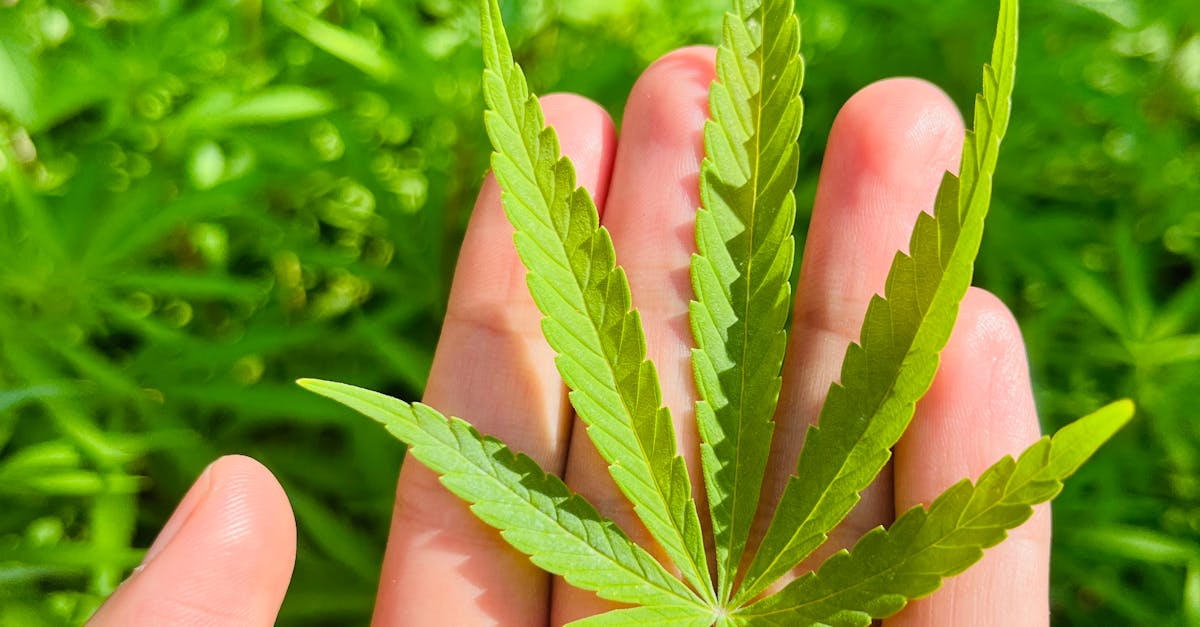
“Cultivating a Healing Oasis on Your Balcony: A Comprehensive Guide to Medicinal Balcony Gardening”
In an era marked by an increasing emphasis on holistic well-being, medicinal balcony gardening emerges as a transformative practice that harmoniously blends nature’s healing powers with the convenience of urban living. This comprehensive guide unveils the secrets to creating a thriving medicinal balcony garden, empowering you to cultivate a verdant sanctuary that nurtures both your physical and mental health.
Within the confines of your balcony, you will embark on a botanical journey, carefully selecting medicinal plants that resonate with your specific needs and ailments. From fragrant lavender’s calming effects to the invigorating properties of rosemary, each plant holds a unique therapeutic promise. By harnessing the wisdom of traditional herbalism and modern scientific research, you will craft a personalized apothecary that caters to your well-being.
As you nurture your medicinal balcony garden, you will witness the transformative power of nature firsthand. Whether you seek relief from chronic pain, restful sleep, or enhanced cognitive function, these botanical allies will gently guide you towards a path of holistic healing. In the tranquil ambiance of your balcony oasis, you will find respite from the stresses of daily life and forge a profound connection with the healing power that lies within nature.
1. Introduction to Medicinal Balcony Gardening
Introduction to Medicinal Balcony Gardening: Connecting Nature’s Healing Power to Urban Living
In the heart of bustling urban environments, medicinal balcony gardening emerges as a verdant sanctuary where nature’s healing touch intertwines with the convenience of modern living. This practice offers a myriad of benefits that extend beyond mere aesthetics, transforming balconies into therapeutic havens that nurture both physical and mental well-being.
One of the primary advantages of medicinal balcony gardening lies in its accessibility. Unlike traditional gardening, which often requires a sprawling backyard, balcony gardening can be enjoyed by anyone with access to an outdoor space, regardless of its size. This makes it an ideal option for city dwellers who yearn for a connection with nature and the benefits it offers.
Furthermore, medicinal balcony gardening empowers individuals to cultivate a personalized apothecary tailored to their specific health needs. By carefully selecting plants that target particular ailments or promote overall well-being, you can create a living pharmacy that provides natural remedies for a range of conditions. Whether you seek restful sleep, pain relief, or enhanced cognitive function, there is a medicinal plant that can assist you on your healing journey.
2. Health Benefits of Medicinal Plants
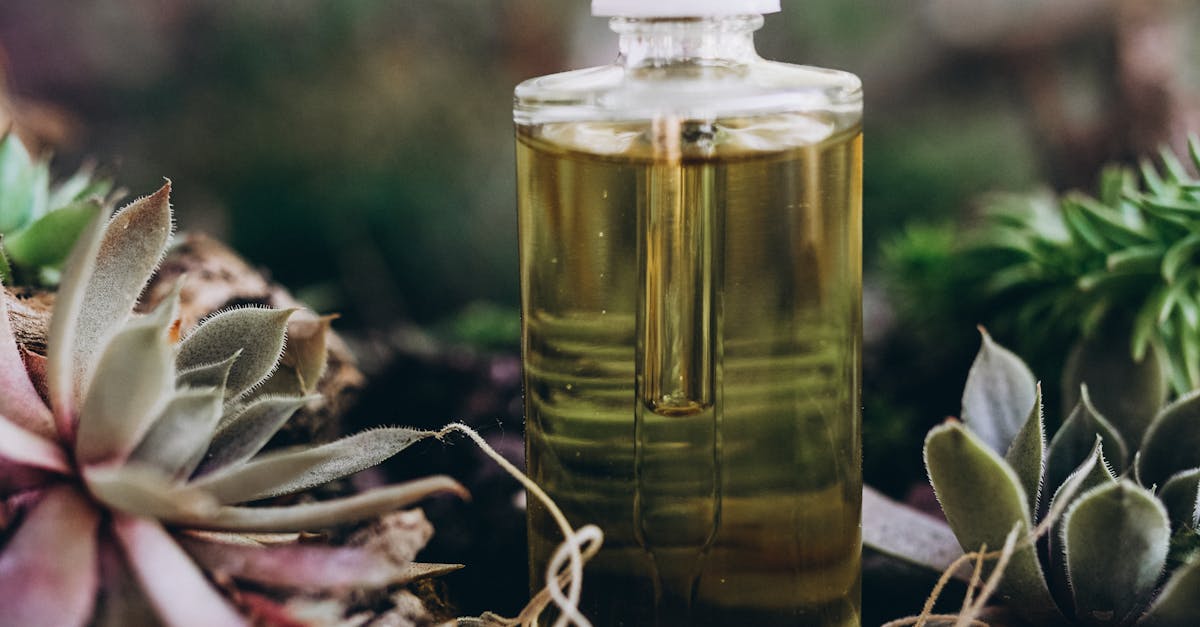
Health Benefits of Medicinal Plants: Nature’s Healing Pharmacy
Throughout history, medicinal plants have played a pivotal role in various cultures, offering natural remedies for a wide range of ailments. Modern scientific research continues to validate the therapeutic properties of these botanical allies, revealing their efficacy in alleviating specific conditions and promoting overall well-being.
One of the most well-known medicinal plants is lavender, prized for its calming and relaxing effects. Studies have shown that lavender can help reduce anxiety, improve sleep quality, and alleviate pain. Similarly, chamomile is renowned for its soothing properties, making it a gentle remedy for digestive issues, inflammation, and stress.
For those seeking pain relief, turmeric stands out as a potent natural anti-inflammatory. Its active compound, curcumin, has been shown to effectively reduce joint pain and inflammation associated with conditions like arthritis. Echinacea, on the other hand, is known for its immune-boosting properties, helping to ward off colds and flu. These are just a few examples of the vast array of medicinal plants and their therapeutic benefits.
3. Choosing the Right Plants for Your Balcony
Choosing the Right Plants for Your Balcony: Creating a Thriving Medicinal Haven
When selecting medicinal plants for your balcony garden, several key factors should be considered to ensure their success and therapeutic benefits. One crucial aspect is sunlight requirements. Different plants have varying needs, so it’s essential to choose species that are well-suited to the amount of sunlight your balcony receives. For balconies with limited sunlight, shade-tolerant plants like mint, parsley, and valerian are ideal.
Another important consideration is the size of the plants. Balcony gardens often have space constraints, so it’s wise to select plants that are naturally compact or can be easily pruned to fit the available space. Dwarf varieties of lavender, rosemary, and thyme are excellent choices for smaller balconies.
Finally, plant compatibility plays a significant role in creating a harmonious and thriving balcony garden. Some plants, like basil and tomatoes, are known to be companion plants, benefiting each other’s growth and health. Others, such as mint, can be invasive and should be planted with caution. Researching plant compatibility before making your selections will help ensure a balanced and productive garden.
4. Creating Your Medicinal Balcony Garden
Creating Your Medicinal Balcony Garden: A Step-by-Step Guide
To embark on your medicinal balcony gardening journey, meticulous preparation is key. Begin by thoroughly cleaning the balcony space, ensuring it’s free from dirt and debris. Selecting the right containers is crucial; choose pots with drainage holes to prevent waterlogging and opt for materials like terracotta or glazed ceramic that allow for breathability.
Next, prepare the soil by mixing a high-quality potting mix with organic matter like compost or manure to enhance fertility and drainage. Fill the containers with the prepared soil, leaving about an inch of space from the rim for watering.
Now, it’s time to plant your chosen medicinal herbs. Gently remove the plants from their nursery pots, loosen any tangled roots, and dig a hole in the soil deep enough to accommodate the root ball. Carefully place the plant in the hole and fill in the surrounding space with soil, gently firming it around the base of the plant.
5. Maintenance and Harvesting Your Medicinal Plants
Maintenance and Harvesting Your Medicinal Plants: Nurturing Your Healing Garden
Proper care is essential to ensure the thriving of your medicinal balcony garden. Regular watering is crucial, especially during hot and dry weather. However, avoid overwatering, as soggy soil can lead to root rot. Allow the top inch of soil to dry out before watering again.
Sunlight management is equally important. Observe the amount of sunlight your balcony receives and choose plants accordingly. Some herbs, like lavender and rosemary, prefer full sun, while others, like mint and parsley, can tolerate partial shade.
To protect your plants from pests and diseases, practice regular inspection and organic pest control methods. Use neem oil or insecticidal soap to combat common pests like aphids and spider mites. Maintaining good air circulation and avoiding overcrowding can also help prevent disease outbreaks.
Harvesting medicinal plants should be done at the right time to ensure maximum potency. For leaves, harvest them just before flowering. For flowers, harvest them when they are fully open. Roots should be harvested in the fall or early spring. Always follow recommended harvesting guidelines for specific plant species.
Quiz: Test Your Medicinal Balcony Gardening Knowledge
- True or False: Medicinal balcony gardening is only suitable for individuals with access to large outdoor spaces.
- Which of the following medicinal plants is known for its calming and relaxing effects? (a) Rosemary (b) Lavender (c) Thyme
- When selecting plants for your balcony garden, it is important to consider factors such as: (a) Sunlight requirements (b) Plant size (c) Plant compatibility (d) All of the above
- Which of the following is a key step in preparing the soil for medicinal plants? (a) Mixing in organic matter (b) Ensuring proper drainage (c) Adding chemical fertilizers (d) Both (a) and (b)
- True or False: Medicinal plants should be harvested at any time of year.
Answer Key:
- False
- (b) Lavender
- (d) All of the above
- (d) Both (a) and (b)
- False
Answer Key
- False
- (b) Lavender
- (d) All of the above
- (d) Both (a) and (b)
- False
Unlock the Greenery Potential of Your Balcony: A Guide to Thriving Plants in Compact Spaces Attention all balcony-dwelling plant enthusiasts! Read more
Transform Your Balcony into a Flourishing Garden Oasis: A Step-by-Step Guide Beginning a balcony garden can be a fulfilling endeavor, Read more
Unlocking the Potential of Vertical Gardening on Balconies Are you tired of your cramped balcony but still longing for a Read more
Aromatic Delights: Cultivating Herbs on Your Balcony Oasis Whether you're a seasoned gardener or just starting out, growing herbs on Read more