
Creating a Balcony Oasis: A Wildlife Sanctuary for Birds and Bees

Whether you live in a bustling city or a quiet suburb, creating a balcony garden wildlife sanctuary can bring the beauty and benefits of nature to your doorstep. This guide will provide you with expert tips and plant recommendations to attract birds, bees, and other wildlife to your outdoor oasis.
Transform your balcony into a haven for feathered friends and buzzing pollinators. By incorporating native plants, creating habitat layers, and providing food and water sources, you can create a vibrant ecosystem that supports local wildlife and enhances your living space. Embrace the tranquility and educational value of observing nature up close, while contributing to the preservation of biodiversity in your area.
1. 1. Choose the Right Plants
1. Choose the Right Plants: Select plants that are native to your region and provide sustenance for birds and bees throughout the year.
When selecting plants for your balcony wildlife sanctuary, it is essential to choose species that are native to your region. Native plants have evolved to thrive in your local climate and soil conditions, and they provide the best food and shelter for local wildlife. Avoid non-native plants, as they may not be adapted to your climate and could become invasive, harming the local ecosystem.
To attract birds, choose plants that produce berries, fruits, or nuts. These plants provide essential food sources for birds, especially during the winter months when natural food is scarce. Some bird-friendly plants to consider include blueberries, raspberries, crabapple trees, and sunflowers. Birds also rely on insects for protein, so include plants that attract insects, such as lavender, zinnias, and daisies.
Bees are attracted to flowers that are rich in nectar and pollen. Some bee-friendly plants to include in your sanctuary are lavender, sunflowers, poppies, and rosemary. Bees also need water to survive, so provide a shallow dish filled with water and place it near bee-friendly flowers.
Nectar-Rich Flowers
Nectar-Rich Flowers: Attract bees and butterflies with vibrant blooms such as lavender, sunflowers, and zinnia.
Bees and butterflies are essential pollinators that play a vital role in our ecosystem. They help to reproduce plants, including many fruits, vegetables, and flowers. You can attract these beneficial insects to your balcony wildlife sanctuary by planting nectar-rich flowers.
Some of the best nectar-rich flowers for bees and butterflies include:
- Lavender
- Sunflowers
- Zinnias
- Coneflowers
- Asters
- Goldenrod
- Butterfly bush
- Bee balm
- Lilac
- Borage
When choosing nectar-rich flowers, select a variety of colors and bloom times to ensure a continuous supply of food for bees and butterflies throughout the year. Plant flowers in clusters to make them more attractive to pollinators. Avoid using pesticides and herbicides, as these chemicals can harm bees and butterflies.
In addition to providing nectar, you can also provide water for bees and butterflies. Place a shallow dish filled with water near your flowers, and add a few stones or marbles to provide a landing spot for the insects.
Fruit-Bearing Trees and Shrubs
Fruit-Bearing Trees and Shrubs: Provide food for birds during winter and nesting season with fruit-bearing options like blueberries, raspberries, and crabapple trees.
Birds rely on fruits and berries as a food source, especially during the winter months when other food is scarce. By planting fruit-bearing trees and shrubs in your balcony wildlife sanctuary, you can provide a valuable food source for birds and help them to survive and thrive.
Some of the best fruit-bearing trees and shrubs for birds include:
- Blueberries
- Raspberries
- Blackberries
- Strawberries
- Crabapple trees
- Serviceberry trees
- Hawthorn trees
- Dogwood trees
- Elderberry shrubs
- Viburnum shrubs
When choosing fruit-bearing trees and shrubs, select a variety of species to ensure that birds have a continuous supply of food throughout the year. Plant trees and shrubs in a sunny location and provide them with well-drained soil. Water regularly, especially during the first growing season.
In addition to providing food, fruit-bearing trees and shrubs also provide shelter for birds. The dense foliage and branches can provide a safe place for birds to nest and raise their young.
2. 2. Create Habitat Layers

2. Create Habitat Layers: Encourage a diverse ecosystem by incorporating plants of various heights and foliage types.
A diverse ecosystem is a healthy ecosystem. By creating habitat layers in your balcony wildlife sanctuary, you can provide a variety of habitats for different types of wildlife. This will attract a greater variety of birds, bees, and other beneficial insects to your sanctuary.
Groundcovers and Low-Growing Plants:
Groundcovers and low-growing plants provide shelter and nesting sites for small animals and insects. They also help to keep the soil moist and prevent erosion. Some good choices for groundcovers and low-growing plants include:
- Creeping thyme
- Sedum
- Moss
- Ferns
- Vinca
- Pachysandra
Climbing Vines and Shrubs:
Climbing vines and shrubs provide vertical habitat for birds and butterflies. They can also be used to create privacy screens or to add height to your sanctuary. Some good choices for climbing vines and shrubs include:
- Honeysuckle
- Clematis
- Ivy
- Jasmine
- Roses
- Bougainvillea
When creating habitat layers, be sure to include a variety of plants with different heights, foliage types, and bloom times. This will provide a diverse and dynamic habitat for wildlife.
Groundcovers and Low-Growing Plants
Groundcovers and Low-Growing Plants: Provide shelter for insects and small animals with low-maintenance groundcovers like creeping thyme and sedum.
Groundcovers and low-growing plants play an important role in a balcony wildlife sanctuary by providing shelter and nesting sites for insects and small animals. They also help to keep the soil moist and prevent erosion.
Benefits of Groundcovers and Low-Growing Plants:
- Provide shelter and nesting sites for insects and small animals
- Help to keep the soil moist and prevent erosion
- Add visual interest and texture to the garden
- Can be used to create pathways or define spaces
Good Choices for Groundcovers and Low-Growing Plants:
- Creeping thyme
- Sedum
- Moss
- Ferns
- Vinca
- Pachysandra
When choosing groundcovers and low-growing plants, be sure to select species that are native to your region and that are well-suited to the growing conditions on your balcony. Creeping thyme and sedum are two low-maintenance groundcovers that are a good choice for beginners.
Climbing Vines and Shrubs
Climbing Vines and Shrubs: Create vertical habitat for birds and butterflies with climbing vines such as honeysuckle and clematis.
Climbing vines and shrubs are a great way to add vertical habitat to your balcony wildlife sanctuary. They provide shelter and nesting sites for birds and butterflies, and they can also be used to create privacy screens or to add height to your sanctuary.
Benefits of Climbing Vines and Shrubs:
- Provide shelter and nesting sites for birds and butterflies
- Can be used to create privacy screens or to add height to the sanctuary
- Add visual interest and beauty to the garden
- Can help to reduce noise and air pollution
Good Choices for Climbing Vines and Shrubs:
- Honeysuckle
- Clematis
- Ivy
- Jasmine
- Roses
- Bougainvillea
When choosing climbing vines and shrubs, be sure to select species that are native to your region and that are well-suited to the growing conditions on your balcony.
3. 3. Water and Food Sources
3. Water and Food Sources: Ensure a consistent supply of water and food to sustain wildlife visitors.
A consistent supply of water and food is essential for the survival of wildlife. By providing these resources in your balcony wildlife sanctuary, you can attract and support a variety of birds, bees, butterflies, and other beneficial insects.
Water Sources:
- Place a shallow dish filled with water in your sanctuary. Be sure to place it in a safe location where it will not be easily tipped over.
- Add a few stones or marbles to the dish to provide a landing spot for insects.
- Change the water regularly to keep it clean and fresh.
Food Sources:
- Plant a variety of nectar-rich flowers to attract bees and butterflies.
- Provide fruit-bearing trees and shrubs to provide food for birds.
- Offer seed feeders filled with seed mixes that are tailored to the local bird species.
- Place shallow dishes filled with sugar water or fruit juice near bee-friendly flowers.
Bird Baths and Feeders
Bird Baths and Feeders: Provide a shallow birdbath for drinking and bathing, and offer seed feeders filled with seed mixes tailored to local bird species.
Birds need a source of fresh water for drinking and bathing. By providing a bird bath in your balcony wildlife sanctuary, you can attract a variety of birds to your space. Be sure to place the birdbath in a safe location where it will not be easily tipped over. You should also clean the birdbath regularly to keep it clean and free of algae.
In addition to water, birds also need a source of food. Seed feeders are a great way to provide birds with the nutrients they need. When choosing a seed mix for your feeders, be sure to select one that is tailored to the local bird species. You can also offer other types of food, such as fruit, mealworms, or suet.
Bee-Friendly Water Sources
Bee-Friendly Water Sources: Place shallow dishes filled with water or sugar water, and provide landing spots nearby for bees to rest.
Bees need a source of water to drink and to cool down. By providing a bee-friendly water source in your balcony wildlife sanctuary, you can help to attract and support these important pollinators. To make a bee-friendly water source, simply fill a shallow dish with water and place it in a sunny location. You can also add a few drops of sugar water to the dish to make it even more attractive to bees.
In addition to water, bees also need a place to land and rest. You can provide landing spots for bees by placing rocks, sticks, or other objects near the water source. Bees will also appreciate a nearby source of pollen and nectar, such as a flowering plant or a bee balm.
4. 4. Avoid Pesticides and Chemicals
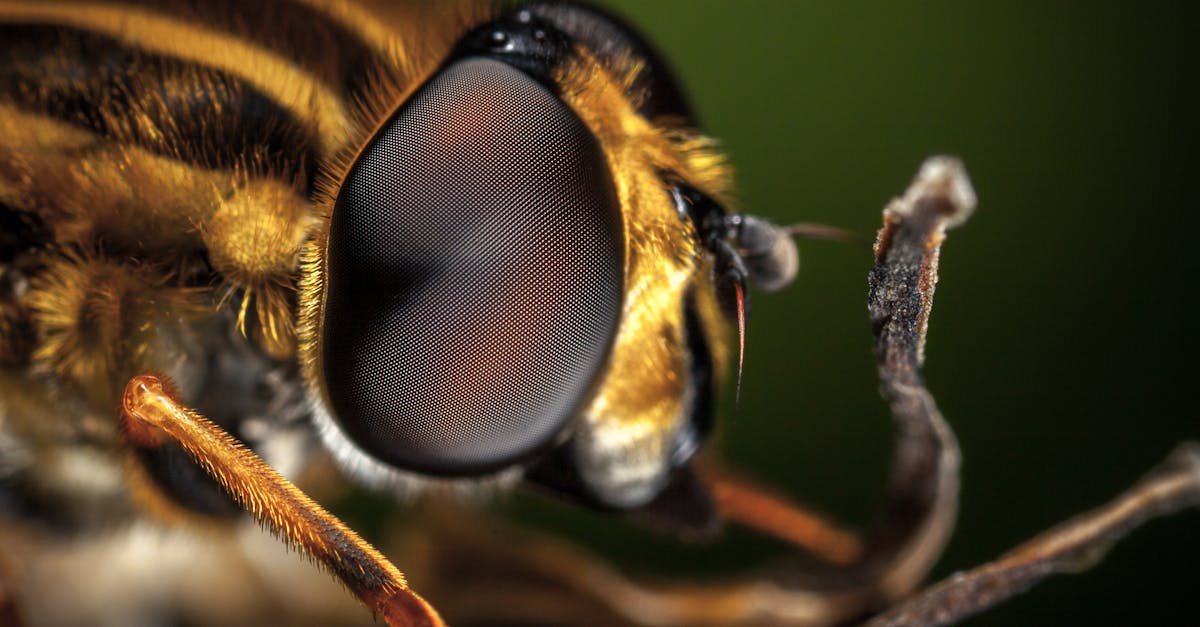
4. Avoid Pesticides and Chemicals: Maintain an eco-friendly environment by using natural pest control methods and избегайте использования harmful chemicals.
Pesticides and chemicals can be harmful to wildlife, so it is important to avoid using them in your balcony wildlife sanctuary. Instead, there are a number of natural pest control methods that you can use to keep pests away from your plants.
Natural Pest Control Methods:
- Companion planting: Planting certain plants together can help to deter pests. For example, planting garlic or onions near roses can help to keep aphids away.
- Encouraging predatory insects: Many insects, such as ladybugs and lacewings, prey on pests. You can attract these beneficial insects to your garden by planting flowers that they like, such as daisies or zinnias.
- Using neem oil: Neem oil is a natural pesticide that can be used to control a variety of pests, including aphids, whiteflies, and spider mites.
By using natural pest control methods, you can create a healthy and sustainable environment for wildlife in your balcony wildlife sanctuary.
Natural Pest Control
Natural Pest Control: Use organic pest control methods such as companion planting, encouraging predatory insects, and applying neem oil.
To maintain a healthy and sustainable environment for wildlife in your balcony wildlife sanctuary, it is important to avoid using harmful pesticides and chemicals. Instead, you can use a variety of natural pest control methods to keep pests away from your plants.
Companion Planting:
Companion planting is a technique that involves planting certain plants together to deter pests. For example, planting garlic or onions near roses can help to keep aphids away. This is because the strong smell of garlic and onions repels aphids. Other companion planting combinations include planting tomatoes with basil, carrots with onions, and lettuce with radishes.
Encouraging Predatory Insects:
Many insects, such as ladybugs and lacewings, prey on pests. You can attract these beneficial insects to your garden by planting flowers that they like, such as daisies or zinnias. Ladybugs, for example, are attracted to the pollen and nectar of daisies, while lacewings are attracted to the nectar of zinnias.
Applying Neem Oil:
Neem oil is a natural pesticide that can be used to control a variety of pests, including aphids, whiteflies, and spider mites. Neem oil is made from the seeds of the neem tree, and it has been used for centuries in India to protect crops from pests. Neem oil works by disrupting the life cycle of pests and by making them less likely to feed on plants.
5. 5. Enjoy the Benefits
5. Enjoy the Benefits: Reap the rewards of creating a wildlife sanctuary on your balcony.
Creating a wildlife sanctuary on your balcony is a rewarding experience that can bring you many benefits. Here are three ways that you can enjoy the benefits of your wildlife sanctuary:
Enhanced Beauty and Serenity:
A wildlife sanctuary can transform your balcony into a beautiful and serene oasis. The presence of plants, flowers, and wildlife can create a calming and peaceful atmosphere. You can enjoy the beauty of your sanctuary from the comfort of your own home, or you can step outside to observe the wildlife up close.
Educational Value:
A wildlife sanctuary can be a great way to learn about local wildlife. You can observe the different birds, bees, and other animals that visit your sanctuary, and you can learn about their behaviors and habitats. You can also use your sanctuary as a teaching tool for children, to help them learn about the importance of conservation.
Contribution to Conservation:
By creating a wildlife sanctuary on your balcony, you are contributing to the conservation of local wildlife. You are providing food and shelter for birds, bees, and other animals, and you are helping to create a healthy and sustainable ecosystem.
Enhanced Beauty and Serenity
Enhanced Beauty and Serenity: Experience the tranquility and beauty of a thriving ecosystem right outside your window.
A wildlife sanctuary on your balcony can transform your outdoor space into a beautiful and serene oasis. The presence of plants, flowers, and wildlife can create a calming and peaceful atmosphere. You can enjoy the beauty of your sanctuary from the comfort of your own home, or you can step outside to observe the wildlife up close.
Imagine waking up to the sound of birds singing and the sight of bees buzzing around colorful flowers. As you sip your morning coffee on your balcony, you can watch butterflies flitting through the air and admire the vibrant blooms of your plants. The lush greenery and the activity of wildlife will create a sense of tranquility and well-being, allowing you to relax and de-stress after a long day.
Educational Value
Educational Value: Observe and learn about local wildlife, providing an educational and enriching experience.
A wildlife sanctuary on your balcony can be a great way to learn about local wildlife. You can observe the different birds, bees, and other animals that visit your sanctuary, and you can learn about their behaviors and habitats. You can also use your sanctuary as a teaching tool for children, to help them learn about the importance of conservation.
By observing the wildlife in your sanctuary, you can learn about their unique adaptations and behaviors. For example, you might notice that certain birds prefer to eat certain types of flowers, or that bees are more active during certain times of the day. You can also learn about the interdependence of different species, and how they rely on each other for food, shelter, and reproduction.
Quiz
- True or False: Native plants are better for attracting local wildlife than non-native plants.
- Multiple Choice: Which of the following is NOT a benefit of creating a wildlife sanctuary on your balcony?
- Enhanced beauty and serenity
- Reduced stress levels
- Increased pest problems
- True or False: Using pesticides and chemicals is recommended for maintaining a healthy wildlife sanctuary.
- Multiple Choice: Which of the following natural pest control methods is effective against aphids?
- Companion planting
- Encouraging predatory insects
- Applying neem oil
- All of the above
Answer Key
- True
- Increased pest problems
- False
- All of the above
Unlock the Greenery Potential of Your Balcony: A Guide to Thriving Plants in Compact Spaces Attention all balcony-dwelling plant enthusiasts! Read more
Transform Your Balcony into a Flourishing Garden Oasis: A Step-by-Step Guide Beginning a balcony garden can be a fulfilling endeavor, Read more
Unlocking the Potential of Vertical Gardening on Balconies Are you tired of your cramped balcony but still longing for a Read more
Aromatic Delights: Cultivating Herbs on Your Balcony Oasis Whether you're a seasoned gardener or just starting out, growing herbs on Read more