
A Seasonal Symphony: Creating a Balcony Garden that Flourishes with the Changing Year
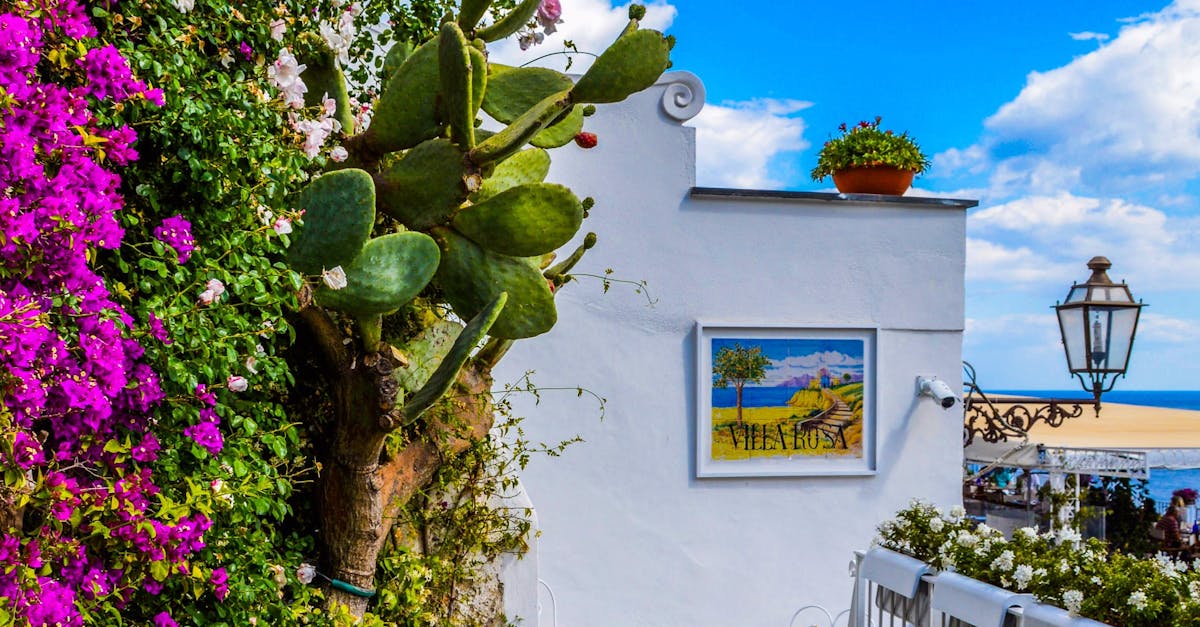
Transforming your balcony into a living tapestry that reflects the changing seasons is a joyous endeavor. This comprehensive guide will empower you with the knowledge and techniques to create a vibrant seasonal oasis on your outdoor haven. We’ll delve into the art of plant selection, container choice, and seasonal maintenance, ensuring that your balcony garden blossoms with color and enchantment throughout the year.
From the cheerful hues of spring to the cozy charm of winter, we’ll explore creative touches like vertical gardening and festive decorations that will enhance the seasonal allure of your balcony. We’ll also address the importance of pest control, providing organic and sustainable solutions to keep your plants thriving. Finally, we’ll cover the art of transitioning plants between your balcony and indoor spaces, ensuring a seamless symphony of greenery that adapts to the changing seasons.
1. Planning Your Seasonal Balcony Oasis
Planning a seasonal balcony garden requires careful consideration of your balcony’s environment, plant selection, and container choice. Here are the essential factors to keep in mind:
Assess Your Balcony’s Microclimate: Start by understanding the unique microclimate of your balcony. Observe the amount of sunlight it receives throughout the day, as well as the prevailing wind conditions and temperature variations. These factors will influence the types of plants that thrive in your space.
Selecting Seasonal Beauties: Choose plants that are well-suited to the specific seasons you want to highlight. Consider their blooming periods, foliage color, and height to create a visually appealing and dynamic display. Experiment with a mix of annuals and perennials to ensure year-round interest.
Choosing the Perfect Containers: Select containers that are the appropriate size for your chosen plants and the available space on your balcony. Consider materials such as terracotta, plastic, or wood, each with its own advantages and aesthetic appeal. Drainage holes are crucial to prevent waterlogging and root rot.
Assessing Your Balcony’s Microclimate
Understanding your balcony’s microclimate is crucial for selecting plants that will thrive in your outdoor space. Here are the key factors to consider:
Sun Exposure: The amount of sunlight your balcony receives will determine the types of plants that you can grow successfully. Pay attention to the duration and intensity of sunlight throughout the day. Plants that require full sun will need at least six hours of direct sunlight per day, while shade-loving plants can tolerate less than four hours of direct sunlight.
Wind Conditions: Wind can be a challenge for balcony gardens, especially if your balcony is exposed to strong winds. Choose plants that are wind-tolerant or consider using windbreaks to protect your plants from damage. Climbing plants and trailing plants can also help to reduce the impact of wind.
Temperature Variations: Balconies are often more exposed to temperature extremes than other parts of your home. Consider the USDA hardiness zone for your area and select plants that are adapted to your local climate. If your balcony experiences extreme cold or heat, you may need to take additional steps to protect your plants, such as using frost blankets or providing shade.
Selecting Seasonal Beauties
To create a seasonal balcony garden that bursts with color and interest throughout the year, careful plant selection is key. Here’s a curated list of plants that thrive in different seasons:
Spring Beauties: – Tulips: Classic spring bulbs that come in a wide range of colors and bloom in early spring. – Hyacinths: Fragrant spring-blooming bulbs that produce clusters of bell-shaped flowers. – Daffodils: Cheerful and easy-to-grow spring bulbs with trumpet-shaped flowers. – Pansies: Cool-season annuals that bloom in a variety of colors and can tolerate light frost.
Summer Delights: – Petunias: Abundant bloomers that come in a wide range of colors and can tolerate heat and humidity. – Impatiens: Shade-loving annuals that produce vibrant flowers in pink, red, white, and purple. – Geraniums: Classic summer bloomers that are known for their heat tolerance and long blooming period. – Salvia: A genus of flowering plants that includes many popular balcony varieties, such as Salvia splendens and Salvia farinacea.
Autumn Splendor: – Chrysanthemums: Fall-blooming perennials that come in a range of colors and can tolerate cooler temperatures. – Asters: Late-season bloomers that produce daisy-like flowers in shades of purple, blue, and white. – Ornamental Kale: Cool-season annuals with colorful foliage that adds interest to autumn gardens. – Panicum virgatum: A tall ornamental grass that turns golden brown in the fall and provides winter interest.
Choosing the Perfect Containers
Choosing the right containers is essential for the health and appearance of your balcony garden. Here are some factors to consider:
Container Materials: – Terracotta: Natural clay pots that are porous and allow for good drainage. However, they can be heavy and prone to cracking in cold climates. – Plastic: Lightweight and durable, plastic pots come in a variety of shapes and colors. They are less porous than terracotta, so be sure to provide adequate drainage holes. – Wood: Wooden containers add a natural touch to your balcony. They are durable and can be painted or stained to match your décor. However, they require more maintenance than other materials and can rot if not properly sealed. – Metal: Metal containers, such as galvanized steel or copper, are durable and can withstand the elements. However, they can heat up quickly in the sun, so be sure to choose a light-colored metal or provide shade for your plants.
Container Shapes and Sizes: – Shape: Choose containers that complement the shape and size of your plants. Tall, narrow containers are suitable for upright plants, while wide, shallow containers are better for trailing plants. – Size: The size of the container should be appropriate for the root system of the plant. A general rule of thumb is to choose a container that is at least twice the width of the root ball. Larger containers are also more stable and less likely to tip over in windy conditions.
2. Preparing Your Balcony for the Seasons

Preparing your balcony garden for each season is essential for ensuring the health and beauty of your plants. Here are some key tasks to consider:
Spring Awakening: – Soil Preparation: Refresh the soil in your containers by removing old soil and adding fresh potting mix. Amend the soil with organic matter, such as compost or manure, to improve drainage and fertility. – Planting: Choose plants that are suitable for the spring season and your balcony’s conditions. Harden off seedlings before transplanting them outdoors. – Watering: Water your plants regularly, especially during warm and dry weather. Avoid overwatering, as this can lead to root rot.
Summer Sanctuary: – Watering: Water your plants more frequently during the hot summer months. Consider using a soaker hose or drip irrigation system to deliver water directly to the roots. – Fertilizing: Fertilize your plants every few weeks with a balanced liquid fertilizer. This will help to replenish the nutrients that are used up during the growing season. – Pest Control: Keep an eye out for pests and diseases. Treat any infestations promptly to prevent them from spreading.
Autumn Ambiance: – Plant Selection: Choose plants that are tolerant of cooler temperatures and shorter days. Consider adding evergreens to your balcony for winter interest. – Watering: Reduce watering as the weather cools. Allow the soil to dry out slightly between waterings. – Winter Preparation: Prune back your plants and apply a layer of mulch to protect the roots from the cold.
Spring Awakening
As the days get longer and the temperatures rise, it’s time to prepare your balcony garden for the burst of spring colors. Here are some essential tasks to ensure a successful spring garden:
Soil Preparation: – Remove any old soil from your containers and replace it with fresh potting mix. – Amend the soil with organic matter, such as compost or manure, to improve drainage and fertility. – Check the pH level of the soil and adjust it if necessary. Most plants prefer a slightly acidic soil with a pH between 6.0 and 6.5.
Planting Techniques: – Choose plants that are suitable for your balcony’s conditions and the spring season. – Harden off seedlings before transplanting them outdoors. This will help them to adjust to the outdoor environment and reduce transplant shock. – Plant your seedlings at the correct depth and spacing. Water them well after planting.
Tips for Nurturing New Growth: – Water your plants regularly, especially during warm and dry weather. Avoid overwatering, as this can lead to root rot. – Fertilize your plants every few weeks with a balanced liquid fertilizer. This will help to replenish the nutrients that are used up during the growing season. – Protect your plants from pests and diseases. Inspect your plants regularly and treat any infestations promptly.
Summer Sanctuary
As the days get longer and the temperatures rise, it’s time to transform your balcony into a thriving summer oasis. Here are some watering strategies, fertilizing tips, and ideas for providing shade and attracting pollinators:
Watering Strategies: – Water your plants more frequently during the hot summer months. Most plants need to be watered at least once a day, and some may need to be watered twice a day. – Water your plants deeply, so that the water reaches the roots. Avoid shallow watering, as this can encourage roots to grow near the surface of the soil, where they are more susceptible to drying out. – Consider using a soaker hose or drip irrigation system to deliver water directly to the roots. This will help to conserve water and reduce evaporation.
Fertilizing Tips: – Fertilize your plants every few weeks with a balanced liquid fertilizer. This will help to replenish the nutrients that are used up during the growing season. – Choose a fertilizer that is specifically designed for the type of plants you are growing. – Follow the instructions on the fertilizer package carefully to avoid over-fertilizing your plants.
Providing Shade and Attracting Pollinators: – If your balcony gets a lot of direct sunlight, consider providing some shade for your plants. You can do this by using a shade cloth, an umbrella, or even a nearby building or tree. – To attract pollinators to your balcony garden, plant flowers that are rich in nectar and pollen. Some good options include lavender, sunflowers, zinnias, and marigolds.
Autumn Ambiance
As the days get shorter and the temperatures start to drop, it’s time to embrace the vibrant hues of autumn on your balcony. Here are some plant choices for fall interest, tips for transitioning to cooler temperatures, and preparing for winter:
Plant Choices for Fall Interest: – Ornamental Grasses: Ornamental grasses add a touch of texture and movement to your balcony garden. Some good options for fall interest include maiden grass (Miscanthus sinensis), fountain grass (Pennisetum setaceum), and Karl Foerster feather reed grass (Calamagrostis x acutiflora ‘Karl Foerster’). – Fall-Blooming Perennials: Many perennials put on a show of color in the fall. Some good options for your balcony garden include asters, chrysanthemums, and sedum. – Deciduous Shrubs: Deciduous shrubs can provide your balcony garden with fall foliage interest. Some good options include Japanese maple (Acer palmatum), burning bush (Euonymus alatus), and smoke bush (Cotinus coggygria).
Transitioning to Cooler Temperatures: – As the temperatures start to drop, gradually reduce the amount of water you give your plants. This will help to harden them off and prepare them for winter. – If you live in a cold climate, you may need to bring your plants indoors before the first frost. Choose a bright location where they will receive plenty of sunlight.
Preparing for Winter: – Once the first frost has passed, it’s time to prepare your balcony garden for winter. – Remove any dead or diseased plant material. – Apply a layer of mulch around your plants to help insulate their roots.
Winter Wonderland
As the days get shorter and the temperatures drop, you can still enjoy your balcony by transforming it into a cozy winter haven. Here are some tips for selecting cold-tolerant plants, protecting them from frost, and creating festive arrangements:
Selecting Cold-Tolerant Plants: – Evergreen Shrubs: Evergreen shrubs can provide your balcony with year-round interest. Some good options for cold climates include boxwood (Buxus sempervirens), holly (Ilex spp.), and juniper (Juniperus spp.). – Winter-Blooming Plants: Some plants actually bloom during the winter months. Some good options for your balcony garden include witch hazel (Hamamelis spp.), snowdrops (Galanthus nivalis), and hellebores (Helleborus spp.). – Hardy Perennials: Many perennials can survive the winter months, even in cold climates. Some good options for your balcony garden include bergenia (Bergenia cordifolia), lamb’s ear (Stachys byzantina), and yarrow (Achillea millefolium).
Protecting from Frost: – If you live in a cold climate, you may need to take steps to protect your plants from frost. – One way to do this is to use a frost blanket or cloth. Cover your plants with the blanket at night when temperatures are expected to drop below freezing. – You can also group your plants together to create a microclimate that is warmer than the surrounding air.
Creating Festive Arrangements: – Even in the winter months, you can create festive arrangements on your balcony. – Use evergreen boughs, pinecones, and berries to decorate your railings or planters. – You can also add some twinkle lights to create a magical atmosphere.
3. Creative Seasonal Additions
In addition to the essential planning and maintenance tasks, adding creative touches can enhance the seasonal charm of your balcony garden. Here are some ideas for incorporating vertical gardening, creating focal points, and adding seasonal decorations:
Vertical Gardening: – Vertical gardening is a great way to add more plants to your balcony without taking up too much space. – You can use trellises, hanging planters, or wall-mounted gardens to create a vertical display of plants. – This is a great way to grow climbing plants, such as ivy, clematis, or morning glories.
Creating Focal Points: – A focal point is something that draws the eye and creates a sense of interest. – You can create a focal point in your balcony garden by using a large plant, a colorful planter, or a piece of garden art. – Position your focal point so that it is the first thing that people see when they enter your balcony.
Seasonal Decorations: – Seasonal decorations can add a touch of festivity to your balcony garden. – In the spring, you can add some bright flowers or wind chimes. – In the summer, you can hang some lanterns or string lights. – In the fall, you can add some pumpkins or gourds. – In the winter, you can add some evergreen boughs or pinecones.
Vertical Gardening Magic
Vertical gardening is a great way to maximize space and add vertical interest to your balcony garden. Here are some ideas for using trellises, hanging planters, and wall-mounted gardens:
Trellises: – Trellises are a great way to support climbing plants, such as ivy, clematis, and morning glories. – You can place trellises against a wall or fence, or you can use them to create a freestanding screen. – Trellises come in a variety of materials, including wood, metal, and plastic.
Hanging Planters: – Hanging planters are a great way to add plants to your balcony without taking up any floor space. – You can hang planters from the ceiling, from a balcony railing, or from a wall-mounted hook. – Hanging planters are available in a variety of sizes and shapes, so you can find ones that fit your space and your plants.
Wall-Mounted Gardens: – Wall-mounted gardens are a great way to add a touch of greenery to a blank wall. – Wall-mounted gardens are available in a variety of sizes and styles, so you can find one that fits your space and your décor.
Creating Focal Points
Creating focal points in your balcony garden is a great way to draw attention to specific plants or areas. Here are some tips for using contrasting colors, textures, and heights to create visual interest:
Contrasting Colors: – One way to create a focal point is to use contrasting colors. – For example, you could plant a group of brightly colored flowers in the center of your balcony, surrounded by plants with darker foliage. – You could also use contrasting colors in your containers. For example, you could use a bright blue pot for a plant with green foliage.
Contrasting Textures: – Another way to create a focal point is to use contrasting textures. – For example, you could plant a group of plants with soft, velvety leaves next to a plant with sharp, spiky leaves. – You could also use contrasting textures in your containers. For example, you could use a smooth ceramic pot for a plant with textured foliage.
Contrasting Heights: – Finally, you can create a focal point by using contrasting heights. – For example, you could plant a tall plant in the center of your balcony, surrounded by shorter plants. – You could also use contrasting heights in your containers. For example, you could plant a tall plant in a tall pot, and a shorter plant in a shorter pot.
Seasonal Decorations
Incorporating seasonal decorations into your balcony garden is a great way to enhance the ambiance and make it feel more festive. Here are some ideas for using wind chimes, lanterns, and festive ornaments to create a seasonal atmosphere:
Wind Chimes: – Wind chimes are a great way to add a touch of music and movement to your balcony garden. – You can find wind chimes in a variety of styles and sizes, so you can find ones that fit your taste and the size of your balcony. – Wind chimes are also a great way to attract birds to your balcony.
Lanterns: – Lanterns are a great way to add a touch of light and warmth to your balcony garden. – You can find lanterns in a variety of styles and sizes, so you can find ones that fit the style of your balcony and the season. – Lanterns are also a great way to create a festive atmosphere for parties or gatherings.
Festive Ornaments: – Festive ornaments are a great way to add a touch of holiday cheer to your balcony garden. – You can find festive ornaments in a variety of shapes, sizes, and colors, so you can find ones that fit the theme of your holiday and the size of your balcony. – Festive ornaments are also a great way to add a personal touch to your balcony garden.
4. Pest Control and Seasonality

Pest control is an important part of maintaining a healthy balcony garden. Pests can damage your plants, spread diseases, and make your balcony less enjoyable. Here are some common pests to watch out for, as well as some organic pest management techniques you can use to keep them under control:
Common Balcony Pests: – Aphids: Aphids are small, soft-bodied insects that can infest a variety of plants. They suck the sap from plants, which can cause leaves to yellow and drop. – Mealybugs: Mealybugs are small, white insects that can infest a variety of plants. They secrete a white, waxy substance that can cover the leaves and stems of plants. – Spider mites: Spider mites are tiny, spider-like pests that can infest a variety of plants. They suck the sap from plants, which can cause leaves to yellow and drop.
Organic Pest Management Techniques: – Companion planting: Companion planting is the practice of planting certain plants together that can help to repel pests. For example, planting garlic or onions near your roses can help to repel aphids. – Beneficial insects: Beneficial insects are insects that prey on pests. You can attract beneficial insects to your balcony by planting flowers that they are attracted to, such as daisies or zinnias. – Homemade remedies: There are a number of homemade remedies that you can use to control pests. For example, you can spray your plants with a solution of water and dish soap to kill aphids. You can also sprinkle diatomaceous earth around your plants to kill spider mites.
Common Balcony Pests
Balcony gardens are a great way to enjoy fresh air and greenery in an urban environment. However, balcony gardens can also be susceptible to pests. Here are some of the most common pests that are attracted to balcony gardens, as well as some tips for identifying and controlling them:
Aphids: Aphids are small, soft-bodied insects that can infest a variety of plants. They suck the sap from plants, which can cause leaves to yellow and drop. Aphids are often found on the undersides of leaves. They can be green, black, or brown in color.
Mealybugs: Mealybugs are small, white insects that can infest a variety of plants. They secrete a white, waxy substance that can cover the leaves and stems of plants. Mealybugs are often found in the crevices of leaves and stems. They can be difficult to see because they blend in with the plant’s foliage.
Spider mites: Spider mites are tiny, spider-like pests that can infest a variety of plants. They suck the sap from plants, which can cause leaves to yellow and drop. Spider mites are often found on the undersides of leaves. They can be difficult to see because they are very small.
Organic Pest Management
Organic pest management is a sustainable and environmentally friendly approach to controlling pests in your balcony garden. Here are some organic pest management methods that you can use:
Companion planting: Companion planting is the practice of planting certain plants together that can help to repel pests. For example, planting garlic or onions near your roses can help to repel aphids. Planting marigolds near your tomatoes can help to repel whiteflies. Planting mint near your cabbage can help to repel cabbage moths.
Beneficial insects: Beneficial insects are insects that prey on pests. You can attract beneficial insects to your balcony garden by planting flowers that they are attracted to, such as daisies or zinnias. You can also purchase ladybugs or lacewings and release them in your garden. Beneficial insects will help to keep your pest population under control.
Homemade remedies: There are a number of homemade remedies that you can use to control pests. For example, you can spray your plants with a solution of water and dish soap to kill aphids. You can also sprinkle diatomaceous earth around your plants to kill spider mites. You can also make a insecticidal soap by mixing 1 tablespoon of Castile soap with 1 quart of water. Spray the insecticidal soap on your plants to kill pests.
Seasonal Pest Control
Pest activity varies with the seasons, so it is important to adjust your pest control measures accordingly. Here are some tips for seasonal pest control:
Spring: In the spring, pests are emerging from their winter hiding places and looking for food. This is a good time to start using preventative pest control measures, such as companion planting and beneficial insects. You should also be on the lookout for common spring pests, such as aphids and mealybugs.
Summer: In the summer, pests are at their most active. This is a good time to use more aggressive pest control measures, such as insecticidal soap or neem oil. You should also be on the lookout for common summer pests, such as spider mites and whiteflies.
Fall: In the fall, pests are preparing for winter. This is a good time to use preventative pest control measures, such as cleaning up your garden and removing any fallen leaves. You should also be on the lookout for common fall pests, such as stink bugs and squash bugs.
5. Indoor-Outdoor Synergy: Transitioning Plants
As the seasons change, it is important to transition your plants between your balcony and indoor spaces to protect them from the elements and ensure their continued health. Here are some tips for seamlessly transitioning your plants:
Signs of Seasonal Transition: – Temperature: Pay attention to the temperature both indoors and outdoors. When the temperatures start to drop in the fall, it is time to start thinking about moving your plants indoors. When the temperatures start to rise in the spring, it is time to start thinking about moving your plants back outdoors. – Daylight hours: The amount of daylight also plays a role in plant growth. As the days get shorter in the fall, your plants will need to be moved to a location with more light. As the days get longer in the spring, your plants can be moved to a location with less light.
Transitioning Your Plants: – Gradual transition: It is important to transition your plants gradually between indoor and outdoor spaces. This will help them to adjust to the change in temperature and light conditions. Start by moving your plants to a sheltered spot outdoors for a few hours each day. Gradually increase the amount of time that your plants spend outdoors until they are fully acclimated. – Watering: Water your plants deeply before moving them indoors or outdoors. This will help to reduce the risk of transplant shock.
Signs of Seasonal Transition
As the seasons change, it is important to pay attention to the cues that indicate it is time to move your plants indoors or outdoors. Here are some key signs to look for:
Temperature: The temperature is one of the most important factors to consider when transitioning your plants. Most plants cannot tolerate freezing temperatures, so it is important to move them indoors before the first frost. You can also move your plants outdoors when the temperatures start to warm up in the spring.
Daylight hours: The amount of daylight also plays a role in plant growth. As the days get shorter in the fall, your plants will need to be moved to a location with more light. As the days get longer in the spring, your plants can be moved to a location with less light.
Other signs: In addition to temperature and daylight hours, there are a few other signs that may indicate it is time to move your plants indoors or outdoors. For example, if you notice that your plants are starting to drop their leaves or if they are not growing as well as they used to, it may be time to move them to a different location.
Quiz
1. True or False: The amount of sunlight your balcony receives does not affect the types of plants you can grow successfully.
2. Which of the following is NOT a factor to consider when choosing containers for your balcony garden?
(a) Material (b) Shape (c) Color (d) Size
3. What is the purpose of companion planting?
(a) To repel pests (b) To attract pollinators (c) To improve soil fertility (d) All of the above
4. Which of the following is NOT a common balcony pest?
(a) Aphids (b) Mealybugs (c) Spider mites (d) Whiteflies
5. True or False: It is important to transition your plants gradually between indoor and outdoor spaces.
Answer Key
-
False
-
(c)
-
(d)
-
(d)
-
True
-
False
-
(c)
-
(d)
-
(d)
-
True
Unlock the Greenery Potential of Your Balcony: A Guide to Thriving Plants in Compact Spaces Attention all balcony-dwelling plant enthusiasts! Read more
Transform Your Balcony into a Flourishing Garden Oasis: A Step-by-Step Guide Beginning a balcony garden can be a fulfilling endeavor, Read more
Unlocking the Potential of Vertical Gardening on Balconies Are you tired of your cramped balcony but still longing for a Read more
Aromatic Delights: Cultivating Herbs on Your Balcony Oasis Whether you're a seasoned gardener or just starting out, growing herbs on Read more