
Create a Hummingbird Oasis on Your Balcony
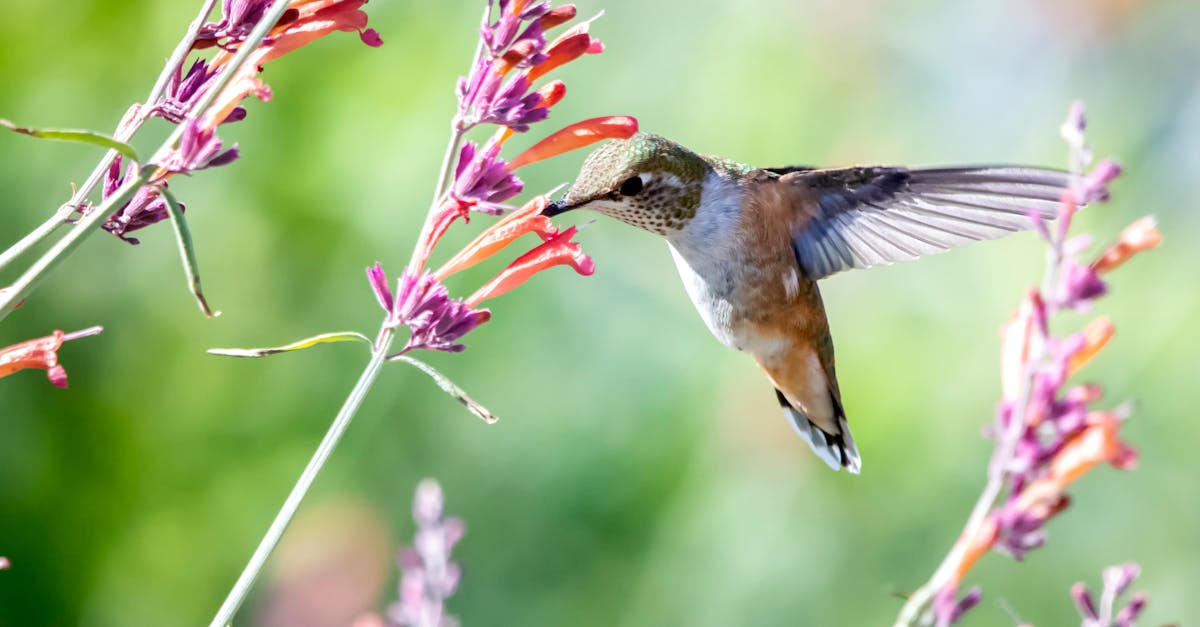
Hummingbirds are fascinating creatures that can bring joy to any backyard or balcony. They are attracted to bright colors, especially red, and they love to feed on nectar from flowers. With the right plants and a little care, you can create a balcony garden that will attract hummingbirds and provide them with a place to rest and feed.
In this article, we will provide you with tips on how to choose the right plants, provide a water source, create a shelter, and avoid using pesticides. We will also provide information on how to enjoy the hummingbirds once they have arrived in your garden.
Creating a balcony garden that attracts hummingbirds is a simple way to enjoy these amazing creatures and bring a touch of nature to your outdoor space.
1. Choose the Right Plants
Not all plants are created equal when it comes to attracting hummingbirds. Some of the best choices include:
- Red flowers: Hummingbirds are attracted to the color red, so planting flowers with red blooms is a great way to attract them to your garden. Some good choices include bee balm, cardinal flower, and hibiscus.
- Native plants: Native plants are adapted to the local climate and soil conditions, making them a good choice for any balcony garden. They are also likely to attract hummingbirds that are native to your area. Some good choices include columbine, butterfly weed, and goldenrod.
- Perennials: Perennials are plants that come back year after year, which means you can enjoy them for seasons to come. This makes them a great investment for any balcony garden. Some good choices include daylilies, irises, and coneflowers.
When choosing plants for your hummingbird garden, be sure to select a variety of colors and bloom times. This will ensure that there is always something in bloom to attract hummingbirds throughout the season. You should also consider the size and shape of your balcony when choosing plants. If you have a small balcony, you may want to choose smaller plants or grow them in containers.
By following these tips, you can create a balcony garden that is sure to attract hummingbirds and provide them with a place to rest and feed.
Red flowers
Hummingbirds are attracted to the color red, so planting flowers with red blooms is a great way to attract them to your garden. Some good choices include:
- Bee balm: Bee balm is a popular choice for hummingbird gardens because it produces clusters of bright red flowers that bloom all summer long.
- Cardinal flower: Cardinal flower is another good choice for hummingbird gardens because it produces spikes of bright red flowers that bloom in late summer and early fall.
- Hibiscus: Hibiscus is a tropical plant that can be grown in containers or in the ground in warm climates. It produces large, showy red flowers that are sure to attract hummingbirds.
When planting red flowers for hummingbirds, be sure to choose a variety of sizes and shapes. This will help to create a more visually interesting garden and provide a variety of perches for hummingbirds. You should also plant your flowers in groups, as this will make them more visible to hummingbirds.
In addition to planting red flowers, you can also attract hummingbirds to your garden by providing a water source and shelter. A shallow dish or birdbath filled with fresh water is a good option for a water source. You can also plant a small tree or shrub in your garden to provide shelter for hummingbirds.
By following these tips, you can create a hummingbird garden that is sure to attract these amazing creatures and provide them with a place to rest and feed.
Native plants
Native plants are adapted to the local climate and soil conditions, making them a good choice for any balcony garden. They are also likely to attract hummingbirds that are native to your area. Some good choices include:
- Columbine: Columbine is a popular choice for hummingbird gardens because it produces clusters of bright red, yellow, or blue flowers that bloom in early summer.
- Butterfly weed: Butterfly weed is another good choice for hummingbird gardens because it produces clusters of bright orange flowers that bloom in mid-summer.
- Goldenrod: Goldenrod is a late-blooming plant that produces clusters of bright yellow flowers that are a favorite of hummingbirds.
When planting native plants for hummingbirds, be sure to choose a variety of sizes and shapes. This will help to create a more visually interesting garden and provide a variety of perches for hummingbirds. You should also plant your flowers in groups, as this will make them more visible to hummingbirds.
In addition to planting native plants, you can also attract hummingbirds to your garden by providing a water source and shelter. A shallow dish or birdbath filled with fresh water is a good option for a water source. You can also plant a small tree or shrub in your garden to provide shelter for hummingbirds.
By following these tips, you can create a hummingbird garden that is sure to attract these amazing creatures and provide them with a place to rest and feed.
Perennials
Perennials are plants that come back year after year, which means you can enjoy them for seasons to come. This makes them a great investment for any balcony garden. Some good choices for hummingbird gardens include:
- Daylilies: Daylilies are a popular choice for hummingbird gardens because they produce clusters of bright yellow, orange, or red flowers that bloom all summer long.
- Irises: Irises are another good choice for hummingbird gardens because they produce tall stalks of colorful flowers that bloom in late spring and early summer.
- Coneflowers: Coneflowers are a late-blooming plant that produces clusters of bright purple flowers that are a favorite of hummingbirds.
When planting perennials for hummingbirds, be sure to choose a variety of sizes and shapes. This will help to create a more visually interesting garden and provide a variety of perches for hummingbirds. You should also plant your flowers in groups, as this will make them more visible to hummingbirds.
In addition to planting perennials, you can also attract hummingbirds to your garden by providing a water source and shelter. A shallow dish or birdbath filled with fresh water is a good option for a water source. You can also plant a small tree or shrub in your garden to provide shelter for hummingbirds.
By following these tips, you can create a hummingbird garden that is sure to attract these amazing creatures and provide them with a place to rest and feed.
2. Provide a Water Source
Hummingbirds need water to drink and bathe, so it’s important to provide a water source in your balcony garden. A shallow dish or birdbath is a good option. You can also place a few marbles or stones in the dish to provide a place for the hummingbirds to perch.
Be sure to keep the water clean and fresh. Hummingbirds are attracted to clean water, so changing the water every few days is important. You can also add a few drops of sugar water to the dish to make it even more attractive to hummingbirds.
In addition to providing a water source, you can also attract hummingbirds to your garden by planting flowers that are rich in nectar. Some good choices include:
- Bee balm
- Cardinal flower
- Hibiscus
- Columbine
- Butterfly weed
- Goldenrod
- Daylilies
- Irises
- Coneflowers
By following these tips, you can create a hummingbird garden that is sure to attract these amazing creatures and provide them with a place to rest and feed.
Keep the water clean
Hummingbirds are attracted to clean water, so be sure to change the water in your dish or birdbath regularly. You should also clean the dish or birdbath thoroughly every few weeks to prevent the growth of bacteria and algae.
Here are some tips for keeping your hummingbird water source clean:
- Change the water every 2-3 days, or more often if it becomes dirty.
- Clean the dish or birdbath with a mild soap solution every few weeks.
- Rinse the dish or birdbath thoroughly before refilling it with water.
- Add a few drops of apple cider vinegar to the water to help prevent the growth of bacteria.
By following these tips, you can help to keep your hummingbird water source clean and inviting for these amazing creatures.
Add a few drops of sugar
Hummingbirds love sugar water, so you can add a few drops to the water in your dish or birdbath to make it even more attractive. To make sugar water, simply mix 1 part sugar with 4 parts water. You can also add a few drops of red food coloring to the sugar water to make it even more visible to hummingbirds.
Be sure to change the sugar water every few days, as it can spoil quickly. You should also clean the dish or birdbath thoroughly before refilling it with sugar water.
Here are some tips for adding sugar water to your hummingbird water source:
- Add 1 part sugar to 4 parts water.
- You can also add a few drops of red food coloring to the sugar water.
- Change the sugar water every few days.
- Clean the dish or birdbath thoroughly before refilling it with sugar water.
By following these tips, you can help to keep your hummingbird water source clean and inviting for these amazing creatures.
3. Create a Shelter
Hummingbirds need a place to rest and hide from predators, so it’s important to provide some shelter in your balcony garden. A small tree or shrub is a good option. You can also plant a vine or trellis to create a sheltered area.
When choosing a shelter for hummingbirds, be sure to select a plant that is native to your area. Native plants are more likely to provide the type of shelter that hummingbirds need. You should also choose a plant that is relatively small and compact, so that it doesn’t take up too much space on your balcony.
Here are some tips for creating a shelter for hummingbirds in your balcony garden:
- Plant a small tree or shrub in a pot or container.
- Plant a vine or trellis to create a sheltered area.
- Choose a plant that is native to your area.
- Choose a plant that is relatively small and compact.
By following these tips, you can help to create a safe and inviting habitat for hummingbirds in your balcony garden.
Choose a native plant
Native plants are more likely to provide shelter for hummingbirds that are native to your area. This is because native plants have evolved alongside hummingbirds and provide the type of shelter that they need.
When choosing a native plant for your hummingbird shelter, be sure to select a plant that is well-suited to your climate and soil conditions. You should also choose a plant that is relatively small and compact, so that it doesn’t take up too much space on your balcony.
Here are some tips for choosing a native plant for your hummingbird shelter:
- Select a plant that is native to your area.
- Choose a plant that is well-suited to your climate and soil conditions.
- Choose a plant that is relatively small and compact.
By following these tips, you can help to create a safe and inviting habitat for hummingbirds in your balcony garden.
Plant in a pot
If you don’t have room for a tree or shrub, you can plant a smaller plant in a pot and place it on your balcony. This is a great way to provide shelter for hummingbirds without taking up too much space.
When choosing a plant for a pot, be sure to select a plant that is relatively small and compact. You should also choose a plant that is well-suited to your climate and soil conditions.
Here are some tips for planting a hummingbird shelter in a pot:
- Choose a plant that is relatively small and compact.
- Select a plant that is well-suited to your climate and soil conditions.
- Use a pot that is large enough to accommodate the plant’s root system.
- Fill the pot with a well-draining potting mix.
- Water the plant regularly, especially during hot weather.
By following these tips, you can help to create a safe and inviting habitat for hummingbirds in your balcony garden.
4. Avoid Using Pesticides
Pesticides can be harmful to hummingbirds, so it’s important to avoid using them in your balcony garden. There are many natural ways to control pests, such as using beneficial insects or planting companion plants.
- Beneficial insects: Beneficial insects, such as ladybugs and lacewings, can help control pests without the use of pesticides. These insects eat pests, such as aphids and spider mites, which can damage plants.
- Companion planting: Companion planting is a technique where you plant different types of plants together to benefit each other. For example, planting marigolds near tomatoes can help repel pests.
By using natural methods to control pests, you can help to create a safe and healthy environment for hummingbirds in your balcony garden.
Use beneficial insects
Beneficial insects, such as ladybugs and lacewings, can help control pests without the use of pesticides. These insects eat pests, such as aphids and spider mites, which can damage plants.
To attract beneficial insects to your balcony garden, you can plant flowers that are rich in nectar and pollen. Some good choices include:
- Cosmos
- Coneflowers
- Zinnias
- Marigolds
- Sunflowers
You can also provide a water source for beneficial insects. A shallow dish filled with water and a few stones or marbles will do the trick.
By attracting beneficial insects to your balcony garden, you can help to control pests naturally and create a healthy environment for hummingbirds.
Plant companion plants
Companion planting is a technique where you plant different types of plants together to benefit each other. For example, planting marigolds near tomatoes can help repel pests. Marigolds release a scent that repels many common garden pests, such as aphids and spider mites.
Here are some other examples of companion planting that can benefit hummingbirds and your garden:
- Plant basil near tomatoes: Basil helps to repel mosquitoes and flies, which can be a nuisance to hummingbirds.
- Plant rosemary near carrots: Rosemary helps to improve the growth of carrots and other root vegetables.
- Plant lavender near roses: Lavender helps to repel aphids and other pests that can damage roses.
- Plant nasturtiums near squash: Nasturtiums help to attract aphids away from squash plants.
By using companion planting, you can help to create a healthy and productive balcony garden that is attractive to hummingbirds.
5. Enjoy the Hummingbirds
Once you’ve created a balcony garden that attracts hummingbirds, sit back and enjoy these amazing creatures. They are sure to bring you joy and wonder for seasons to come.
Watching hummingbirds feed and fly is a delight. These tiny birds are incredibly fast and agile, and their iridescent feathers shimmer in the sunlight. Hummingbirds are also very vocal, and their songs can add a touch of magic to your balcony garden.
In addition to their beauty and charm, hummingbirds are also important pollinators. They play a vital role in the reproduction of many plants, including fruits, vegetables, and flowers. By attracting hummingbirds to your balcony garden, you can help to support these important creatures and the ecosystem as a whole.
So sit back, relax, and enjoy the hummingbirds in your balcony garden. They are sure to bring you years of joy and wonder.
Watch them feed
Hummingbirds are amazing flyers and it’s a joy to watch them feed from flowers. Their long, slender beaks are perfectly adapted for reaching the nectar deep inside flowers. Hummingbirds use their tongues to lap up the nectar, and they can visit hundreds of flowers in a single day.
Watching hummingbirds feed is a great way to appreciate their beauty and agility. These tiny birds are incredibly fast and precise, and they can hover in mid-air while they feed. Hummingbirds also have a very keen sense of smell, and they can find flowers from a long distance away.
If you want to attract hummingbirds to your balcony garden, be sure to plant plenty of flowers that are rich in nectar. Some good choices include:
- Bee balm
- Cardinal flower
- Hibiscus
- Columbine
- Butterfly weed
- Goldenrod
- Daylilies
- Irises
- Coneflowers
By planting these flowers, you can create a hummingbird haven in your own backyard.
Listen to their songs
Hummingbirds have beautiful songs that can add a touch of magic to your balcony garden. Their songs are high-pitched and melodic, and they can be heard from a distance. Hummingbirds sing to attract mates and defend their territory.
In addition to their songs, hummingbirds also make a variety of other sounds. They can chirp, twitter, and buzz. These sounds are used to communicate with other hummingbirds and to express their emotions.
Listening to hummingbirds sing is a great way to relax and enjoy the beauty of nature. Their songs are a reminder of the wonders of the natural world, and they can bring a sense of peace and tranquility to your balcony garden.
Here are some tips for attracting hummingbirds to your balcony garden so that you can enjoy their beautiful songs:
- Plant plenty of flowers that are rich in nectar.
- Provide a water source for hummingbirds.
- Create a shelter for hummingbirds.
- Avoid using pesticides.
By following these tips, you can create a hummingbird haven in your own backyard and enjoy the beauty of these amazing creatures.
Quiz
- What color are hummingbirds attracted to?
(a) Red (b) Blue (c) Yellow (d) Green
- True or False: Native plants are a good choice for attracting hummingbirds that are native to your area.
(a) True (b) False
- What is a good way to provide a water source for hummingbirds?
(a) A shallow dish or birdbath (b) A hanging planter (c) A water mister (d) A fountain
- Why should you avoid using pesticides in your hummingbird garden?
(a) Pesticides can be harmful to hummingbirds. (b) Pesticides can repel hummingbirds. (c) Pesticides can damage the flowers that hummingbirds feed on. (d) All of the above
- What is a benefit of companion planting for hummingbirds?
(a) It can help to repel pests. (b) It can improve the growth of flowers. (c) It can attract other pollinators. (d) All of the above
- (a) Red
- (a) True
- (a) A shallow dish or birdbath
- (d) All of the above
- (d) All of the above
Unlock the Greenery Potential of Your Balcony: A Guide to Thriving Plants in Compact Spaces Attention all balcony-dwelling plant enthusiasts! Read more
Transform Your Balcony into a Flourishing Garden Oasis: A Step-by-Step Guide Beginning a balcony garden can be a fulfilling endeavor, Read more
Unlocking the Potential of Vertical Gardening on Balconies Are you tired of your cramped balcony but still longing for a Read more
Aromatic Delights: Cultivating Herbs on Your Balcony Oasis Whether you're a seasoned gardener or just starting out, growing herbs on Read more