
Winter Blooms: A Balcony Garden Oasis When Nature Sleeps
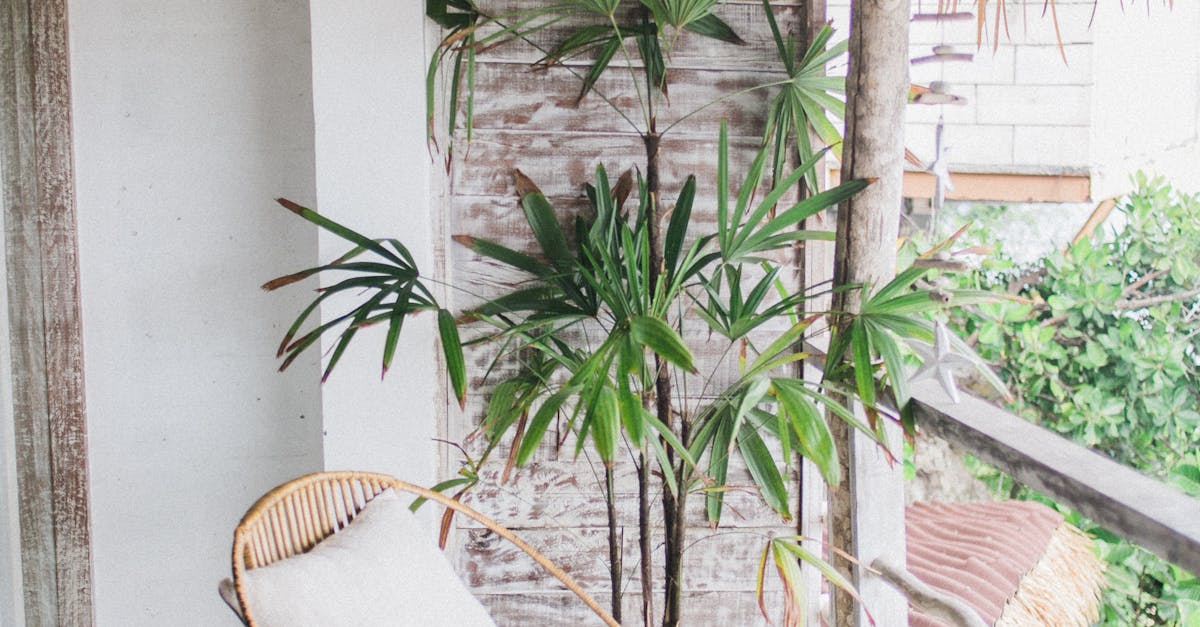
Embrace the Beauty of Winter on Your Balcony: A Guide to Cold-Hardy Plants
As the days grow shorter and the temperatures drop, it’s easy to mourn the loss of your flourishing balcony garden. But what if you could extend the joy of gardening throughout the year? Enter cold-hardy plants – resilient species that thrive in the depths of winter, adding a touch of greenery and beauty to your outdoor space.
This comprehensive guide will delve into the world of cold-hardy plants for balcony gardens. We’ll explore essential considerations for selecting the right plants, showcase a curated list of top performers, and provide expert care tips to ensure their survival during the harshest months. Whether you’re a seasoned gardener or just starting your balcony gardening journey, this guide will empower you to create a vibrant winter oasis that brings cheer and tranquility to your home.
1. Introduction: Embracing Winter Beauty on Your Balcony
Introduction: Embracing Winter Beauty on Your Balcony
As the cold weather approaches and your balcony garden starts to fade, don’t despair! With the right plants, you can extend the beauty and enjoyment of your outdoor space throughout the year. Winter balcony gardening is a unique and rewarding experience, offering a touch of greenery and color during the colder months.
One of the keys to successful winter balcony gardening is choosing plants that are cold-hardy. These resilient species can withstand the rigors of winter, including freezing temperatures, snow, and wind. By selecting cold-hardy plants, you can create a balcony garden that thrives even when the weather outside is frightful.
In this article, we will guide you through the essential considerations for selecting cold-hardy plants for your balcony. We’ll also provide a curated list of top performers and expert care tips to ensure their survival and well-being during the winter months. With a little planning and the right plants, you can create a beautiful and inviting winter balcony garden that will bring you joy and tranquility all season long.
2. Essential Considerations for Cold-Hardy Plants

Essential Considerations for Cold-Hardy Plants
When selecting cold-hardy plants for your balcony, there are several key factors to consider to ensure their survival and well-being during the winter months:
-
USDA Hardiness Zones: The USDA Hardiness Zone Map divides the United States into 13 zones based on average annual minimum temperatures. When choosing cold-hardy plants, it is important to select species that are suited to your specific hardiness zone. This will help ensure that the plants can withstand the coldest temperatures in your area.
-
Exposure to Sunlight: Most cold-hardy plants require full sun to partial shade. However, some plants, such as hellebores and snowdrops, can tolerate more shade. When placing your plants on your balcony, consider the amount of sunlight they will receive and choose plants that are appropriate for the conditions.
-
Wind Protection: Balconies can be exposed to strong winds, which can damage plants and dry them out. If your balcony is particularly windy, you may want to choose plants that are naturally wind-resistant or provide them with some protection, such as a windbreak or trellis.
By considering these factors, you can select cold-hardy plants that are well-suited to your specific balcony conditions. This will help ensure that your plants thrive and bring you joy throughout the winter months.
3. Top Cold-Hardy Plants for Winter Containers
Top Cold-Hardy Plants for Winter Containers
Now that you know what to look for when choosing cold-hardy plants, here is a curated list of some of the best performers for winter balcony gardens:
-
Evergreens: Evergreens, such as boxwood, holly, and pine, provide year-round greenery and structure to your balcony garden. They are available in a variety of shapes and sizes, so you can find the perfect ones to complement your space.
-
Pansies: Pansies are a classic choice for winter balcony gardens. They come in a wide range of colors and bloom reliably even in cold weather.
-
Winterberry Holly: Winterberry holly is a deciduous shrub that produces clusters of bright red berries in the winter. These berries are a beautiful addition to any balcony garden and are also a favorite of birds.
-
Hellebores: Hellebores are shade-tolerant plants that produce beautiful, cup-shaped flowers in the winter. They are also known as the Christmas rose because they often bloom around Christmas time.
-
Snowdrops: Snowdrops are one of the first flowers to bloom in the spring. They are small, white flowers that symbolize hope and new beginnings.
With so many beautiful and cold-hardy plants to choose from, you can create a stunning winter balcony garden that will bring you joy all season long.
4. Winter Care Tips for Cold-Hardy Plants

Winter Care Tips for Cold-Hardy Plants
Once you have selected and planted your cold-hardy plants, it is important to provide them with proper care to ensure their survival and well-being during the winter months. Here are some essential tips:
-
Watering: Cold-hardy plants do not require as much water as they do during the growing season. However, it is important to water them deeply and regularly, especially during periods of dry weather. Avoid overwatering, as this can lead to root rot.
-
Fertilizing: Cold-hardy plants do not need to be fertilized during the winter months. In fact, fertilizing can actually do more harm than good. Wait until spring to fertilize your plants according to the manufacturer’s instructions.
-
Protecting from Frost and Snow: Most cold-hardy plants can tolerate frost and snow. However, if you live in an area with extreme cold, you may want to provide your plants with some protection. You can do this by covering them with a blanket or burlap sack. You can also move them to a sheltered area, such as a garage or shed.
By following these simple tips, you can help your cold-hardy plants survive and thrive during the winter months. With a little care and attention, you can enjoy a beautiful and vibrant balcony garden all year long.
5. Design Inspiration and Companion Planting Ideas
Design Inspiration and Companion Planting Ideas
Now that you have a better understanding of the different types of cold-hardy plants and how to care for them, it’s time to start thinking about the design of your winter balcony garden. Here are a few creative suggestions to help you get started:
-
Create a Vertical Garden: If you have a small balcony, a vertical garden is a great way to save space and add visual interest. You can use hanging baskets, wall-mounted planters, or trellises to create a living wall of greenery and flowers.
-
Use Contrasting Colors and Textures: When choosing plants for your winter balcony garden, consider using contrasting colors and textures to create a visually appealing display. For example, you could pair the dark green foliage of a boxwood with the bright red berries of a winterberry holly.
-
Companion Planting: Companion planting is a technique that involves planting different species of plants together to enhance their growth and aesthetics. For example, planting pansies with violas can help to deter pests.
With a little creativity and planning, you can create a beautiful and inviting winter balcony garden that will bring you joy all season long.
Quiz
1. Which of the following is NOT a key factor to consider when selecting cold-hardy plants for a balcony garden?
(A) USDA Hardiness Zone (B) Exposure to sunlight (C) Soil pH
2. True or False: Cold-hardy plants do not require any watering during the winter months.
(A) True (B) False
3. Which companion planting technique involves planting different species of plants together to enhance their growth and aesthetics?
(A) Vertical gardening (B) Container gardening (C) Companion planting
Answer Key
- C
- B
- C
Unlock the Greenery Potential of Your Balcony: A Guide to Thriving Plants in Compact Spaces Attention all balcony-dwelling plant enthusiasts! Read more
Transform Your Balcony into a Flourishing Garden Oasis: A Step-by-Step Guide Beginning a balcony garden can be a fulfilling endeavor, Read more
Unlocking the Potential of Vertical Gardening on Balconies Are you tired of your cramped balcony but still longing for a Read more
Aromatic Delights: Cultivating Herbs on Your Balcony Oasis Whether you're a seasoned gardener or just starting out, growing herbs on Read more