
The Joys of Balcony Gardening with Kids: Nurturing Young Green Thumbs on Your Urban Oasis

Children have an innate love for nature and a natural curiosity about the world around them. Give your child the gift of watching a seed germinate and grow into an edible, living plant from the comfort of your home with a small-space container garden on your balcony!
Balcony gardening is an excellent kid-friendly activity that has proven educational benefits as well. It teaches children valuable lessons about where our food comes from, the importance of nutritious eating, and it also nurtures their sense of wonder and appreciation for the natural world, while empowering them with life skills such as patience and responsibility. Encourage your child to engage with nature through balcony gardening. It is a unique way to get your kids outside, teach them valuable science lessons, and foster a love for nature, all while creating beautiful and delicious results you can enjoy together.
This article will teach you how to create your balcony garden by showing you: – How to plant with kids. – Growing your own food. – Get creative by reusing or repurposing everyday household items. – Experiment to learn more about botany and biology. – Share in the joy of gardening together.
1. The Magic of Planting Seeds: A Tiny Seed’s Journey to Life
Have you ever wondered how a tiny seed transforms into a thriving plant? It’s a miraculous journey that can ignite curiosity and a passion for nature in children of all ages.
Planting seeds is a simple but rewarding activity that can teach kids about the life cycle of plants, the importance of sunlight, water, and nutrients, and the delicate balance of nature. It’s also a great way to get kids excited about eating healthy foods.
To start your seed-planting adventure, you’ll need a few simple supplies: seeds, soil, pots or containers, and water. You can find all of these items at your local garden center or hardware store. Once you have your supplies, you’re ready to begin!
First, fill your pots or containers with soil. Then, make a small hole in the soil and plant your seeds. Be sure to plant the seeds at the correct depth. The depth will vary depending on the type of seed you are planting. Water the seeds gently and place them in a warm, sunny spot.
In just a few days, you’ll start to see your seeds germinate. This is when the seed coat breaks open and the tiny root and stem of the plant emerge. Once the seedlings have emerged, you’ll need to continue to water them regularly and give them plenty of sunlight.
With a little care and attention, your seedlings will eventually grow into thriving plants. You can then transplant them into larger pots or containers, or even into your garden.
Planting seeds is a great way to teach kids about the wonders of nature. It’s also a fun and rewarding activity that the whole family can enjoy.
Materials and Preparation: Gathering the Essentials
Before you start planting seeds, you’ll need to gather a few essential materials. These include:
- Containers: You can use any type of container for planting seeds, such as pots, trays, or even recycled food containers. Just make sure that the containers have drainage holes in the bottom.
- Soil: You will need to use a potting mix that is specifically designed for seed starting. Potting mix is lighter and more airy than regular garden soil, and it contains nutrients that are essential for seed germination.
- Seeds: You can purchase seeds from your local garden center or hardware store. When choosing seeds, be sure to select varieties that are appropriate for your climate and growing conditions.
Once you have your materials, you’re ready to start preparing your containers for planting. First, fill your containers with potting mix. Then, make a small hole in the soil and plant your seeds. Be sure to plant the seeds at the correct depth. The depth will vary depending on the type of seed you are planting.
Water the seeds gently and place them in a warm, sunny spot. In just a few days, you’ll start to see your seeds germinate. This is when the seed coat breaks open and the tiny root and stem of the plant emerge.
Once the seedlings have emerged, you’ll need to continue to water them regularly and give them plenty of sunlight. With a little care and attention, your seedlings will eventually grow into thriving plants. You can then transplant them into larger pots or containers, or even into your garden.
Here are some additional tips for preparing your containers for planting:
- Make sure that the containers are clean. This will help to prevent the spread of diseases.
- Use a potting mix that is specifically designed for seed starting. Potting mix is lighter and more airy than regular garden soil, and it contains nutrients that are essential for seed germination.
- Plant the seeds at the correct depth. The depth will vary depending on the type of seed you are planting.
- Water the seeds gently and place them in a warm, sunny spot.
Sowing the Seeds: A Delicate Dance with Nature
Once you have your containers and soil prepared, it’s time to sow the seeds. This is a delicate process that requires a gentle touch. Here are a few tips for sowing seeds:
- Handle the seeds carefully. Seeds are very small and delicate, so it’s important to handle them with care. Avoid touching the seeds with your bare hands, as the oils on your skin can damage them.
- Plant the seeds at the correct depth. The depth at which you plant the seeds will vary depending on the type of seed you are planting. Be sure to read the seed packet for instructions on the correct planting depth.
- Space the seeds evenly. When planting seeds, it’s important to space them evenly so that they have enough room to grow. The spacing will vary depending on the type of seed you are planting.
- Water the seeds gently. After you have planted the seeds, water them gently. Avoid overwatering, as this can drown the seeds.
- Place the containers in a warm, sunny spot. Seeds need warmth and sunlight to germinate. Place the containers in a warm, sunny spot and keep them moist.
In just a few days, you’ll start to see your seeds germinate. This is when the seed coat breaks open and the tiny root and stem of the plant emerge. Once the seedlings have emerged, you’ll need to continue to water them regularly and give them plenty of sunlight. With a little care and attention, your seedlings will eventually grow into thriving plants.
Here are some additional tips for sowing seeds:
- If you are planting seeds indoors, you can start them in a seed tray. Seed trays are shallow containers with drainage holes in the bottom. They are a good option for starting seeds because they provide a controlled environment for germination.
- You can also sow seeds directly in the ground. However, it’s important to wait until the soil has warmed up before planting seeds outdoors.
- If you are planting seeds in the ground, be sure to protect them from birds and other animals. You can do this by covering the seeds with a net or screen.
Nurturing the Seedlings: A Test of Patience and Care
Once your seeds have germinated and the seedlings have emerged, it’s important to provide them with the care they need to grow into healthy plants. This includes providing them with water, sunlight, and warmth.
Water: Seedlings need to be watered regularly, but it’s important to avoid overwatering. Overwatering can drown the seedlings and damage their roots. The best way to water seedlings is to water them deeply and then allow the soil to dry out slightly before watering them again. You can check the soil moisture by sticking your finger in the soil. If the soil is dry up to your first knuckle, it’s time to water the seedlings.
Sunlight: Seedlings need plenty of sunlight to grow. If you are growing seedlings indoors, place them in a sunny window. If you are growing seedlings outdoors, make sure to choose a location that receives at least 6 hours of sunlight per day.
Warmth: Seedlings also need warmth to grow. The ideal temperature for most seedlings is between 65 and 75 degrees Fahrenheit. If you are growing seedlings indoors, you may need to provide them with supplemental heat. You can do this by placing them on a heat mat or by using a grow light.
In addition to providing water, sunlight, and warmth, it’s also important to fertilize seedlings regularly. Fertilizing will help the seedlings to grow strong and healthy. You can use a balanced fertilizer that is specifically designed for seedlings.
Nurturing seedlings requires a little bit of patience and care, but it’s a rewarding experience. By providing your seedlings with the care they need, you can help them to grow into healthy and productive plants.
2. Edible Explorations: Growing Fruits and Vegetables on Your Balcony
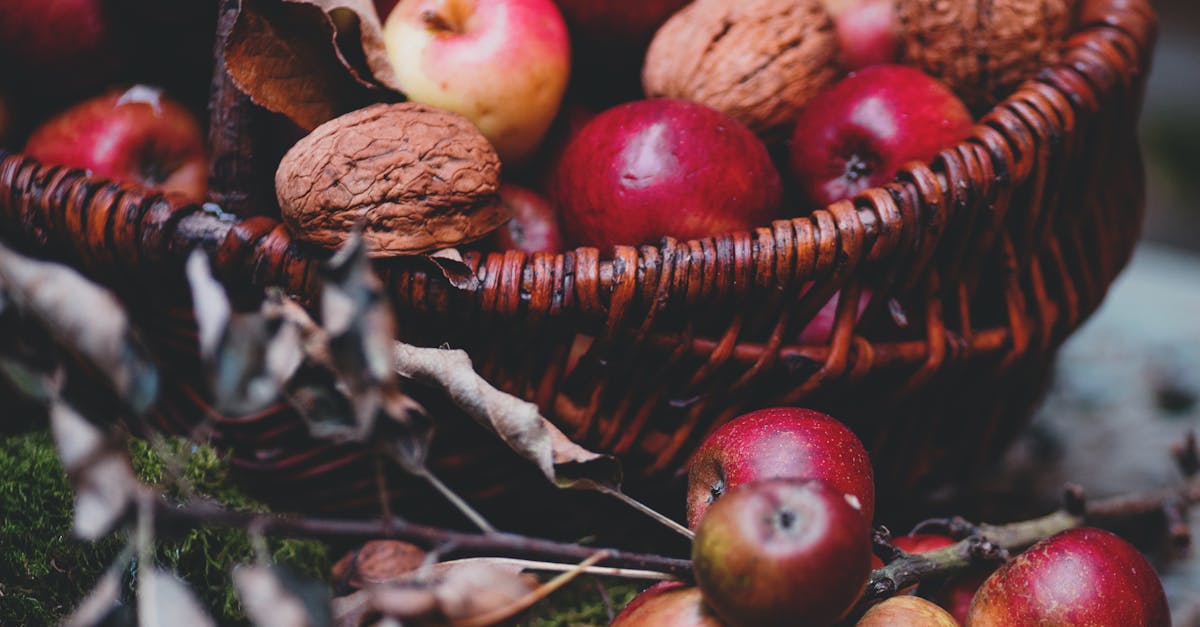
Growing your own food on a balcony is a great way to teach kids about where food comes from and to foster a love for healthy eating. It’s also a fun and rewarding experience that the whole family can enjoy.
There are many different fruits and vegetables that you can grow on a balcony, but some of the easiest and most kid-friendly options include:
- Strawberries: Strawberries are a popular choice for balcony gardens because they are easy to grow and they produce delicious fruit. Strawberries need at least 6 hours of sunlight per day and well-drained soil.
- Tomatoes: Tomatoes are another popular choice for balcony gardens. They come in a variety of sizes and shapes, and they are relatively easy to grow. Tomatoes need at least 6 hours of sunlight per day and well-drained soil.
- Cucumbers: Cucumbers are a refreshing and healthy snack. They are easy to grow and they can be trained to climb a trellis or fence. Cucumbers need at least 6 hours of sunlight per day and well-drained soil.
- Beans: Beans are a good source of protein and they are easy to grow. They come in a variety of varieties, including bush beans and pole beans. Beans need at least 6 hours of sunlight per day and well-drained soil.
- Herbs: Herbs are a great way to add flavor to your food. They are easy to grow and they can be grown in pots or containers. Herbs need at least 4 hours of sunlight per day and well-drained soil.
When choosing fruits and vegetables to grow on your balcony, it’s important to consider the amount of sunlight you have and the size of your balcony. You should also choose fruits and vegetables that you and your family enjoy eating.
Growing your own food on a balcony is a fun and rewarding experience. It’s a great way to teach kids about where food comes from and to foster a love for healthy eating.
Kid-Friendly Vegetable Choices: A Rainbow of Nutrition
When choosing vegetables to grow with kids, it’s important to select varieties that are easy to grow and that kids will enjoy eating. Some good kid-friendly vegetable choices include:
- Cherry tomatoes: Cherry tomatoes are a popular choice for balcony gardens because they are easy to grow and they produce delicious fruit. Cherry tomatoes come in a variety of colors, including red, yellow, and orange. They are a good source of vitamins A and C.
- Strawberries: Strawberries are another popular choice for balcony gardens. They are easy to grow and they produce delicious fruit. Strawberries are a good source of vitamin C and fiber.
- Beans: Beans are a good source of protein and they are easy to grow. They come in a variety of varieties, including bush beans and pole beans. Bush beans are a good choice for small spaces, while pole beans can be trained to climb a trellis or fence. Beans are a good source of protein, fiber, and iron.
- Cucumbers: Cucumbers are a refreshing and healthy snack. They are easy to grow and they can be trained to climb a trellis or fence. Cucumbers are a good source of vitamins A and C, and they are also a good source of potassium.
- Carrots: Carrots are a good source of vitamin A and they are also a good source of fiber. Carrots can be grown in containers or in the ground.
- Peppers: Peppers come in a variety of colors, including green, red, yellow, and orange. They are a good source of vitamins A and C, and they are also a good source of antioxidants. Peppers can be grown in containers or in the ground.
These are just a few of the many different vegetables that you can grow with kids. When choosing vegetables, it’s important to consider the amount of sunlight you have and the size of your balcony. You should also choose vegetables that you and your family enjoy eating.
Vertical Gardening Techniques: Maximizing Space and Creativity
Vertical gardening is a great way to maximize space on a balcony. By growing plants vertically, you can create a visually appealing display and grow more food in a smaller space.
There are many different vertical gardening techniques that you can use, including:
- Trellises: Trellises are a great way to support climbing plants, such as beans, cucumbers, and tomatoes. Trellises can be made from a variety of materials, including wood, metal, and plastic.
- Hanging baskets: Hanging baskets are a great way to grow plants that trail or cascade, such as strawberries, herbs, and flowers. Hanging baskets can be hung from the ceiling or from hooks on the walls of your balcony.
- Wall-mounted planters: Wall-mounted planters are a great way to grow plants on vertical surfaces, such as walls and fences. Wall-mounted planters come in a variety of shapes and sizes, and they can be made from a variety of materials, including plastic, metal, and wood.
When choosing vertical gardening techniques, it’s important to consider the amount of sunlight you have and the size of your balcony. You should also choose plants that are suitable for vertical gardening. Some good choices for vertical gardening include:
- Climbing plants: Climbing plants, such as beans, cucumbers, and tomatoes, are a great choice for vertical gardening because they can be trained to grow up trellises or other vertical supports.
- Trailing plants: Trailing plants, such as strawberries, herbs, and flowers, are a great choice for vertical gardening because they can be grown in hanging baskets or wall-mounted planters.
- Compact plants: Compact plants, such as dwarf tomatoes and peppers, are a good choice for vertical gardening because they don’t require a lot of space.
Vertical gardening is a great way to maximize space on a balcony and create a visually appealing display. By using vertical gardening techniques, you can grow more food in a smaller space and enjoy the beauty of plants on your balcony.
Water Conservation Tips: Wise Water Management for Young Gardeners
Water conservation is an important part of gardening, especially in areas where water is scarce. By teaching kids about water conservation, you can help them to develop responsible watering habits and nurture their environmental stewardship.
Here are a few water conservation tips that you can teach your kids:
- Water deeply and infrequently. Watering deeply and infrequently encourages plants to develop deep roots, which makes them more drought-tolerant. Water your plants at the base of the plant, avoiding the leaves.
- Use mulch. Mulch helps to retain moisture in the soil, reducing the need for watering. Mulch can be made from a variety of materials, such as straw, leaves, and compost.
- Water in the morning or evening. Watering in the morning or evening helps to reduce evaporation.
- Collect rainwater. Rainwater can be collected in a rain barrel or other container. Rainwater is a great way to water plants because it is free and it is naturally soft.
- Use a watering can or hose with a nozzle. Watering cans and hoses with nozzles help to control the flow of water, reducing waste. Avoid using sprinklers, as they can waste a lot of water.
By teaching your kids these water conservation tips, you can help them to develop responsible watering habits and nurture their environmental stewardship.
3. Nature’s Workshop: DIY Projects and Creative Explorations
In addition to growing food, you can also use your balcony as a creative haven for nature-inspired projects. Here are a few ideas to get you started:
- Seed paper pals: Seed paper is a great way to add a personal touch to seed planting. To make seed paper, simply mix together recycled paper pulp, water, and seeds. You can then shape the seed paper into any shape you like and let it dry. Once the seed paper is dry, you can plant it in soil and watch it grow.
- DIY bird feeders: Bird feeders are a great way to attract birds to your balcony. To make a DIY bird feeder, simply upcycle an old container, such as a plastic bottle or a milk carton. You can then decorate the bird feeder with paint or markers and fill it with birdseed.
- Nature scavenger hunt: A nature scavenger hunt is a great way to get kids exploring their balcony and learning about the different plants and animals that live there. To create a nature scavenger hunt, simply write down a list of items that can be found on your balcony. You can then give the list to your kids and have them search for the items.
These are just a few ideas for nature-inspired projects that you can do on your balcony. By getting kids involved in these projects, you can help them to develop their creativity, their imagination, and their connection with nature.
Seed Paper Pals: A Personalized Touch to Seed Planting
Seed paper is a great way to add a personal touch to seed planting. It’s also a fun and easy project that you can do with kids. Seed paper is made from recycled paper pulp, water, and seeds. You can then shape the seed paper into any shape you like and let it dry. Once the seed paper is dry, you can plant it in soil and watch it grow.
To make seed paper, you will need:
- Recycled paper (newspapers, magazines, junk mail, etc.)
- Water
- Seeds
- A blender
- A mold or cookie cutter (optional)
Instructions:
-
Tear the recycled paper into small pieces and place them in the blender. Add water to the blender and blend until the paper is a smooth pulp.
-
Add the seeds to the blender and blend until they are evenly distributed. If you are using a mold or cookie cutter, you can shape the seed paper into any shape you like. If you are not using a mold or cookie cutter, you can simply spread the seed paper out on a flat surface and let it dry.
-
Let the seed paper dry completely. Once the seed paper is dry, you can plant it in soil and watch it grow.
Seed paper is a great way to add a personal touch to seed planting. It’s also a fun and easy project that you can do with kids. You can use seed paper to grow flowers, herbs, or vegetables. Seed paper is also a great way to encourage seed dispersal. When the seed paper is planted, the seeds will disperse and grow new plants.
DIY Bird Feeders: A Window into Wildlife
DIY bird feeders are a great way to attract feathered friends to your balcony and foster an appreciation for local wildlife. You can make bird feeders from a variety of recycled materials, such as plastic bottles, milk cartons, and cardboard boxes.
To make a simple bird feeder from a plastic bottle, you will need:
- A clean plastic bottle
- A sharp knife
- A wooden spoon or stick
- Birdseed
Instructions:
-
Cut the bottom off of the plastic bottle.
-
Use the sharp knife to cut a hole in the side of the bottle, about 2 inches from the bottom.
-
Insert the wooden spoon or stick into the hole and secure it with glue or tape.
-
Fill the bottle with birdseed and hang it from a tree branch or hook on your balcony.
You can also make bird feeders from milk cartons and cardboard boxes. To make a bird feeder from a milk carton, simply cut a hole in the side of the carton and fill it with birdseed. You can then hang the milk carton from a tree branch or hook on your balcony. To make a bird feeder from a cardboard box, simply cut a hole in the side of the box and fill it with birdseed. You can then place the cardboard box on a flat surface on your balcony.
DIY bird feeders are a great way to attract birds to your balcony and foster an appreciation for local wildlife. You can make bird feeders from a variety of recycled materials, and they are a fun and easy project that you can do with kids.
Nature Scavenger Hunt: An Adventurous Discovery
A nature scavenger hunt is a fun and educational way to get kids exploring their surroundings and learning about the different plants and insects that live there. You can organize a nature scavenger hunt on your balcony, using it as a microcosm to explore the diversity of life.
To organize a nature scavenger hunt, you will need to:
-
Create a list of items to find. The items on your list should be things that are commonly found on balconies, such as different types of plants, insects, and birds.
-
Give the list to your kids and have them search for the items. You can set a time limit for the scavenger hunt or let your kids search at their own pace.
-
Once your kids have found all of the items on the list, they can report back to you and you can discuss what they found. You can use this as an opportunity to teach your kids about the different plants and insects that live on your balcony.
A nature scavenger hunt is a great way to get kids exploring their surroundings and learning about the different plants and insects that live there. It is also a fun and easy activity that you can do with kids of all ages.
4. The Science Behind the Green: Understanding Plant Life for Curious Minds
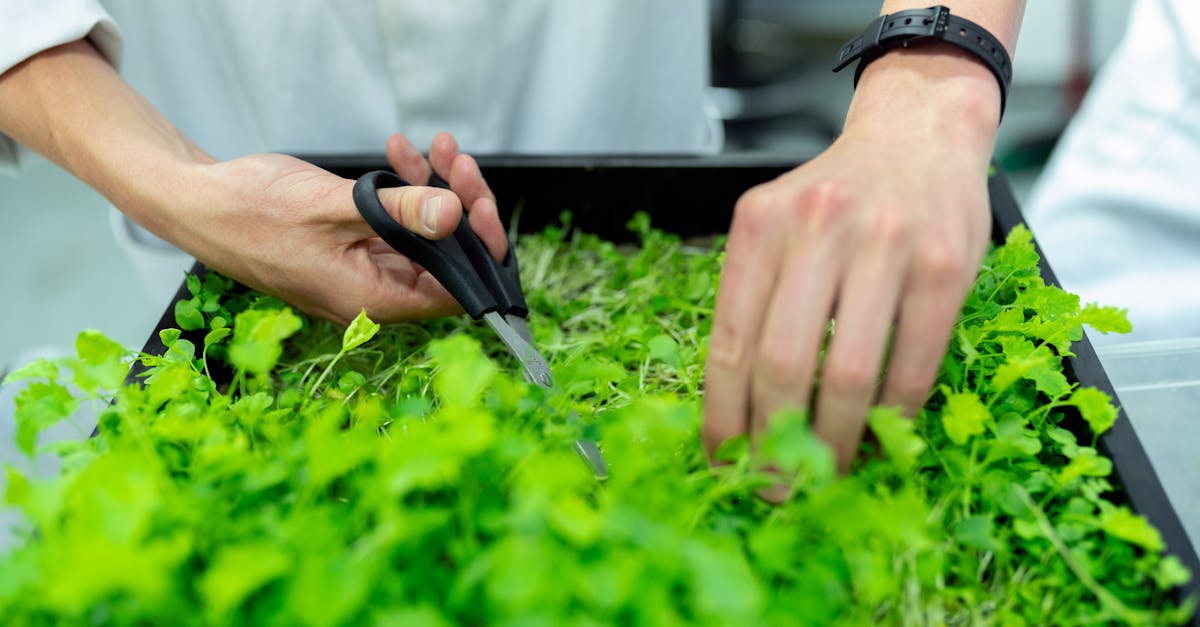
The world of plants is fascinating and complex, and it can be a great way to engage young minds and foster critical thinking skills. Here are a few simple experiments that you can do with your kids to help them learn about the science behind the green:
Experiment 1: How do plants use sunlight to make food?
Materials:
- Two identical plants
- A cardboard box
- Aluminum foil
Instructions:
-
Place one of the plants in a sunny spot and the other plant in a dark spot.
-
Cover the leaves of the plant in the dark spot with aluminum foil.
-
Wait a few days and observe the two plants.
Expected results:
The plant in the sunny spot will grow and thrive, while the plant in the dark spot will wilt and die. Sunlight is essential for photosynthesis, the process by which plants use sunlight to make food.
Experiment 2: How do plants absorb water?
Materials:
- A clear glass
- A plant with a long stem
- Water
- Food coloring
Instructions:
-
Fill the glass with water and add a few drops of food coloring.
-
Place the stem of the plant in the water.
-
Observe the plant over the next few hours.
Expected results:
The water will travel up the stem of the plant and the leaves will turn the color of the food coloring. This is because plants absorb water through their roots and transport it throughout the plant.
Experiment 3: How do plants grow?
Materials:
- A bean seed
- A pot of soil
- Water
Instructions:
-
Plant the bean seed in the pot of soil.
-
Water the seed and place it in a sunny spot.
-
Observe the plant over the next few weeks.
Expected results:
The bean seed will germinate and grow into a plant. This is because plants contain all of the nutrients they need to grow and reproduce.
Plant Anatomy 101: A Peek into the Inner Workings
Plants are amazing organisms that provide us with food, oxygen, and other essential resources. But what are the different parts of a plant and what do they do? Here is a quick overview of plant anatomy:
Roots: Roots are the underground part of the plant that anchor it in the soil and absorb water and nutrients from the ground. Roots also store food for the plant.
Stem: The stem is the main structural support of the plant. It transports water and nutrients from the roots to the leaves and flowers. The stem also helps to support the leaves and flowers.
Leaves: Leaves are the primary site of photosynthesis, the process by which plants use sunlight to convert carbon dioxide and water into glucose and oxygen. Leaves also release water vapor into the atmosphere through a process called transpiration.
Flowers: Flowers are the reproductive organs of plants. They produce pollen and ovules, which are necessary for fertilization and seed production.
Fruits: Fruits are the mature ovaries of flowering plants. They contain seeds and are dispersed by animals, wind, or water.
Seeds: Seeds are the embryonic plants of flowering plants. They contain the genetic material necessary for the growth of a new plant.
This is just a brief overview of plant anatomy. There are many other important parts of a plant, such as the vascular system, the meristems, and the trichomes. Each part of the plant plays a vital role in the plant’s growth and survival.
Photosynthesis Unraveled: The Secret of Plant Energy
Photosynthesis is the process by which plants use sunlight to convert carbon dioxide and water into glucose and oxygen. Glucose is a sugar that plants use for energy, and oxygen is a waste product of photosynthesis. Photosynthesis is essential for plant growth and the entire food chain.
The first step in photosynthesis is the absorption of light energy by chlorophyll, a green pigment found in plant cells. This light energy is then used to split water molecules into hydrogen and oxygen. The hydrogen is then used to convert carbon dioxide into glucose, and the oxygen is released into the atmosphere.
Photosynthesis is a complex process, but it can be summarized by the following equation:
6CO2 + 6H2O + light energy → C6H12O6 + 6O2
This equation shows that six molecules of carbon dioxide, six molecules of water, and light energy are used to produce one molecule of glucose and six molecules of oxygen. Photosynthesis can also occur in the stems, roots, and fruits of plants, however it is most common in leaves.
Photosynthesis is essential for life on Earth. It provides the oxygen that we breathe and the food that we eat. Without photosynthesis, plants would not be able to grow, and the entire food chain would collapse.
Experiment Time: Testing Plant Variables
One of the best ways to learn about plant growth is to conduct simple experiments. Here are a few ideas for experiments that you can do with your kids:
Experiment 1: How does sunlight affect plant growth?
Materials:
- Two identical plants
- A cardboard box
- Aluminum foil
Instructions:
-
Place one of the plants in a sunny spot and the other plant in a dark spot.
-
Cover the leaves of the plant in the dark spot with aluminum foil.
-
Wait a few days and observe the two plants.
Expected results:
The plant in the sunny spot will grow and thrive, while the plant in the dark spot will wilt and die. Sunlight is essential for photosynthesis, the process by which plants use sunlight to make food.
Experiment 2: How does water affect plant growth?
Materials:
- Three identical plants
- Three pots of soil
- Water
Instructions:
-
Plant one of the plants in each pot of soil.
-
Water one of the plants regularly, water the second plant sparingly, and do not water the third plant at all.
-
Observe the three plants over the next few weeks.
Expected results:
The plant that is watered regularly will grow and thrive, while the other two plants will wilt and die. Water is essential for plant growth.
Experiment 3: How do nutrients affect plant growth?
Materials:
- Three identical plants
- Three pots of soil
- Fertilizer
Instructions:
-
Plant one of the plants in each pot of soil.
-
Fertilize one of the plants regularly, fertilize the second plant sparingly, and do not fertilize the third plant at all.
-
Observe the three plants over the next few weeks.
Expected results:
The plant that is fertilized regularly will grow and thrive, while the other two plants will show signs of nutrient deficiency. Nutrients are essential for plant growth.
Balcony gardening is a great way to bond with your children and create lasting memories. It can also teach them valuable lessons about nature, science, and responsibility. Here are a few of the social and emotional benefits of balcony gardening:
-
Shared experiences: Gardening is a great way to spend time together as a family. You can work together to plant seeds, water plants, and harvest vegetables. These shared experiences can help to create lasting memories and strengthen your family bond.
-
Learning opportunities: Balcony gardening can be a great way to teach your children about nature and science. They can learn about the different parts of a plant, how plants grow, and the importance of sunlight and water. You can also use gardening as an opportunity to teach your children about the food chain and the importance of healthy eating.
-
Responsibility: Gardening can teach children about the importance of responsibility. They can learn how to care for plants and how to nurture them so that they can grow and thrive. This can help them to develop a sense of accomplishment and pride.
-
Sensory exploration: Gardening can be a great way for children to explore their senses. They can touch the soil, smell the flowers, and taste the fruits and vegetables that they grow. This can help them to develop their sensory awareness and their appreciation for the natural world.
Balcony gardening is a great way to bond with your children, teach them valuable lessons, and create lasting memories.
Family Time in the Green Oasis
A balcony garden can be a great way to create a shared space where everyone in the family can contribute and enjoy quality time together. Here are a few ideas for how to make the most of your balcony garden as a family:
-
Assign tasks: Give each family member a specific task in the garden, such as watering the plants, weeding, or harvesting the vegetables. This will help to teach children about responsibility and cooperation.
-
Make it a family project: Work together as a family to plant seeds, build raised beds, or create a compost bin. These shared experiences can help to strengthen your family bond and create lasting memories.
-
Have regular family meals in the garden: If your balcony is large enough, set up a small table and chairs and enjoy family meals in the garden. This is a great way to connect with each other and enjoy the fruits of your labor.
-
Use the garden as a teaching tool: Teach your children about nature, science, and healthy eating while you’re gardening together. You can use the garden to demonstrate the life cycle of plants, the importance of pollinators, and the benefits of eating fresh fruits and vegetables.
A balcony garden can be a great way to create a shared space where everyone in the family can contribute and enjoy quality time together. It can also be a great way to teach children about nature, science, and healthy eating.
Harvesting the Rewards: A Sense of Accomplishment
Harvesting the fruits of your labor is one of the most rewarding parts of gardening. When you harvest vegetables or fruits that you have grown yourself, you can feel a sense of accomplishment and pride. This is especially true for children. When children are involved in the gardening process, from planting the seeds to harvesting the vegetables, they develop a sense of ownership and pride in their work.
Here are a few tips for celebrating successful harvests with your children:
-
Make it a family event: Harvest time is a great opportunity to get the whole family involved. Everyone can help to pick the vegetables or fruits, and then you can all enjoy them together.
-
Take pictures: Take pictures of your children harvesting the vegetables or fruits. These pictures will be a great reminder of their accomplishment and pride.
-
Cook a meal together: Use the vegetables or fruits that you have harvested to cook a meal together. This is a great way to show your children how their hard work has paid off.
-
Talk about the importance of healthy eating: When you are harvesting vegetables or fruits with your children, talk to them about the importance of healthy eating. Explain how the vegetables or fruits that you are harvesting are good for their bodies.
Harvesting the rewards of your labor is a great way to instill a sense of accomplishment and pride in children. It is also a great way to teach them about the importance of healthy eating.
Life Lessons from the Balcony Garden
Gardening is a great way to teach children about patience, responsibility, and the interconnectedness of nature. When children are involved in the gardening process, they learn about the importance of nurturing and caring for living things. They also learn about the natural cycles of life and the delicate balance of the ecosystem.
Here are a few of the life lessons that children can learn from gardening:
-
Patience: Gardening teaches children the importance of patience. They learn that it takes time for seeds to germinate and for plants to grow. They also learn that there will be setbacks along the way, such as pests or bad weather. However, if they are patient and persistent, they will eventually be rewarded with a successful harvest.
-
Responsibility: Gardening teaches children the importance of responsibility. They learn that they are responsible for caring for the plants in their garden. They need to water them, fertilize them, and protect them from pests. When children take responsibility for their plants, they develop a sense of pride and accomplishment.
-
The interconnectedness of nature: Gardening teaches children about the interconnectedness of nature. They learn that plants, animals, and insects are all part of a complex ecosystem. They also learn that the health of the environment is important for the health of all living things.
Gardening is a great way for children to learn about the world around them and to develop important life skills. It is also a fun and rewarding activity that the whole family can enjoy.
Quiz
- True or False: Gardening is a great way to teach children about patience.
- True or False: Balcony gardening can help families create lasting memories.
- Multiple Choice: What is an important life lesson that children can learn from gardening? (a) Responsibility (b) The interconnectedness of nature (c) All of the above
Answer Key
- True
- True
- (c) All of the above
Answer Key
- True
- True
- (c) All of the above
Unlock the Greenery Potential of Your Balcony: A Guide to Thriving Plants in Compact Spaces Attention all balcony-dwelling plant enthusiasts! Read more
Transform Your Balcony into a Flourishing Garden Oasis: A Step-by-Step Guide Beginning a balcony garden can be a fulfilling endeavor, Read more
Unlocking the Potential of Vertical Gardening on Balconies Are you tired of your cramped balcony but still longing for a Read more
Aromatic Delights: Cultivating Herbs on Your Balcony Oasis Whether you're a seasoned gardener or just starting out, growing herbs on Read more