
Transform Your Balcony into a Succulent Sanctuary: A Comprehensive Guide to Thriving Balcony Succulent Gardens
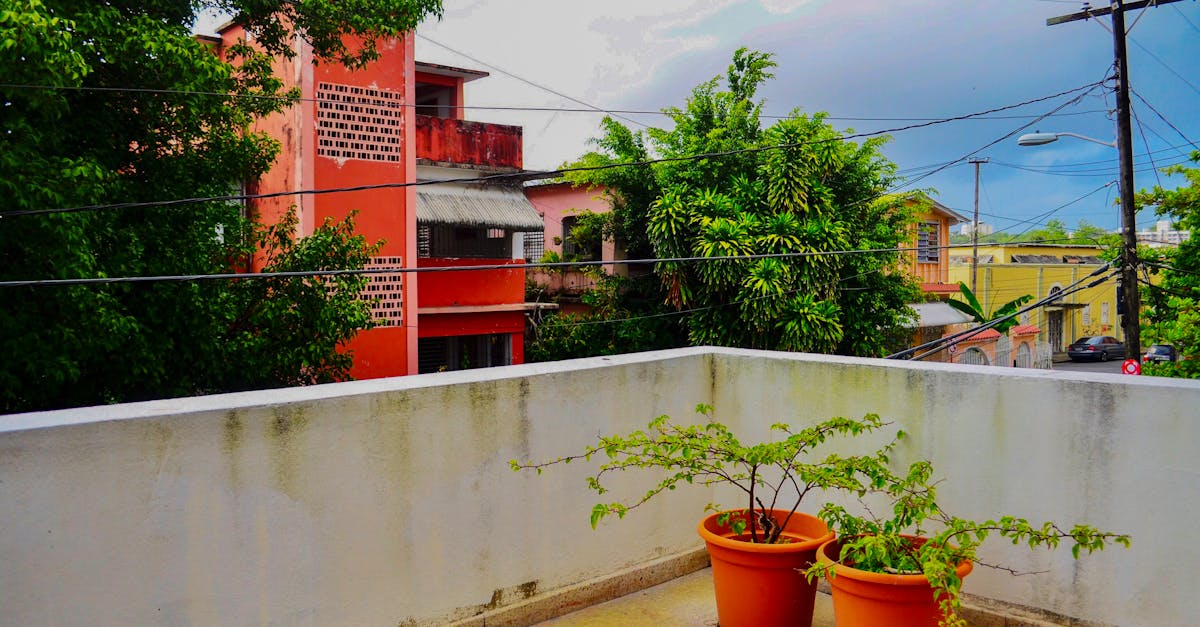
From the bustling streets to tranquil escapes, urban balconies have emerged as cozy havens for horticultural enthusiasts. Among the diverse flora that thrives on these aerial oases, succulents stand out as a captivating choice. Their resilience, aesthetic allure, and minimal care requirements make them perfect candidates for balcony gardens, transforming concrete balconies into vibrant, mini sanctuaries.
Balcony succulent gardening offers a myriad of benefits that enhance both your environment and well-being. Vertical gardens, hanging baskets, and mounted planters optimize space, enabling you to cultivate a lush tapestry of nature amid the urban landscape. Succulents’ low-maintenance nature frees up your time to relish the beauty they bring, fostering a sense of relaxation and tranquility amidst the hustle and bustle of city life. Furthermore, their air purifying qualities contribute to a healthier indoor environment, bringing a breath of fresh air to your urban retreat.
Embarking on a balcony succulent adventure requires careful consideration to ensure your plants flourish in their elevated habitat. Sunlight exposure, drainage, and container selection are crucial factors to consider. Access to adequate sunlight is paramount, as many succulents thrive in bright, indirect light. Drainage holes in containers are essential to prevent waterlogging and root rot, while choosing the right container size and material ensures optimal root development and plant health. By understanding these important factors and tailoring your care to your balcony’s specific conditions, you can create a thriving succulent oasis that will delight your senses and bring a touch of nature to your urban haven.
1. Introduction to Balcony Succulent Gardening
Introduction to Balcony Succulent Gardening: Discover the benefits and considerations of balcony gardening with succulents, including space optimization and low-maintenance care.
Balcony succulent gardening has gained immense popularity among urban dwellers seeking to bring a touch of nature into their living spaces. Succulents, with their remarkable adaptability and low-maintenance requirements, are ideal candidates for balcony gardens, offering a myriad of benefits that enhance both the aesthetics and functionality of these outdoor havens.
One of the primary advantages of balcony succulent gardening is space optimization. Succulents are typically compact plants, making them perfect for small balconies where space is at a premium. Vertical gardens, hanging baskets, and mounted planters are creative ways to maximize vertical space, allowing you to cultivate a lush tapestry of succulents without cluttering your balcony. These vertical arrangements not only save space but also create a captivating visual display, transforming your balcony into a green oasis.
Succulents are renowned for their resilience and low-maintenance nature, making them an ideal choice for busy individuals or those new to gardening. Their water-storing capabilities allow them to withstand periods of neglect, making them perfect for those with limited time for plant care. Additionally, succulents generally have low nutrient requirements and do not require frequent fertilization, further reducing the maintenance burden. Their adaptability to various light conditions makes them suitable for balconies with different sun exposures, allowing you to enjoy a thriving succulent garden regardless of your balcony’s orientation.
Benefits of Balcony Succulent Gardening
Benefits of Balcony Succulent Gardening: Explore the advantages of succulent balcony gardens, such as space utilization, aesthetic appeal, and air purification.
-
Space Utilization: Succulents are generally compact plants, making them ideal for balconies where space is limited. Vertical gardens, hanging baskets, and mounted planters are creative ways to maximize vertical space, allowing you to cultivate a lush tapestry of succulents without cluttering your balcony. These vertical arrangements not only save space but also create a captivating visual display, transforming your balcony into a green oasis.
-
Aesthetic Appeal: Succulents come in a wide range of shapes, sizes, and colors, offering endless possibilities for creating visually stunning displays. Their unique textures and hues add depth and interest to your balcony, creating a vibrant and inviting outdoor space. Succulent gardens can be tailored to your personal style, whether you prefer a minimalist approach with clean lines and monochromatic tones or a more eclectic look with a mix of colors and textures.
-
Air Purification: Succulents have the ability to absorb pollutants from the air, contributing to a healthier environment on your balcony. Studies have shown that certain succulent species, such as Aloe vera and Snake plants, are effective in removing toxins like formaldehyde and benzene from the air. By incorporating succulents into your balcony garden, you can improve the air quality in your outdoor space, creating a more refreshing and invigorating atmosphere.
Considerations for Balcony Succulent Gardening
Considerations for Balcony Succulent Gardening: Identify factors to consider before starting a balcony succulent garden, such as sunlight exposure, drainage, and container selection.
-
Sunlight Exposure: Sunlight is essential for succulent growth and development. Determine the amount of sunlight your balcony receives throughout the day. Most succulents prefer bright, indirect light, but some varieties can tolerate full sun or partial shade. Consider the orientation of your balcony and the surrounding buildings or structures that may cast shade. If your balcony does not receive sufficient sunlight, you may need to supplement with grow lights to ensure your succulents thrive.
-
Drainage: Proper drainage is crucial to prevent root rot and other issues. Choose containers with drainage holes to allow excess water to escape. If using pots without drainage holes, line the bottom with a layer of pebbles or gravel to create a drainage layer. Additionally, avoid overwatering your succulents, as this can lead to waterlogged soil and root damage.
-
Container Selection: The type of container you choose will impact the health and appearance of your succulent garden. Consider the size, material, and style of the containers. Terracotta pots are a popular choice as they are porous and allow for good drainage. Plastic pots are lightweight and durable, but they may not provide as much breathability as terracotta. Consider the overall aesthetic of your balcony and choose containers that complement the style and décor.
2. Choosing the Right Succulents for Your Balcony
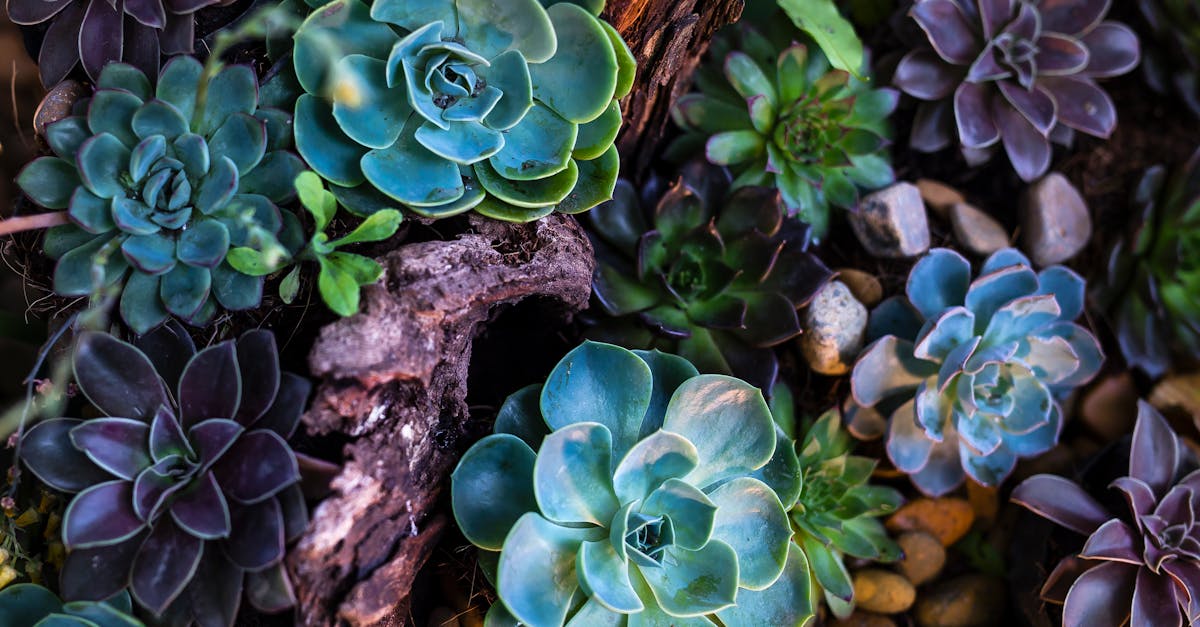
Choosing the Right Succulents for Your Balcony: Learn the characteristics of different succulent varieties and select the most suitable options for your balcony conditions.
With a vast array of succulent species available, choosing the right ones for your balcony garden is essential. Consider factors such as sunlight exposure, temperature, and maintenance requirements to ensure your succulents thrive in their elevated environment.
When selecting succulents, consider their sunlight requirements. Some varieties, like Sedum and Echeveria, prefer full sun, while others, such as Haworthia and Gasteria, can tolerate partial shade. If your balcony receives limited sunlight, opt for shade-tolerant species to ensure their health and growth. Additionally, research the temperature tolerance of different succulents, as some may be more susceptible to extreme heat or cold depending on your geographic location.
Maintenance requirements are another crucial consideration. Some succulents, like Aloe vera and Crassula ovata, are relatively low-maintenance and can withstand neglect, making them ideal for busy individuals. Others, like Lithops and Conophytum, require more specialized care and may not be suitable for beginners. Choose succulents that align with your lifestyle and care preferences to ensure a thriving balcony garden.
Types of Succulents for Balcony Gardens
Types of Succulents for Balcony Gardens: Explore popular succulent varieties suitable for balcony environments, including drought-tolerant species, sun-loving varieties, and hanging succulents.
Drought-tolerant succulents are ideal for those who may forget to water their plants regularly or live in arid climates. Some popular drought-tolerant succulent varieties for balconies include: – Sedum: With over 600 species, Sedum offers a wide range of drought-tolerant options, including the popular Sedum morganianum (Burro’s Tail) and Sedum rubrotinctum (Pork and Beans). – Echeveria: Known for their beautiful rosettes, Echeveria varieties such as Echeveria elegans and Echeveria derenbergii are relatively low-maintenance and can tolerate periods of drought. – Crassula: The Crassula genus includes many drought-tolerant species, such as the well-known Crassula ovata (Jade Plant) and Crassula perforata (String of Buttons).
Sun-loving succulents thrive in bright sunlight and are perfect for balconies with ample sun exposure. Some popular sun-loving succulent varieties include: – Aeonium: Aeoniums, such as Aeonium arboreum (Tree Aeonium) and Aeonium haworthii, are architectural succulents that prefer full sun and can tolerate some drought. – Aloe: Aloe vera is a well-known succulent that thrives in sunny conditions and has medicinal properties. – Opuntia: Opuntia species, such as Opuntia microdasys (Bunny Ears Cactus) and Opuntia ficus-indica (Prickly Pear Cactus), are sun-loving succulents that add a unique touch to balcony gardens.
Hanging succulents are perfect for adding a touch of greenery to balconies with limited space. Some popular hanging succulent varieties include: – Senecio rowleyanus (String of Pearls): This trailing succulent with pearl-like leaves is a popular choice for hanging baskets. – Sedum morganianum (Burro’s Tail): With its cascading stems and plump leaves, Sedum morganianum is an attractive hanging succulent. – Dischidia nummularia (String of Nickels): This unique succulent has round, coin-shaped leaves and trailing stems, making it a charming addition to hanging planters.
Matching Succulents to Balcony Conditions
Matching Succulents to Balcony Conditions: Determine the specific needs of succulents related to sunlight, water, and temperature, and choose varieties that align with your balcony’s conditions.
Sunlight: Sunlight is crucial for succulent growth and development. Different succulent species have varying sunlight requirements, so it’s important to choose varieties that align with the amount of sunlight your balcony receives. Some succulents, like Sedum and Echeveria, prefer full sun, while others, such as Haworthia and Gasteria, can tolerate partial shade. If your balcony receives limited sunlight, opt for shade-tolerant species to ensure their health and growth.
Water: Succulents are known for their drought tolerance, but they still require regular watering to thrive. The frequency of watering will depend on factors such as the type of succulent, the size of the container, and the climate. Generally, succulents should be watered when the soil is completely dry to the touch. Overwatering can lead to root rot and other issues, so it’s always better to err on the side of underwatering.
Temperature: Succulents prefer warm, dry climates, but they can tolerate a range of temperatures. Some succulents, like Aloe vera and Crassula ovata, can withstand cold temperatures, while others, like Echeveria and Sedum, may struggle in freezing conditions. If you live in an area with extreme temperatures, choose succulents that are adapted to your climate or take measures to protect them from extreme heat or cold.
3. Essential Care Techniques for Balcony Succulents
Essential Care Techniques for Balcony Succulents: Master the art of succulent care on your balcony through proper watering, fertilization, and pest management.
Watering: Succulents store water in their leaves, stems, and roots, making them drought-tolerant plants. However, they still require regular watering to thrive. The key to watering succulents is to allow the soil to dry out completely between waterings. Overwatering is one of the most common mistakes succulent owners make, as it can lead to root rot and other issues. When watering, soak the soil thoroughly and then allow all excess water to drain out. Avoid getting water on the leaves, as this can encourage fungal growth.
Fertilization: Succulents generally do not require a lot of fertilizer, but occasional fertilization can help them grow healthy and strong. Use a balanced, diluted fertilizer specifically designed for succulents. Fertilize your succulents during the growing season (spring and summer) and avoid fertilizing during the winter months when they are dormant.
Pest Management: Succulents are generally not prone to pests, but they can occasionally be affected by mealybugs, aphids, and scale insects. If you notice any pests on your succulents, treat them immediately to prevent the infestation from spreading. There are various methods for controlling pests, including insecticidal soap, neem oil, and systemic insecticides. Always follow the manufacturer’s instructions when using any pest control products.
Watering Techniques for Succulents on Balconies
**Watering Techniques for Succulents on Balconies: Learn the principles of succulent watering, including the
Fertilizing Succulents in Balcony Gardens
Fertilizing Succulents in Balcony Gardens: Understand the need for fertilization, select appropriate fertilizers, and determine the optimal frequency and application methods for succulents on balconies.
Fertilizing succulents is not essential, but it can help them grow healthy and strong, especially if they are grown in containers with limited nutrients. When choosing a fertilizer for succulents, it is important to select one that is specifically designed for cacti and succulents. These fertilizers are typically low in nitrogen and high in phosphorus and potassium, which are essential nutrients for succulent growth.
The frequency of fertilization will vary depending on the type of succulent, the size of the pot, and the climate. Generally, succulents should be fertilized once a month during the growing season (spring and summer). Avoid fertilizing during the winter months when succulents are dormant.
When applying fertilizer, it is important to follow the manufacturer’s instructions. Over-fertilizing can damage succulents, so it is always better to err on the side of caution. One way to apply fertilizer is to mix it with water and then water the succulents as usual. Another method is to sprinkle the fertilizer around the base of the succulents and then water them in. Be sure to avoid getting fertilizer on the leaves of the succulents, as this can burn them.
Pest and Disease Management for Balcony Succulents
Pest and Disease Management for Balcony Succulents: Identify common pests and diseases that affect succulents, learn preventative measures, and implement effective treatment strategies to ensure plant health.
Succulents are generally low-maintenance plants, but they can be susceptible to pests and diseases, especially if they are stressed due to improper care. Some of the most common pests that affect succulents include mealybugs, aphids, and scale insects. These pests can suck the sap from succulents, causing them to weaken and become stunted. Common diseases that affect succulents include root rot, stem rot, and powdery mildew. These diseases can be caused by overwatering, poor drainage, or fungal infections.
To prevent pests and diseases from damaging your succulents, it is important to provide them with proper care. This includes watering them correctly, providing them with adequate sunlight and drainage, and avoiding over-fertilizing. It is also important to inspect your succulents regularly for signs of pests or diseases. If you do find any pests or diseases, it is important to treat them promptly to prevent them from spreading.
There are a variety of methods that can be used to control pests and diseases on succulents. Some common methods include:
-
Insecticidal soap: Insecticidal soap is a natural pesticide that can be used to control pests such as mealybugs, aphids, and scale insects. To use insecticidal soap, mix it with water according to the manufacturer’s instructions and then spray it on the affected succulents.
-
Neem oil: Neem oil is a natural fungicide and insecticide that can be used to control a variety of pests and diseases. To use neem oil, mix it with water according to the manufacturer’s instructions and then spray it on the affected succulents.
-
Chemical pesticides: Chemical pesticides should only be used as a last resort, as they can be harmful to humans and the environment. If you do decide to use chemical pesticides, be sure to follow the manufacturer’s instructions carefully.
4. Troubleshooting Common Problems in Balcony Succulent Gardening
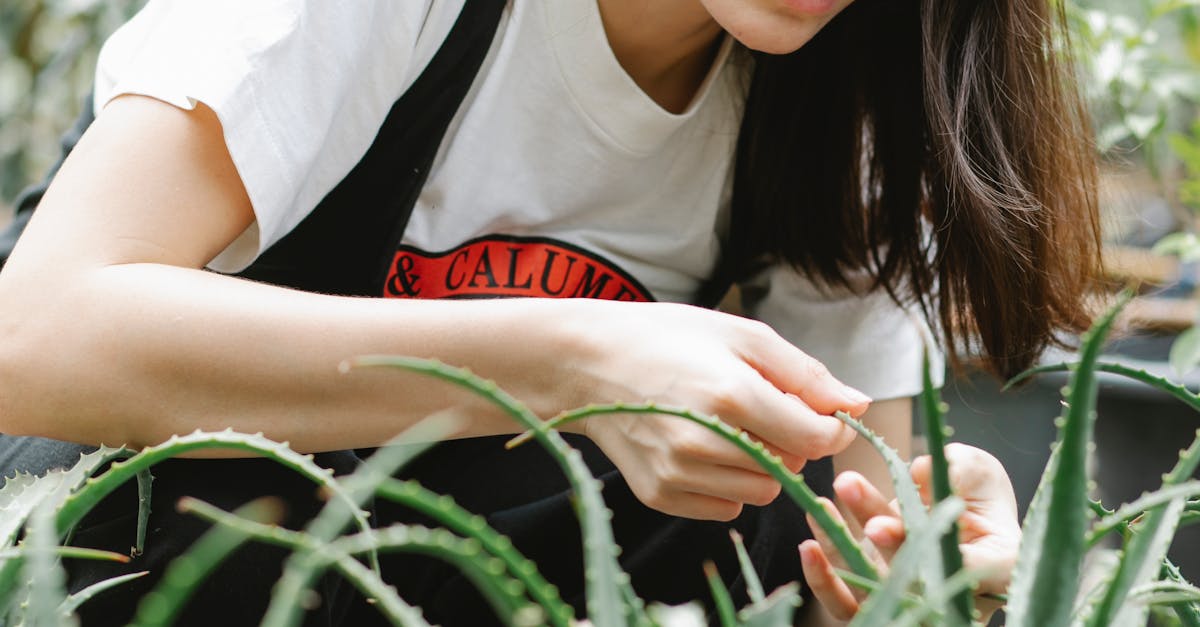
Troubleshooting Common Problems in Balcony Succulent Gardening: Diagnose and resolve issues commonly encountered in balcony succulent gardens, maintaining the health and beauty of your plants.
Despite their resilience, succulent gardens on balconies can encounter issues that affect plant health and aesthetics. Timely identification and resolution of these problems are crucial to maintain thriving and visually appealing balcony succulent gardens.
Overwatering: Succulents store water in their leaves, stems, and roots, making them susceptible to overwatering. Symptoms of overwatering include mushy or translucent leaves, yellowing or browning leaves, and stem rot. To remedy overwatering, reduce the frequency and amount of watering, allowing the soil to dry out completely between waterings. Avoid using pots without drainage holes, as excess water can accumulate at the bottom, leading to root rot.
Underwatering: While succulents are drought-tolerant, prolonged underwatering can also cause problems. Signs of underwatering include wrinkled or deflated leaves, dry and crispy leaves, and stunted growth. To correct underwatering, water the succulents deeply, allowing the water to reach the roots. Gradually increase the frequency of watering, but avoid overwatering.
Identifying Overwatering and Underwatering in Succulents
Identifying Overwatering and Underwatering in Succulents: Recognize the symptoms of overwatering and underwatering, and implement appropriate corrective measures to maintain optimal moisture levels.
Succulents are known for their drought tolerance, but they can suffer from both overwatering and underwatering. Overwatering is more common, especially for beginners, as succulents store water in their leaves, stems, and roots, making them susceptible to root rot and other issues if overwatered. Underwatered succulents, while less common, can also develop problems such as stunted growth and wrinkled leaves.
Overwatering: Signs of overwatering in succulents include mushy or translucent leaves, yellowing or browning leaves, and stem rot. If you suspect your succulent is overwatered, reduce the frequency and amount of watering, allowing the soil to dry out completely between waterings. Avoid using pots without drainage holes, as excess water can accumulate at the bottom, leading to root rot. In severe cases, you may need to repot the succulent into fresh, dry soil and remove any烂根.
Underwatering: Signs of underwatering in succulents include wrinkled or deflated leaves, dry and crispy leaves, and stunted growth. If you suspect your succulent is underwatered, water it deeply, allowing the water to reach the roots. Gradually increase the frequency of watering, but avoid overwatering. Succulents can tolerate some drought, so it’s better to err on the side of underwatering than overwatering.
Addressing Sunburn and Etiolation in Balcony Succulents
Addressing Sunburn and Etiolation in Balcony Succulents: Learn about the causes and effects of sunburn and etiolation, and implement対策 to protect succulents from sun damage and ensure proper growth.
Succulents are generally tolerant of bright sunlight, but they can suffer from sunburn and etiolation if they are not properly acclimated or exposed to excessive sunlight. Sunburn occurs when succulents are exposed to intense sunlight for too long, causing the leaves to turn brown or red and become dry and crispy. Etiolation occurs when succulents are grown in low-light conditions, causing the stems to become elongated and weak, and the leaves to become thin and pale.
Sunburn: To prevent sunburn, gradually acclimate succulents to bright sunlight over a period of several weeks. Avoid placing succulents in direct sunlight during the hottest part of the day, especially during the summer months. If you notice signs of sunburn, move the succulent to a shadier location and water it deeply. Sunburned leaves will not recover, but new growth will be unaffected.
Etiolation: To prevent etiolation, provide succulents with plenty of bright, indirect light. If you are growing succulents indoors, place them near a window that receives bright light for most of the day. You can also supplement natural light with grow lights. If you notice signs of etiolation, move the succulent to a brighter location and gradually increase the amount of light it receives.
Managing Pests and Diseases in Balcony Succulent Gardens
Managing Pests and Diseases in Balcony Succulent Gardens: Identify and treat common pests and diseases that affect balcony succulents, implementing effective control methods to minimize damage and maintain plant health.
While succulents are generally low-maintenance plants, they can be susceptible to pests and diseases, especially if they are stressed due to improper care or environmental conditions. Common pests that affect succulents include mealybugs, aphids, and scale insects. These pests can suck the sap from succulents, causing them to weaken and become stunted. Common diseases that affect succulents include root rot, stem rot, and powdery mildew. These diseases can be caused by overwatering, poor drainage, or fungal infections.
Pest Control: To control pests, you can use a variety of methods, including: – Insecticidal soap: Insecticidal soap is a natural pesticide that can be used to control pests such as mealybugs, aphids, and scale insects. To use insecticidal soap, mix it with water according to the manufacturer’s instructions and then spray it on the affected succulents. – Neem oil: Neem oil is a natural fungicide and insecticide that can be used to control a variety of pests and diseases. To use neem oil, mix it with water according to the manufacturer’s instructions and then spray it on the affected succulents. – Chemical pesticides: Chemical pesticides should only be used as a last resort, as they can be harmful to humans and the environment. If you do decide to use chemical pesticides, be sure to follow the manufacturer’s instructions carefully.
Disease Management: To manage diseases, you can take the following steps: – Improve drainage: Overwatering is one of the most common causes of disease in succulents. Be sure to plant succulents in well-draining soil and containers with drainage holes. Avoid overwatering, and allow the soil to dry out completely between waterings. – Provide proper ventilation: Good air circulation can help to prevent fungal diseases. Avoid overcrowding succulents, and provide them with plenty of space to breathe. – Use clean tools: When pruning or handling succulents, be sure to use clean tools to avoid spreading diseases.
5. Additional Tips and Inspiration for Balcony Succulent Gardens
Additional Tips and Inspiration for Balcony Succulent Gardens: Explore creative ideas and expert advice to enhance the aesthetics and functionality of your balcony succulent garden.
In addition to the essential care and maintenance techniques discussed earlier, there are several creative ideas and expert tips that can help you enhance the aesthetics and functionality of your balcony succulent garden. By incorporating these ideas, you can create a thriving and visually appealing outdoor space that brings joy and tranquility to your urban oasis.
Vertical Gardening: Optimize space and create a dynamic display by employing vertical gardening techniques. Utilize wall-mounted planters, hanging baskets, and trellises to showcase your succulent collection. This vertical approach not only saves space but also adds depth and interest to your balcony garden. Experiment with different heights and arrangements to create a captivating visual display.
Companion Planting: Enhance the growth and aesthetics of your succulent garden by practicing companion planting. Pair succulents with complementary species that share similar water and sunlight requirements. For instance, consider planting low-growing succulents like Sedum and Sempervivum as groundcover beneath taller varieties such as Echeveria and Aloe. This technique not only improves plant health but also adds visual interest and diversity to your garden.
Vertical Gardening Techniques for Balcony Succulents
Vertical Gardening Techniques for Balcony Succulents: Maximize space and create a dynamic display using vertical gardening techniques, including wall-mounted planters, hanging baskets, and trellises.
Vertical gardening is an innovative approach to maximizing space and adding visual interest to balcony succulent gardens. By utilizing vertical structures such as walls, fences, and railings, you can create a lush and captivating display that transforms your balcony into a vertical oasis.
Wall-Mounted Planters: Wall-mounted planters are a versatile and space-saving solution for vertical succulent gardens. These planters are designed to be attached to walls or fences, allowing you to showcase your succulents vertically. They come in various sizes and shapes, enabling you to create a customized display that complements your balcony’s style. When selecting wall-mounted planters, choose those with drainage holes to prevent waterlogging and root rot.
Companion Planting for Balcony Succulents
Companion Planting for Balcony Succulents: Discover the benefits of companion planting for succulents, explore compatible plant combinations, and implement strategies to enhance growth and aesthetics.
Companion planting is a technique that involves planting different species together to create mutually beneficial relationships. When applied to balcony succulent gardens, companion planting can enhance growth, improve pest resistance, and add visual interest. By carefully selecting compatible plant combinations, you can create a thriving and aesthetically pleasing balcony oasis.
Benefits of Companion Planting for Succulents: Companion planting offers several benefits for succulents grown on balconies. Some of the key advantages include: – Improved Growth: Companion planting can enhance the growth and vigor of succulents. By pairing succulents with complementary species that share similar water and sunlight requirements, you can create a microenvironment that supports optimal growth for both plants. – Enhanced Pest Resistance: Certain companion plants can act as natural pest repellents, deterring insects and other pests that may harm succulents. For example, planting aromatic herbs like rosemary or thyme near your succulents can help keep away aphids and other common pests.
Creating a Focal Point with Balcony Succulents
Creating a Focal Point with Balcony Succulents: Learn the art of creating a focal point in your balcony succulent garden, utilizing larger statement plants, incorporating contrasting textures and colors, and adding elements of height.
Creating a focal point in your balcony succulent garden is a clever technique to draw attention to a specific area and enhance the overall visual appeal. By incorporating larger statement plants, playing with contrasting textures and colors, and adding elements of height, you can transform your balcony garden into a captivating display that commands attention.
Larger Statement Plants: Larger succulents, such as Aeonium arboreum or Echeveria agavoides, can serve as stunning focal points in your balcony garden. Their size and architectural forms create a sense of grandeur and draw the eye effortlessly. Place these statement plants in prominent positions, such as the center of a table or on a raised platform, to maximize their impact.
Quiz: Test Your Balcony Succulent Gardening Knowledge
-
True or False: Succulents are high-maintenance plants that require frequent watering and fertilization.
-
Which of the following is NOT a benefit of balcony succulent gardening?
(a) Space optimization (b) Improved air quality (c) High water requirements
- What is the key to watering succulents?
(a) Watering on a regular schedule (b) Waiting until the soil is completely dry before watering (c) Watering only during the hottest part of the day
- Which of the following is a common pest that affects balcony succulents?
(a) Aphids (b) Spider mites (c) Thrips (d) All of the above
- What is vertical gardening?
(a) Growing plants on vertical structures to save space (b) Growing different succulent species in the same pot (c) Using hanging baskets to display succulents
Answer Key:
- False
- (c)
- (b)
- (d)
- (a)
Answer Key:
- False
- (c)
- (b)
- (d)
- (a)
Unlock the Greenery Potential of Your Balcony: A Guide to Thriving Plants in Compact Spaces Attention all balcony-dwelling plant enthusiasts! Read more
Transform Your Balcony into a Flourishing Garden Oasis: A Step-by-Step Guide Beginning a balcony garden can be a fulfilling endeavor, Read more
Unlocking the Potential of Vertical Gardening on Balconies Are you tired of your cramped balcony but still longing for a Read more
Aromatic Delights: Cultivating Herbs on Your Balcony Oasis Whether you're a seasoned gardener or just starting out, growing herbs on Read more