
The Urban Gardener’s Guide to Thriving Balconies
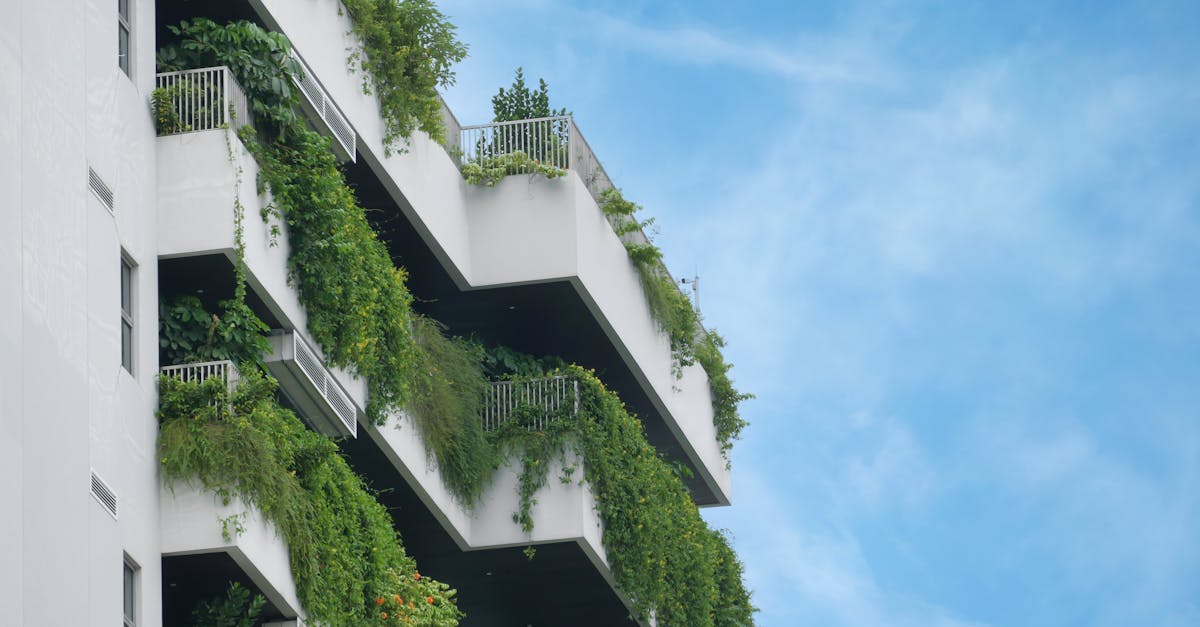
Balcony Gardening in the City: Greening Your Urban Oasis Despite Pollution
Even amidst the hustle and bustle of city life, there’s something magical about nurturing a verdant haven on your own balcony. However, urban environments inevitably pose challenges for plant enthusiasts, with pollution being a significant one. This article delves into the art of balcony gardening in the city, providing practical tips and insights on how to overcome the obstacles posed by pollution and create a thriving plant haven.
The air in urban areas is often laden with pollutants such as particulate matter, nitrogen oxides, and ozone, which can harm sensitive plants. But fear not, because not all plants are created equal! Certain species have evolved to withstand these harsh conditions. By carefully selecting pollution-tolerant plants and employing smart gardening techniques, you can transform your balcony into a flourishing ecosystem that cleanses the air while boosting your well-being.
1. Introduction
Introduction: Balcony Gardening in the City and the Challenges of Pollution
Urban dwellers often crave a connection with nature, and balcony gardening has emerged as a popular way to bring greenery into city living. However, urban environments pose unique challenges for plant enthusiasts, with pollution being a major concern.
Air pollution in cities is a complex mix of gases, particles, and chemicals that can harm human health and the environment. Plants are particularly vulnerable to pollution because they absorb gases and particles through their leaves. Exposure to pollutants can cause a variety of problems for plants, including stunted growth, leaf damage, and reduced yields.
Despite the challenges, balcony gardening in the city is still possible with careful planning and execution. By choosing pollution-tolerant plants, creating a protective environment, and following proper watering and fertilizing practices, you can create a thriving balcony garden that will bring beauty and fresh air to your urban oasis.
2. Choosing the Right Plants
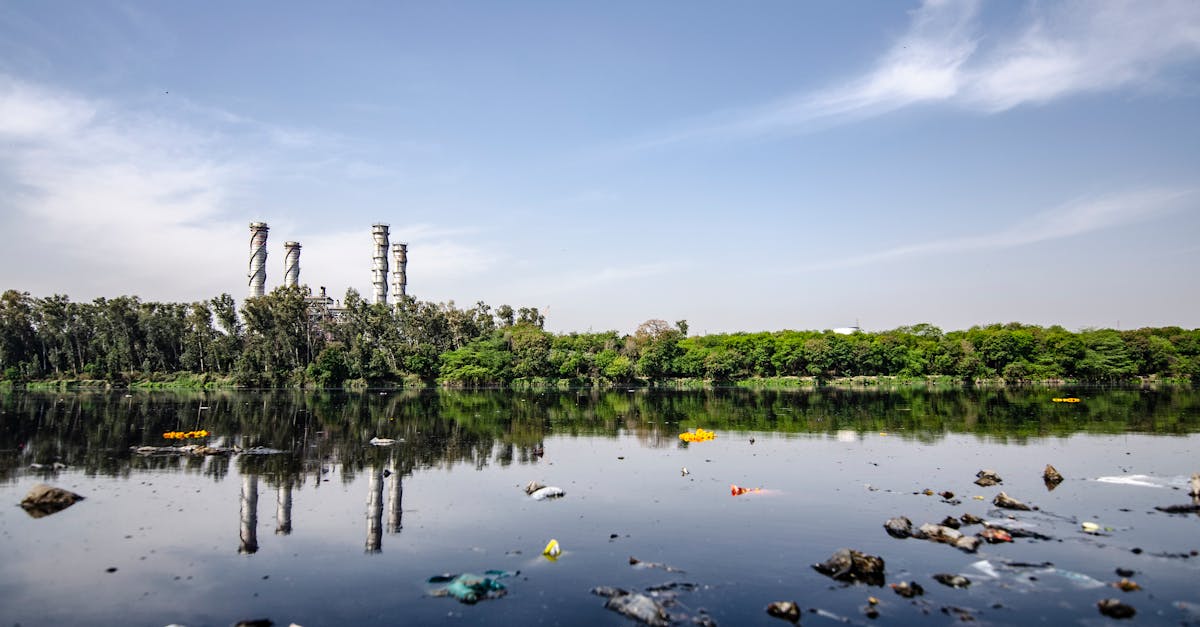
Choosing the Right Plants: Pollution-Tolerant Species for Your Balcony Garden
When selecting plants for your balcony garden in the city, it’s crucial to choose species that can withstand the challenges of an urban environment, particularly air pollution. Pollution-tolerant plants have evolved to cope with the presence of pollutants in the air, making them ideal for urban gardening.
Some excellent choices for pollution-tolerant plants include:
- Peace lily (Spathiphyllum wallisii): This popular houseplant is known for its ability to remove toxins from the air, including formaldehyde and benzene.
- Snake plant (Sansevieria trifasciata): Another low-maintenance option, the snake plant is highly tolerant of pollution and can even thrive in low-light conditions.
- ZZ plant (Zamioculcas zamiifolia): With its waxy leaves and drought tolerance, the ZZ plant is a hardy choice for urban gardeners.
- Chinese evergreen (Aglaonema): This plant comes in a variety of colors and patterns, and it is known for its ability to tolerate low light and air pollution.
- Spider plant (Chlorophytum comosum): A versatile plant that can be grown in hanging baskets or pots, the spider plant is a great choice for purifying the air.
By choosing pollution-tolerant plants for your balcony garden, you can create a thriving and beautiful oasis that will bring fresh air and greenery to your urban living space.
Pollution-Tolerant Plants
Pollution-Tolerant Plants: Greening Your Urban Oasis
When choosing plants for your balcony garden in the city, it’s important to select species that can withstand the challenges of an urban environment, particularly air pollution. Pollution-tolerant plants have evolved to cope with the presence of pollutants in the air, making them ideal for urban gardening.
Here’s a list of some popular and effective pollution-tolerant plants:
- Peace lily (Spathiphyllum wallisii): This popular houseplant is known for its ability to remove toxins from the air, including formaldehyde and benzene. It prefers indirect light and moist soil, and it can tolerate occasional neglect.
- Snake plant (Sansevieria trifasciata): Another low-maintenance option, the snake plant is highly tolerant of pollution and can even thrive in low-light conditions. It prefers dry soil and infrequent watering.
- ZZ plant (Zamioculcas zamiifolia): With its waxy leaves and drought tolerance, the ZZ plant is a hardy choice for urban gardeners. It can tolerate low light and infrequent watering, making it a great option for busy individuals.
- Chinese evergreen (Aglaonema): This plant comes in a variety of colors and patterns, and it is known for its ability to tolerate low light and air pollution. It prefers moist soil and indirect light.
- Spider plant (Chlorophytum comosum): A versatile plant that can be grown in hanging baskets or pots, the spider plant is a great choice for purifying the air. It prefers bright indirect light and moist soil.
By incorporating these pollution-tolerant plants into your balcony garden, you can create a thriving and beautiful oasis that will bring fresh air and greenery to your urban living space.
Vertical Gardening
Vertical Gardening: Maximizing Space and Reducing Pollution Exposure
Vertical gardening techniques are a great way to maximize space and reduce pollution exposure on your balcony. By growing plants vertically, you can create a lush and productive garden even in a small space. Additionally, vertical gardening can help to reduce pollution exposure by creating a physical barrier between your plants and the polluted air.
There are many different ways to implement vertical gardening on your balcony. One popular method is to use hanging planters. Hanging planters come in a variety of sizes and styles, so you can find ones that fit your space and décor. Another option is to use trellises or wall-mounted planters. Trellises can be used to support climbing plants, such as beans or tomatoes. Wall-mounted planters are a good choice for small spaces, as they can be attached to walls or fences.
In addition to saving space and reducing pollution exposure, vertical gardening can also be a great way to add some beauty to your balcony. By growing a variety of plants in different colors and textures, you can create a vertical garden that is both visually appealing and beneficial to your health.
3. Creating a Protective Environment
Creating a Protective Environment for Balcony Plants
Once you’ve selected pollution-tolerant plants and implemented vertical gardening techniques, you can further protect your plants by creating a protective environment on your balcony. Here are a few tips:
- Use raised beds: Raised beds elevate your plants above the ground, which improves drainage and reduces exposure to pollutants in the soil. Raised beds also make it easier to control the soil quality and amend it as needed.
- Install windbreaks: Windbreaks can help to reduce wind damage and protect your plants from harsh winds. You can use a variety of materials to create a windbreak, such as lattice, bamboo screens, or even tall plants.
- Provide shade: If your balcony is exposed to direct sunlight, you may want to provide some shade for your plants. This can be done with shade cloths, umbrellas, or awnings.
- Water regularly: It’s important to water your plants regularly, especially during hot and dry weather. Watering helps to keep your plants hydrated and prevents them from wilting.
- Fertilize regularly: Fertilizing your plants regularly will help them to grow strong and healthy. Choose a fertilizer that is specifically designed for container plants.
By following these tips, you can create a protective environment for your plants on your balcony and enjoy a beautiful and thriving garden for years to come.
Raised Beds
Raised Beds: Benefits and Uses
Raised beds are an excellent way to elevate your plants and improve drainage, which can lead to healthier plants and increased yields. Here are some of the benefits of using raised beds:
- Improved drainage: Raised beds have holes or gaps in the bottom to allow excess water to drain away. This is important because poor drainage can lead to root rot and other problems.
- Warmer soil: Raised beds absorb heat from the sun and retain it longer than in-ground beds. This can be beneficial for plants that prefer warm soil, such as tomatoes and peppers.
- Better soil quality: You can fill raised beds with high-quality potting mix or garden soil, which will provide your plants with the nutrients they need to thrive.
- Easier to maintain: Raised beds are easier to weed, water, and fertilize than in-ground beds. You can also reach your plants more easily, which makes it easier to prune and harvest.
- Extended growing season: Raised beds can be used to extend the growing season in colder climates. By starting your plants in raised beds indoors or in a greenhouse, you can get a head start on the growing season.
Raised beds are a versatile and beneficial addition to any garden. They are especially well-suited for small spaces, such as balconies and patios.
Windbreaks
Windbreaks: Protection from Pollutants and Wind Damage
Windbreaks are a great way to reduce exposure to pollutants and wind damage on your balcony. A windbreak is simply a barrier that is placed in the path of the wind. Windbreaks can be made from a variety of materials, such as lattice, bamboo screens, or even tall plants.
Windbreaks work by slowing down the wind and redirecting it upwards. This helps to reduce the amount of pollutants that reach your plants and also helps to protect them from wind damage. Windbreaks can also create a more comfortable environment on your balcony, especially on windy days.
There are many different ways to use windbreaks on your balcony. You can place them around the perimeter of your balcony, or you can use them to create smaller, more sheltered areas. You can also use windbreaks to create a privacy screen or to add some visual interest to your balcony.
If you’re looking for a way to reduce pollution exposure and wind damage on your balcony, windbreaks are a great option. They are relatively easy to install and can make a big difference in the health and appearance of your plants.
4. Watering and Fertilizing

Watering and Fertilizing Balcony Plants: Considerations for Pollution
Watering and fertilizing your balcony plants is essential for their health and growth. However, it’s important to consider the effects of pollution when caring for your plants.
Watering:
- Water regularly: Balcony plants need to be watered regularly, especially during hot and dry weather. However, it’s important to avoid overwatering, as this can lead to root rot and other problems.
- Water deeply: When you water your plants, make sure to water them deeply so that the water reaches the roots. This will help to prevent the roots from drying out.
- Use rainwater or filtered water: If possible, use rainwater or filtered water to water your plants. This will help to reduce the amount of pollutants that your plants are exposed to.
Fertilizing:
- Fertilize regularly: Balcony plants need to be fertilized regularly to provide them with the nutrients they need to grow and thrive. However, it’s important to use a fertilizer that is specifically designed for container plants.
- Use organic fertilizers: Organic fertilizers are a good choice for balcony plants because they are less likely to leach pollutants into the soil.
- Follow the directions on the fertilizer label: When fertilizing your plants, always follow the directions on the fertilizer label. This will help to prevent over-fertilizing, which can damage your plants.
By following these guidelines, you can help to keep your balcony plants healthy and thriving, even in polluted environments.
Watering Frequency
Watering Frequency: Considering Plant Needs and Pollution Levels
The frequency with which you water your balcony plants will depend on a number of factors, including the type of plants you have, the size of your containers, and the amount of sunlight and wind your balcony receives. However, it’s also important to consider the effects of pollution when determining watering frequency.
Plants that are exposed to high levels of pollution may need to be watered more frequently than plants that are grown in cleaner environments. This is because pollution can damage the leaves of plants, making them less able to absorb water and nutrients. Additionally, pollution can bind to the soil, making it more difficult for plants to access the water they need.
Here are a few tips for determining the appropriate watering frequency for your balcony plants:
- Check the soil: The best way to determine if your plants need to be watered is to check the soil. Stick your finger in the soil up to the first knuckle. If the soil is dry, it’s time to water your plants.
- Consider the type of plants you have: Some plants are more drought-tolerant than others. For example, succulents can go for longer periods of time without water than other types of plants.
- Consider the size of your containers: Plants in smaller containers will need to be watered more frequently than plants in larger containers. This is because the soil in smaller containers dries out more quickly.
- Consider the amount of sunlight and wind your balcony receives: Plants that are exposed to a lot of sunlight and wind will need to be watered more frequently than plants that are in shadier, more sheltered areas.
By considering these factors, you can determine the appropriate watering frequency for your balcony plants and help them to thrive, even in polluted environments.
Fertilizer Selection
Fertilizer Selection: Minimizing Nutrient Leaching and Pollution
When fertilizing your balcony plants, it’s important to choose a fertilizer that is both effective and environmentally friendly. Organic and slow-release fertilizers are a good choice for balcony plants because they are less likely to leach nutrients into the environment.
Organic fertilizers are made from natural materials, such as compost, manure, and seaweed. They release nutrients slowly over time, which helps to prevent nutrient leaching. Organic fertilizers also improve the soil structure and water retention.
Slow-release fertilizers are made from synthetic materials that release nutrients slowly over time. This helps to prevent nutrient leaching and ensures that your plants have a steady supply of nutrients throughout the growing season.
When choosing a fertilizer for your balcony plants, look for one that is labeled for container plants. Container plants need a fertilizer that is formulated to meet their specific needs.
Here are a few tips for fertilizing your balcony plants:
- Follow the directions on the fertilizer label: When fertilizing your plants, always follow the directions on the fertilizer label. This will help to prevent over-fertilizing, which can damage your plants.
- Water your plants before fertilizing them: Watering your plants before fertilizing them will help to prevent the fertilizer from burning the roots of your plants.
- Fertilize your plants regularly: Balcony plants need to be fertilized regularly to provide them with the nutrients they need to grow and thrive. However, it’s important to avoid over-fertilizing, as this can damage your plants.
By following these tips, you can help to keep your balcony plants healthy and thriving, while also minimizing nutrient leaching and pollution.
5. Conclusion
Conclusion: The Importance of Balcony Gardening in Urban Environments
Balcony gardening is a great way to bring nature into your urban living space. It can provide you with fresh produce, beautiful flowers, and a sense of peace and well-being. Balcony gardening can also help to improve the air quality in your neighborhood and reduce your carbon footprint.
Here are the key points of this article:
- Choose the right plants: When selecting plants for your balcony garden, it’s important to choose species that are tolerant to pollution. Some good choices include peace lilies, snake plants, ZZ plants, Chinese evergreens, and spider plants.
- Create a protective environment: You can create a protective environment for your plants by using raised beds and installing windbreaks. Raised beds elevate your plants and improve drainage, while windbreaks reduce exposure to pollutants and wind damage.
- Water and fertilize regularly: Water and fertilize your plants regularly to keep them healthy and thriving. However, it’s important to consider the effects of pollution when caring for your plants. Use rainwater or filtered water to water your plants, and choose organic or slow-release fertilizers.
Balcony gardening is a rewarding and sustainable way to enjoy the benefits of nature in an urban environment. By following the tips in this article, you can create a beautiful and thriving balcony garden that will bring you years of enjoyment.
Quiz: Test Your Balcony Gardening Knowledge
- Which of the following is NOT a pollution-tolerant plant suitable for balcony gardening?
(a) Peace lily (b) Snake plant (c) Rose (d) ZZ plant
- True or False: Raised beds can help to improve drainage and reduce exposure to pollutants for balcony plants.
(a) True (b) False
- Which type of fertilizer is recommended for balcony plants to minimize nutrient leaching and pollution?
(a) Synthetic fertilizers (b) Organic fertilizers (c) Slow-release fertilizers (d) Fast-release fertilizers
- True or False: Balcony gardening can help to reduce carbon footprint.
(a) True (b) False
- Which of the following is a benefit of balcony gardening in urban environments?
(a) Fresh produce and flowers (b) Improved air quality (c) Reduced stress (d) All of the above
Answer Key:
- (c) Rose
- (a) True
- (b) Organic fertilizers and (c) Slow-release fertilizers
- (a) True
- (d) All of the above
Answer Key:
- (c) Rose
- (a) True
- (b) Organic fertilizers and (c) Slow-release fertilizers
- (a) True
- (d) All of the above
Unlock the Greenery Potential of Your Balcony: A Guide to Thriving Plants in Compact Spaces Attention all balcony-dwelling plant enthusiasts! Read more
Transform Your Balcony into a Flourishing Garden Oasis: A Step-by-Step Guide Beginning a balcony garden can be a fulfilling endeavor, Read more
Unlocking the Potential of Vertical Gardening on Balconies Are you tired of your cramped balcony but still longing for a Read more
Aromatic Delights: Cultivating Herbs on Your Balcony Oasis Whether you're a seasoned gardener or just starting out, growing herbs on Read more