
Unveiling the Secrets of Balcony Gardening: A Beginner’s Guide to Success
“Welcome to the urban garden! Balcony gardening offers a unique opportunity to cultivate a thriving ecosystem amidst the hustle and bustle of city life. Whether you’re a seasoned green thumb or embarking on your horticultural journey, this comprehensive guide will equip you with essential knowledge to avoid common pitfalls and maximize the success of your balcony garden.
From selecting the right plants for your microclimate to understanding proper watering and fertilization practices, we’ll delve into the intricacies of balcony gardening and empower you to create a vibrant and flourishing oasis. Along the way, we’ll tackle the challenges of pests, diseases, and nutrient deficiencies, providing practical solutions to keep your plants thriving.
Get ready to transform your balcony into a verdant haven where nature thrives and your culinary creativity blossoms. With the tips and techniques outlined in this guide, you’ll cultivate a thriving balcony garden that brings joy, nourishment, and a touch of the outdoors to your urban sanctuary.”
1. Choosing the Wrong Plants
Choosing the Wrong Plants: A Pitfall to Avoid
Selecting the right plants is the cornerstone of a successful balcony garden. Mismatched plant choices can lead to stunted growth, poor yields, and wasted effort. Before embarking on your gardening journey, take the time to assess your balcony’s unique environment and select plants that will thrive in those conditions.
Sunlight availability is a crucial factor to consider. Observe the amount of sunlight your balcony receives throughout the day and choose plants that align with those light conditions. Sun-loving plants, such as tomatoes and peppers, require ample sunlight to flourish, while shade-tolerant varieties, like ferns and hostas, can thrive in lower light areas.
Space limitations are another important consideration. Balcony gardens often have begrenzte space, so it’s essential to select plants that are appropriately sized. Consider the mature size of plants and ensure you have adequate space for them to grow without overcrowding or competing for resources.
In addition to sunlight and space, the specific microclimate of your balcony also plays a role in plant selection. Factors such as wind exposure, temperature fluctuations, and humidity can impact plant growth and health. Research the hardiness zones for your area and choose plants that are well-suited to your local climate. By considering these factors and making informed plant choices, you can lay the foundation for a thriving and productive balcony garden.
Ignore Sunlight Exposure
Ignore Sunlight Exposure: A Recipe for Disappointment
Sunlight is the lifeblood of plants, and balcony gardens are no exception. Before selecting plants for your balcony, it’s essential to assess the amount of sunlight it receives throughout the day. This information will guide you in choosing plants that are well-suited to your specific light conditions and will thrive in your balcony environment.
Most plants can be categorized into three groups based on their sunlight preferences: full sun, partial shade, and full shade. Full sun plants, such as tomatoes, peppers, and sunflowers, require at least six hours of direct sunlight per day. Partial shade plants, like hostas, ferns, and begonias, can tolerate less direct sunlight, around four to six hours per day. Full shade plants, such as impatiens, coleus, and vinca, can survive with less than four hours of direct sunlight per day.
Once you have determined the amount of sunlight your balcony receives, you can start selecting plants that will flourish in those conditions. Matching plants with their preferred light conditions will ensure optimal growth, abundant yields, and a thriving balcony garden. Neglecting sunlight exposure can lead to stunted growth, poor flowering, and overall plant dissatisfaction.
Failing to Research Plant Size
Failing to Research Plant Size: A Common Pitfall to Avoid
Before bringing home new plants for your balcony garden, it’s crucial to research their mature size. This information will help you determine if the plants are a good fit for your space and will ensure you have adequate room for them to grow and thrive.
Failing to research plant size can lead to overcrowding, stunted growth, and an overall chaotic and unmanageable balcony garden. Overcrowding occurs when too many plants are crammed into a small space, resulting in competition for sunlight, water, and nutrients. This can lead to弱 growth, reduced yields, and increased susceptibility to pests and diseases.
To avoid these problems, take the time to research the mature size of the plants you’re considering for your balcony garden. This information can usually be found on plant tags, seed packets, or online plant databases. Once you know the mature size of the plants, you can plan your garden layout accordingly, ensuring that each plant has enough space to reach its full potential without overcrowding its neighbors.
Overlooking Hardiness Zones
Overlooking Hardiness Zones: A Surefire Path to Disappointment
Hardiness zones are geographical regions that are defined by similar climatic conditions, particularly minimum winter temperatures. When selecting plants for your balcony garden, it’s essential to choose varieties that are well-suited to your local hardiness zone. This will help ensure that your plants can withstand the temperature fluctuations and other environmental conditions in your area and will thrive season after season.
Planting plants that are not adapted to your hardiness zone can lead to a number of problems. If the plants are not cold-hardy enough, they may be damaged or killed by freezing temperatures during the winter. Even if they survive the winter, they may not perform well or produce as many flowers or fruits as they would in a more suitable climate.
To avoid these problems, it’s important to research the hardiness zones for your area and select plants that are recommended for those zones. You can find this information on plant tags, seed packets, or online plant databases. By choosing plants that are well-suited to your local climate, you can increase your chances of success and enjoy a thriving balcony garden for years to come.
2. Inadequate Soil Conditions
Inadequate Soil Conditions: A Foundation for Failure
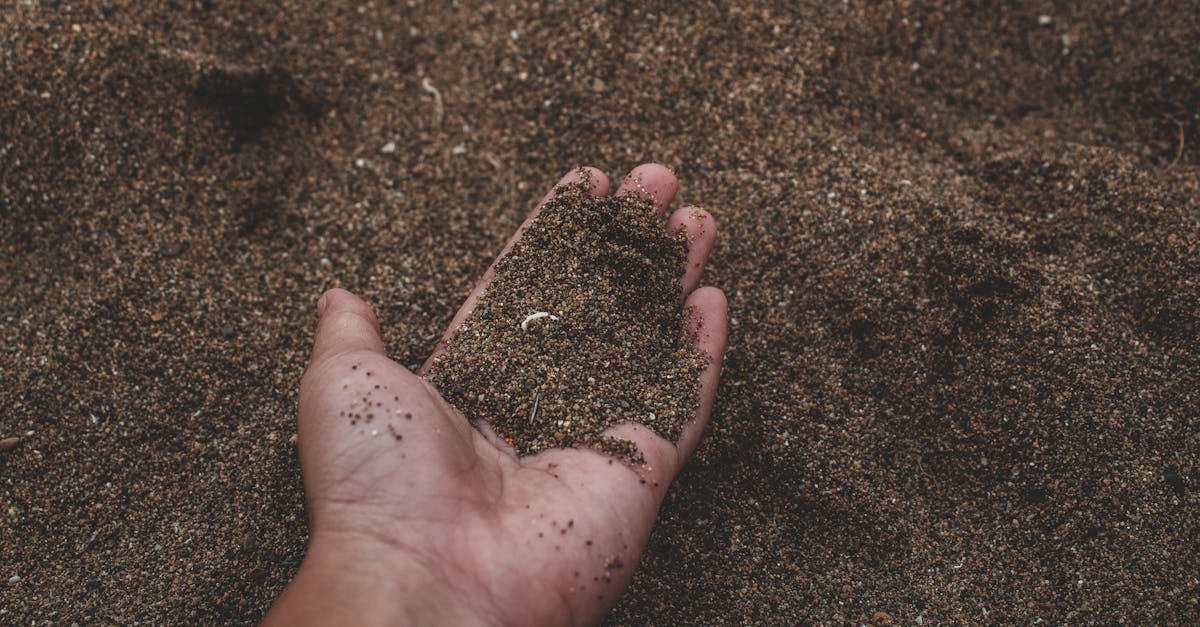
The foundation of any successful garden lies in its soil. For balcony gardeners, it’s essential to provide plants with nutrient-rich, well-draining soil that is tailored to their specific needs. This will promote healthy root development, support vigorous growth, and increase overall plant health and productivity.
Using the wrong type of soil or failing to amend it properly can lead to a number of problems for your balcony plants. Poor drainage can cause water to become stagnant around the roots, leading to root rot and other diseases. Nutrient-deficient soil can limit plant growth and yields, making it difficult to achieve a thriving balcony garden.
To avoid these problems, it’s important to choose a high-quality potting mix that is specifically designed for container gardening. These mixes are typically lightweight and well-draining, and they often contain a blend of organic matter, such as peat moss or compost, to provide nutrients for your plants. You may also need to amend the soil with additional nutrients, depending on the specific needs of your plants.
Incorrect Soil Mixture
Incorrect Soil Mixture: A Recipe for Disaster
When it comes to container gardening, using the right soil mixture is crucial for the success of your plants. Avoid using regular garden soil, as it is often too heavy and can become compacted in containers, leading to poor drainage and root problems. Instead, opt for soil blends that are specifically designed for container gardening.
These mixes are typically lightweight and well-draining, and they often contain a blend of organic matter, such as peat moss or compost, to provide nutrients for your plants. Some common types of container gardening soil mixes include potting mix, raised bed mix, and seed starting mix. Each type of mix has its own unique blend of ingredients and is designed for a specific purpose.
In addition to using a high-quality soil mix, you may also need to amend the soil with additional nutrients, depending on the specific needs of your plants. For example, you may need to add fertilizer to provide additional nitrogen, phosphorus, and potassium, or you may need to add lime to raise the pH level of the soil.
Neglecting Drainage
Neglecting Drainage: A Surefire Way to Drown Your Plants
Proper drainage is essential for healthy plant growth. When water cannot drain away from the roots of plants, it can lead to waterlogging, which can cause root rot and other problems. This is especially important for container gardening, as containers do not have the natural drainage that in-ground gardens have.
To ensure proper drainage, make sure that your containers have drainage holes in the bottom. If your containers do not have drainage holes, you can drill them yourself using a drill or a sharp object. You can also place a layer of gravel or broken pottery in the bottom of the container to help improve drainage.
In addition to using containers with drainage holes, you can also consider using raised planters or elevated surfaces to further improve drainage. This will help to keep the roots of your plants out of standing water and will also help to improve air circulation around the roots.
3. Insufficient Watering Practices
Insufficient Watering Practices: The Delicate Balance
Watering is one of the most important aspects of plant care, and it’s especially important to get it right when growing plants in containers. Too much water can lead to root rot and other problems, while too little water can cause plants to wilt and die.
The best way to determine how often to water your balcony plants is to check the soil moisture level. Stick your finger in the soil up to the first knuckle, and if the soil feels dry, it’s time to water. You can also use a moisture meter to get a more accurate reading.
When you water your plants, make sure to water them deeply and thoroughly. This will help to encourage deep root growth and prevent the roots from becoming shallow and prone to drying out. It’s also important to avoid getting the leaves of your plants wet, as this can promote disease.
Watering Too Frequently
Watering Too Frequently: The Perils of Overwatering
Overwatering is one of the most common mistakes that balcony gardeners make. When you overwater your plants, you can suffocate the roots and make them more susceptible to disease. This is especially true for container-grown plants, as the soil in containers can become waterlogged more easily than soil in the ground.
To avoid overwatering, allow the soil to dry out slightly between waterings. You can check the soil moisture level by sticking your finger in the soil up to the first knuckle. If the soil feels dry, it’s time to water. You can also use a moisture meter to get a more accurate reading.
When you water your plants, make sure to water them deeply and thoroughly. This will help to encourage deep root growth and prevent the roots from becoming shallow and prone to drying out. It’s also important to avoid getting the leaves of your plants wet, as this can promote disease.
Underwatering
Underwatering: The Perils of Neglect
Underwatering is another common mistake that balcony gardeners make. When you underwater your plants, they will wilt and become stunted, and they will be more susceptible to pests and diseases. This is especially true for container-grown plants, as the soil in containers can dry out more quickly than soil in the ground.
To avoid underwatering, it’s important to water your plants regularly, especially during hot and dry weather. You can check the soil moisture level by sticking your finger in the soil up to the first knuckle. If the soil feels dry, it’s time to water. You can also use a moisture meter to get a more accurate reading.
When you water your plants, make sure to water them deeply and thoroughly. This will help to encourage deep root growth and prevent the roots from becoming shallow and prone to drying out. It’s also important to avoid getting the leaves of your plants wet, as this can promote disease.
Ignoring Drainage Considerations
Ignoring Drainage Considerations: A Recipe for Disaster
Proper drainage is essential for healthy plant growth. When water cannot drain away from the roots of plants, it can lead to waterlogging, which can harm the roots and contribute to root rot. This is especially true for container-grown plants, as the soil in containers can become waterlogged more easily than soil in the ground.
To avoid waterlogging, make sure that your containers have drainage holes in the bottom. If your containers do not have drainage holes, you can drill them yourself using a drill or a sharp object. You can also place a layer of gravel or broken pottery in the bottom of the container to help improve drainage.
In addition to using containers with drainage holes, you can also consider using raised planters or elevated surfaces to further improve drainage. This will help to keep the roots of your plants out of standing water and will also help to improve air circulation around the roots.
4. Neglecting Fertilization

Neglecting Fertilization: A Surefire Way to Stunt Growth
Fertilization is essential for healthy plant growth and development. When plants are not fertilized, they will often show signs of nutrient deficiency, such as yellowing leaves, stunted growth, and poor flowering and fruiting. This is especially true for container-grown plants, as the soil in containers can become depleted of nutrients more quickly than soil in the ground.
To avoid nutrient deficiencies, it’s important to fertilize your balcony plants regularly. The best way to do this is to use a balanced fertilizer that contains all of the essential nutrients that plants need. You can also use organic fertilizers, such as compost or manure, to provide your plants with a slow-release source of nutrients.
When fertilizing your plants, be sure to follow the instructions on the fertilizer label. Overfertilizing can be just as harmful as underfertilizing, so it’s important to use the correct amount of fertilizer.
Skipping Fertilization
Skipping Fertilization: A Recipe for Nutrient Deficiency
Fertilization is essential for healthy plant growth and development. When plants are not fertilized, they will often show signs of nutrient deficiency, such as yellowing leaves, stunted growth, and poor flowering and fruiting. This is especially true for container-grown plants, as the soil in containers can become depleted of nutrients more quickly than soil in the ground.
Many people skip fertilization because they believe that their plants will get all the nutrients they need from the soil. However, this is not always the case. Even the best potting mixes can become depleted of nutrients over time, especially if the plants are heavily watered or fertilized. As a result, it’s important to fertilize your balcony plants regularly to ensure that they have all the nutrients they need to grow and thrive.
The best way to fertilize your balcony plants is to use a balanced fertilizer that contains all of the essential nutrients that plants need. You can also use organic fertilizers, such as compost or manure, to provide your plants with a slow-release source of nutrients.
Overfertilizing
Overfertilizing: The Perils of Too Much of a Good Thing
Fertilization is essential for healthy plant growth, but it’s important to avoid overfertilizing, as this can be just as harmful as underfertilizing. Overfertilization can cause nutrient burn, stunted growth, and reduced yields. It can also lead to environmental problems, such as water pollution.
The best way to avoid overfertilizing is to follow the recommended application rates on the fertilizer label. These rates are based on the specific needs of the plants you are growing and the type of fertilizer you are using. It’s also important to water your plants deeply after fertilizing them to help distribute the fertilizer evenly throughout the soil.
If you think you may have overfertilized your plants, there are a few things you can do to try to correct the problem. First, stop fertilizing the plants and water them deeply to help flush out the excess fertilizer. You can also try to leach the soil by pouring water through the pots until it runs out the bottom. If the problem is severe, you may need to repot the plants in fresh soil.
Choosing the Right Fertilizer
Choosing the Right Fertilizer: The Key to Healthy Plants
Fertilizers are an essential part of any gardening regimen, and choosing the right fertilizer for your balcony plants is crucial for their health and growth. There are many different types of fertilizers available, each with its own unique blend of nutrients. It’s important to select a fertilizer that is tailored to the specific needs of your plants, considering factors such as plant type, growth stage, and the size of your containers.
For example, young plants need more nitrogen to promote leaf growth, while flowering plants need more phosphorus to promote flower production. Container-grown plants also need more frequent fertilization than plants grown in the ground, as the nutrients in the soil can be more easily depleted.
Once you’ve selected a fertilizer, be sure to follow the instructions on the label carefully. Overfertilizing can be just as harmful as underfertilizing, so it’s important to use the correct amount of fertilizer. You should also water your plants deeply after fertilizing them to help distribute the fertilizer evenly throughout the soil.
5. Common Pest and Disease Issues
Common Pest and Disease Issues: Protecting Your Balcony Garden
Even though balcony gardens are contained environments, they are not immune to pest and disease challenges. Pests and diseases can quickly spread through a balcony garden, causing damage to plants and reducing yields. Early detection and proper management are crucial for maintaining plant health and preventing crop losses.
Some of the most common pests that affect balcony gardens include aphids, whiteflies, spider mites, and mealybugs. These pests can feed on plant leaves, stems, and flowers, causing damage to the plant and reducing its ability to produce fruit or vegetables. Diseases that can affect balcony gardens include powdery mildew, downy mildew, and botrytis. These diseases can cause leaves to yellow and wilt, and can also lead to fruit rot.
To prevent pest and disease problems, it’s important to inspect your plants regularly for signs of infestation or infection. If you find any pests or diseases, take steps to control them immediately. There are a variety of organic and chemical pest and disease control methods available.
Ignoring Pest Infestations
Ignoring Pest Infestations: A Surefire Way to Damage Your Plants
Pests can quickly infest your balcony garden, causing damage to your plants and reducing your yields. It’s important to inspect your plants regularly for signs of pests, such as aphids, whiteflies, or spider mites. If you find any pests, take prompt action to control them. There are a variety of organic and chemical pest control methods available.
Ignoring pest infestations can lead to a number of problems for your plants. Pests can feed on plant leaves, stems, and flowers, causing damage to the plant and reducing its ability to produce fruit or vegetables. Pests can also spread diseases to your plants, which can further damage your plants and reduce your yields.
To prevent pest infestations, it’s important to keep your garden clean and free of debris. You should also avoid overwatering your plants, as this can create a favorable environment for pests. If you do find pests on your plants, take steps to control them immediately. The longer you wait to control pests, the more damage they can cause to your plants.
Misidentifying and Mismanaging Diseases
Misidentifying and Mismanaging Diseases: A Threat to Your Balcony Garden
Diseases can quickly spread through your balcony garden, causing damage to your plants and reducing your yields. It’s important to stay informed about common plant diseases and their symptoms to ensure prompt and effective treatment. Misidentifying and mismanaging diseases can lead to further damage to your plants and reduced yields.
Some of the most common diseases that affect balcony gardens include powdery mildew, downy mildew, and botrytis. These diseases can cause leaves to yellow and wilt, and can also lead to fruit rot. If you think your plants may be infected with a disease, it’s important to identify the disease correctly so that you can take the appropriate steps to treat it.
There are a variety of organic and chemical disease control methods available. However, it’s important to follow the instructions on the product label carefully to avoid damaging your plants. You should also water your plants deeply after applying disease control products to help distribute the product evenly throughout the soil.
Overuse of Chemical Treatments
Overuse of Chemical Treatments: A Threat to Your Plants and the Environment
While chemical pesticides and fertilizers can be effective in controlling pests and diseases, it’s important to minimize their use to protect the health of your plants and the environment. Overuse of chemical treatments can lead to a number of problems, including:
- Resistance: Pests and diseases can develop resistance to chemical treatments over time, making them less effective.
- Environmental damage: Chemical treatments can harm beneficial insects and other wildlife, and can also pollute water and soil.
- Plant damage: Chemical treatments can damage plants if they are not used according to the instructions on the product label.
Instead of relying on chemical treatments, opt for organic pest and disease management techniques. These techniques are less harmful to the environment and to your plants, and can be just as effective in controlling pests and diseases.
Some common organic pest and disease management techniques include:
- Companion planting: Planting certain plants together can help to deter pests and diseases.
- Crop rotation: Planting different crops in the same location each year can help to prevent the buildup of pests and diseases.
- Biological control: Using beneficial insects and other organisms to control pests.
- Organic fertilizers: Using organic fertilizers can help to improve the health of your plants and make them more resistant to pests and diseases.
Balcony Garden Quiz
Question 1: Which of the following is NOT a common mistake to avoid when choosing plants for a balcony garden?
(a) Choosing plants not suited for balcony conditions (b) Failing to research plant size (c) Overlooking hardiness zones (d) Choosing plants that are too large for the balcony
Question 2: What is the best way to ensure proper drainage for container-grown plants?
(a) Use containers without drainage holes (b) Place a layer of gravel or broken pottery in the bottom of the container (c) Water the plants frequently (d) Allow the soil to dry out completely between waterings
Question 3: Which of the following is NOT a sign of overwatering?
(a) Wilting leaves (b) Stunted growth (c) Root rot (d) Yellowing leaves
Question 4: What is the best way to fertilize balcony plants?
(a) Use a balanced fertilizer that contains all of the essential nutrients that plants need (b) Fertilize the plants every day (c) Use a fertilizer that is high in nitrogen (d) Fertilize the plants only when they are showing signs of nutrient deficiency
Question 5: Which of the following is NOT a common pest that can affect balcony gardens?
(a) Aphids (b) Whiteflies (c) Spider mites (d) Mealybugs
Answer Key:
-
(d)
-
(b)
-
(a)
-
(a)
-
(d)
-
(d)
-
(b)
-
(a)
-
(a)
-
(d)
Unlock the Greenery Potential of Your Balcony: A Guide to Thriving Plants in Compact Spaces Attention all balcony-dwelling plant enthusiasts! Read more
Transform Your Balcony into a Flourishing Garden Oasis: A Step-by-Step Guide Beginning a balcony garden can be a fulfilling endeavor, Read more
Unlocking the Potential of Vertical Gardening on Balconies Are you tired of your cramped balcony but still longing for a Read more
Aromatic Delights: Cultivating Herbs on Your Balcony Oasis Whether you're a seasoned gardener or just starting out, growing herbs on Read more