
Balcony Gardens: A Journey Inspired by Iconic Gardens Worldwide
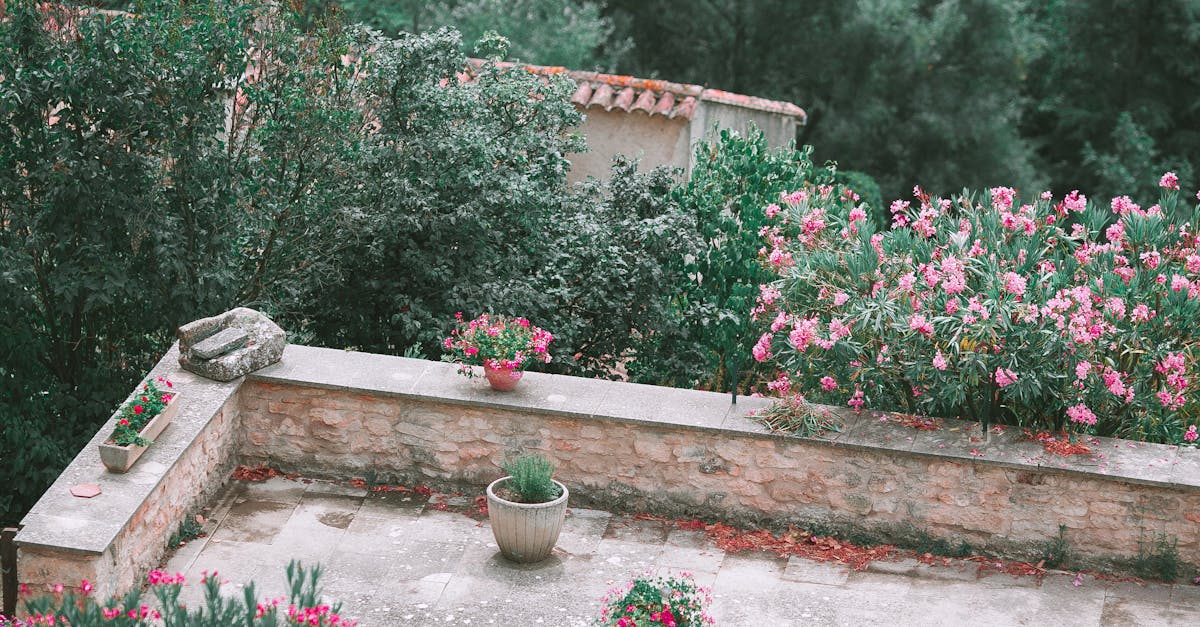
From the royal grandeur of Versailles to the serene tranquility of Kenrokuen, let’s embark on a journey to recreate the magic of some of the world’s most iconic gardens on our beloved balconies. These enchanting havens will transform our outdoor spaces into oases of tranquility, vibrant hues, and natural wonders, inspiring us to connect with the beauty and diversity of nature. Whether you seek geometric elegance, Japanese minimalism, Moroccan exoticism, vertical abundance, or a wildlife sanctuary, this guide will unveil the secrets to creating balcony gardens that rival the masterpieces of renowned horticulturalists and transport us to distant lands. Read on and discover how to transform your balcony into a breathtaking garden sanctuary that will captivate the senses and nurture the soul.
Prepare to be inspired as we delve into the exquisite world of balcony garden design, guided by the wisdom of famous gardens around the globe. This journey will unveil the secrets to creating verdant oases that not only beautify our homes but also enrich our lives with a touch of nature’s magic. From elegant French symmetry to exotic Moroccan courtyards, from serene Japanese simplicity to daring vertical gardens, each design concept offers a unique charm and endless possibilities for personal expression.
With meticulous planning and careful selection of plants, we can recreate the essence of these renowned gardens on our balconies. Whether you desire the manicured splendor of Versailles or the tranquil ambiance of Kenrokuen, the vibrant colors of Marrakech or the lush greenery of New York City’s rooftop gardens, this guide will empower you to design a balcony garden that reflects your individual style and brings joy to your everyday life. So, let the inspiration flow and prepare to transform your balcony into a garden paradise that will be the envy of all who behold it.
1. The Serene Charm of Versailles
The Serene Charm of Versailles: Unveil the secrets of French elegance and recreate the enchanting atmosphere of Versailles on your balcony. Incorporate manicured hedges, flowering borders, and intricate fountains to evoke the grandeur of the Sun King’s gardens.
Step into the heart of French grandeur and recreate the enchanting atmosphere of Versailles on your own private balcony. Imagine manicured hedges forming intricate patterns, vibrant flower borders adding a splash of color, and the gentle sound of water trickling from an elegant fountain. With careful planning and attention to detail, you can bring the beauty of Versailles to your own outdoor space.
Embrace the formal geometric patterns that define Versailles’ gardens. Boxwood hedges, trimmed into perfect shapes, will create a sense of order and symmetry. Arrange planters in neat rows, echoing the grand parterres that once adorned the royal gardens. Indulge in the vibrant hues of Versailles’ flower beds by planting roses, lilies, and peonies in a tapestry of colors. Let their delicate fragrances fill the air and transport you to the Sun King’s era. Add an intricate fountain as the centerpiece of your balcony, its gentle flow adding a touch of tranquility to your urban oasis.
Geometry and Symmetry
Geometry and Symmetry: Embrace the formal geometric patterns that define Versailles’ gardens. Create boxwood hedges and arrange planters in symmetrical rows to achieve a sense of balance and harmony.
The gardens of Versailles are renowned for their impeccable geometry and symmetry, which create a sense of order and grandeur. To achieve this on your balcony, start by defining the central axis or focal point. This could be a fountain, a piece of sculpture, or simply a seating area. Once you have your focal point, arrange your hedges and planters in symmetrical rows on either side.
Boxwood hedges are a classic choice for creating geometric shapes in the garden. They are easy to trim and maintain, and their dense foliage provides a clean, crisp look. You can use boxwood hedges to create borders, parterres, or even topiaries. When arranging your planters, use odd numbers to create a more dynamic and visually appealing display. For example, you could have three planters on one side of the focal point and five planters on the other.
Floral Abundance
Floral Abundance: Indulge in the vibrant hues of Versailles’ flower beds. Plant roses, lilies, and peonies in a tapestry of colors, drawing inspiration from the famous Rose Garden.
The Rose Garden at Versailles is a sight to behold, with over 20,000 rose bushes in a dazzling array of colors and varieties. To recreate this abundance on your balcony, choose roses that are well-suited to container gardening. Look for varieties that are compact in size and have good disease resistance. Some good choices include the ‘Knock Out’ series, the ‘Drift’ series, and the ‘Flower Carpet’ series.
In addition to roses, you can also plant lilies and peonies to add height and variety to your balcony garden. Lilies come in a wide range of colors, from classic white to vibrant orange and pink. Peonies are known for their large, showy blooms in shades of pink, red, and white. When planting your flowers, be sure to group them together in odd numbers to create a more visually appealing display. You can also use different colors and heights to create a sense of depth and interest.
2. Zen Tranquility of Kenrokuen

Zen Tranquility of Kenrokuen: Find inner peace by emulating the serene philosophy behind Kenrokuen, one of Japan’s Three Great Gardens. Focus on natural elements, minimalist design, and the harmonious interplay of plants.
Kenrokuen Garden in Kanazawa, Japan, is renowned for its serene beauty and harmonious design. To create a similar atmosphere on your balcony, focus on using natural elements such as water, stone, and wood. Choose plants with simple, elegant foliage and avoid overcrowding your space. Negative space is an important element of Japanese garden design, so don’t be afraid to leave some areas empty.
Water features are an essential element of any Japanese garden. Even a small fountain or birdbath can create a sense of tranquility. If you have the space, you could also create a small pond and add some aquatic plants. Rocks and stones are also important elements of Japanese gardens. They can be used to create pathways, borders, or simply to add a touch of natural beauty to your balcony.
Water and Stone
Water and Stone: Incorporate water features like a small pond or fountain to recreate the tranquil atmosphere of Kenrokuen. Arrange rocks and pebbles in a natural way, symbolizing balance and harmony.
Water features are an essential element of any Japanese garden, and they can be easily incorporated into a balcony garden. Even a small fountain or birdbath can create a sense of tranquility. If you have the space, you could also create a small pond and add some aquatic plants. The sound of running water is very calming and can help to create a relaxing atmosphere on your balcony.
Rocks and stones are also important elements of Japanese gardens. They can be used to create pathways, borders, or simply to add a touch of natural beauty to your balcony. When arranging rocks and stones, it is important to do so in a natural way. Avoid creating symmetrical patterns or using too many large rocks. Instead, aim for a more organic look that reflects the beauty of nature.
Simple and Refined Flora
Simple and Refined Flora: Choose plants with elegant foliage and subtle blooms, such as Japanese maples, azaleas, and bamboo. Aim for a minimalist aesthetic that reflects the Japanese appreciation for simplicity.
Japanese gardens are known for their simple and refined aesthetic. When choosing plants for your balcony garden, opt for varieties with elegant foliage and subtle blooms. Japanese maples are a good choice, as they come in a variety of colors and shapes. Azaleas are another popular choice, as they produce beautiful flowers in the spring. Bamboo is a great way to add height and structure to your garden. It is also a very easy plant to care for.
When arranging your plants, aim for a minimalist aesthetic. Avoid overcrowding your space and leave some areas empty. Negative space is an important element of Japanese garden design, and it can help to create a sense of tranquility and peace.
3. Vibrant Marrakech: A Sensory Oasis
Vibrant Marrakech: A Sensory Oasis: Embark on a journey to the exotic gardens of Marrakech, famous for their vibrant colors, aromatic scents, and lush vegetation. Create a sanctuary that stimulates the senses and evokes the spirit of Morocco.
Marrakech is a city known for its vibrant colors, exotic scents, and lush vegetation. To create a similar atmosphere on your balcony, choose plants with bold colors and fragrant flowers. Bougainvillea is a good choice, as it produces bright pink or purple flowers. Jasmine is another popular choice, as it produces fragrant white flowers. Citrus trees are also a good option, as they produce both beautiful flowers and fruit.
In addition to plants, you can also use textiles, lanterns, and other decorative elements to create a Moroccan-inspired atmosphere on your balcony. Colorful tiles are a popular choice for flooring and walls. You can also add some Moroccan-inspired furniture, such as a daybed or poufs. And don’t forget the lanterns! Moroccan lanterns are a great way to add a touch of magic to your balcony.
Courtyard Haven
Courtyard Haven: Design your balcony as a private courtyard, creating a cozy and intimate space. Use textiles, lanterns, and colorful tiles to replicate the vibrant atmosphere of Marrakech’s riads.
Riads are traditional Moroccan houses with a central courtyard. They are often decorated with colorful tiles, textiles, and lanterns. To create a similar atmosphere on your balcony, start by defining the space. You can do this by using a rug or some outdoor furniture to create a seating area. Once you have defined the space, you can start to add some decorative elements.
Textiles are a great way to add color and pattern to your balcony. You can use them to create curtains, cushions, or even a canopy. Lanterns are another popular way to add a touch of Moroccan style to your balcony. They can be used to provide light in the evening or simply to add a decorative touch. And don’t forget the tiles! Colorful tiles are a staple of Moroccan design. You can use them to create a backsplash, a floor, or even a tabletop.
Exotic Flora
Exotic Flora: Plant species native to Morocco, such as bougainvillea, jasmine, and orange trees. Their exotic blooms and fragrances will transport you to the heart of a Marrakech souk.
Marrakech is known for its vibrant colors and exotic scents. To recreate this atmosphere on your balcony, choose plants that are native to Morocco. Bougainvillea is a good choice, as it produces bright pink or purple flowers. Jasmine is another popular choice, as it produces fragrant white flowers. Orange trees are also a good option, as they produce both beautiful flowers and fruit.
In addition to these plants, you can also add some herbs and spices to your balcony garden. Mint, rosemary, and thyme are all popular choices in Moroccan cuisine. And don’t forget the cacti! Cacti are a common sight in Marrakech, and they can add a touch of desert flair to your balcony.
4. Vertical Garden Extravaganza

Vertical Garden Extravaganza: Maximize space and create a lush green oasis on your balcony by implementing innovative vertical gardening techniques. Discover the secrets of rooftop gardens in New York City and the hanging gardens of Babylon.
If you’re short on space, vertical gardening is a great way to create a lush green oasis on your balcony. There are many different ways to create a vertical garden, so you can choose the method that best suits your needs and space. One popular method is to use wall-mounted planters. Wall-mounted planters can be made from a variety of materials, such as wood, metal, or plastic. They can be hung on any wall, and they are a great way to add a touch of greenery to small spaces.
Another popular method of vertical gardening is to use trellises. Trellises are structures that provide support for climbing plants. They can be made from a variety of materials, such as wood, metal, or bamboo. Trellises can be used to create a variety of different vertical gardens, such as living walls or arbors.
Living Walls
Living Walls: Create a vertical tapestry of plants by using wall-mounted planters or trellises. Choose trailing plants like ivy, ferns, and begonias to add drama and soften vertical surfaces.
Living walls are a great way to add a touch of greenery to any space, and they are especially well-suited for balconies. Wall-mounted planters are a popular choice for creating living walls, as they are easy to install and can be used to grow a variety of plants. Trellises are another good option for creating living walls, as they can be used to support climbing plants and create a more dramatic effect.
When choosing plants for your living wall, it is important to select varieties that are well-suited to vertical growth. Trailing plants, such as ivy, ferns, and begonias, are a good choice, as they will naturally cascade down the wall. You can also use a variety of different plants to create a more interesting and dynamic look. For example, you could use a combination of trailing plants, flowering plants, and succulents.
Hydroponics and Aeroponics
Hydroponics and Aeroponics: Explore the cutting-edge techniques of hydroponics and aeroponics. These soil-free methods allow you to grow plants vertically, maximizing yield while saving space.
Hydroponics and aeroponics are two soil-free gardening methods that are becoming increasingly popular. Hydroponics involves growing plants in a nutrient-rich water solution, while aeroponics involves growing plants in a mist of nutrient-rich water. Both methods allow you to grow plants vertically, which can save space and maximize yield.
Hydroponics is a relatively simple system to set up. You will need a growing container, a water reservoir, and a nutrient solution. The growing container can be made from a variety of materials, such as plastic, metal, or wood. The water reservoir should be large enough to hold enough water for the plants to grow. The nutrient solution should be made from a balanced blend of nutrients that are essential for plant growth.
5. Wildlife Haven: A Sanctuary for Nature
Wildlife Haven: A Sanctuary for Nature: Transform your balcony into a haven for wildlife by incorporating plants that attract birds, butterflies, and other beneficial creatures. Discover the secrets of creating a self-sustaining ecosystem on your own private oasis.
If you want to attract wildlife to your balcony, it is important to provide them with the food and shelter they need. Choose plants that are native to your area, as these plants will be naturally adapted to the local climate and provide food and shelter for wildlife. Some good choices for bird-attracting plants include sunflowers, coneflowers, and berries. Some good choices for butterfly-attracting plants include lavender, milkweed, and daisies.
In addition to plants, you can also provide other features to attract wildlife to your balcony. A birdbath or water feature will provide a place for birds to drink and bathe. A butterfly feeder will provide butterflies with a source of nectar. And a small pile of rocks or logs will provide shelter for insects and other small creatures.
Native Plant Selection
Native Plant Selection: Choose plants that are native to your region, as they are naturally adapted to the local climate and provide food and shelter for wildlife.
When choosing plants for your wildlife haven, it is important to select native species. Native plants are those that have evolved in your region and are naturally adapted to the local climate and soil conditions. This means that they will be more likely to thrive and provide food and shelter for wildlife.
In addition, native plants are important for supporting local ecosystems. They provide food and habitat for a variety of insects, birds, and other animals. They also help to control erosion and improve water quality. By choosing native plants for your balcony garden, you can help to create a more sustainable and wildlife-friendly space.
Water and Shelter
Water and Shelter: Provide sources of water, such as bird baths or small ponds, and create sheltered areas with dense vegetation to attract wildlife.
In addition to food, wildlife also needs water and shelter to survive. Providing a source of water on your balcony will attract a variety of birds, butterflies, and other animals. A birdbath is a simple and effective way to provide water for wildlife. You can also create a small pond or water feature. If you have the space, a small pond can provide a home for frogs, toads, and other aquatic creatures.
Shelter is also important for wildlife. Dense vegetation can provide shelter from predators and the elements. You can create sheltered areas on your balcony by planting trees, shrubs, and tall grasses. You can also add a birdhouse or bat box to provide shelter for these animals.
Quiz
1. True or False: The gardens of Versailles are known for their intricate geometric patterns. 2. Which of the following is NOT a characteristic of Japanese Zen gardens? * (a) Water features * (b) Minimalist design * (c) Brightly colored flowers 3. What is the key to creating a successful vertical garden? * (a) Choosing plants with trailing growth habits * (b) Using a variety of plant colors and textures * (c) Providing adequate sunlight and water 4. What is the benefit of using native plants in a wildlife haven? * (a) They are more likely to thrive in the local climate * (b) They provide food and shelter for local wildlife * (c) They require less maintenance 5. What should you provide to attract wildlife to your balcony besides food? * (a) Shelter * (b) Water * (c) Both (a) and (b)
Answer Key
- True
- (c) Brightly colored flowers
- (a) Choosing plants with trailing growth habits
- (b) They provide food and shelter for local wildlife
- (c) Both (a) and (b)
Unlock the Greenery Potential of Your Balcony: A Guide to Thriving Plants in Compact Spaces Attention all balcony-dwelling plant enthusiasts! Read more
Transform Your Balcony into a Flourishing Garden Oasis: A Step-by-Step Guide Beginning a balcony garden can be a fulfilling endeavor, Read more
Unlocking the Potential of Vertical Gardening on Balconies Are you tired of your cramped balcony but still longing for a Read more
Aromatic Delights: Cultivating Herbs on Your Balcony Oasis Whether you're a seasoned gardener or just starting out, growing herbs on Read more