
Transform Your Balcony into a Winter Garden Oasis: Growing Fresh Greens in Compact Spaces

As the days grow shorter and the temperatures drop, many gardeners pack away their tools and retreat indoors. However, with a little planning and preparation, it is possible to enjoy a bountiful harvest of fresh greens all winter long with balcony garden ideas. By creating a cozy and sheltered microclimate, utilizing space-saving techniques, and selecting the right crops, you can transform your balcony into a thriving winter oasis.
In this article, we will provide you with all the information you need to create a successful winter balcony garden. We will cover everything from choosing the right plants to providing proper care and maintenance. So, whether you are a seasoned gardener or a complete novice, our guide will help you grow fresh, healthy produce all winter long.
Before you start planning your winter balcony garden, it is imperative to assess your space and determine the amount of sunlight it receives. Winter days are shorter, and the sun is often lower in the sky, so it is essential to choose a spot that receives at least six hours of sunlight per day.
1. Creating a Cozy Winter Balcony Oasis
Creating a cozy and sheltered microclimate on your balcony is essential for successful winter gardening. Here are some tips to help you get started:
Balcony Enclosures and Windbreaks:
- Balcony enclosures: Clear panels or shade cloths can be used to create a protective barrier around your balcony, shielding plants from harsh winds and cold temperatures.
- Windbreaks: Position trellises, bamboo screens, or even thick curtains around the perimeter of your balcony to break the wind and provide shelter for your plants.
Maximizing Sunlight Exposure:
- Sun tracking: Observe the sun’s path during winter months and strategically position your planters to receive maximum sunlight.
- Vertical gardening: Utilize vertical space by installing trellises or wall-mounted planters, which allow plants to climb upwards and access more sunlight.
- Reflective surfaces: Place mirrors or reflective materials around your balcony to bounce sunlight onto your plants, increasing their exposure.
By following these tips, you can create a cozy and sheltered oasis on your balcony, providing your plants with the ideal conditions to thrive throughout the winter months.
Balcony Enclosures and Windbreaks
Balcony Enclosures:
Balcony enclosures are a great way to create a protected microclimate on your balcony, shielding your plants from harsh winds and cold temperatures. There are several types of balcony enclosures to choose from, including:
- Clear panels: Clear panels, made of materials such as polycarbonate or glass, provide a transparent barrier that allows sunlight to pass through while protecting plants from the elements.
- Shade cloths: Shade cloths are made of a breathable fabric that can be attached to the balcony railing or overhead to provide shade and protection from wind.
Windbreaks:
If you do not want to enclose your entire balcony, you can use windbreaks to create sheltered areas for your plants. Windbreaks can be made from a variety of materials, such as:
- Trellises: Trellises can be placed around the perimeter of your balcony to break the wind and provide support for climbing plants.
- Bamboo screens: Bamboo screens are a natural and attractive way to create a windbreak. They can be rolled up or down as needed to adjust the amount of protection.
- Thick curtains: Thick curtains can be hung around the balcony railing to block wind and cold air.
When choosing a balcony enclosure or windbreak, consider the size of your balcony, the amount of sunlight it receives, and the type of plants you plan to grow. By creating a cozy and sheltered microclimate, you can extend the growing season on your balcony and enjoy fresh produce all winter long.
Maximizing Sunlight Exposure
Maximizing Sunlight Exposure:
During the winter months, the sun is lower in the sky and the days are shorter, so it is important to make the most of the sunlight that is available. Here are some tips for strategically positioning your planters to maximize sunlight exposure:
- Observe the sun’s path: Pay attention to the sun’s path throughout the day, especially during the winter months. Note where the sun rises and sets, and how it moves across the sky. This will help you determine the best placement for your planters.
- Position planters facing south: In the Northern Hemisphere, south-facing balconies receive the most sunlight during the winter months. If possible, position your planters on the south side of your balcony.
- Use reflective surfaces: Place mirrors or reflective materials around your balcony to bounce sunlight onto your plants. This can help to increase the amount of light that your plants receive.
- Vertical gardening: Vertical gardening is a great way to maximize sunlight exposure, especially on small balconies. By growing plants vertically, you can create a lush green wall that receives plenty of sunlight.
By following these tips, you can ensure that your plants receive the maximum amount of sunlight possible during the winter months, helping them to thrive and produce bountiful harvests.
2. Space-Saving Techniques for Balcony Gardens
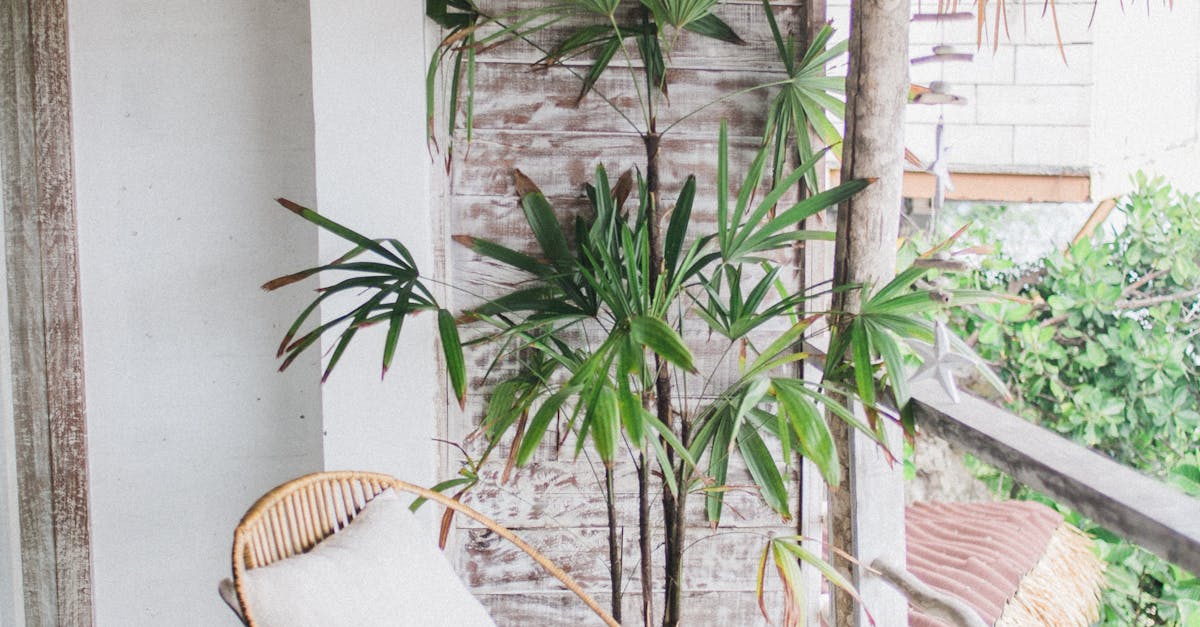
Space-Saving Techniques for Balcony Gardens:
If you have a small balcony, don’t despair! There are plenty of space-saving techniques that you can use to create a bountiful balcony garden. Here are a few ideas:
- Vertical gardening: Vertical gardening is a great way to maximize space on your balcony. You can use trellises, wall-mounted planters, or hanging baskets to grow plants vertically. This is a great option for growing climbing plants, such as tomatoes, cucumbers, and beans.
- Hanging planters: Hanging planters are another great way to save space on your balcony. You can hang planters from the ceiling, walls, or balcony railing. This is a great option for growing herbs, strawberries, and other small plants.
- Compact plant varieties: There are many compact plant varieties that are perfect for small balconies. Look for dwarf or miniature varieties of vegetables, fruits, and herbs. These plants will take up less space and still produce a bountiful harvest.
By using these space-saving techniques, you can create a thriving balcony garden, even if you have a small space. So, don’t let a lack of space stop you from enjoying the benefits of fresh, homegrown produce.
Vertical Gardening Systems
Vertical Gardening Systems:
Vertical gardening systems are a great way to maximize vertical space on your balcony and create a lush green wall. Here are a few of the most popular vertical gardening systems:
- Trellises: Trellises are a simple and effective way to grow plants vertically. You can purchase trellises in a variety of materials, including wood, metal, and plastic. Trellises can be attached to walls, fences, or even the balcony railing.
- Wall-mounted planters: Wall-mounted planters are another great option for vertical gardening. These planters are designed to be mounted on walls, and they come in a variety of shapes and sizes. Wall-mounted planters are great for growing herbs, strawberries, and other small plants.
- Hanging baskets: Hanging baskets are a versatile way to grow plants vertically. You can hang baskets from the ceiling, walls, or balcony railing. Hanging baskets are great for growing trailing plants, such as strawberries, ivy, and petunias.
Vertical gardening systems are a great way to add greenery to your balcony and maximize space. By using vertical gardening systems, you can create a lush and productive balcony garden, even if you have a small space.
Hanging Planters and Baskets
Hanging Planters and Baskets:
Hanging planters and baskets are a great way to save space on your balcony and add a touch of greenery. Hanging planters can be suspended from ceilings or walls, freeing up valuable floor space. This is a great option for growing trailing plants, such as strawberries, ivy, and petunias.
When choosing hanging planters and baskets, consider the size and weight of the plants you plan to grow. You will also need to choose a material that is durable and weather-resistant. Some popular materials for hanging planters and baskets include:
- Plastic: Plastic hanging planters and baskets are lightweight and durable, making them a good choice for growing small to medium-sized plants.
- Metal: Metal hanging planters and baskets are more durable than plastic, but they can also be heavier. Metal hanging planters are a good choice for growing larger plants or plants that need more support.
- Wicker: Wicker hanging planters and baskets add a natural touch to your balcony. However, they are not as durable as plastic or metal, and they may need to be replaced more often.
Hanging planters and baskets are a great way to add greenery to your balcony and save space. By using hanging planters and baskets, you can create a lush and inviting balcony garden, even if you have a small space.
Compact Plant Varieties
Compact Plant Varieties:
If you have a small balcony, it is important to choose compact plant varieties that will not take up too much space. Dwarf or compact varieties of vegetables and herbs are a great option for space-constrained balconies. These plants are bred to be smaller than traditional varieties, so they will take up less space and still produce a bountiful harvest.
Some popular compact plant varieties for balconies include:
- Mini carrots: Mini carrots are a great choice for small balconies. These carrots are smaller than traditional carrots, so they can be grown in smaller containers.
- Bush beans: Bush beans are another good option for small balconies. These beans grow in a compact bush shape, so they do not need to be trellised.
- Patio tomatoes: Patio tomatoes are a great choice for balconies because they are bred to grow in containers. Patio tomatoes produce small, flavorful tomatoes that are perfect for salads and sandwiches.
By choosing compact plant varieties, you can create a bountiful balcony garden, even if you have a small space. So, don’t let a lack of space stop you from enjoying the benefits of fresh, homegrown produce.
3. Essential Winter Crops for Balcony Gardens
Essential Winter Crops for Balcony Gardens:
When choosing plants for your winter balcony garden, it is important to select varieties that are hardy and can tolerate cold temperatures. Here are a few of the best vegetables, herbs, and fruits that thrive in winter conditions:
- Leafy greens: Leafy greens, such as spinach, kale, and lettuce, are a great source of vitamins and minerals. These plants can be grown in containers or raised beds, and they will continue to produce leaves throughout the winter months.
- Root vegetables: Root vegetables, such as carrots, radishes, and beets, are another good option for winter balcony gardens. These plants can be grown in deep containers or root pouches, and they will store well throughout the winter.
- Herbs: Herbs, such as parsley, cilantro, and thyme, can add flavor to your winter dishes. These plants can be grown in pots or hanging baskets, and they will continue to produce leaves throughout the winter months.
- Fruits: Some fruits, such as strawberries and blueberries, can also be grown in winter balcony gardens. These plants will need to be protected from the cold with row covers or frost blankets, but they will still produce fruit in the winter months.
Leafy Greens
Leafy Greens:
Leafy greens, such as spinach, kale, and lettuce, are a great source of vitamins and minerals. These plants are easy to grow in containers or raised beds, and they will continue to produce leaves throughout the winter months.
When growing leafy greens in winter, it is important to choose cold-hardy varieties. Some good options include:
- Spinach: Spinach is a cool-season crop that can tolerate temperatures as low as 20 degrees Fahrenheit.
- Kale: Kale is another cool-season crop that is very nutritious. Kale can tolerate temperatures as low as 10 degrees Fahrenheit.
- Lettuce: Lettuce is a cool-season crop that can tolerate temperatures as low as 32 degrees Fahrenheit.
Leafy greens can be grown in a variety of containers, but it is important to choose a container that has drainage holes. You will also need to use a potting mix that is well-draining.
To plant leafy greens, simply sow the seeds in the potting mix and cover them with a thin layer of soil. Water the seeds well and keep them moist until they germinate. Once the seedlings have emerged, you can thin them out to 6-8 inches apart.
Leafy greens will need to be watered regularly, but be careful not to overwater. Fertilize the plants monthly with a balanced fertilizer.
Root Vegetables
Root Vegetables:
Root vegetables, such as carrots, radishes, and beets, are a great source of vitamins and minerals. These plants can be grown in deep containers or root pouches, and they will store well throughout the winter.
When growing root vegetables in winter, it is important to choose varieties that are suitable for container gardening. Some good options include:
- Carrots: Nantes carrots are a good choice for container gardening because they are short and stocky.
- Radishes: Cherry Belle radishes are a good choice for container gardening because they are small and round.
- Beets: Baby Ball beets are a good choice for container gardening because they are small and round.
Root vegetables can be grown in a variety of containers, but it is important to choose a container that is deep enough to accommodate the roots. You will also need to use a potting mix that is well-draining.
To plant root vegetables, simply sow the seeds in the potting mix and cover them with a thin layer of soil. Water the seeds well and keep them moist until they germinate. Once the seedlings have emerged, you can thin them out to 2-3 inches apart.
Root vegetables will need to be watered regularly, but be careful not to overwater. Fertilize the plants monthly with a balanced fertilizer.
Herbs
Herbs:
Enhance your winter dishes with fresh herbs such as parsley, cilantro, and thyme. These herbs can be grown in pots or hanging baskets, and they will continue to produce leaves throughout the winter months.
When growing herbs in winter, it is important to choose cold-hardy varieties. Some good options include:
- Parsley: Parsley is a cool-season herb that can tolerate temperatures as low as 20 degrees Fahrenheit.
- Cilantro: Cilantro is a cool-season herb that can tolerate temperatures as low as 32 degrees Fahrenheit.
- Thyme: Thyme is a perennial herb that can tolerate temperatures as low as 10 degrees Fahrenheit.
Herbs can be grown in a variety of pots or hanging baskets, but it is important to choose a container that has drainage holes. You will also need to use a potting mix that is well-draining.
To plant herbs, simply sow the seeds in the potting mix and cover them with a thin layer of soil. Water the seeds well and keep them moist until they germinate. Once the seedlings have emerged, you can thin them out to 4-6 inches apart.
Herbs will need to be watered regularly, but be careful not to overwater. Fertilize the plants monthly with a balanced fertilizer.
4. Winter Balcony Gardening Care and Maintenance
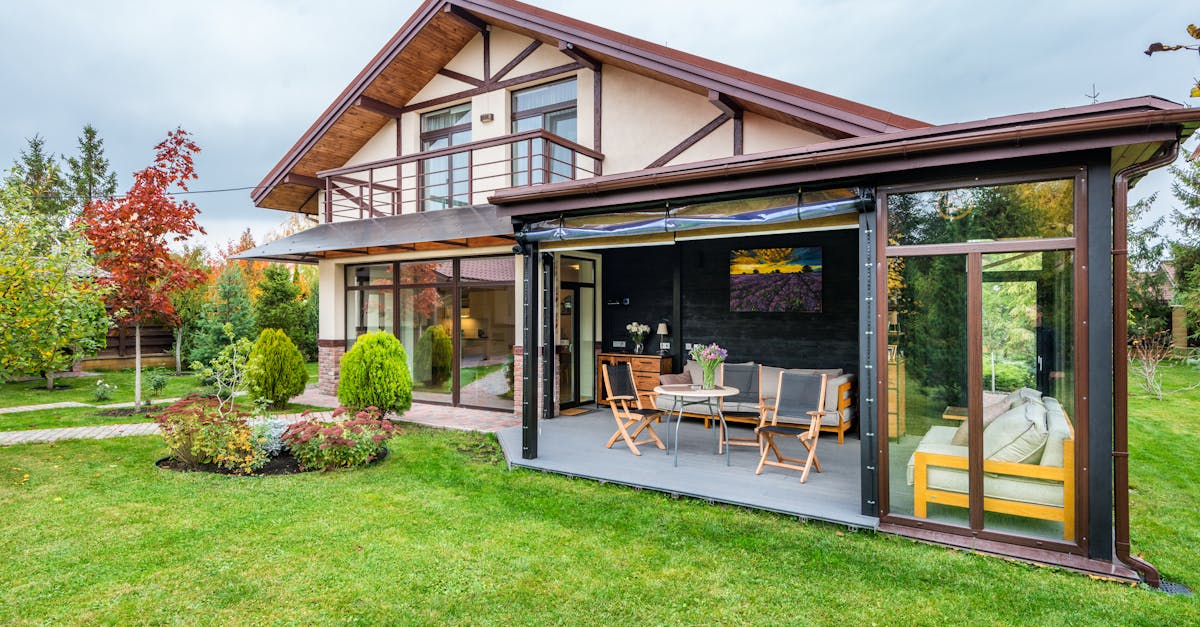
Winter Balcony Gardening Care and Maintenance:
Providing proper care to your winter balcony garden is essential for ensuring the health and productivity of your plants. Here are a few tips for winter balcony gardening care and maintenance:
- Watering: Watering is one of the most important aspects of winter balcony gardening. Water your plants regularly, but be careful not to overwater. The frequency of watering will depend on the weather conditions and the type of plants you are growing.
- Fertilizing: Fertilize your plants monthly with a balanced fertilizer. This will help to ensure that your plants are getting the nutrients they need to thrive.
- Pest and disease management: Monitor your plants regularly for pests and diseases. Treat any problems promptly with organic pest control methods.
Watering and Fertilizing
Watering and Fertilizing:
Watering and fertilizing are two of the most important aspects of winter balcony gardening care and maintenance. Here are a few tips for watering and fertilizing your winter balcony garden:
- Watering: The frequency of watering will depend on the weather conditions and the type of plants you are growing. During the winter months, you will need to water your plants less frequently than you would during the summer months. However, it is important to water your plants regularly, especially if the weather is dry.
- Fertilizing: Fertilize your plants monthly with a balanced fertilizer. This will help to ensure that your plants are getting the nutrients they need to thrive. When choosing a fertilizer, look for one that is specifically designed for winter use.
By following these tips, you can help to ensure that your winter balcony garden is healthy and productive.
Pest and Disease Management
Pest and Disease Management:
Monitoring your plants regularly for pests and diseases is essential for maintaining a healthy winter balcony garden. Here are a few tips for pest and disease management:
- Monitor your plants regularly: Inspect your plants regularly for signs of pests or diseases. Common pests include aphids, spider mites, and whiteflies. Common diseases include powdery mildew, rust, and botrytis.
- Use organic pest control methods: When possible, use organic pest control methods to treat pests and diseases. Organic pest control methods are less harmful to the environment and to your plants.
- Address issues promptly: If you do find pests or diseases on your plants, it is important to address the issue promptly. The sooner you address the problem, the less damage it will cause to your plants.
By following these tips, you can help to prevent and control pests and diseases in your winter balcony garden.
Winterizing and Protection
Winterizing and Protection:
Protecting your plants from extreme cold is essential for successful winter balcony gardening. Here are a few tips for winterizing and protecting your plants:
- Use row covers, frost blankets, or cold frames: Row covers, frost blankets, and cold frames can help to protect your plants from frost and cold temperatures. Row covers are made of a lightweight fabric that allows sunlight and water to pass through, while frost blankets are made of a heavier material that provides more protection from the cold. Cold frames are small, enclosed structures that can be placed over your plants to protect them from the elements.
- Bring sensitive plants indoors: If you have any sensitive plants, it is best to bring them indoors for the winter. This will help to protect them from the cold and other harsh weather conditions.
By following these tips, you can help to protect your plants from the cold and ensure that they survive the winter.
5. Enhancing the Aesthetics of Your Winter Balcony Garden
Enhancing the Aesthetics of Your Winter Balcony Garden:
Transforming your balcony into a visually appealing winter retreat is easy with a few simple touches. Here are a few ideas for enhancing the aesthetics of your winter balcony garden:
- Incorporate decorative elements: Adding decorative elements, such as colorful pots, lanterns, and wind chimes, can help to create a more inviting and stylish space.
- Maximize space: Make the most of your balcony space by using vertical gardening techniques, hanging planters, and compact plant varieties. This will help to create a lush and visually appealing garden, even if you have a small balcony.
By following these tips, you can create a beautiful and inviting winter balcony garden that you can enjoy all season long.
Vertical Greenery and Wall Gardens
Vertical Greenery and Wall Gardens:
Creating a vertical garden or living wall is a great way to add texture, color, and visual interest to your balcony. Vertical gardens can be created using a variety of plants, including vines, trailing plants, and even small shrubs.
To create a vertical garden, you will need to choose a suitable support structure. Trellises, wall-mounted planters, and hanging baskets are all good options. Once you have chosen a support structure, you can begin planting your vertical garden.
When planting a vertical garden, it is important to choose plants that are suitable for the amount of sunlight that your balcony receives. You should also consider the size and weight of the plants when choosing a support structure.
Vertical gardens are a great way to add greenery and visual interest to your balcony, and they can also help to improve air quality.
Decorative Containers and Planters
Decorative Containers and Planters:
Choosing stylish planters and containers is a great way to complement your balcony décor and enhance the overall aesthetic of your outdoor space. Planters and containers come in a variety of materials, styles, and sizes, so you can find the perfect ones to match your taste and the style of your balcony.
When choosing planters and containers for your winter balcony garden, it is important to consider the size and type of plants you will be growing. You should also consider the material of the planter or container. Some materials, such as terracotta and ceramic, are more porous than others, and they may need to be watered more frequently.
Decorative planters and containers can add a touch of style and sophistication to your balcony garden. They can also help to create a more cohesive and inviting outdoor space.
Cozy Lighting and Accessories
Cozy Lighting and Accessories:
Adding cozy lighting and accessories to your balcony can help to create a warm and inviting outdoor space that you can enjoy all winter long. String lights, lanterns, and comfortable seating are all great ways to add a touch of ambiance to your balcony.
String lights are a popular way to add lighting to a balcony. They can be strung around the perimeter of the balcony, or they can be hung from the ceiling. String lights come in a variety of colors and styles, so you can find the perfect ones to match your taste and the style of your balcony.
Lanterns are another great way to add lighting to a balcony. They can be placed on tables or on the floor, and they can be used to create a focal point. Lanterns come in a variety of styles, from traditional to modern, so you can find the perfect ones to match the style of your balcony.
Comfortable seating is essential for creating a cozy and inviting outdoor space. Choose chairs and sofas that are comfortable to sit in and that are weather-resistant. You may also want to add a few cushions or throws to make your seating area even more comfortable.
Quiz
- True or False: Balcony enclosures can help to protect plants from strong winds and cold temperatures.
- Which of the following is NOT a space-saving technique for balcony gardens? (a) Vertical gardening (b) Hanging planters (c) Using large containers
- Which type of plant is best suited for growing in compact spaces on a balcony? (a) Full-size tomato plants (b) Dwarf or compact plant varieties (c) Vining plants
- True or False: It is important to fertilize your winter balcony garden monthly.
- Which of the following is a common pest that can affect balcony plants? (a) Aphids (b) Caterpillars (c) Slugs
Answer Key
- True
- (c) Using large containers
- (b) Dwarf or compact plant varieties
- True
- (a) Aphids
Answer Key
- True
- (c) Using large containers
- (b) Dwarf or compact plant varieties
- True
- (a) Aphids
Unlock the Greenery Potential of Your Balcony: A Guide to Thriving Plants in Compact Spaces Attention all balcony-dwelling plant enthusiasts! Read more
Transform Your Balcony into a Flourishing Garden Oasis: A Step-by-Step Guide Beginning a balcony garden can be a fulfilling endeavor, Read more
Unlocking the Potential of Vertical Gardening on Balconies Are you tired of your cramped balcony but still longing for a Read more
Aromatic Delights: Cultivating Herbs on Your Balcony Oasis Whether you're a seasoned gardener or just starting out, growing herbs on Read more