
Unveiling the Aromatic Enchantment: A Journey to Fragrance Your Balcony Garden

Addictive Aromas: Transforming Your Balcony into a Fragrant Retreat
Step into a world of captivating scents as we embark on a journey to transform your balcony into an aromatic sanctuary. Every breath you take will be infused with the intoxicating fragrance of carefully chosen aromatic plants. Their enchanting scents tantalize the senses, promising both culinary delights and sensory bliss.
Discover the aromatic wonders of culinary herbs like basil, thyme, and rosemary, whose pungent aromas not only enhance culinary creations but also purify the air. Learn the secrets of their cultivation, ensuring they thrive in the confines of your balcony, always ready to infuse your meals and ambiance with their enchanting aromas.
Let fragrant flowers paint your balcony with vibrant hues and intoxicating scents. Picture rows of lavender, their purple blooms exuding a calming aroma, inviting you to unwind amidst their serene presence. Jasmine’s delicate white blossoms will enchant you with their sweet, heady fragrance, creating an enchanting atmosphere that soothes the soul.
1. Aromatic Herbs for Culinary Delights
Aromatic Herbs for Culinary Delights:
Introduce aromatic herbs like basil, thyme, and rosemary into your balcony garden for both culinary versatility and air purification. Their pungent aromas not only enhance culinary creations but also create a refreshing and revitalizing ambiance.
Basil, with its distinct peppery-sweet notes, is a versatile herb that adds a flavorful touch to a variety of dishes, from classic Italian sauces to vibrant Asian stir-fries. Thyme, with its earthy, slightly minty flavor, is a must-have for hearty soups, savory stews, and aromatic marinades. And rosemary, with its robust, pine-like aroma, pairs perfectly with roasted meats, grilled vegetables, and homemade bread.
These aromatic herbs not only tantalize the taste buds but also offer natural air purifying benefits. Studies have shown that basil can help reduce airborne bacteria, while thyme has been found to possess antibacterial and antifungal properties. Rosemary, known for its stimulating aroma, can help improve alertness and concentration.
Benefits of Aromatic Herbs
Benefits of Aromatic Herbs:
Culinary Delights:
Aromatic herbs are culinary powerhouses, adding depth of flavor and complexity to a wide range of dishes. Their unique flavor profiles can transform simple meals into extraordinary culinary experiences. Basil, with its sweet and slightly peppery notes, is a staple in Italian cooking, while thyme’s earthy, minty flavor enhances soups, stews, and marinades. Rosemary, with its robust, piney aroma, pairs perfectly with roasted meats and vegetables.
Health and Wellness:
Beyond their culinary prowess, aromatic herbs offer a wealth of health benefits. Basil is known to aid digestion, reduce inflammation, and boost immunity. Thyme possesses antibacterial and antifungal properties, making it a natural remedy for various ailments. Rosemary, with its stimulating aroma, can help improve alertness, memory, and circulation.
Air Purification:
In addition to their culinary and medicinal virtues, aromatic herbs can also help purify the air in your home. Studies have shown that basil can reduce airborne bacteria, while thyme has been found to eliminate mold and mildew. Rosemary’s invigorating aroma can help clear congestion and promote respiratory health.
Cultivation Tips for Herbs
Cultivation Tips for Herbs:
Soil Preference:
Herbs generally prefer well-drained soil with a pH between 6.0 and 7.0. You can use a potting mix specifically designed for herbs or create your own by mixing equal parts compost, peat moss, and perlite.
Sunlight Needs:
Most herbs require at least 6 hours of sunlight per day. If your balcony receives less sunlight, you may need to supplement with grow lights.
Watering Frequency:
Water your herbs regularly, but avoid overwatering. Allow the soil to dry out slightly between waterings. Overwatering can lead to root rot and other problems.
Fertilizing:
Fertilize your herbs every few weeks with a balanced fertilizer. Avoid over-fertilizing, as this can damage the plants.
Pruning:
Regular pruning encourages bushier growth and prevents the plants from becoming leggy. Pinch back the tips of the stems to promote new growth.
Pest and Disease Control:
Herbs are generally fairly resistant to pests and diseases, but they can be susceptible to aphids, spider mites, and other common garden pests. Inspect your plants regularly and treat any problems promptly.
2. Fragrant Flowers for a Sensory Feast
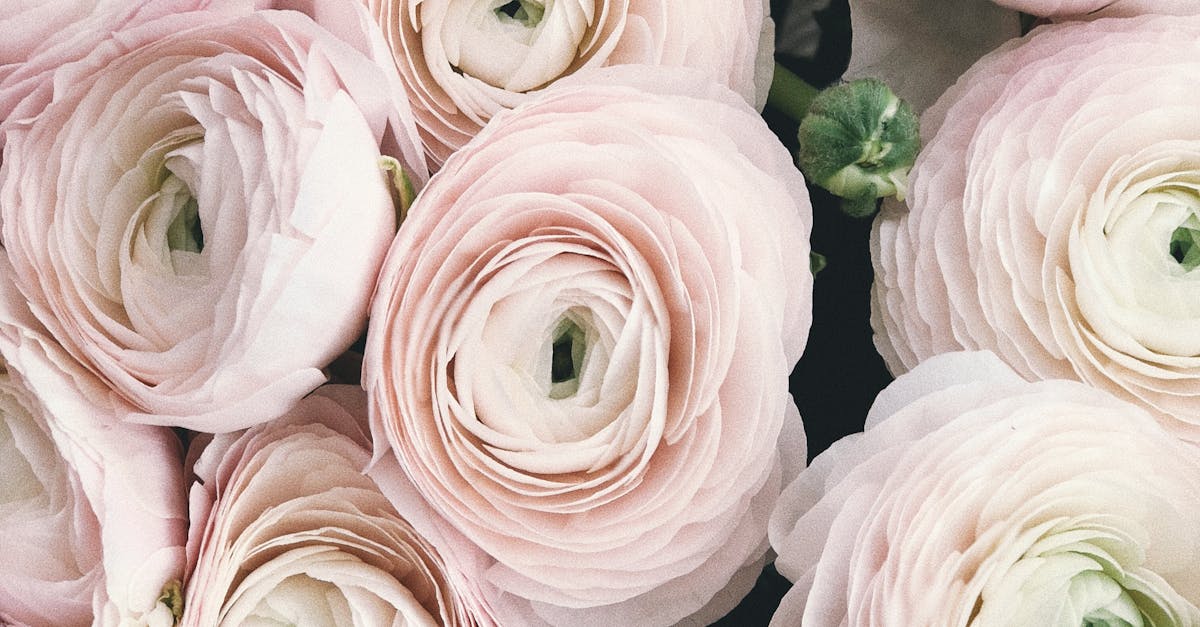
Fragrant Flowers for a Sensory Feast:
Transform your balcony into a vibrant haven with fragrant flowers such as lavender, jasmine, and gardenia. Their sweet aromas will create a serene and inviting atmosphere, turning your outdoor space into a sanctuary for the senses.
Lavender, with its soothing purple blooms and calming fragrance, is a quintessential choice for any balcony garden. Its sweet, herbaceous scent promotes relaxation and tranquility, making it perfect for unwinding after a long day. Jasmine, with its delicate white flowers and intoxicatingly sweet fragrance, is a symbol of love and beauty. Its heady aroma fills the air with an exotic allure, creating a romantic and enchanting ambiance.
Gardenia, with its glossy green leaves and large, fragrant white flowers, is a true showstopper. Its intense, sweet fragrance is both alluring and captivating, making it a popular choice for weddings and other special occasions. Whether you’re looking to create a relaxing retreat or a romantic oasis, these fragrant flowers are sure to transform your balcony into a sensory delight.
Choosing Fragrant Flowers
Choosing Fragrant Flowers:
When selecting fragrant flowers for your balcony garden, consider their blooming seasons, fragrance intensity, and compatibility with your balcony’s conditions.
Blooming Seasons:
Choose flowers that bloom at different times of the year to ensure a continuous display of fragrance on your balcony. Early bloomers, such as hyacinths and daffodils, will brighten your space in spring. Summer bloomers, like roses and lavender, will fill the air with their sweet scents during the warmer months. And fall bloomers, such as chrysanthemums and asters, will provide a burst of color and fragrance as the days grow shorter.
Fragrance Intensity:
Some flowers have a stronger fragrance than others. If you prefer a subtle scent, choose flowers like sweet peas or violets. For a more intense fragrance, opt for flowers like jasmine, gardenia, or hyacinth. Consider the size of your balcony when choosing the fragrance intensity of your flowers. A small balcony may be overwhelmed by a strong fragrance, while a larger balcony can accommodate more fragrant blooms.
Compatibility with Balcony Conditions:
Before selecting flowers for your balcony, consider the amount of sunlight, shade, and wind exposure your balcony receives. Some flowers, like sun-loving lantana and geraniums, thrive in full sun. Others, like impatiens and begonias, prefer partial shade. And some flowers, like rosemary and lavender, are tolerant of windy conditions.
Care Guide for Fragrant Flowers
Care Guide for Fragrant Flowers:
Once you’ve selected the perfect fragrant flowers for your balcony garden, it’s important to provide them with the proper care to ensure they thrive and continue to fill your space with their sweet scents.
Pruning Techniques:
Regular pruning encourages bushier growth and more blooms. For most fragrant flowers, it’s best to prune after they have finished blooming. Remove any dead or diseased stems, and cut back overgrown stems to a healthy bud. Some flowers, like lavender and rosemary, require more frequent pruning to maintain their shape and encourage new growth.
Fertilizing Schedules:
Fertilize your fragrant flowers regularly to provide them with the nutrients they need to produce abundant blooms and maintain their health. Use a balanced fertilizer diluted to half strength, and apply it according to the manufacturer’s instructions. Avoid over-fertilizing, as this can damage the plants.
Pest Management Strategies:
Fragrant flowers can be susceptible to a variety of pests, including aphids, spider mites, and whiteflies. Inspect your plants regularly for signs of pests, and treat any infestations promptly. Use organic pest control methods whenever possible, such as insecticidal soap or neem oil. If necessary, you may need to use chemical pesticides, but always follow the instructions carefully and wear protective gear.
3. Scented Foliage for Year-Round Fragrance
Scented Foliage for Year-Round Fragrance:
Incorporate scented foliage plants like scented geraniums, mint, and lemon balm into your balcony garden to enjoy continuous fragrance even when your flowers are not in bloom. These plants release their aromatic scents through their leaves, creating a delightful sensory experience all year round.
Scented geraniums, with their ruffled leaves and vibrant blooms, come in a wide range of fragrances, including rose, lemon, and peppermint. Their leaves can be used to make scented teas and potpourris, or simply crushed and enjoyed for their invigorating aroma. Mint, with its fresh, minty scent, is a versatile herb that can be used in culinary dishes, beverages, and aromatherapy. Lemon balm, with its citrusy fragrance, is known for its calming and soothing properties. Its leaves can be used to make teas, infusions, and even desserts.
By incorporating scented foliage plants into your balcony garden, you can create a fragrant oasis that will delight your senses throughout the year.
Varieties of Scented Foliage
Varieties of Scented Foliage:
The world of scented foliage plants is vast and diverse, offering a wide range of fragrances and textures to enhance your balcony garden. Here are a few popular varieties to consider:
Rosemary (Rosmarinus officinalis): With its needle-like leaves and invigorating piney scent, rosemary is a culinary and aromatic powerhouse. Its leaves can be used to flavor dishes, make teas, or simply crushed and enjoyed for their fresh aroma.
Lavender (Lavandula angustifolia): Known for its calming and soothing fragrance, lavender is a must-have for any fragrant balcony garden. Its silvery-green leaves release a sweet, floral scent that promotes relaxation and tranquility.
Scented Geraniums (Pelargonium graveolens): These versatile plants come in a wide range of leaf shapes and fragrances, including rose, lemon, and peppermint. Their aromatic leaves can be used to make teas, potpourris, or simply enjoyed for their invigorating scents.
Mint (Mentha spp.): With its refreshing, minty fragrance, mint is a popular herb for both culinary and medicinal purposes. Its leaves can be used to make teas, flavor dishes, or even create refreshing mojitos.
Lemon Balm (Melissa officinalis): This lemon-scented herb is known for its calming and soothing properties. Its leaves can be used to make teas, infusions, or even desserts, adding a refreshing citrusy flavor and aroma.
Cultivation and Care Tips
Cultivation and Care Tips:
To ensure your scented foliage plants thrive and continue to release their delightful fragrances, it’s important to provide them with the proper cultivation and care. Here are some tips to help you succeed:
Soil Preparation:
Most scented foliage plants prefer well-drained soil with a pH between 6.0 and 7.0. You can use a commercial potting mix specifically designed for container gardening, or create your own by mixing equal parts compost, peat moss, and perlite.
Watering Techniques:
Water your scented foliage plants regularly, but avoid overwatering. Allow the soil to dry out slightly between waterings. Overwatering can lead to root rot and other problems.
Fertilizing:
Fertilize your scented foliage plants every few weeks with a balanced fertilizer diluted to half strength. Avoid over-fertilizing, as this can damage the plants.
Propagation Methods:
Many scented foliage plants can be easily propagated from cuttings. Simply take a stem cutting of about 4-6 inches in length, remove the lower leaves, and plant it in a pot filled with moist potting mix. Keep the cutting warm and humid, and it should root within a few weeks.
4. Container Gardening for Balcony Fragrance

Container Gardening for Balcony Fragrance:
Container gardening is a great way to enjoy aromatic plants on your balcony, even if you don’t have a lot of space. By choosing the right containers, potting mix, and drainage considerations, you can ensure your plants thrive and fill your balcony with their delightful fragrances.
Choosing the Right Containers:
When choosing containers for your aromatic plants, consider the size of the plants, the amount of sunlight your balcony receives, and the overall aesthetic you want to achieve. Clay pots are a classic choice for container gardening, as they are porous and allow for good drainage. Plastic pots are also a good option, as they are lightweight and durable. Whatever type of container you choose, make sure it has drainage holes to prevent waterlogging.
Potting Mix:
The potting mix you use for your aromatic plants should be well-draining and rich in organic matter. You can use a commercial potting mix specifically designed for container gardening, or create your own by mixing equal parts compost, peat moss, and perlite.
Drainage Considerations:
Good drainage is essential for preventing root rot and other problems in container-grown plants. Make sure your containers have drainage holes, and place a layer of gravel or broken pottery in the bottom of the pot to help with drainage.
Selecting Containers for Aromatics
Selecting Containers for Aromatics:
When choosing containers for aromatic plants, there are several key factors to consider to ensure the health and well-being of your plants:
Size:
The size of the container should be appropriate for the size of the plant. A general rule of thumb is to choose a container that is at least twice the width of the root ball. This will give the plant enough room to grow and spread its roots.
Material:
Containers can be made from a variety of materials, including clay, plastic, metal, and wood. Clay pots are porous and allow for good drainage, but they can be heavy and prone to breakage. Plastic pots are lightweight and durable, but they can retain moisture, so it’s important to choose a pot with drainage holes. Metal pots can be stylish and durable, but they can heat up in the sun and damage the roots of your plants. Wooden pots are a good choice for larger plants, but they need to be treated to prevent rot.
Drainage:
Good drainage is essential for preventing root rot and other problems in container-grown plants. Make sure your containers have drainage holes, and place a layer of gravel or broken pottery in the bottom of the pot to help with drainage.
Creating the Ideal Potting Mix
Creating the Ideal Potting Mix:
A well-draining potting mix is essential for the health and growth of aromatic plants in containers. Here’s what you need to know about the composition and benefits of an ideal potting mix:
Composition:
A good potting mix for aromatic plants should be well-draining and rich in organic matter. A common recipe includes equal parts peat moss, compost, and perlite. Peat moss helps to retain moisture and nutrients, compost provides organic matter and nutrients, and perlite improves drainage and aeration. You can also add other materials to your potting mix, such as sand, vermiculite, or coconut coir, to adjust the drainage and moisture retention properties.
Benefits:
A well-draining potting mix provides several benefits for aromatic plants in containers:
- Prevents root rot: Good drainage allows excess water to drain away from the roots, preventing root rot and other problems.
- Promotes healthy root growth: A well-draining potting mix allows the roots of your plants to breathe and grow freely.
- Provides nutrients: The organic matter in a good potting mix provides essential nutrients for your plants.
- Retains moisture: Peat moss and other organic materials in the potting mix help to retain moisture, reducing the need for frequent watering.
5. Sensory Benefits of Aromatic Plants
Sensory Benefits of Aromatic Plants:
In addition to their visual beauty and culinary uses, aromatic plants offer a range of therapeutic and sensory benefits that can enhance your well-being and create a relaxing ambiance on your balcony.
Improved Mood:
The scents of aromatic plants have been shown to have a positive impact on mood. Inhaling the scent of lavender, for example, has been found to promote relaxation and reduce anxiety. The uplifting scent of rosemary can help to improve alertness and concentration. And the sweet, floral scent of jasmine is known to have a calming and soothing effect.
Reduced Stress:
The scents of aromatic plants can also help to reduce stress and promote relaxation. Studies have shown that inhaling the scent of basil can help to lower levels of the stress hormone cortisol. The calming scent of chamomile can help to ease tension and promote restful sleep. And the invigorating scent of peppermint can help to clear the mind and reduce feelings of fatigue.
Relaxing Ambiance:
The scents of aromatic plants can create a relaxing and inviting ambiance on your balcony. By incorporating a variety of fragrant plants into your balcony garden, you can create a sensory haven where you can unwind and de-stress after a long day. The sweet, herbaceous scent of basil, the minty freshness of mint, and the floral fragrance of lavender will combine to create a calming and peaceful atmosphere.
Aromatherapy on Your Balcony
Aromatherapy on Your Balcony:
Aromatherapy is the practice of using essential oils for therapeutic purposes. Essential oils are concentrated plant oils that contain the volatile compounds responsible for the plant’s scent. These compounds can be inhaled or applied to the skin to promote relaxation, relieve stress, and improve overall well-being.
One way to harness the power of aromatic plants in aromatherapy on your balcony is to diffuse essential oils. Essential oil diffusers use ultrasonic waves to break down essential oils into tiny particles that can be dispersed into the air. Inhaling these particles can have a variety of therapeutic benefits, depending on the essential oil used. For example, lavender essential oil is known for its calming and relaxing effects, while peppermint essential oil is known for its invigorating and stimulating effects.
Another way to use aromatic plants in aromatherapy on your balcony is to create scented candles. Scented candles can be made using essential oils and natural wax, such as beeswax or soy wax. When the candle is lit, the heat will release the essential oils into the air, creating a fragrant and relaxing ambiance. You can choose essential oils that have specific therapeutic benefits, such as lavender for relaxation or rosemary for improved concentration.
Creating a Relaxing Outdoor Oasis
Creating a Relaxing Outdoor Oasis:
With a little planning and creativity, you can easily transform your balcony into a relaxing outdoor oasis that promotes well-being and tranquility. Here are some tips for using aromatic plants to create a serene and inviting space:
Choose the Right Plants:
When choosing aromatic plants for your balcony garden, consider the scents that you find most relaxing and calming. Some popular choices include lavender, chamomile, jasmine, and mint. These plants release fragrant scents that can help to reduce stress, improve sleep, and create a sense of peace.
Create a Focal Point:
If your balcony is large enough, you can create a focal point by planting a small tree or shrub in a large pot. This will provide a visual anchor for your garden and create a sense of privacy. You can also use a trellis or archway to create a vertical focal point and add height to your garden.
Add Lighting:
Lighting is an important element in creating a relaxing outdoor space. String lights or lanterns can provide a soft, ambient glow that will make your balcony feel more inviting at night. You can also use candles to create a warm and romantic atmosphere.
Quiz:
- Which of the following is NOT a benefit of aromatic herbs?
(a) Aiding digestion (b) Boosting immunity (c) Enhancing flavor profiles (d) Treating skin infections
-
True or False: Fragrant flowers can only be enjoyed during their blooming season.
-
What is the key factor to consider when choosing containers for aromatic plants?
(a) Size (b) Material (c) Drainage capabilities (d) All of the above
- Which of the following scents is known for its calming and relaxing effects?
(a) Rosemary (b) Lavender (c) Peppermint (d) Basil
- True or False: Aromatherapy can only be practiced using essential oil diffusers.
Answer Key:
- (d) Treating skin infections
- False
- (d) All of the above
- (b) Lavender
- False
Unlock the Greenery Potential of Your Balcony: A Guide to Thriving Plants in Compact Spaces Attention all balcony-dwelling plant enthusiasts! Read more
Transform Your Balcony into a Flourishing Garden Oasis: A Step-by-Step Guide Beginning a balcony garden can be a fulfilling endeavor, Read more
Unlocking the Potential of Vertical Gardening on Balconies Are you tired of your cramped balcony but still longing for a Read more
Aromatic Delights: Cultivating Herbs on Your Balcony Oasis Whether you're a seasoned gardener or just starting out, growing herbs on Read more