
The Art of Container Grape Growing: A Journey to Homegrown Delights
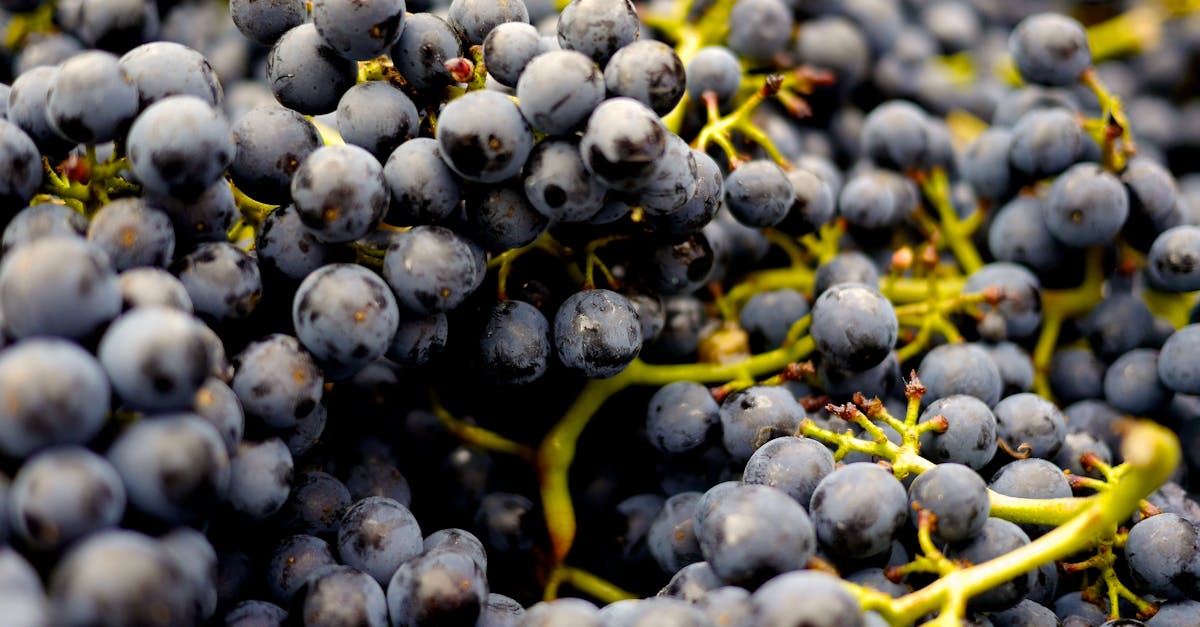
Harvesting the Sweet Rewards: Exploring the Art of Growing Grapes in Containers
Imagine the delight of savoring the juicy sweetness of homegrown grapes, plucked fresh from vines thriving in your own backyard or on a cozy balcony. Container gardening empowers you to cultivate this culinary treasure, even in space-conscious environments. In this comprehensive guide, we delve into the intricacies of growing grapes in containers, equipping you with the knowledge and techniques to nurture a bountiful harvest. Prepare to embark on a journey where nature’s artistry meets your nurturing care, culminating in the delectable reward of homegrown grapes.
Grapes, with their luscious sweetness and versatile culinary applications, are a delightful addition to any home garden. Traditionally cultivated in vineyards spanning acres of land, the art of grape growing has now been adapted to the realm of containers, making it accessible to urban gardeners and homeowners alike. Whether you yearn for a touch of viticulture in your backyard or seek to adorn your balcony with a touch of verdant charm, container gardening presents an enticing opportunity to cultivate this delectable fruit.
In this comprehensive guide, we will explore the intricacies of growing grapes in containers. We will delve into selecting the optimal container, crafting the perfect soil mix, choosing the right grape varieties, and mastering the art of planting and trellising. Furthermore, we will unveil the secrets of effective water and nutrient management, empowering you with the knowledge to nurture your grapevines and reap a bountiful harvest. By following these expert tips and techniques, you will transform your containers into thriving grape-growing havens, bringing the joy of homegrown grapes to your doorstep.
1. Choosing the Right Container
When selecting a container for your grapevine, several key factors come into play to ensure healthy root development and optimal growth.
-
Container Size: Choose a container that provides ample space for the grapevine’s root system to expand and thrive. A general rule of thumb is to select a container that is at least 18 inches in diameter and 14 inches deep. This provides sufficient room for the roots to spread out and establish a strong foundation for the plant.
-
Container Material: The material of the container also plays a crucial role. Opt for containers made of durable and breathable materials such as terracotta, ceramic, or polyethylene. These materials allow for proper aeration and drainage, preventing root rot and promoting healthy root growth. Avoid containers made of materials that retain moisture, as this can lead to waterlogged soil and root damage.
-
Drainage Holes: Ensure that the container you choose has adequate drainage holes at the bottom. These holes allow excess water to drain out, preventing waterlogging and root rot. If the container does not have drainage holes, you can drill some yourself using a power drill and drill bit. Make sure the holes are large enough to allow water to drain freely.
Container Size
Container Size: Accommodating the Grapevine’s Root System
When choosing the right container size for your grapevine, it’s crucial to consider the plant’s mature root system. Grapevines have extensive root systems that require ample space to spread and grow. Selecting a container that is too small can restrict root development, stunt the plant’s growth, and reduce its fruit production.
As a general guideline, choose a container that is at least 18 inches in diameter and 14 inches deep. This size provides sufficient space for the roots to expand and establish a strong foundation. The diameter of the container is particularly important, as the roots tend to grow outward rather than downward.
If you are growing a particularly vigorous grapevine variety, or if you plan to keep the plant in the container for an extended period, you may want to choose an even larger container. Some grapevines can benefit from containers as large as 24 inches in diameter and 18 inches deep.
Container Material
Container Material: Choosing the Right Material for Grapevine Health
The material of the container you choose plays a significant role in the health and growth of your grapevine. Different materials offer varying levels of breathability, insulation, and durability, each impacting the plant’s root system and overall well-being.
Terracotta, ceramic, and polyethylene are among the most suitable materials for grapevine containers. These materials provide good aeration, allowing air to circulate around the roots and preventing root rot. They also offer insulation, protecting the roots from extreme temperatures and preventing the soil from drying out too quickly.
Terracotta and ceramic containers are particularly well-suited for warm climates, as they help keep the soil cool and moist. Polyethylene containers, on the other hand, are more durable and lightweight, making them easier to move and handle. They are also less susceptible to cracking or breaking than terracotta or ceramic containers.
Drainage Holes
Drainage Holes: Preventing Root Rot and Ensuring Healthy Growth
Proper drainage is crucial for the health of your grapevine. Excess water can lead to waterlogged soil, which can suffocate the roots and cause root rot. To prevent this, choose containers with adequate drainage holes at the bottom. These holes allow excess water to drain out, ensuring that the soil remains well-aerated and the roots can breathe.
The size and number of drainage holes will vary depending on the size of the container. As a general rule, there should be at least one drainage hole for every 6 inches of container diameter. The holes should be large enough to allow water to drain freely, but not so large that soil can wash out.
If the container does not have drainage holes, you can drill some yourself using a power drill and drill bit. Make sure the holes are large enough to allow water to drain freely.
2. Preparing the Soil Mix
Preparing the Soil Mix: Creating the Ideal Environment for Grapevines
The soil mix you use for your grapevine container plays a crucial role in its growth and productivity. Grapevines prefer a well-draining, nutrient-rich soil that provides good aeration and moisture retention. To create the ideal soil mix, combine the following components:
-
Potting soil: Use a high-quality potting soil that is specifically designed for container gardening. These potting mixes typically contain a blend of peat moss, compost, and perlite, which provides a good balance of drainage, aeration, and moisture retention.
-
Perlite: Perlite is a volcanic rock that is crushed and expanded to create a lightweight, porous material. It helps to improve drainage and aeration, preventing the soil from becoming compacted.
-
Compost: Compost adds organic matter to the soil, which helps to improve fertility and moisture retention. It also provides beneficial microorganisms that help to break down nutrients and make them available to the plant.
Mix these components together in equal parts to create a well-balanced soil mix that is ideal for growing grapevines in containers.
Soil Components
Soil Components: Creating a Balanced and Nutrient-Rich Environment
When preparing the soil mix for your grapevine container, it is important to use a combination of components that will provide a balanced blend of nutrients, aeration, and moisture retention. The following components are essential:
-
Potting soil: Potting soil is a commercial growing medium that is specifically designed for container gardening. It typically contains a blend of peat moss, compost, and perlite, which provides a good balance of drainage, aeration, and moisture retention.
-
Perlite: Perlite is a volcanic rock that is crushed and expanded to create a lightweight, porous material. It helps to improve drainage and aeration, preventing the soil from becoming compacted.
-
Compost: Compost is organic matter that has been decomposed by microorganisms. It adds nutrients to the soil and helps to improve moisture retention.
By combining these components in equal parts, you can create a well-balanced soil mix that will provide the ideal growing environment for your grapevine.
pH Level
pH Level: The Importance of Soil Acidity for Grapevine Health
The pH level of the soil is a measure of its acidity or alkalinity. Grapevines prefer slightly acidic soil, with a pH between 6.0 and 6.5. This pH range allows the grapevine to optimally absorb nutrients from the soil.
If the soil pH is too high (alkaline), the grapevine may have difficulty absorbing iron and other essential nutrients. This can lead to nutrient deficiencies, which can stunt growth and reduce fruit production.
If the soil pH is too low (acidic), the grapevine may be more susceptible to diseases and pests. It can also lead to aluminum toxicity, which can damage the roots and reduce the plant’s ability to take up water and nutrients.
To ensure optimal grapevine growth and nutrient uptake, it is important to maintain the soil pH between 6.0 and 6.5. This can be done by adding sulfur to lower the pH or lime to raise the pH.
Fertilization
Fertilization: Providing Essential Nutrients for Grapevine Health
Grapevines require a steady supply of nutrients to produce healthy growth and abundant fruit. Fertilization is essential for providing these nutrients, and it should be done regularly throughout the growing season.
There are two main types of fertilizers that can be used for grapevines: organic fertilizers and controlled-release granules. Organic fertilizers, such as compost and manure, provide a slow and steady release of nutrients over time. Controlled-release granules, on the other hand, release nutrients more gradually, providing a consistent supply of nutrients to the grapevine.
When choosing a fertilizer for your grapevine, it is important to select one that is specifically designed for grapes. Grapevines have specific nutrient requirements, and a fertilizer that is not designed for grapes may not provide the right balance of nutrients.
To fertilize your grapevine, simply incorporate the fertilizer into the soil mix when planting. You can also fertilize your grapevine throughout the growing season by applying the fertilizer to the soil around the base of the plant.
3. Selecting Grape Varieties
Selecting Grape Varieties: Choosing the Right Varieties for Container Gardening
When choosing grape varieties for container gardening, there are several factors to consider, including the size of the container, the pollination requirements of the variety, and the disease resistance of the variety.
Size:
The size of the container will determine the size of the grapevine you can grow. Dwarf and semi-dwarf varieties are best suited for container gardening, as they will not outgrow the container.
Pollination requirements:
Some grape varieties are self-fertile, meaning that they do not require another grapevine to produce fruit. Other varieties are self-sterile, meaning that they require another grapevine of a different variety to produce fruit. If you are growing a self-sterile variety, you will need to plant at least two grapevines of different varieties in order to get fruit.
Disease resistance:
Grapevines are susceptible to a number of diseases, including powdery mildew, downy mildew, and black rot. Choosing a variety that is resistant to these diseases will help to keep your grapevine healthy and productive.
Recommended varieties for container gardening:
There are a number of grape varieties that are well-suited for container gardening, including:
- Dwarf varieties: ‘Pixie’, ‘Venus’, ‘Mars’
- Semi-dwarf varieties: ‘Concord’, ‘Niagara’, ‘Cabernet Sauvignon’
- Self-fertile varieties: ‘Concord’, ‘Niagara’, ‘Mars’
- Disease-resistant varieties: ‘Concord’, ‘Niagara’, ‘Venus’
By considering these factors, you can choose the right grape varieties for your container garden and enjoy fresh, homegrown grapes for years to come.
Container-Friendly Varieties
Container-Friendly Varieties: Grape Varieties Bred for Success in Containers
When choosing grape varieties for container gardening, it is important to select varieties that are specifically bred for compact growth and high yields in containers. These varieties are typically dwarf or semi-dwarf in size, and they have a naturally bushy growth habit that is well-suited for containers.
Some of the most popular container-friendly grape varieties include:
- Pixie: A dwarf variety that produces small, sweet grapes.
- Venus: A dwarf variety that is resistant to powdery mildew and downy mildew.
- Mars: A semi-dwarf variety that produces large, flavorful grapes.
- Concord: A classic grape variety that is well-suited for container gardening.
- Niagara: A white grape variety that is known for its high yields.
These varieties are all relatively easy to grow in containers, and they will produce a bountiful harvest of grapes with proper care.
In addition to the varieties listed above, there are a number of other container-friendly grape varieties available. When selecting a variety, be sure to read the plant tag carefully to ensure that the variety is well-suited for container gardening.
Pollination Considerations
Pollination Considerations: Ensuring Fruit Set in Container-Grown Grapes
Some grape varieties are self-fertile, meaning that they can produce fruit without the need for another grapevine. However, many grape varieties are self-sterile, meaning that they require another grapevine of a different variety in order to produce fruit.
If you are growing a self-sterile grape variety, it is important to plant at least two grapevines of different varieties in order to ensure fruit set. The two varieties should be planted close together, within 10-15 feet of each other.
When selecting grape varieties for cross-pollination, it is important to choose varieties that bloom at the same time. This will ensure that there is overlap in the blooming periods of the two varieties, which is necessary for successful pollination.
Some good combinations of grape varieties for cross-pollination include:
- Concord and Niagara
- Concord and Mars
- Venus and Mars
- Pixie and Venus
- Pixie and Mars
By planting multiple grape varieties and ensuring that they bloom at the same time, you can increase the chances of fruit set and enjoy a bountiful harvest of grapes.
Disease Resistance
Disease Resistance: Minimizing the Need for Chemical Treatments
Grapevines are susceptible to a number of diseases, including powdery mildew, downy mildew, and black rot. These diseases can damage the leaves, fruit, and canes of the grapevine, reducing yields and making the plant more susceptible to other pests and diseases.
One of the best ways to control grapevine diseases is to choose varieties that are resistant to these diseases. Disease-resistant varieties are less likely to develop symptoms of the disease, even when they are exposed to the pathogen. This can reduce the need for chemical treatments, which can be harmful to the environment and to beneficial insects.
Some of the most common grapevine diseases and their symptoms include:
- Powdery mildew: A white or gray powdery growth on the leaves, fruit, and canes.
- Downy mildew: A yellow or brown discoloration on the leaves, which may eventually turn brown and fall off.
- Black rot: Black lesions on the leaves, fruit, and canes.
There are a number of grape varieties that are resistant to these diseases. When selecting a variety for your container garden, be sure to read the plant tag carefully to ensure that the variety is resistant to the diseases that are common in your area.
By choosing disease-resistant grape varieties, you can reduce the need for chemical treatments and enjoy a bountiful harvest of healthy grapes.
4. Planting and Trellising
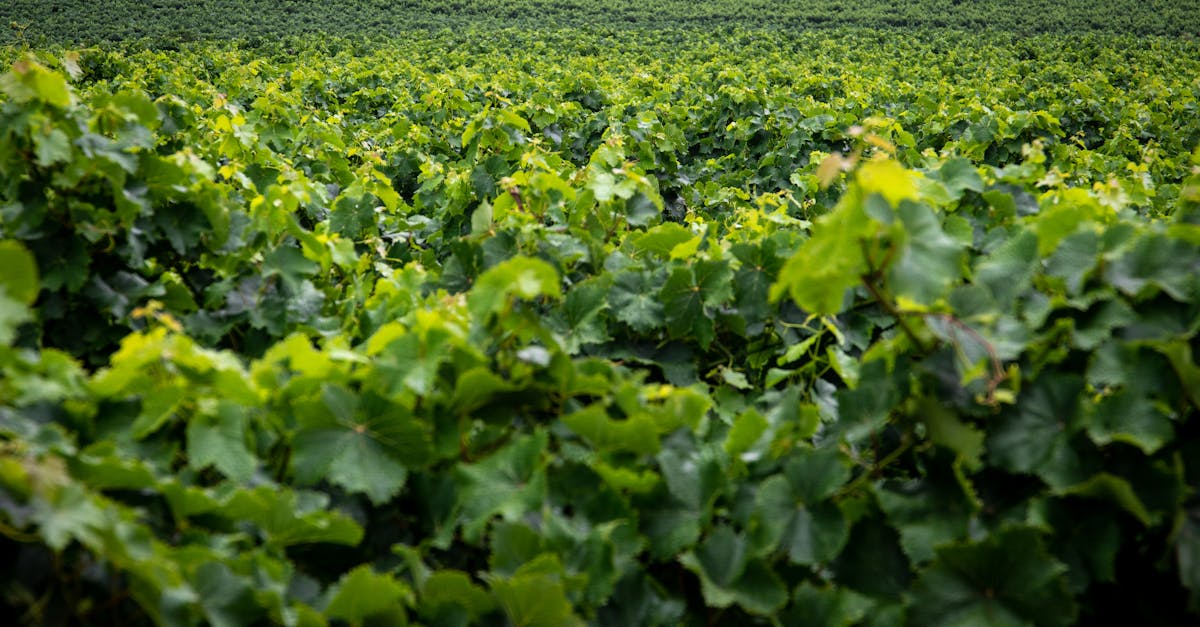
Planting and Trellising: Establishing a Strong Foundation for Grapevine Growth
Proper planting and trellising are essential for the health and productivity of grapevines. Planting the grapevine at the correct depth and providing adequate support will help to ensure that the vine establishes a strong root system and grows vigorously.
Planting:
- Choose a sunny location with well-drained soil.
- Dig a hole that is twice as wide as the root ball and just as deep.
- Place the grapevine in the hole and backfill with soil, tamping down gently to remove any air pockets.
- Water the grapevine deeply.
Trellising:
- Trellising provides support for the grapevine as it grows, helping to keep the canes off the ground and improve air circulation.
- There are a variety of trellising systems available, so choose one that is appropriate for your space and needs.
- Some common trellising systems for container-grown grapevines include:
- Single-post trellis
- T-trellis
- Pergola
Once you have planted and trellised your grapevine, it is important to provide regular care, including watering, fertilizing, and pruning. With proper care, your grapevine will thrive and produce a bountiful harvest of grapes for many years to come.
Planting Depth
Planting Depth: Ensuring Proper Root Development
When planting grapevines in containers, it is important to plant them at the same depth they were in their nursery containers. Planting too deeply can restrict root growth and development, leading to stunted growth and reduced yields.
The ideal planting depth for grapevines is just deep enough so that the top of the root ball is level with the soil surface. When planting, be sure to gently loosen the roots of the grapevine before placing it in the hole. This will help to encourage the roots to spread out and establish a strong root system.
After planting, water the grapevine deeply and regularly, especially during the first few weeks after planting. This will help to settle the soil around the roots and prevent the vine from drying out.
By planting grapevines at the correct depth and providing regular care, you can help to ensure that your vines establish a strong root system and grow vigorously.
Trellising Systems
Trellising Systems: Supporting Grapevine Growth and Productivity
Trellising systems provide support for grapevines as they grow, helping to keep the canes off the ground and improve air circulation. This can lead to increased fruit production and reduced disease pressure.
There are a variety of trellising systems available, so choose one that is appropriate for your space and needs. Some common trellising systems for container-grown grapevines include:
- Single-post trellis: A single post is placed in the center of the container, and the grapevine is trained to grow up the post.
- T-trellis: Two posts are placed on either side of the container, and a crossbar is placed between the posts. The grapevine is trained to grow up the posts and along the crossbar.
- Pergola: A pergola is a more elaborate trellising system that can be used to create a shaded area for growing grapes.
When choosing a trellising system, consider the following factors:
- The size of your container: The size of your container will determine the size of the trellising system that you need.
- The type of grapevine you are growing: Some grapevines are more vigorous than others, so you will need to choose a trellising system that is strong enough to support the weight of the vine.
- Your budget: Trellising systems can range in price from simple and inexpensive to more elaborate and expensive.
Once you have chosen a trellising system, be sure to install it properly and provide regular maintenance. This will help to ensure that your grapevine has the support it needs to grow and produce fruit for many years to come.
Canopy Management
Canopy Management: Shaping the Grapevine for Optimal Growth and Production
Canopy management is the practice of pruning and training the grapevine canopy to encourage fruit production and maintain a healthy plant structure. Proper canopy management can help to:
- Increase fruit production
- Improve fruit quality
- Reduce disease pressure
- Improve air circulation
- Facilitate作業
There are a variety of pruning and training techniques that can be used to manage the grapevine canopy. The specific techniques that you use will depend on the type of grapevine you are growing, the climate in your area, and your personal preferences.
Some common pruning and training techniques include:
- Cane pruning: This technique involves pruning the grapevine back to a few canes each year. The canes are then trained to grow up a trellis or other support structure.
- Guyot pruning: This technique involves pruning the grapevine back to a single cane each year. The cane is then trained to grow horizontally along a wire.
- VSP (Vertical Shoot Positioning): This technique involves training the grapevine to grow vertically, with the shoots positioned upright.
Canopy management is an ongoing process that should be carried out throughout the growing season. By regularly pruning and training your grapevine, you can help to ensure that it produces a bountiful harvest of grapes for many years to come.
5. Water and Nutrient Management
Water and Nutrient Management: Maintaining Optimal Conditions for Grapevine Health and Productivity
Water and nutrient management are essential for the health and productivity of grapevines. Providing the right amount of water and nutrients at the right time can help to promote vigorous growth, abundant fruit production, and resistance to pests and diseases.
Watering:
Grapevines require a moderate amount of water, especially during the hot summer months. The frequency of watering will depend on the climate in your area, the size of your grapevine, and the type of soil you are growing it in.
When watering grapevines, it is important to water deeply and infrequently. This encourages the roots to grow deep into the soil, making the plant more drought-tolerant. Avoid overwatering, as this can lead to root rot and other problems.
Fertilization:
Grapevines also require a regular supply of nutrients to produce healthy growth and fruit. Fertilize your grapevine every few weeks during the growing season with a balanced fertilizer. Be sure to follow the instructions on the fertilizer package carefully.
In addition to regular fertilization, you may also want to apply a layer of organic mulch around the base of your grapevine. Mulch helps to retain moisture, suppress weeds, and regulate soil temperature.
By providing your grapevine with the right amount of water and nutrients, you can help to ensure that it thrives and produces a bountiful harvest of grapes for many years to come.
Watering Schedule
Watering Schedule: Finding the Balance for Grapevine Health
Grapevines require a moderate amount of water to thrive, but it is important to avoid overwatering or underwatering. Overwatering can lead to root rot and other problems, while underwatering can stunt growth and reduce yields.
The best way to determine when to water your grapevine is to check the soil moisture. Stick your finger in the soil to a depth of about 2 inches. If the soil feels dry, it is time to water. If the soil is still moist, wait a few more days before watering.
During hot, dry weather, you may need to water your grapevine more frequently. However, it is important to avoid overwatering, especially during the ripening period. Overwatering during ripening can lead to diluted grapes with a lower sugar content.
Here are some tips for watering grapevines:
- Water deeply and infrequently. This encourages the roots to grow deep into the soil, making the plant more drought-tolerant.
- Avoid overwatering. Overwatering can lead to root rot and other problems.
- Check the soil moisture before watering. Stick your finger in the soil to a depth of about 2 inches. If the soil feels dry, it is time to water.
- Water at the base of the plant. Avoid getting the leaves wet, as this can promote disease.
- Use a soaker hose or drip irrigation system to water your grapevine. This helps to deliver water directly to the roots, minimizing evaporation.
Fertilization
Fertilization: Nourishing Grapevines for Optimal Growth and Production
Grapevines require a regular supply of nutrients to produce healthy growth and abundant fruit. Fertilizing your grapevine throughout the growing season will help to ensure that it has the nutrients it needs to thrive.
When fertilizing grapevines, it is important to use a balanced fertilizer that contains nitrogen, phosphorus, and potassium. Nitrogen promotes vegetative growth, phosphorus promotes root development and fruit production, and potassium helps to improve the overall health and vigor of the plant.
The specific fertilizer recommendations for container-grown grapevines will vary depending on the size of the container, the type of potting mix you are using, and the climate in your area. It is important to follow the instructions on the fertilizer package carefully.
In general, you should fertilize your grapevine every few weeks during the growing season. You can use a water-soluble fertilizer or a slow-release fertilizer. Water-soluble fertilizers are applied directly to the soil, while slow-release fertilizers are applied to the soil and release nutrients over time.
Here are some tips for fertilizing grapevines:
- Use a balanced fertilizer that contains nitrogen, phosphorus, and potassium.
- Follow the instructions on the fertilizer package carefully.
- Fertilize your grapevine every few weeks during the growing season.
- Water your grapevine deeply after fertilizing.
Mulching
Mulching: Enhancing Grapevine Health and Productivity
Mulch is a layer of material that is spread around the base of plants to retain moisture, suppress weeds, and regulate soil temperature. Mulch can also help to improve soil structure and fertility.
Grapevines benefit from a layer of mulch around their base. Mulch helps to keep the soil moist, which is especially important during hot, dry weather. Mulch also helps to suppress weeds, which can compete with grapevines for water and nutrients. In addition, mulch helps to regulate soil temperature, which can help to protect grapevines from extreme heat or cold.
There are many different types of mulch that can be used for grapevines, including:
- Straw
- Hay
- Bark
- Compost
- Wood chips
When choosing a mulch for your grapevines, it is important to select a material that is weed-free and will not decompose too quickly. It is also important to apply mulch in a layer that is 2-3 inches thick.
Here are some tips for mulching grapevines:
- Apply a layer of mulch around the base of your grapevines, but avoid piling mulch up against the trunk of the plant.
- Water your grapevines deeply after applying mulch.
- Replenish the mulch layer as needed, especially after heavy rains or winds.
Quiz: Test Your Grapevine Growing Knowledge
- Which of the following is NOT a key factor to consider when choosing a container for grapevines?
(a) Container size (b) Container material (c) Container shape (d) Drainage holes
- What is the ideal pH range for grapevine growth?
(a) 5.0-6.0 (b) 6.0-6.5 (c) 7.0-7.5 (d) 8.0-8.5
-
True or False: All grapevine varieties are self-fertile.
-
Which of the following is a benefit of mulching grapevines?
(a) Retains moisture (b) Suppresses weeds (c) Regulates soil temperature (d) All of the above
- How often should you fertilize grapevines during the growing season?
(a) Once a month (b) Every few weeks (c) Once a year (d) Only when the leaves turn yellow
Answer Key:
- (c) Container shape
- (b) 6.0-6.5
- False
- (d) All of the above
- (b) Every few weeks
Unlock the Greenery Potential of Your Balcony: A Guide to Thriving Plants in Compact Spaces Attention all balcony-dwelling plant enthusiasts! Read more
Transform Your Balcony into a Flourishing Garden Oasis: A Step-by-Step Guide Beginning a balcony garden can be a fulfilling endeavor, Read more
Unlocking the Potential of Vertical Gardening on Balconies Are you tired of your cramped balcony but still longing for a Read more
Aromatic Delights: Cultivating Herbs on Your Balcony Oasis Whether you're a seasoned gardener or just starting out, growing herbs on Read more