
Maximize Your Balcony’s Potential: A Comprehensive Guide to Small-Space Fruit Gardening

Growing a fruit garden on a small balcony can be a challenging yet rewarding experience. With limited space, maximizing yield while ensuring optimal plant growth and health requires careful planning and creative gardening techniques. This comprehensive guide will provide you with all the essential knowledge and practical tips you need to cultivate a flourishing fruit garden on your balcony, transforming it into a miniature orchard where you can enjoy the sweet taste of homegrown produce.
In this in-depth exploration into balcony fruit gardening, we will delve into the art of vertical gardening, companion planting, and selecting high-yield fruit varieties. You’ll discover innovative techniques for maximizing vertical space, such as trellises, hanging planters, and vertical stacking, allowing you to grow a diverse array of fruit plants in a compact area. We will also explore companion planting principles that can enhance the growth and health of your balcony garden, promoting natural pest control and optimizing space utilization.
Furthermore, we’ll guide you in selecting the right fruit varieties for your balcony garden, considering factors such as size, yield potential, and disease resistance. Whether you’re a seasoned gardener or just starting your balcony gardening journey, this guide will empower you with the knowledge and techniques to cultivate a thriving fruit garden, bringing the joy of homegrown produce to your urban oasis.
1. Introduction
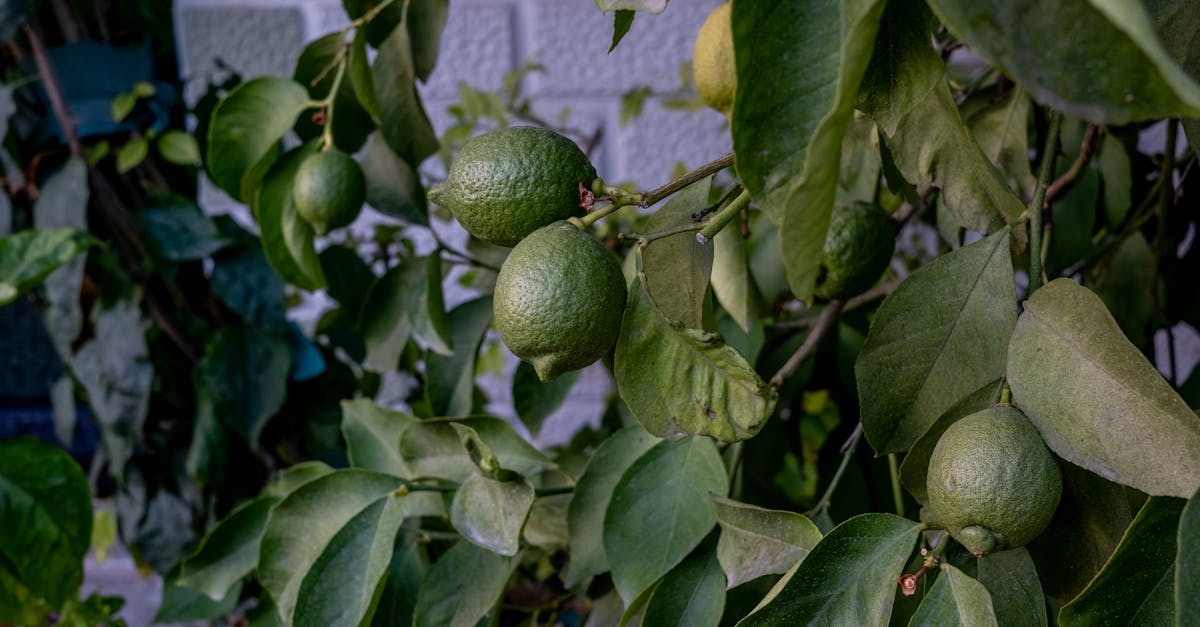
Introduction: Overview of the benefits and challenges of small-space balcony fruit gardening.
Cultivating a fruit garden on a small balcony offers a myriad of benefits. It allows urban dwellers and apartment residents to enjoy the pleasures of homegrown produce, regardless of limited outdoor space. Balcony fruit gardening can provide access to fresh, organic, and nutrient-rich fruits, promoting healthy eating habits and reducing reliance on store-bought produce. Additionally, it can beautify balconies, transforming them into vibrant and lush oases, while offering therapeutic benefits through the connection with nature and the satisfaction of growing one’s own food.
However, balcony fruit gardening also presents certain challenges. The limited space requires careful planning and innovative techniques to maximize yield and ensure optimal plant growth. Factors such as sunlight exposure, wind, and access to water need to be carefully considered and addressed. Additionally, choosing the right fruit varieties, proper watering and fertilization, and managing pests and diseases in a small-space environment require knowledge and attention to detail. Despite these challenges, with proper planning and dedication, it is possible to overcome the limitations of small balconies and cultivate a flourishing fruit garden that provides a bountiful harvest and aesthetic enjoyment.
2. Vertical Gardening Techniques

Vertical Gardening Techniques: Strategies for maximizing vertical space, such as trellises, hanging planters, and vertical stacking.
In balcony fruit gardening, maximizing vertical space is crucial due to the limited horizontal area. Vertical gardening techniques allow you to grow a variety of fruit plants in a small footprint, creating a lush and productive garden. One effective method is the use of trellises. Trellises provide support for climbing plants, such as tomatoes, cucumbers, and beans, allowing them to grow vertically, saving ground space and maximizing sunlight exposure. Choosing the right trellis for your balcony is important, considering factors like material, size, and durability.
Hanging planters are another excellent way to add verticality to your balcony garden. They can be suspended from walls, ceilings, or railings, allowing you to grow trailing plants like strawberries, herbs, and leafy greens. Hanging planters come in various sizes and materials, so you can select the ones that best suit your space and aesthetic preferences. Additionally, vertical stacking techniques can significantly increase the number of plants you can grow on your balcony. Tower gardens and tiered planters allow you to stack containers vertically, creating a compact and efficient growing system. These techniques are particularly suitable for growing compact fruit plants like strawberries, lettuce, and dwarf tomatoes.
Choosing the Right Trellises
Choosing the Right Trellises: Factors to consider when selecting trellises for balcony gardening, including material, size, and durability.
When choosing trellises for your balcony fruit garden, several factors need to be considered to ensure optimal support and growth for your climbing plants. Material is a crucial aspect, as trellises can be made from various materials, including wood, metal, plastic, and bamboo. Wooden trellises provide a natural and aesthetically pleasing look, but they may require regular maintenance to prevent rot and decay. Metal trellises are durable and sturdy, but they can be prone to rust if not properly coated. Plastic trellises are lightweight and affordable, but they may not be as durable as other materials. Bamboo trellises offer a sustainable and eco-friendly option, combining durability with an attractive appearance.
Size is another important consideration when selecting trellises. The size of the trellis should be appropriate to the size and growth habit of your climbing plants. Smaller trellises are suitable for compact plants like dwarf tomatoes or cucumbers, while larger trellises are necessary for vigorous climbers like pole beans or grapes. It’s important to choose a trellis that is tall enough to provide adequate support for the plant’s growth without overcrowding the balcony space.
Durability is essential, especially in balcony gardening, where trellises may be exposed to strong winds or harsh weather conditions. Look for trellises made from sturdy materials that are resistant to rust, rot, and fading. Consider the weight of the climbing plants you intend to grow and choose a trellis that can withstand their weight without collapsing or becoming unstable.
Effective Use of Hanging Planters
Effective Use of Hanging Planters: Types of hanging planters suitable for balconies, as well as tips for optimal placement and plant selection.
Hanging planters are a versatile and space-saving way to add greenery and beauty to your balcony fruit garden. They come in various types and materials, each with its own advantages. Plastic hanging planters are lightweight, affordable, and easy to clean, making them a popular choice for balcony gardeners. Ceramic hanging planters offer a more decorative touch, but they are heavier and more fragile. Metal hanging planters are durable and stylish, but they can rust if not properly coated. Wicker hanging planters provide a natural and bohemian aesthetic, but they may require more maintenance to prevent mold and mildew.
When choosing hanging planters for your balcony, consider the size and weight of the plants you intend to grow. Small hanging planters are suitable for herbs, trailing succulents, and compact strawberry plants. Larger hanging planters can accommodate larger plants like tomatoes, peppers, and cucumbers. It’s important to ensure that the hanging planters have adequate drainage holes to prevent waterlogging and root rot.
Optimal placement of hanging planters is crucial for maximizing sunlight exposure and preventing overcrowding. Hang planters in areas that receive plenty of sunlight throughout the day. Avoid placing them directly above seating areas or walkways to prevent dripping water or falling debris from becoming a nuisance. Consider using plant hangers of varying lengths to create a dynamic and visually appealing display.
Vertical Stacking Techniques
Vertical Stacking Techniques: Innovative methods for stacking containers vertically, including tower gardens and tiered planters.
Vertical stacking techniques are a great way to maximize vertical space and grow more plants in a limited balcony area. Tower gardens are self-contained vertical gardening systems that allow you to grow plants in stacked layers. They typically consist of a series of pots or containers connected by a central tower or support structure. Tower gardens are ideal for growing leafy greens, herbs, and strawberries, as they provide good drainage and air circulation.
Tiered planters are another effective way to stack containers vertically. These planters are designed with multiple tiers or levels, allowing you to grow different plants at varying heights. Tiered planters can be made from various materials, including wood, metal, or plastic, and they come in a range of sizes to accommodate different balcony spaces. Tiered planters are suitable for growing a wider variety of plants, including vegetables, fruits, and flowers.
When using vertical stacking techniques, it’s important to consider the weight of the containers and plants when fully grown. Ensure that the support structure or tiers can withstand the weight without collapsing or becoming unstable. Proper watering and drainage are also crucial to prevent waterlogging and root rot. Consider using self-watering containers or adding drainage holes to the bottom of each container.
3. Companion Planting Principles
Companion Planting Principles: Understanding the concept of companion planting and its benefits for balcony gardens, including improved growth and pest control.
Companion planting is a gardening technique that involves planting different species of plants together to create mutually beneficial relationships. It mimics the natural plant communities found in nature, where plants have evolved to coexist and support each other. Companion planting offers numerous benefits for balcony gardens, including improved growth, increased yields, enhanced pest control, and efficient use of space.
One of the key principles of companion planting is to combine plants that have complementary nutrient needs. For example, nitrogen-fixing plants, such as beans and peas, can help provide nitrogen to heavy feeders like tomatoes and peppers. In return, these taller plants can provide shade and support for the nitrogen-fixing plants. Another beneficial combination is planting aromatic herbs like basil or mint alongside vegetables to deter pests with their strong scents.
Companion planting can also help improve pollination and attract beneficial insects to your balcony garden. For instance, planting flowers like marigolds or nasturtiums near vegetables can attract pollinators like bees and butterflies, which aid in fruit and vegetable production. Additionally, planting garlic or onions near玫瑰花can help repel common pests like aphids and spider mites.
Choosing Compatible Plant Combinations
Choosing Compatible Plant Combinations: Examples of beneficial companion plant pairings for fruit gardens, such as tomatoes and basil, or strawberries and spinach.
When selecting companion plants for your balcony fruit garden, it’s essential to choose compatible combinations that will enhance each other’s growth and health. Here are a few beneficial companion plant pairings to consider:
-
Tomatoes and basil: Basil is a natural companion for tomatoes, as it helps to repel pests like aphids and tomato hornworms. In return, tomatoes provide shade and support for the basil plants.
-
Strawberries and spinach: Spinach is a good companion plant for strawberries because it helps to suppress weeds and retain moisture in the soil. The strawberries, in turn, provide a shady environment for the spinach to thrive.
-
Carrots and onions: Carrots and onions make a classic companion planting pair. The onions help to deter carrot flies, while the carrots help to keep the soil loose and well-aerated for the onions.
-
Cucumbers and dill: Dill is a beneficial companion plant for cucumbers because it attracts beneficial insects like ladybugs and lacewings, which help to control pests. The cucumbers, in turn, provide shade and support for the dill plants.
-
Beans and corn: Beans and corn are a traditional companion planting combination known as the
Optimizing Space Utilization
Optimizing Space Utilization: Effective ways to maximize space through companion planting, such as intercropping and planting in succession.
In balcony fruit gardening, where space is limited, it’s essential to maximize space utilization through effective planting techniques. Companion planting offers several ways to achieve this:
-
Intercropping: Intercropping involves planting two or more compatible plant species in the same growing space, often in alternating rows or patterns. This technique allows you to grow more plants in a smaller area, as the companion plants can provide mutual benefits and reduce competition for resources. For example, planting bush beans between rows of corn can save space and improve yields, as the beans fix nitrogen in the soil, benefiting the corn.
-
Planting in succession: Planting in succession involves planting different crops in the same bed throughout the growing season. This technique helps to maximize space utilization by ensuring that there is always a crop growing in the bed. For example, you could plant a spring crop of lettuce, followed by a summer crop of tomatoes, and then a fall crop of spinach in the same bed.
-
Vertical gardening: Vertical gardening techniques, such as trellises, hanging planters, and vertical stacking, allow you to grow plants vertically, saving ground space. This technique is particularly useful for growing climbing plants like tomatoes, cucumbers, and beans, which can be trained to grow upwards on supports.
By incorporating these space-saving techniques into your balcony fruit garden, you can maximize your yield and create a thriving and productive garden, even in a limited space.
Natural Pest Control through Companion Planting
Natural Pest Control through Companion Planting: Specific examples of companion plants that repel pests, such as marigolds for aphids or garlic for spider mites.
Companion planting can be an effective way to control pests in your balcony fruit garden without resorting to harsh chemicals. Certain plants have natural pest-repellent properties that can help to deter common garden pests. Here are a few examples:
-
Marigolds: Marigolds are well-known for their ability to repel aphids, whiteflies, and other soft-bodied insects. Planting marigolds around your fruit plants can help to create a protective barrier against these pests.
-
Garlic: Garlic is a natural repellent for spider mites, aphids, and other insects. Planting garlic near your fruit plants can help to deter these pests from attacking your crops.
-
Basil: Basil is a natural repellent for mosquitoes, flies, and other flying insects. Planting basil around your fruit plants can help to create a bug-free zone.
-
Mint: Mint is a natural repellent for ants, aphids, and other pests. Planting mint near your fruit plants can help to deter these pests from invading your garden.
-
Chives: Chives are a natural repellent for aphids, thrips, and other insects. Planting chives near your fruit plants can help to protect them from these pests.
4. Selecting High-Yield Fruit Varieties
Selecting High-Yield Fruit Varieties: Choosing fruit varieties specifically suited for balcony gardens, considering factors such as size, yield potential, and disease resistance.
When selecting fruit varieties for your balcony garden, it’s essential to choose varieties that are well-suited to the limited space and growing conditions. Here are a few factors to consider:
-
Size: Choose fruit varieties that are compact and dwarf in size, as these are more suitable for growing in containers on a balcony. Look for varieties that have a naturally bushy or determinate growth habit, which means they will not grow too tall or sprawling.
-
Yield potential: Consider the yield potential of the fruit varieties you choose. Some varieties are known for producing high yields even in limited space, making them a good choice for balcony gardens. Look for varieties that are known for their productivity and ability to produce fruit over a long period.
-
Disease resistance: Disease resistance is an important factor to consider when choosing fruit varieties for a balcony garden. Diseases can quickly spread in containers, so it’s important to choose varieties that are resistant to common diseases. Look for varieties that are known for their hardiness and ability to withstand pests and diseases.
Dwarf and Compact Fruit Trees
Dwarf and Compact Fruit Trees: Benefits and considerations for growing dwarf and compact fruit trees on balconies, including space-saving and early fruiting.
Dwarf and compact fruit trees are an excellent choice for balcony gardens due to their space-saving size and early fruiting habit. These trees are bred to be smaller than standard fruit trees, making them ideal for growing in containers on a balcony. Here are a few benefits and considerations for growing dwarf and compact fruit trees on balconies:
-
Space-saving: Dwarf and compact fruit trees are ideal for balconies because they take up less space than standard fruit trees. This makes them a good choice for small balconies or for gardeners who want to grow multiple fruit trees in a limited space.
-
Early fruiting: Dwarf and compact fruit trees often begin bearing fruit at a younger age than standard fruit trees. This means that you can enjoy fresh fruit from your balcony garden sooner.
-
Ease of care: Dwarf and compact fruit trees are generally easier to care for than standard fruit trees. They require less pruning and spraying, and they are less susceptible to pests and diseases.
Vertical Fruiting Varieties
Vertical Fruiting Varieties: Examples of fruit varieties bred specifically for vertical gardening, such as columnar apples or trailing strawberries.
Vertical fruiting varieties are a great choice for balcony gardens because they are bred to grow upwards, taking up less space. Here are a few examples of fruit varieties that are well-suited for vertical gardening:
-
Columnar apples: Columnar apple trees are a type of dwarf apple tree that grows in a narrow, columnar shape. This makes them ideal for growing in containers on a balcony. Columnar apple trees produce full-size apples, but they are much easier to manage than standard apple trees.
-
Trailing strawberries: Trailing strawberries are a type of strawberry plant that produces runners that trail along the ground. This makes them ideal for growing in hanging baskets or on vertical trellises. Trailing strawberries produce a continuous crop of fruit throughout the summer.
-
Espaliered fruit trees: Espaliering is a technique of training fruit trees to grow flat against a wall or fence. This technique can be used to grow a variety of fruit trees in a vertical space. Espaliered fruit trees are particularly well-suited for balconies because they can be trained to grow in a limited space.
Disease-Resistant and Low-Maintenance Options
Disease-Resistant and Low-Maintenance Options: Importance of selecting fruit varieties that are resistant to common diseases and require minimal maintenance, such as self-pollinating varieties or those with low water requirements.
When selecting fruit varieties for your balcony garden, it is important to choose varieties that are resistant to common diseases and require minimal maintenance. This will help to ensure that your plants stay healthy and productive, and that you don’t have to spend a lot of time and effort on care and maintenance.
-
Disease resistance: Choose fruit varieties that are resistant to common diseases in your area. This will help to prevent your plants from getting sick and will reduce the need for chemical treatments.
-
Low maintenance: Choose fruit varieties that are low maintenance and easy to care for. This will save you time and effort, and will allow you to enjoy your balcony garden without a lot of hassle.
-
Self-pollinating varieties: Self-pollinating fruit varieties are a good choice for balcony gardens because they do not require a pollinator to produce fruit. This makes them a good option for small spaces where there may not be enough room for multiple plants.
5. Additional Tips for Maximizing Yield
Additional Tips for Maximizing Yield: Essential practices for maximizing fruit production in small-space balcony gardens, including optimizing sunlight exposure and proper watering techniques.
In addition to the tips discussed above, there are a few other essential practices you can follow to maximize fruit production in your small-space balcony garden:
-
Optimize sunlight exposure: Sunlight is essential for fruit production, so make sure your balcony garden gets as much sunlight as possible. If your balcony is not very sunny, you may want to consider using grow lights to supplement the natural light.
-
Water properly: Watering is another important factor in fruit production. Water your plants regularly, but avoid overwatering. The best way to water your plants is to check the soil moisture level before watering. If the soil is dry to the touch, it is time to water.
-
Fertilize regularly: Fertilizing your plants will help them to produce more fruit. Use a balanced fertilizer and follow the instructions on the package.
-
Prune your plants: Pruning your plants will help to promote fruit production. Pruning removes dead or diseased branches and encourages new growth.
-
Protect your plants from pests and diseases: Pests and diseases can damage your plants and reduce fruit production. Inspect your plants regularly for pests and diseases, and take steps to control them as needed.
Maximizing Sunlight Exposure
Maximizing Sunlight Exposure: Techniques for optimizing sunlight exposure on balconies, such as choosing the right orientation, using reflective surfaces, and pruning to allow light penetration.
Sunlight is essential for fruit production, so it is important to make sure your balcony garden gets as much sunlight as possible. Here are a few techniques you can use to maximize sunlight exposure:
-
Choose the right orientation: When choosing a location for your balcony garden, consider the orientation of the balcony. A阳台 facing south or west will get the most sunlight.
-
Use reflective surfaces: You can use reflective surfaces to bounce more sunlight onto your plants. Place mirrors or white boards around your plants to reflect light back onto them.
-
Prune your plants: Pruning your plants can help to improve sunlight penetration. Remove any dead or diseased branches, and prune back any branches that are blocking sunlight from reaching the fruit.
Effective Watering and Fertilization
Effective Watering and Fertilization: Specific watering techniques for balcony gardens, including container irrigation systems, moisture-retentive soil amendments, and balanced fertilization.
Watering and fertilization are essential for keeping your balcony garden healthy and productive. Here are a few specific techniques you can use to ensure your plants are getting the water and nutrients they need:
-
Use a container irrigation system: A container irrigation system can help to ensure that your plants are getting the water they need, even when you are away. There are a variety of container irrigation systems available, so you can choose one that fits your needs and budget.
-
Use moisture-retentive soil amendments: Moisture-retentive soil amendments can help to keep your soil moist, which can reduce the need for watering. There are a variety of moisture-retentive soil amendments available, such as compost, peat moss, and vermiculite.
-
Fertilize your plants regularly: Fertilizing your plants will help them to produce more fruit. Use a balanced fertilizer and follow the instructions on the package.
Pest and Disease Control for Balcony Gardens
Pest and Disease Control for Balcony Gardens: Safe and effective methods for managing pests and diseases in small-space balcony fruit gardens, such as companion planting, organic pesticides, and proper sanitation.
Pests and diseases can be a problem in any garden, but they can be especially damaging in small-space balcony gardens. Here are a few safe and effective methods you can use to manage pests and diseases in your balcony garden:
-
Companion planting: Companion planting is a natural way to deter pests and diseases. Planting certain plants together can help to create a healthy ecosystem that is less susceptible to pests and diseases.
-
Organic pesticides: If you need to use pesticides, choose organic pesticides that are less harmful to the environment and to your health. There are a variety of organic pesticides available, such as insecticidal soap, neem oil, and pyrethrum.
-
Proper sanitation: Proper sanitation is essential for preventing the spread of pests and diseases. Clean up any fallen leaves or debris, and inspect your plants regularly for signs of pests or diseases.
Quiz
- True or False: Vertical gardening is not suitable for balcony gardens.
- Which of the following is NOT a benefit of companion planting? (a) Improved growth and yield (b) Reduced water requirements (c) Natural pest control
- When choosing fruit varieties for a balcony garden, it is important to consider: (a) Size and yield potential (b) Disease resistance (c) All of the above
- Dwarf and compact fruit trees are ideal for balcony gardens because: (a) They save space (b) They bear fruit earlier than standard trees (c) Both (a) and (b)
- Which of the following is a good way to maximize sunlight exposure in a balcony garden? (a) Use reflective surfaces (b) Prune to allow light penetration (c) Both (a) and (b)
Answer Key
- False
- (b) Reduced water requirements
- (c) All of the above
- (c) Both (a) and (b)
- (c) Both (a) and (b)
Vertical Gardens and Culinary Delights: Maximizing Yield in Limited Spaces Unlocking the Bounty in Small Spaces: Embracing Container Gardening Imagine Read more
Edible Delights on Your Balcony: A Guide to Growing and Enjoying Edible Flowers In recent years, edible flower gardening has Read more
Balcony Tomato Gardening: A Guide to Growing a Plentiful Harvest in Limited Space Growing tomatoes on a balcony can be Read more
Water-Wise Balcony Gardening: A Path to Sustainable Urban Agriculture Mastering the Art of Water Conservation: A Comprehensive Guide to Optimizing Read more