
Edible Delights on Your Balcony: A Guide to Growing and Enjoying Edible Flowers
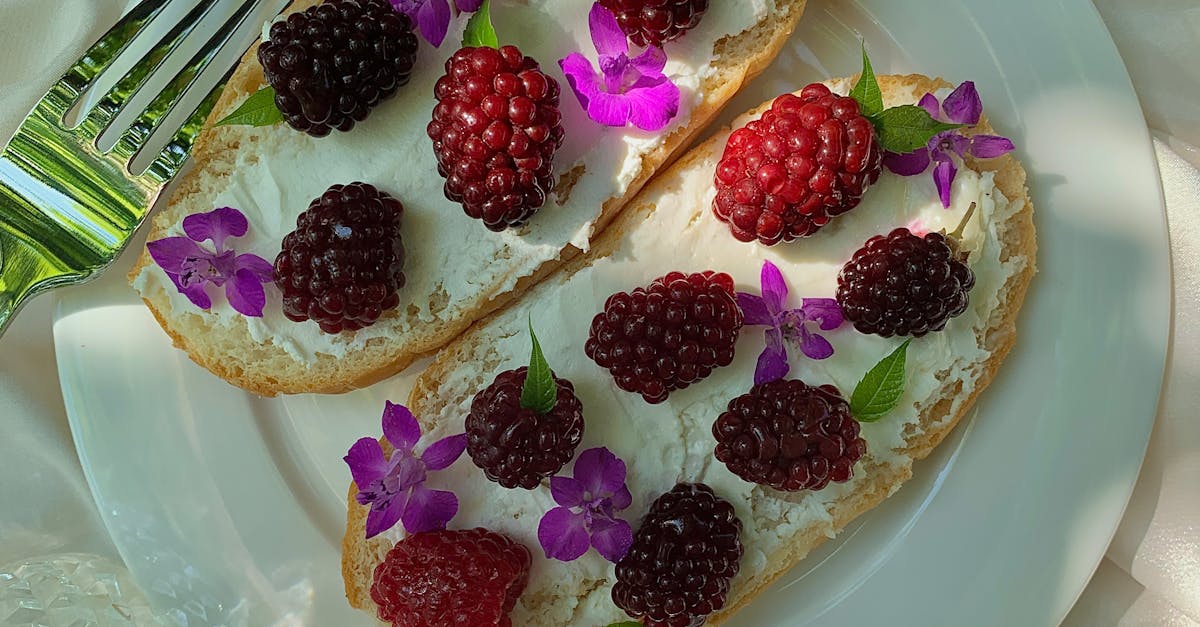
In recent years, edible flower gardening has gained immense popularity among urban dwellers and enthusiasts with limited outdoor space. With edible flowers, one can transform their balconies into vibrant and productive gardens, adding a touch of beauty and culinary delight to their living spaces. This comprehensive guide will delve into the world of edible flowers for small balcony gardens, exploring the art of growing, harvesting, and incorporating them into culinary creations. From space-saving varieties to low-maintenance options, we will uncover the secrets to creating a thriving balcony garden filled with edible blossoms. Whether you are an experienced gardener or just starting your horticultural journey, this guide will provide you with the knowledge and inspiration to cultivate and enjoy the beauty and flavors of edible flowers in your own balcony oasis.
Join us as we journey through the colorful world of edible flowers, discovering their diverse culinary applications and remarkable nutritional benefits. Learn how to harvest and preserve their delicate petals, ensuring their freshness and longevity. With practical tips and expert advice, this guide will empower you to create a sustainable and thriving balcony garden that brings joy, nourishment, and a touch of nature to your doorstep.
1. Choosing the Right Edible Flowers for Balcony Gardens
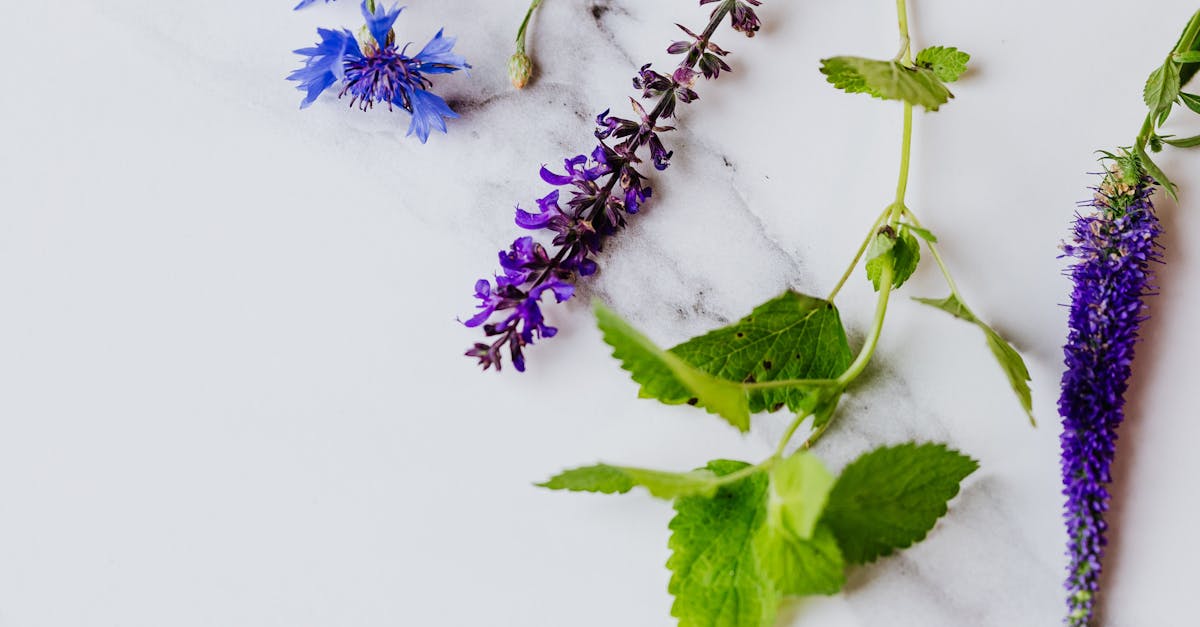
When selecting edible flowers for your balcony garden, it is crucial to consider their suitability for the unique conditions of balcony environments. Compact and vertical growing varieties are ideal for maximizing space and yield in limited areas. Look for species that thrive in containers and have a manageable growth habit.
Research the bloom times of different edible flowers to ensure a continuous supply of color and flavor throughout the growing season. Some varieties, like nasturtiums and violas, bloom profusely from early spring to late fall, while others, like calendula and cornflowers, have shorter blooming periods. By selecting a mix of early, mid, and late bloomers, you can create a dynamic and ever-changing tapestry of edible delights on your balcony.
Each edible flower species has specific requirements for sunlight, water, and nutrients. Before making your selections, determine the amount of sunlight your balcony receives and choose flowers that are well-suited to those conditions. Consider the water needs of each variety and select drought-tolerant species if your time for watering is limited. By understanding the specific needs of each edible flower, you can make informed choices that will ensure their success in your balcony garden.
Space-Saving Varieties
To maximize space and yield in limited balcony gardens, choosing compact and vertical growing varieties of edible flowers is essential. These space-saving wonders can be grown in containers, hanging baskets, or vertical planters, allowing you to create a thriving garden even in the smallest of spaces.
Trailing varieties, such as nasturtiums and trailing verbenas, are ideal for cascading over the edges of containers or hanging baskets. Their long, flowing stems and vibrant blooms add a touch of drama and color to your balcony. Upright varieties, like marigolds and zinnias, grow in a more compact form, making them suitable for smaller containers and narrow spaces.
Consider edible flowers that can be grown vertically using trellises or stakes. Peas and beans, with their delicate tendrils, can be trained to climb upwards, maximizing vertical space and creating a lush green backdrop for your edible flower display. Climbing nasturtiums and honeysuckle can also be grown vertically, adding height and color to your balcony garden.
Low-Maintenance Options
For busy balcony gardeners, choosing low-maintenance edible flowers is key to maintaining a thriving garden without excessive effort. These resilient varieties require minimal attention and can withstand neglect, making them ideal for those with limited time or experience.
Drought-tolerant edible flowers, such as purslane and sedum, are well-suited for balcony gardens that receive full sun and have limited access to water. These plants have thick, succulent leaves that store water, allowing them to survive between infrequent watering. Heat-tolerant varieties, like zinnias and marigolds, thrive in hot and dry conditions, making them excellent choices for balconies that receive intense sunlight.
Self-seeding edible flowers, like Johnny-jump-ups and calendula, are another low-maintenance option. These plants readily drop their seeds, ensuring a continuous supply of flowers year after year with minimal effort. Simply allow some of the flowers to go to seed and let nature take its course.
Edible Flower Combinations
Companion planting is an effective technique for optimizing flower growth, attracting pollinators, and creating visually stunning arrangements in edible flower gardens. By planting compatible species together, you can enhance the overall health and productivity of your balcony garden.
For example, planting nasturtiums alongside tomatoes can help deter pests and improve tomato yields. Marigolds, known for their strong scent, can repel insects and nematodes, making them beneficial companions for a variety of edible flowers. Borage is another excellent companion plant, as its nectar-rich flowers attract pollinators, which are essential for fruit and seed production in many edible flower species.
When selecting companion plants, consider their growth habits, bloom times, and nutrient needs. Choose plants that complement each other in terms of height, spread, and water requirements. By carefully planning your edible flower combinations, you can create a thriving and harmonious balcony garden that is both beautiful and productive.
2. Growing Techniques for Edible Flowers in Balcony Pots
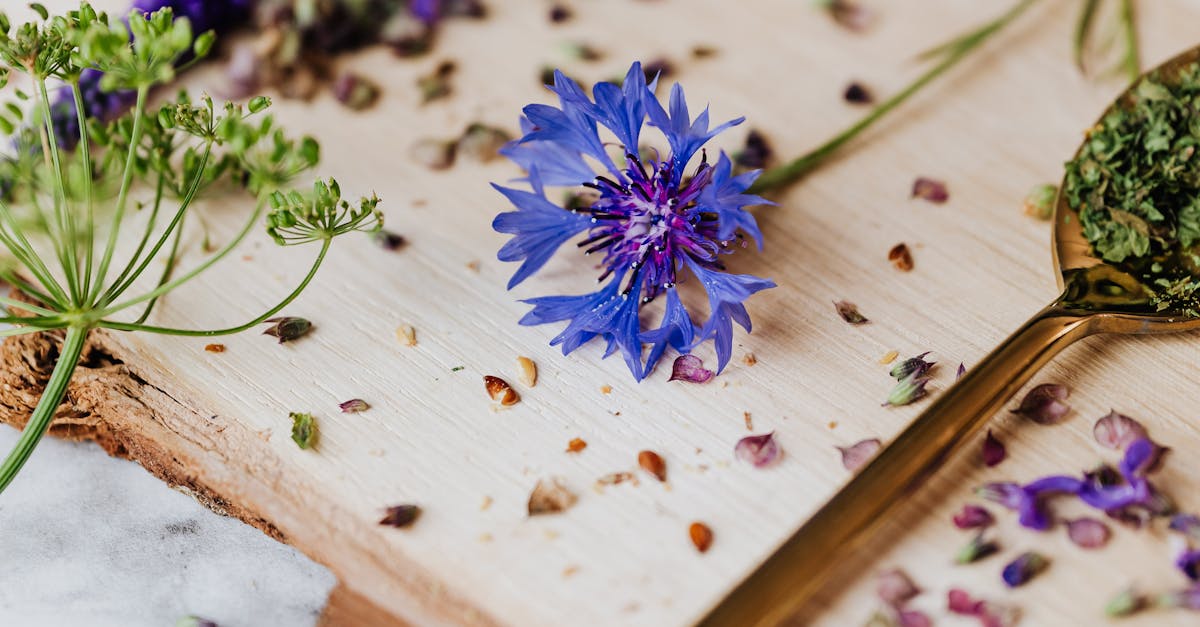
Growing Techniques for Edible Flowers in Balcony Pots: Master the art of growing edible flowers in containers. Learn about the essential elements of soil, sunlight, irrigation, and pest control to ensure their optimal growth and productivity.
To ensure optimal growth and productivity of edible flowers in balcony pots, several essential elements need to be considered: soil, sunlight, irrigation, and pest control.
-
Soil: Choose a well-draining potting mix specifically designed for container gardening. Edible flowers require a nutrient-rich soil that provides adequate drainage to prevent root rot. Amend the potting mix with organic matter, such as compost or manure, to enhance fertility and water retention.
-
Sunlight: Most edible flowers require at least 6 hours of sunlight per day to thrive. Determine the amount of sunlight your balcony receives and select varieties that are suited to those conditions. If your balcony has limited sunlight, consider growing shade-tolerant edible flowers, such as violas or pansies.
-
Irrigation: Water your edible flowers regularly, especially during hot and dry weather. Allow the soil to dry out slightly between waterings to prevent overwatering. Use a watering can or drip irrigation system to deliver water directly to the base of the plants, avoiding splashing the leaves and flowers.
-
Pest Control: Regularly inspect your edible flowers for pests and diseases. If pests are detected, use organic and natural methods to control them, such as insecticidal soap or neem oil. Avoid using harsh chemical pesticides, as these can harm beneficial insects and pollinators.
Container Selection and Soil Preparation
Container Selection and Soil Preparation: Choose the right size and material for your balcony containers and create a nutritious soil mix to support healthy flower growth.
When selecting containers for edible flowers on your balcony, consider the size, material, and drainage capabilities. Choose containers that are large enough to accommodate the root systems of your plants and provide adequate space for growth. Opt for containers with drainage holes to prevent waterlogging and root rot. Popular materials for balcony containers include terracotta, plastic, and fabric pots. Terracotta pots are porous and allow for good air circulation, while plastic pots are lightweight and durable. Fabric pots provide excellent drainage and aeration.
To create a nutritious soil mix for your edible flowers, combine a high-quality potting mix with organic matter such as compost or manure. This will provide a well-draining, nutrient-rich environment for your plants to thrive. You can also add slow-release fertilizer to the soil mix to ensure a continuous supply of nutrients throughout the growing season. Before planting your edible flowers, make sure to sterilize the soil mix to eliminate any potential pathogens.
Sunlight Requirements and Watering Techniques
Sunlight Requirements and Watering Techniques: Understand the light requirements of different edible flowers and establish a consistent watering schedule to meet their specific needs.
Different varieties of edible flowers have varying sunlight requirements. Some, like sunflowers and marigolds, thrive in full sun, while others, such as pansies and violas, prefer partial shade. Determine the amount of sunlight your balcony receives and select edible flowers that are well-suited to those conditions. If your balcony has limited sunlight, consider growing shade-tolerant edible flowers or providing artificial lighting.
Establishing a consistent watering schedule is crucial for the health and productivity of your edible flowers. Water your plants deeply and regularly, especially during hot and dry weather. Allow the soil to dry out slightly between waterings to prevent overwatering and root rot. Use a watering can or drip irrigation system to deliver water directly to the base of the plants, avoiding splashing the leaves and flowers. Adjust your watering frequency based on the weather conditions, the size of your containers, and the specific needs of the edible flowers you are growing.
Fertilizing and Pest Management
Fertilizing and Pest Management: Learn about organic and natural methods to fertilize your edible flowers and effectively control pests without compromising their edibility.
Fertilizing your edible flowers regularly will provide them with the essential nutrients they need to thrive and produce abundant blooms. Opt for organic fertilizers, such as compost tea or fish emulsion, which are gentle on your plants and the environment. Apply fertilizer according to the manufacturer’s instructions, being careful not to over-fertilize, as this can damage your plants.
Pest control is equally important for maintaining the health and productivity of your edible flowers. Regularly inspect your plants for signs of pests or diseases. If pests are detected, try to remove them manually or use organic and natural pest control methods, such as insecticidal soap or neem oil. Avoid using harsh chemical pesticides, as these can harm beneficial insects, pollinators, and the edibility of your flowers.
3. Harvesting and Preserving Edible Flowers
Harvesting and Preserving Edible Flowers: Discover the proper techniques for harvesting edible flowers to preserve their delicate beauty and flavor. Explore methods for drying, freezing, and storing them to extend their shelf life.
To ensure the best quality and flavor, harvest edible flowers in the morning when they are fully open and free of moisture. Use sharp scissors or a clean knife to carefully cut the flowers from the plant, leaving a small portion of the stem intact. Handle the flowers gently to avoid bruising or damaging the delicate petals.
There are several methods for preserving edible flowers to extend their shelf life. Drying is a popular technique that can be done using a food dehydrator or simply by air-drying the flowers in a cool, dark, and well-ventilated area. Freezing is another option for preserving edible flowers. Simply place the flowers in an airtight container and freeze them for future use. Edible flowers can also be stored in honey or sugar syrup to preserve their color and flavor.
Harvesting Techniques
Harvesting Techniques: Learn the optimal time and methods for harvesting edible flowers to ensure their peak freshness and flavor.
For the best flavor and quality, edible flowers should be harvested at the right time of day and in the right stage of bloom. Generally, the best time to harvest edible flowers is in the morning, when the flowers are fully open and have developed their full flavor. Avoid harvesting edible flowers after they have been exposed to direct sunlight for extended periods, as this can diminish their flavor and delicate texture.
When harvesting edible flowers, use sharp, clean scissors or a sharp knife to carefully cut the flowers from the plant. Make sure to leave a small portion of the stem intact to prevent damage to the flower. Handle the flowers gently to avoid bruising or damaging the delicate petals. It’s important to harvest edible flowers regularly to encourage continued blooming and prevent the plant from putting its energy into seed production.
Drying and Freezing Methods
Drying and Freezing Methods: Explore the techniques and equipment used for drying and freezing edible flowers to preserve their qualities and extend their lifespan.
Drying and freezing are two popular methods for preserving edible flowers and extending their shelf life. Drying edible flowers removes their moisture content, which inhibits spoilage and allows them to be stored for longer periods. Freezing edible flowers preserves their flavor and color, making them a convenient option for use in culinary applications.
To dry edible flowers, you can use a food dehydrator, an oven, or simply air-dry them in a cool, dark, and well-ventilated area. Food dehydrators provide the most efficient and controlled drying method, but ovens and air-drying can also be effective. When air-drying edible flowers, it’s important to arrange them in a single layer on a drying rack or baking sheet to ensure even drying.
Storage and Shelf Life
Storage and Shelf Life: Discover the appropriate storage conditions and techniques to maximize the shelf life of harvested edible flowers.
Proper storage is crucial for preserving the quality and extending the shelf life of harvested edible flowers. The key factors to consider are temperature, humidity, and air circulation. Edible flowers should be stored in a cool, dark, and well-ventilated area to prevent wilting, browning, and spoilage.
Dried edible flowers can be stored in airtight containers at room temperature for several months. Freezing edible flowers is another effective storage method that can preserve their flavor and color for up to a year. Fresh edible flowers can be stored in the refrigerator for a few days, but it’s best to use them as soon as possible after harvesting to enjoy their optimal flavor and texture.
4. Culinary Delights with Edible Flowers
Culinary Delights with Edible Flowers: Explore the culinary versatility of edible flowers and incorporate them into your dishes for a burst of color, flavor, and nutrition. Learn about their unique taste profiles and how to pair them with various foods.
Edible flowers offer a unique and flavorful way to elevate your culinary creations. Their delicate petals and vibrant colors can transform ordinary dishes into visually stunning and tastefully complex experiences. From salads and appetizers to main courses and desserts, edible flowers can add a touch of elegance and sophistication to any meal.
When incorporating edible flowers into your料理, it’s important to consider their unique taste profiles. Some edible flowers, such as nasturtiums and violas, have a peppery flavor, while others, like lavender and roses, have a more floral or sweet taste. Experiment with different varieties to find the ones that best complement your dishes. Edible flowers can be used as garnishes, added to salads, infused in beverages, or even used as a main ingredient in desserts.
Refreshing Salads and Appealing Appetizers
Refreshing Salads and Appealing Appetizers: Discover the art of adding edible flowers to salads, transforming them into visually stunning and flavorful starters.
Edible flowers can elevate simple salads into visually stunning and tastefully complex starters. Their delicate petals and vibrant colors add a touch of elegance and sophistication to any salad. When choosing edible flowers for salads, opt for varieties with a mild or peppery flavor that will complement the other ingredients without overpowering them. Nasturtiums, violas, pansies, and calendula are all excellent choices for salads.
To incorporate edible flowers into your salads, simply sprinkle them on top or use them as a garnish. You can also add them to salad dressings for a burst of flavor and color. For example, a simple vinaigrette made with lemon juice, olive oil, and a touch of honey can be transformed into a vibrant and flavorful dressing with the addition of edible flowers.
Vibrant Main Courses and Delicate Desserts
Vibrant Main Courses and Delicate Desserts: Explore innovative ways to incorporate edible flowers into main courses, adding a touch of elegance and culinary creativity.
Edible flowers can transform ordinary main courses into visually stunning and tastefully complex dishes. Their vibrant colors and delicate flavors can elevate simple ingredients and add a touch of elegance to any meal. When incorporating edible flowers into main courses, consider their flavor profiles and how they will complement the other ingredients. For example, squash blossoms have a mild, sweet flavor that pairs well with summer vegetables and light sauces, while chive blossoms have a more pronounced oniony flavor that can enhance savory dishes.
Edible flowers can be used in a variety of ways in main courses. They can be added to soups, stews, and casseroles for a burst of color and flavor. They can also be used as a garnish for grilled meats, fish, and poultry. For a more creative touch, edible flowers can be stuffed with savory fillings, such as cheese or herbs, and then baked or fried.
Herbal Infusions and Floral Beverages
Herbal Infusions and Floral Beverages: Uncover the therapeutic and flavor-enhancing properties of edible flowers in herbal teas, infusions, and other beverages.
Edible flowers can transform ordinary beverages into flavorful and visually appealing creations. Their delicate petals and unique flavors can add a touch of elegance and sophistication to any tea or infusion. When choosing edible flowers for beverages, opt for varieties with a mild or floral flavor that will complement the other ingredients without overpowering them. Chamomile, lavender, rose, and hibiscus are all excellent choices for herbal infusions.
To make an edible flower infusion, simply add a handful of fresh or dried edible flowers to a teapot or infuser. Pour hot water over the flowers and let steep for 5-10 minutes. You can also add other herbs, spices, or fruits to your infusion for a more complex flavor profile. Edible flowers can also be used to make flavorful and visually appealing cocktails, mocktails, and punches.
5. Additional Tips and Resources for Balcony Edible Flower Gardening
Additional Tips and Resources for Balcony Edible Flower Gardening: Expand your knowledge with additional tips and resources on edible flower gardening in balcony spaces. Discover inspiring balcony garden examples, connect with gardening communities, and stay updated on the latest advancements.
To help you create a thriving edible flower garden on your balcony, here are some additional tips and resources:
- Join online gardening communities and forums: Connect with other balcony gardeners, share experiences, and learn from experts in the field.
- Read books and articles on edible flower gardening: Stay up-to-date on the latest techniques and trends in edible flower gardening.
- Visit local nurseries and botanical gardens: Get inspiration from professionally designed edible flower gardens and consult with knowledgeable staff for advice.
Creative Balcony Garden Designs
Creative Balcony Garden Designs: Explore innovative and space-saving design ideas for creating a thriving edible flower garden on your balcony.
With a little creativity and planning, you can create a beautiful and productive edible flower garden on even the smallest balcony. Here are some innovative and space-saving design ideas to get you started:
- Vertical gardening: Make the most of your vertical space by using trellises, hanging baskets, and wall-mounted planters. This is a great way to grow climbing edible flowers like nasturtiums and peas.
- Container gardening: Use a variety of containers, such as pots, baskets, and window boxes, to create a diverse edible flower garden. Choose containers with drainage holes to prevent waterlogging.
- Raised bed gardening: If you have the space, consider building raised beds on your balcony. This will improve drainage and provide more room for your edible flowers to grow.
Online Gardening Communities and Resources
Online Gardening Communities and Resources: Connect with fellow balcony gardeners, share experiences, and access valuable resources to enhance your gardening journey.
Joining online gardening communities and accessing reputable resources can greatly enhance your balcony edible flower gardening experience. Here’s how:
- Connect with fellow balcony gardeners: Share your experiences, ask questions, and learn from others who are passionate about balcony gardening. Online forums and social media groups are great places to connect with like-minded individuals.
- Access valuable resources: Many online gardening communities and websites offer a wealth of resources, including articles on edible flower gardening techniques, plant care guides, and troubleshooting tips.
Stay Informed with Gardening Blogs and Publications
Stay Informed with Gardening Blogs and Publications: Stay up-to-date on the latest trends, research, and best practices in edible flower gardening through reputable sources.
By following reputable gardening blogs and publications, you can stay informed about the latest trends, research, and best practices in edible flower gardening. Here’s how this can benefit you:
- Access to up-to-date information: Gardening blogs and publications often share the latest research findings, new plant varieties, and innovative gardening techniques.
- Expert advice: Many gardening blogs and publications are written by experts in the field, providing you with access to valuable advice and insights.
Quiz: Test Your Edible Flower Gardening Knowledge
- Which of the following is NOT a space-saving technique for edible flower gardening on balconies?
(a) Vertical gardening (b) Container gardening (c) Ground-level planting (d) Raised bed gardening
-
True or False: Edible flowers require full sun to thrive.
-
Which of the following edible flowers is known for its peppery flavor?
(a) Rose (b) Nasturtium (c) Lavender (d) Hibiscus
- What is an effective way to preserve edible flowers for extended use?
(a) Freezing (b) Canning (c) Pickling (d) Air-drying
- True or False: Edible flowers can be used to enhance the flavor and appearance of both sweet and savory dishes.
Answer Key
-
(c)
-
False
-
(b)
-
(a) and (d)
-
True
-
(c), 2. False, 3. (b), 4. (a) and (d), 5. True
Vertical Gardens and Culinary Delights: Maximizing Yield in Limited Spaces Unlocking the Bounty in Small Spaces: Embracing Container Gardening Imagine Read more
Balcony Tomato Gardening: A Guide to Growing a Plentiful Harvest in Limited Space Growing tomatoes on a balcony can be Read more
Water-Wise Balcony Gardening: A Path to Sustainable Urban Agriculture Mastering the Art of Water Conservation: A Comprehensive Guide to Optimizing Read more
Vertical Gardening: A Guide to Growing Strawberries in Vertical Planters Strawberries are a delicious and nutritious fruit that can be Read more