
Mirror Magic: Transforming Your Balcony Garden into an Illusion of Space
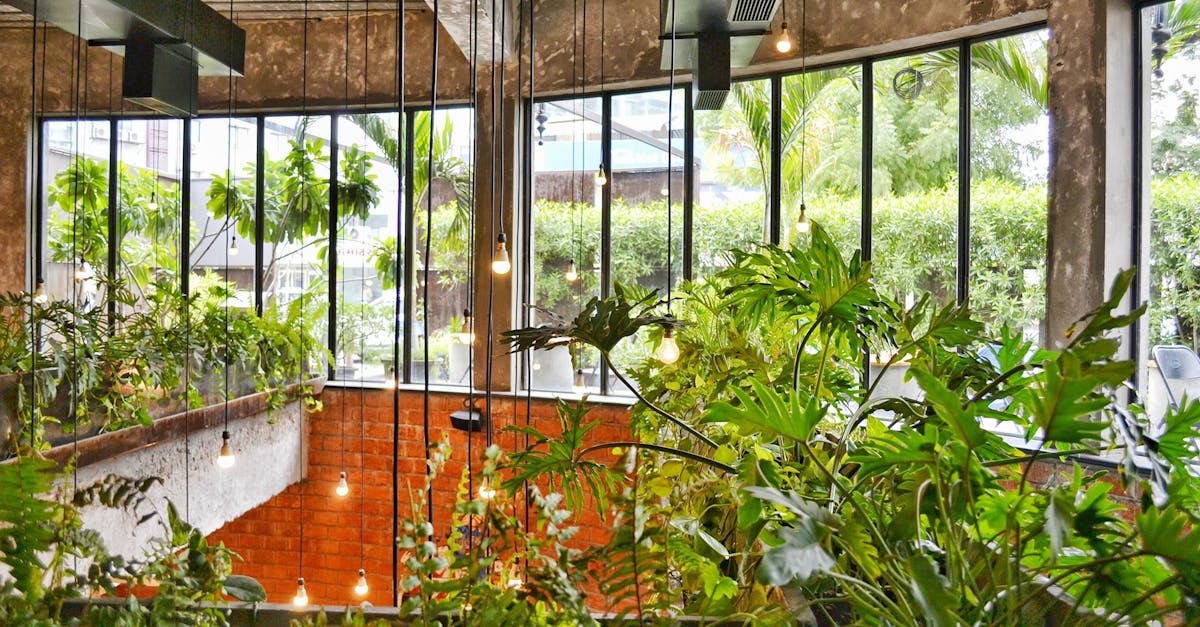
Unlock the secrets of mirror tricks and transform your balcony garden into an illusion of spaciousness. Discover how to use vertical gardens, mirrors, lighting, and décor to create depth, draw attention to focal points, and enhance the perception of space. This comprehensive guide will equip you with the knowledge and techniques to make the most of your balcony, turning it into a relaxing oasis that feels larger than life.
Step into the world of visual illusions and learn how to maximize the potential of your balcony garden. With clever mirror placement, you can create the illusion of a much larger space, adding depth and dimension to your urban oasis. Embrace the magic of vertical gardens, where trailing plants and climbing vines dance upwards, creating a lush tapestry of greenery that defies the constraints of limited square footage.
In this article, we will delve into the art of mirror tricks and explore how they can transform your balcony into a seemingly vast and inviting space. We will uncover the psychological effects of mirrors and how their strategic placement can influence our perception, creating an illusion of depth and spaciousness. From the optimal angles and distances to the most effective reflection strategies, we will guide you through the secrets of mirror magic. Let us embark on a journey of visual enchantment and discover how to make your balcony garden appear larger than life.
1. Maximize Space with Vertical Gardens

Maximize space with vertical gardens and create the illusion of height and depth on your balcony. Vertical gardening techniques, such as hanging planters, trellises, and wall-mounted designs, allow you to add lush greenery and dimension to your limited space. By utilizing vertical space, you can transform your balcony into a thriving urban oasis, filled with cascading plants and vibrant colors.
Vertical gardens offer numerous benefits beyond aesthetics. They maximize space utilization, allowing you to grow a wide variety of plants in a compact area. Additionally, vertical gardens improve air quality by absorbing pollutants and releasing oxygen. They also create a sense of privacy and can help reduce noise levels from the outside.
When choosing plants for your vertical garden, consider factors such as plant size, growth habit, and sunlight requirements. Trailing plants like ivy and ferns are excellent choices for hanging baskets, as they naturally cascade downwards. Climbing plants such as clematis and honeysuckle can be trained to grow on trellises, adding height and visual interest. For wall-mounted designs, consider succulents and other low-maintenance plants that thrive in vertical spaces.
Benefits of Vertical Gardens
Benefits of Vertical Gardens: Explore the advantages of vertical gardening, including increased space utilization, improved air quality, and enhanced aesthetic appeal.
Vertical gardens offer a multitude of benefits that enhance both the aesthetics and functionality of your balcony. By maximizing space utilization, vertical gardens allow you to cultivate a diverse array of plants in a compact area. This is particularly advantageous for urban dwellers with limited outdoor space, as it enables them to enjoy the beauty and benefits of nature without sacrificing valuable floor space.
Vertical gardens contribute to improved air quality by absorbing pollutants and releasing oxygen. Plants act as natural air purifiers, removing harmful toxins from the environment. By incorporating vertical gardens into your balcony, you can create a healthier and more refreshing outdoor space. The increased greenery also helps to reduce noise levels, providing a more tranquil and serene environment.
In addition to their practical benefits, vertical gardens enhance the aesthetic appeal of your balcony. A lush tapestry of greenery can transform a dull and uninviting space into a vibrant and inviting oasis. The vertical orientation of the plants creates a sense of height and depth, making your balcony appear larger and more spacious. Whether you choose to adorn your walls with living art or create a cascading curtain of greenery from hanging planters, vertical gardens add a touch of natural beauty and tranquility to your outdoor haven.
Choosing the Right Plants for Vertical Gardens
Choosing the Right Plants for Vertical Gardens: Consider factors such as plant size, growth habit, and sunlight requirements when selecting plants for vertical gardening. Discover suitable options and recommendations.
When selecting plants for your vertical garden, it is essential to consider factors such as plant size, growth habit, and sunlight requirements. Choosing the right plants will ensure a thriving and visually appealing vertical garden that complements your balcony space.
For hanging baskets and containers, trailing plants are an excellent choice. Their cascading growth habit naturally lends itself to vertical gardening, creating a beautiful display of greenery. Some popular trailing plants include ivy, ferns, petunias, and lobelia. Climbing plants, such as clematis, honeysuckle, and jasmine, are ideal for trellises and wall-mounted designs. These plants攀爬向上, adding height and visual interest to your vertical garden.
When selecting plants for your vertical garden, consider the amount of sunlight your balcony receives. If your balcony is exposed to full sun, you can choose sun-loving plants such as succulents, geraniums, and bougainvillea. For balconies with partial shade, consider shade-tolerant plants such as hostas, begonias, and impatiens. By selecting plants that are well-suited to the sunlight conditions on your balcony, you can ensure their optimal growth and health.
2. Mirrors: The Magic Illusion
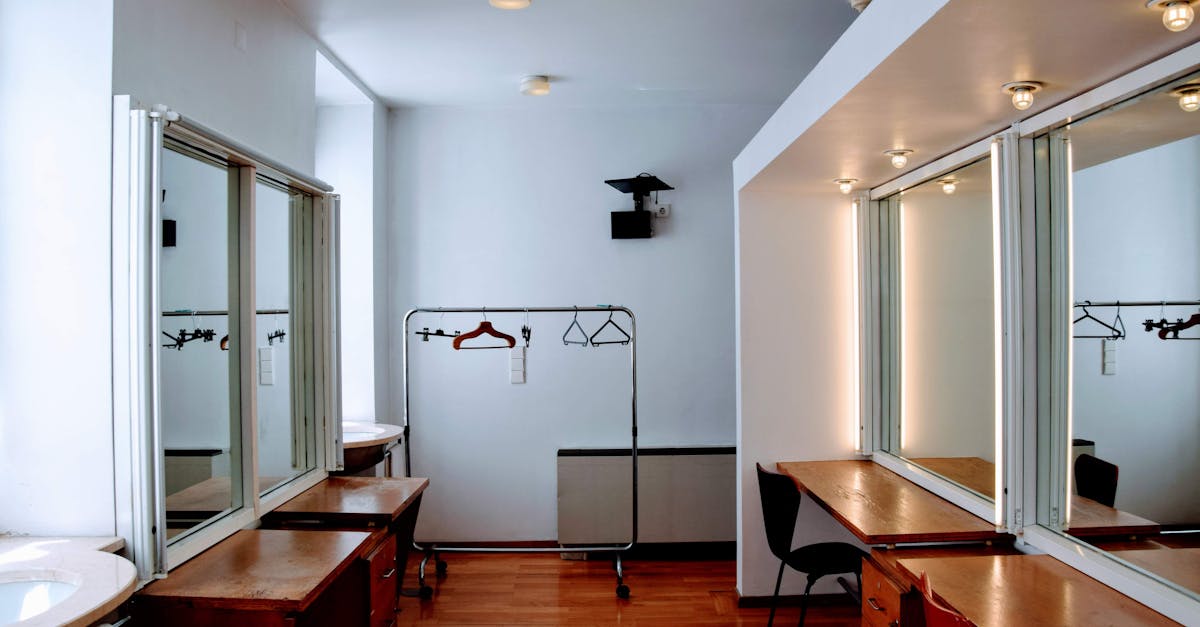
Mirrors: The Magic Illusion: Mirrors effectively reflect light and create depth, making your balcony appear more spacious. Learn how to strategically place mirrors to enhance the visual experience.
Mirrors play a crucial role in creating the illusion of a larger balcony. Their ability to reflect light and create depth can transform a compact outdoor space into a seemingly vast and inviting area. By strategically placing mirrors, you can manipulate the perception of space and make your balcony feel more open and airy.
When placing mirrors on your balcony, consider the angle of reflection. Mirrors that are positioned perpendicular to a wall or railing will reflect the view directly back, creating a sense of depth. Mirrors placed at an angle will reflect the view obliquely, creating the illusion of a larger space. Experiment with different angles to find the optimal placement for your mirrors.
In addition to the angle of reflection, the size and shape of the mirrors also impact the perceived spaciousness of your balcony. Larger mirrors tend to create a more dramatic effect, while smaller mirrors can be used to create focal points or reflect specific elements of your balcony. Consider the overall aesthetic of your balcony when choosing the size and shape of your mirrors.
The Psychology of Mirrors
The Psychology of Mirrors: Understand the cognitive effects of mirrors and how they influence our perception of space. Explore theories and research on the impact of mirrors on visual perception.
Mirrors have a profound impact on our perception of space, influencing our sense of depth, distance, and the overall size of a room or environment. This phenomenon can be attributed to several psychological factors and has been the subject of extensive research in the field of visual perception.
One of the key theories that explains the psychological effects of mirrors is the ‘visual expansion’ theory. This theory suggests that the presence of a mirror in a space creates the illusion of a larger area. When we look into a mirror, we see a reflection of the room or environment behind us, which tricks our brains into perceiving the space as being more extensive than it actually is. This effect is particularly pronounced in smaller spaces, where mirrors can create the illusion of a much larger room.
Another important factor that contributes to the psychological effects of mirrors is the concept of ‘cognitive dissonance’. When we see a mirror, our brains attempt to reconcile the visual information with our existing knowledge of the space. This can lead to a sense of cognitive dissonance, as our brains try to make sense of the discrepancy between the actual size of the room and the perceived size created by the mirror. This dissonance can further reinforce the illusion of a larger space.
Placement and Positioning
Placement and Positioning: Discover optimal mirror placement techniques. Learn about angles, distances, and reflection strategies to maximize the illusion of space.
The placement and positioning of mirrors play a crucial role in maximizing the illusion of space on your balcony. By carefully considering the angle, distance, and reflection strategies, you can create a visually expansive effect that transforms your balcony into a seemingly larger and more inviting space.
When placing mirrors on your balcony, consider the angle of reflection. Mirrors that are positioned perpendicular to a wall or railing will reflect the view directly back, creating a sense of depth. This technique is particularly effective when the mirror reflects a visually appealing element, such as a garden or a body of water. Mirrors placed at an angle will reflect the view obliquely, creating the illusion of a larger space. Experiment with different angles to find the optimal placement for your mirrors.
In addition to the angle of reflection, the distance between the mirror and the object being reflected also affects the perceived spaciousness of your balcony. Placing mirrors too close to objects can create a cluttered and overwhelming effect, while placing them too far away may not create a strong enough illusion of depth. Experiment with different distances to find the sweet spot that maximizes the visual expansion effect.
3. Create Focal Points and Depth
Create Focal Points and Depth: Draw attention to specific areas and add interest using focal points. Create vertical and horizontal lines through structural elements and tall plants to enhance depth.
Creating focal points and enhancing depth are essential techniques for making your balcony appear larger and more visually appealing. A focal point is an area or object that draws the eye and becomes the center of attention. By creating a focal point on your balcony, you can direct the gaze towards a specific element and make the space feel more organized and intentional.
To create a focal point, consider using a statement piece, such as a colorful chair or a piece of artwork. You can also create a focal point by grouping similar items together, such as a collection of potted plants or a set of lanterns. By drawing attention to a specific area, you create a sense of visual hierarchy and make your balcony feel more inviting and cohesive.
In addition to creating focal points, you can also enhance the depth of your balcony by incorporating vertical and horizontal lines. Vertical lines create a sense of height and grandeur, while horizontal lines add width and stability. You can create vertical lines by using trellises, hanging plants, or tall structural elements. Horizontal lines can be created by using planters, railings, or even the lines of your balcony floor. By combining vertical and horizontal lines, you can create a sense of visual balance and make your balcony feel more spacious and dynamic.
The Rule of Thirds
The Rule of Thirds: Apply the rule of thirds to create visually appealing focal points. Discover how to divide your balcony into thirds and arrange elements accordingly.
The rule of thirds is a compositional technique that can be used to create more visually appealing and balanced images. It divides the frame into thirds, both horizontally and vertically, creating a grid with four intersection points. The points where the lines intersect are considered to be strong focal points, as they naturally draw the eye.
To apply the rule of thirds to your balcony, imagine dividing it into thirds both horizontally and vertically. You can use physical markers, such as tape or string, to mark the lines if desired. Once you have divided your balcony into thirds, you can start to arrange your elements accordingly.
Place your focal point at one of the intersection points of the grid. This will create a strong visual center and draw the eye to the desired area. You can use a statement piece, such as a colorful chair or a piece of artwork, as your focal point. Alternatively, you can create a focal point by grouping similar items together, such as a collection of potted plants or a set of lanterns.
By following the rule of thirds, you can create a more visually appealing and balanced balcony that draws the eye to specific areas and creates a sense of visual hierarchy.
Vertical Lines and Tall Plants
Vertical Lines and Tall Plants: Emphasize height and depth by incorporating vertical elements. Use statement plants, trellises, or hanging baskets to create a sense of verticality.
Incorporating vertical elements into your balcony design is a great way to emphasize height and depth, making your space feel larger and more visually appealing. Vertical lines create a sense of grandeur and can draw the eye upward, making your balcony feel more spacious.
One of the best ways to add verticality to your balcony is to use tall plants. Statement plants, such as small trees or large shrubs, can create a dramatic focal point and add a touch of greenery to your space. You can also use trellises or hanging baskets to train plants to grow vertically. This is a great way to add height and interest to your balcony without taking up too much floor space.
When choosing plants for your balcony, consider their size and growth habit. You want to choose plants that will grow vertically without becoming too large or overgrown. Some good options for vertical gardening include climbing vines, such as ivy or clematis, and upright plants, such as rosemary or lavender.
By incorporating vertical elements into your balcony design, you can create a more visually appealing and spacious space that feels larger than it actually is.
4. Lighting for Ambiance and Illusion
Lighting for Ambiance and Illusion: Lighting plays a crucial role in creating an inviting atmosphere and enhancing the illusion of space. Learn how to use both natural and artificial light effectively.
Lighting is an essential element of any balcony design, as it can be used to create a specific ambiance and enhance the illusion of space. Natural light is always the best option, as it is both free and flattering. However, you can also use artificial light to create a more inviting atmosphere in the evenings or on cloudy days.
When using natural light, make the most of it by positioning your balcony furniture in a way that takes advantage of the sunlight. You can also use sheer curtains or blinds to filter the light and create a more diffused glow.
When using artificial light, choose fixtures that emit a warm, inviting light. Avoid harsh overhead lighting, as this can make your balcony feel smaller and less inviting. Instead, opt for softer, ambient lighting that creates a more intimate atmosphere.
You can also use lighting to create the illusion of space. For example, you can use uplighting to make your balcony appear taller, or you can use downlighting to create a more intimate space. You can also use lighting to highlight specific features of your balcony, such as a focal point or a piece of artwork.
Natural Light Optimization
Natural Light Optimization: Maximize natural light by removing obstructions and positioning mirrors to reflect sunlight. Discover tips for enhancing natural light in balcony gardens.
Natural light is always the best option for illuminating your balcony, as it is both free and flattering. However, there are a few things you can do to maximize the amount of natural light that enters your space.
First, remove any obstructions that may be blocking the sunlight. This could include furniture, plants, or even curtains. If you have a balcony railing, consider using a clear or frosted glass panel instead of a solid one. This will allow more light to pass through.
You can also use mirrors to reflect sunlight into your balcony. Place mirrors opposite windows or in areas where they will catch the most sunlight. This will help to bounce light around and make your balcony feel brighter and more spacious.
Here are a few additional tips for enhancing natural light in balcony gardens:
- Choose light-colored furniture and décor. Dark colors absorb light, while light colors reflect it.
- Use sheer curtains or blinds to filter the light and create a more diffused glow.
- Keep your balcony clean and free of clutter. This will help to maximize the amount of light that enters your space.
Artificial Lighting Techniques
Artificial Lighting Techniques: Complement natural light with strategic artificial lighting. Learn about different lighting types, placement, and how to create ambiance.
Artificial lighting can be used to complement natural light and create a more inviting atmosphere on your balcony, especially in the evenings or on cloudy days. There are a variety of different lighting types and fixtures to choose from, so you can customize the lighting to match your specific needs and style.
When choosing artificial lighting for your balcony, consider the following factors:
- Brightness: The brightness of the light is measured in lumens. The higher the lumen count, the brighter the light.
- Color temperature: The color temperature of the light is measured in Kelvins. A lower color temperature (around 2700K) produces a warm, inviting light, while a higher color temperature (around 5000K) produces a cooler, more energizing light.
- Beam angle: The beam angle of the light determines how wide the beam of light is. A narrow beam angle produces a more focused beam of light, while a wide beam angle produces a more diffused beam of light.
Once you have considered these factors, you can start to choose the right lighting fixtures for your balcony. Some popular options include:
- String lights: String lights are a great way to add a festive and inviting atmosphere to your balcony. They are available in a variety of colors and styles, so you can find the perfect ones to match your décor.
- Lanterns: Lanterns are another great option for adding ambiance to your balcony. They come in a variety of shapes and sizes, and can be used to create a more intimate and cozy space.
- Uplights: Uplights can be used to highlight specific features of your balcony, such as a focal point or a piece of artwork. They can also be used to create the illusion of space by making your balcony appear taller.
By following these tips, you can use artificial lighting to create a more inviting and stylish balcony that you can enjoy all year round.
5. Décor and Accessories: Illusion through Accents
Décor and Accessories: Illusion through Accents: Incorporate décor and accessories to enhance the illusion of space. Use colors, patterns, and textures to create visual interest and depth.
In addition to using mirrors and lighting, you can also use décor and accessories to create the illusion of space on your balcony. By carefully choosing the colors, patterns, and textures of your décor, you can make your balcony feel larger and more inviting.
Here are a few tips for using décor and accessories to enhance the illusion of space on your balcony:
- Use light colors: Light colors reflect light, which makes your balcony feel larger and brighter. Avoid using dark colors, as they absorb light and can make your balcony feel smaller.
- Choose patterns wisely: Patterns can be used to create visual interest and depth on your balcony. However, avoid using large or busy patterns, as they can make your balcony feel cluttered and smaller. Instead, opt for small, subtle patterns that will add visual interest without overwhelming the space.
- Vary textures: Texture can also be used to create visual interest and depth on your balcony. Combine different textures, such as smooth and rough, soft and hard, and shiny and matte. This will add visual interest and make your balcony feel more spacious.
By following these tips, you can use décor and accessories to create a more inviting and stylish balcony that feels larger than it actually is.
Color Psychology in Balcony Gardens
Color Psychology in Balcony Gardens: Explore the psychological effects of colors and how to use them effectively in balcony gardens. Learn about color combinations and their impact on space perception.
Colors have a powerful impact on our mood and behavior. This is why it is important to carefully consider the colors you use when decorating your balcony garden. The right colors can create a more inviting and relaxing space, while the wrong colors can make your balcony feel smaller and less welcoming.
Here are a few things to keep in mind when choosing colors for your balcony garden:
- Warm colors (red, orange, yellow) are known to be energizing and uplifting. They can be a good choice for balconies that receive a lot of sunlight.
- Cool colors (blue, green, purple) are known to be calming and relaxing. They can be a good choice for balconies that receive less sunlight.
- Neutral colors (black, white, gray) can be used to create a more sophisticated and timeless look. They can also be used to balance out the effects of brighter colors.
In addition to the psychological effects of individual colors, you also need to consider how different colors work together. Some color combinations can create a more harmonious and inviting space, while others can be jarring and overwhelming.
Here are a few tips for choosing color combinations for your balcony garden:
- Use complementary colors: Complementary colors are colors that are opposite each other on the color wheel. When used together, they can create a striking and eye-catching effect.
- Use analogous colors: Analogous colors are colors that are adjacent to each other on the color wheel. When used together, they can create a more harmonious and cohesive look.
- Use a neutral base: A neutral base can help to balance out the effects of brighter colors. It can also make your balcony garden feel more sophisticated and timeless.
By following these tips, you can use color psychology to create a more inviting and stylish balcony garden that reflects your personal style.
Patterns and Textures for Depth
Patterns and Textures for Depth: Create depth and visual interest through patterns and textures. Combine smooth and rough surfaces, vary plant textures, and introduce striped or geometric patterns.
In addition to using color, you can also use patterns and textures to create depth and visual interest on your balcony garden. By combining different patterns and textures, you can create a more dynamic and inviting space.
Here are a few tips for using patterns and textures in your balcony garden:
- Combine smooth and rough surfaces: Combining smooth and rough surfaces can create a more interesting and tactile experience. For example, you could pair a smooth ceramic planter with a rough-hewn wooden bench.
- Vary plant textures: Plants come in a variety of textures, from smooth and shiny to rough and fuzzy. By varying the textures of your plants, you can create a more visually interesting and dynamic display.
- Introduce striped or geometric patterns: Striped or geometric patterns can add a touch of sophistication and style to your balcony garden. You could use striped cushions on your chairs, or geometric planters for your plants.
By following these tips, you can use patterns and textures to create a more visually appealing and inviting balcony garden that reflects your personal style.
Quiz
- True or False: Mirrors can be used to create the illusion of a smaller space on a balcony.
- Which of the following is NOT a benefit of vertical gardening? (a) Space utilization (b) Improved air quality (c) Reduced noise levels (d) Decreased plant growth
- What is the
Answer Key
- False
- (d) Decreased plant growth
- A compositional technique that divides the frame into thirds, both horizontally and vertically, creating four strong focal points
- (b) Trailing plants
- (b) Cool colors
Transform Your Balcony into a Themed Oasis: A Comprehensive Guide to Tropical and Desert Gardens Balcony gardens offer a unique Read more
Discover the Art of DIY Decor: Transform Your Balcony Into a Flourishing Paradise [DIY Projects To Elevate Your Balcony Garden: Read more
Unveiling the Secrets to Balcony Privacy: A Guide to Creating Your Own Oasis Transform your balcony into a private sanctuary Read more
Maximize Serenity and Style in Your Tiny Balcony Haven with Minimalist Design Living in urban areas often means limited outdoor Read more