
Vertical Gardening: A Guide to Maximizing Space in Balcony Gardens
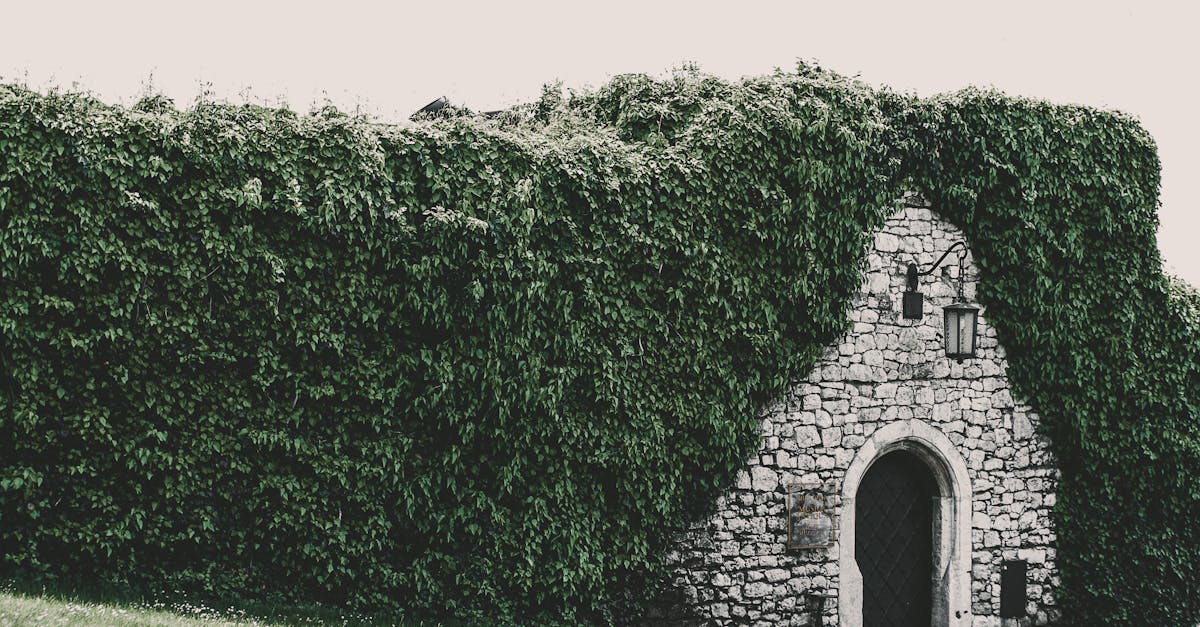
Indulge in a vibrant exploration of vertical gardening techniques, transforming your balcony into a verdant oasis. Maximize space, add height, and create a captivating visual symphony. Learn how to harness trellises and climbing plants, implement vertical gardening systems, suspend gardens for a unique touch, and create living walls. Unlock the secrets of optimizing vertical space with stackable planters, dividers, and ingenious trellising ideas. From choosing the perfect plants to mastering maintenance techniques, this comprehensive guide empowers you to craft a flourishing vertical garden that enhances your outdoor living experience.
1. Maximize Vertical Growth with Trellises and Climbing Plants

Maximize vertical growth and create a captivating visual display on your balcony by incorporating trellises and climbing plants. Trellises provide support for climbing plants, allowing them to grow upwards and create a vertical garden. This technique not only saves space but also adds height and visual interest to your balcony. When selecting climbing plants for your balcony, consider factors such as sunlight exposure, plant size, and flowering habits. Some popular choices for balcony gardens include clematis, morning glory, jasmine, and climbing roses. To train climbing plants effectively, gently guide their stems along the trellis and secure them with plant ties or twine. Regular pruning and maintenance will encourage healthy growth and a lush vertical garden.
Types of Trellises for Balcony Gardens
When selecting a trellis for your balcony garden, consider the size, style, and material that best suit your needs. Wooden trellises offer a classic and natural look, while metal trellises are more durable and weather-resistant. Plastic trellises are lightweight and affordable, but may not be as sturdy as other materials. Regarding design, there are various trellis options available, including traditional lattice trellises, arched trellises, and obelisk trellises. Choose a trellis that complements the style of your balcony and provides adequate support for your climbing plants. Mounting options for trellises include wall-mounted, freestanding, and leaning trellises. Wall-mounted trellises are ideal for small balconies or where space is limited. Freestanding trellises can be placed anywhere on your balcony and provide more flexibility. Leaning trellises are perfect for creating a focal point or dividing a larger balcony space.
Choosing Climbing Plants for Vertical Gardens
When selecting climbing plants for your vertical garden, consider their growth habits, flower colors, and sunlight requirements to create a vibrant and visually appealing display. Fast-growing climbers, such as morning glory and black-eyed Susan vine, can quickly cover a trellis or wall, providing a lush backdrop for your balcony. Slower-growing climbers, such as clematis and climbing roses, may take more time to establish but offer beautiful flowers and long-lasting blooms. For balconies with limited sunlight, shade-tolerant climbers like ivy and ferns are ideal choices. If your balcony receives ample sunlight, you can opt for sun-loving climbers such as bougainvillea and honeysuckle, which produce an abundance of colorful flowers. Consider the flower colors of your climbing plants to create a harmonious or contrasting effect with your balcony décor and other plants. Mix and match different climbing plants to achieve a dynamic and visually stunning vertical garden.
Training and Pruning Techniques for Climbing Plants
To maximize vertical space and enhance the aesthetics of your climbing plants, proper training and pruning are essential. Begin by gently guiding the stems of your climbers along the trellis or other support structure. Use plant ties or twine to secure the stems and encourage them to grow upwards. As the plants grow, continue to train them by weaving their stems through the trellis or tying them to the support structure. Regular pruning is also crucial to maintain a healthy and visually appealing vertical garden. Remove any dead, diseased, or weak stems to promote air circulation and prevent overcrowding. Pinch back the tips of fast-growing climbers to encourage bushier growth and more flowers. For flowering climbers, prune after the blooming period to stimulate new growth and flowering in the következő season. With proper training and pruning, your climbing plants will thrive, creating a lush and vibrant vertical garden on your balcony.
2. Vertical Gardening Systems: A Space-Saving Solution

Vertical gardening systems offer a space-saving solution for creating verdant balconies without sacrificing floor space. Hanging planters are a popular choice, allowing you to suspend plants from the ceiling or balcony railings. This is ideal for trailing plants like petunias, lobelia, and strawberries. Wall-mounted planters are another excellent option, providing a vertical display for plants that prefer to grow upwards. These planters can be attached to walls or fences, creating a living wall effect. Stacked planters, as the name suggests, allow you to stack multiple planters vertically. This is a great way to maximize vertical space and create a tiered garden. Stacked planters are particularly suitable for herbs, leafy greens, and other compact plants. Vertical gardening systems not only save space but also offer other benefits, such as improved drainage, better air circulation, and a unique visual appeal. With these systems, you can create a lush vertical garden on your balcony, even with limited space.
Benefits of Vertical Gardening Systems
Vertical gardening systems offer a multitude of benefits that enhance the functionality and aesthetics of your balcony garden. Space optimization is a primary advantage, as these systems allow you to grow plants vertically, maximizing vertical space without sacrificing floor area. This is particularly beneficial for small balconies or urban environments where space is limited. Improved drainage is another advantage of vertical gardening systems. When plants are grown vertically, they are less prone to waterlogging, as excess water can easily drain away. This reduces the risk of root rot and other water-related issues, promoting healthier plant growth. Vertical gardening systems also enhance the aesthetic appeal of your balcony. By creating vertical displays of plants, you can add depth and interest to your outdoor space. Vertical gardens can serve as a focal point, drawing the eye upwards and creating a visually stunning effect. With their space-saving design, improved drainage, and aesthetic appeal, vertical gardening systems are an excellent choice for creating a thriving and beautiful balcony garden.
Types of Vertical Gardening Systems
There are various types of vertical gardening systems available, each with its unique features and suitability for balcony gardens. Hanging planters are a popular choice, as they can be easily suspended from the ceiling or balcony railings. Hanging planters are ideal for trailing plants, such as petunias, lobelia, and strawberries, which can cascade down and create a visually appealing effect. Wall-mounted planters are another excellent option, as they can be attached to walls or fences to create a living wall. Wall-mounted planters are suitable for a wide range of plants, including herbs, leafy greens, and small flowers. Stacked planters are a space-saving solution, as they allow you to stack multiple planters vertically. Stacked planters are ideal for compact plants, such as herbs, strawberries, and succulents. Trellises are also a great way to create a vertical garden, as they provide support for climbing plants. Trellises can be made from various materials, such as wood, metal, or plastic, and can be attached to walls or railings. Climbing plants, such as clematis, morning glory, and honeysuckle, can be trained to grow up trellises, adding height and visual interest to your balcony garden.
Practical Tips for Using Vertical Gardening Systems
To ensure the success of your vertical gardening system, it is important to follow best practices for plant selection, watering techniques, and maintenance. Plant selection is crucial, as not all plants are suited for vertical gardening. Choose plants that are compact, have a trailing or climbing habit, and can tolerate the conditions of your balcony. Consider factors such as sunlight exposure, temperature, and humidity when selecting plants for your vertical garden. Watering is another important aspect of vertical gardening. Since plants in vertical gardens may dry out more quickly than those in traditional gardens, it is essential to water them regularly. Use a watering can or a hose with a nozzle to gently water the plants at their base, avoiding overwatering. Maintenance is also necessary to keep your vertical garden thriving. Regularly inspect your plants for pests or diseases and take appropriate measures to address any issues promptly. Fertilize your plants according to their specific needs and prune them to maintain their shape and encourage new growth. By following these practical tips, you can enjoy a flourishing and visually appealing vertical garden on your balcony.
3. Hanging Gardens: Suspend Your Plants for a Unique Look
Hanging gardens offer a unique and captivating way to add greenery and visual interest to your balcony. By suspending plants from the ceiling or balcony railings, you can create a vertical oasis that maximizes space and adds a touch of whimsy to your outdoor space. When selecting plants for hanging baskets, consider factors such as sunlight exposure, watering needs, and growth habit. Trailing plants, such as petunias, lobelia, and vinca, are popular choices for hanging baskets, as they cascade down and create a beautiful display. Other suitable plants for hanging baskets include ferns, succulents, and small flowering plants. To create stunning hanging displays, experiment with different combinations of colors, textures, and plant sizes. Use a variety of hanging baskets, such as wire baskets, macrame hangers, or ceramic pots, to add visual interest and complement the style of your balcony. With proper care and maintenance, your hanging gardens will thrive and create a charming and inviting atmosphere on your balcony.
Benefits of Hanging Gardens
Hanging gardens offer a myriad of benefits that contribute to the functionality and aesthetics of your balcony. Space optimization is a key advantage, as hanging plants do not take up valuable floor space. This is especially beneficial for small balconies or urban environments where space is limited. By suspending plants from the ceiling or railings, you can maximize vertical space and create a lush garden without sacrificing floor area. Hanging gardens also enhance the aesthetic appeal of your balcony. The cascading greenery and colorful blooms of hanging plants add depth and visual interest to your outdoor space. You can create stunning displays by combining different plant varieties and using a variety of hanging baskets or pots. Additionally, hanging gardens improve air circulation on your balcony. Plants absorb carbon dioxide and release oxygen through their leaves, contributing to a fresher and healthier environment. The increased air circulation also helps to reduce humidity and prevent the growth of mold and mildew.
Choosing Plants for Hanging Baskets
When selecting plants for hanging baskets, consider factors such as their growth habit, flower colors, and sunlight requirements to create a vibrant and visually appealing display. Growth habit is crucial, as you want plants that will cascade or trail down from the basket. Some popular choices include petunias, lobelia, vinca, and fuchsias. These plants have a trailing or spreading growth habit, which allows them to create a beautiful flowing effect. Flower colors are another important consideration, as they can be used to create a harmonious or contrasting effect with your balcony décor and other plants. Choose plants with flower colors that complement each other or create a bold statement. Finally, consider the sunlight requirements of your balcony when selecting plants for hanging baskets. If your balcony receives full sun, opt for plants that can tolerate direct sunlight, such as petunias, marigolds, and geraniums. For shady balconies, choose plants that can thrive in low-light conditions, such as ferns, impatiens, and begonias.
Creative Ideas for Hanging Gardens
Unleash your creativity and create unique and eye-catching hanging gardens with innovative ideas. One popular trend is using macrame hangers. Macrame is a knotting technique that can be used to create intricate and stylish plant hangers. You can find macrame hangers in a variety of designs, from simple loops to elaborate patterns. Another creative idea is to use recycled materials to make your hanging gardens. For example, you could use old tin cans, plastic bottles, or wooden pallets to create unique and sustainable planters. Finally, consider using tiered planters to create a vertical garden effect. Tiered planters stack multiple planters on top of each other, allowing you to grow more plants in a limited space. This is a great option for balconies with limited floor space or for creating a dramatic focal point.
4. Vertical Walls: Create a Living Art Piece
Transform your balcony into a living work of art with vertical wall gardens. These gardens are a great way to add greenery and beauty to your outdoor space, while also saving on floor space. To create a vertical wall garden, you will need to choose the right plants, install a support structure, and provide proper care and maintenance. When selecting plants for your vertical wall garden, consider factors such as sunlight exposure, water needs, and growth habit. Some popular choices for vertical wall gardens include succulents, ferns, and mosses. These plants are relatively low-maintenance and can tolerate the unique conditions of a vertical garden. For the support structure, you can use a variety of materials, such as wire mesh, trellis, or wooden pallets. The support structure should be strong enough to support the weight of the plants and soil, but also allow for proper drainage and air circulation. Finally, proper care and maintenance are essential for the success of your vertical wall garden. Water your plants regularly, but avoid overwatering. Fertilize your plants according to their specific needs and prune them to maintain their shape and encourage new growth.
Benefits of Vertical Walls
Vertical walls offer a multitude of benefits that enhance the functionality and aesthetics of your balcony. Improved air quality is a key advantage, as plants absorb carbon dioxide and release oxygen through their leaves. This can help to create a fresher and healthier environment on your balcony, especially in urban areas where air pollution is a concern. Vertical walls also provide aesthetic enhancement to your balcony. The lush greenery and vibrant colors of the plants can create a visually appealing and inviting outdoor space. You can customize your vertical wall garden to match your personal style and the overall décor of your balcony. Finally, vertical walls offer space optimization, as they allow you to grow plants vertically without taking up valuable floor space. This is particularly beneficial for small balconies or urban environments where space is limited.
Types of Vertical Wall Systems
There are various types of vertical wall systems available, each with its unique features and suitability for different applications. Modular panels are a popular choice, as they are easy to install and can be customized to fit any space. Modular panels are typically made from lightweight materials, such as plastic or metal, and come in a variety of colors and finishes. Hydroponic systems are another option for vertical wall gardens. Hydroponic systems use a nutrient-rich water solution to grow plants without soil. This type of system is often used for growing edible plants, such as herbs and vegetables. Green screens are a type of vertical wall system that uses living plants to create a living wall. Green screens can be used to provide privacy, reduce noise pollution, and improve air quality.
Creating and Maintaining a Vertical Wall Garden
Creating and maintaining a vertical wall garden is a rewarding experience that can transform your balcony into a lush and vibrant outdoor space. Here are some step-by-step instructions to help you get started: Plant selection: Choose plants that are suitable for vertical gardens, such as succulents, ferns, and mosses. Consider factors such as sunlight exposure, water needs, and growth habit when selecting plants. Installation techniques: There are various ways to install a vertical wall garden, depending on the type of system you choose. Modular panels are typically attached to a wall or fence using screws or brackets. Hydroponic systems require a water reservoir and pump, and green screens are often supported by a trellis or other structure. Watering schedules: Vertical wall gardens typically require more frequent watering than traditional gardens, as the plants are not in direct contact with the soil. Water your plants regularly, but avoid overwatering. Allow the soil or growing medium to dry out slightly between waterings.
5. Additional Tips for Maximizing Vertical Space
Maximize the vertical space in your balcony garden with these additional tips and tricks: Stackable planters: Stackable planters are a great way to save space and grow more plants in a limited area. Stackable planters come in a variety of sizes and materials, so you can find the perfect ones to fit your needs. Vertical dividers: Vertical dividers can be used to create separate spaces within your balcony garden, allowing you to grow different plants in different microclimates. Vertical dividers can be made from a variety of materials, such as wood, metal, or fabric. Trellises for support: Trellises can be used to support climbing plants, such as beans, peas, and tomatoes. Trellises can be made from a variety of materials, such as wood, metal, or plastic. By using stackable planters, vertical dividers, and trellises, you can make the most of the vertical space in your balcony garden and grow a variety of plants in a limited area.
Stackable Planters: Optimize Vertical Growth
Stackable planters offer a unique and space-saving solution for creating vertical gardens on balconies. These planters are designed to be stacked on top of each other, allowing you to grow more plants in a limited area. Stackable planters are available in a variety of sizes and materials, so you can find the perfect ones to fit your needs and style. One of the main advantages of using stackable planters is that they save space. This is especially beneficial for small balconies or urban environments where space is limited. By stacking the planters vertically, you can create a lush garden without taking up valuable floor space. Stackable planters also enhance the aesthetics of your balcony. The vertical arrangement of the planters creates a visually appealing display that can add depth and interest to your outdoor space. You can use stackable planters to grow a variety of plants, including flowers, herbs, and vegetables. This allows you to create a customized garden that meets your specific needs and preferences.
Vertical Dividers: Create Separate Spaces
Vertical dividers are a versatile tool for creating separate spaces within your balcony garden. These dividers can be used to divide the space into different sections, each with its own unique microclimate and plant arrangements. This allows you to grow a wider variety of plants and create a more customized garden that meets your specific needs. Vertical dividers can be made from a variety of materials, including wood, metal, and fabric. They can be freestanding or attached to the wall or railings of your balcony. Freestanding dividers are more flexible and can be moved around to create different configurations. Wall-mounted dividers are more permanent but can help to save space. Vertical dividers offer several advantages for balcony gardens. First, they can help to create privacy and reduce noise pollution. This is especially beneficial if your balcony overlooks a busy street or соседний двор. Second, vertical dividers can help to protect your plants from the elements. For example, you can use a divider to create a windbreak or to provide shade for sun-sensitive plants. Finally, vertical dividers can simply be used to add a decorative touch to your balcony garden.
Clever Trellising Ideas for Support and Aesthetics
Trellises are not only functional for supporting climbing plants but can also be used to add visual interest and divide the space on your balcony. With a little creativity, you can create unique and stylish trellises that will enhance the overall look of your garden. One clever idea is to use recycled materials to create a trellis. For example, you could use old pallets, bamboo sticks, or even chicken wire to create a one-of-a-kind trellis. Another creative idea is to use trellises to divide the space on your balcony. For example, you could create separate sections for different types of plants, such as a section for flowers, a section for herbs, and a section for vegetables. This will help to create a more organized and visually appealing garden. Finally, you can use trellises to add height and drama to your balcony garden. For example, you could create a tall trellis that reaches up to the ceiling or a series of smaller trellises that create a cascading effect. This will help to create a more dynamic and visually interesting garden.
Quiz
1. Which of the following is NOT a benefit of using vertical gardening systems? a) Space optimization b) Improved drainage c) Reduced pest problems d) Aesthetic appeal
2. True or False: Climbing plants require a support structure, such as a trellis, to grow vertically. a) True b) False
3. Which of the following is a suitable plant for a hanging basket? a) Rosemary b) Petunia c) Tomato d) Basil
4. What is one advantage of creating a vertical wall garden? a) Improved air quality b) Reduced noise pollution c) Increased privacy d) All of the above
5. True or False: Vertical dividers can be used to create separate microclimates within a balcony garden. a) True b) False
Answer Key
- c) Reduced pest problems
- a) True
- b) Petunia
- d) All of the above
- a) True
Mirror Magic: Transforming Your Balcony Garden into an Illusion of Space Unlock the secrets of mirror tricks and transform your Read more
Transform Your Balcony into a Themed Oasis: A Comprehensive Guide to Tropical and Desert Gardens Balcony gardens offer a unique Read more
Discover the Art of DIY Decor: Transform Your Balcony Into a Flourishing Paradise [DIY Projects To Elevate Your Balcony Garden: Read more
Unveiling the Secrets to Balcony Privacy: A Guide to Creating Your Own Oasis Transform your balcony into a private sanctuary Read more