
The Art of Plant Arrangement: A Guide to Creating a Vibrant and Visually Stunning Balcony Garden

Transforming your balcony into a verdant haven is a delightful endeavor that brings nature’s beauty to your doorstep. By carefully arranging plants with an artistic eye, you can create a visually captivating oasis that uplifts your spirits and enhances the aesthetic appeal of your home. Whether you have a spacious balcony or a cozy nook, this comprehensive guide will empower you with the knowledge and inspiration to design a breathtaking plant arrangement that optimizes visual impact and reflects your personal style.
1. The Importance of Plant Selection
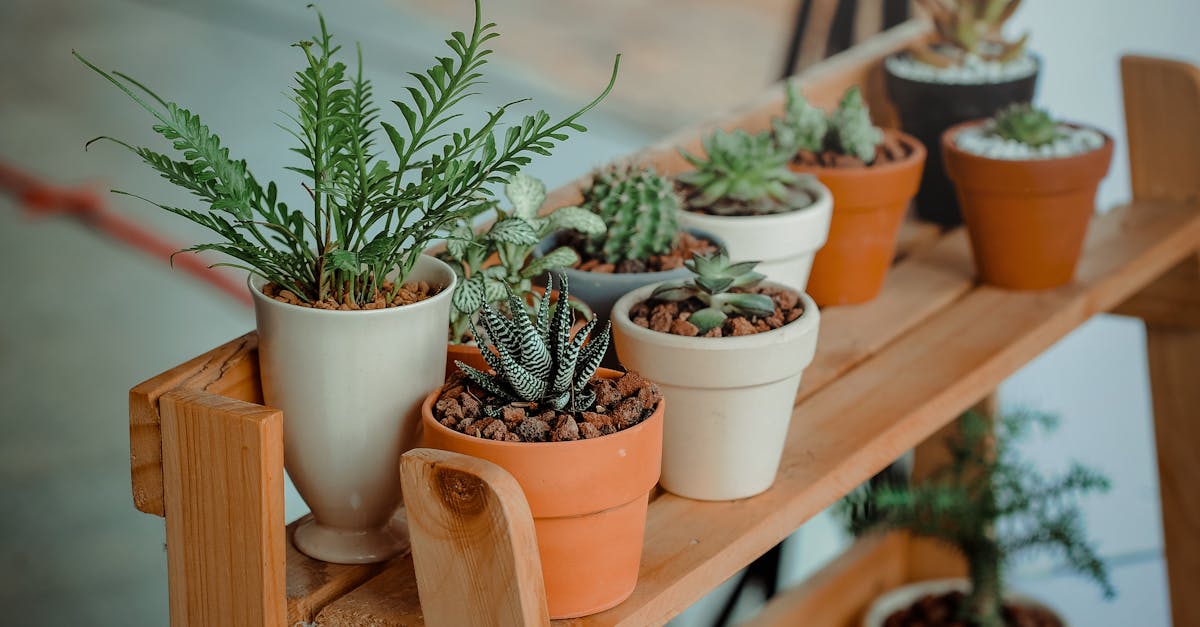
When selecting plants for your balcony, it’s essential to consider several key factors that will impact their health, appearance, and overall visual appeal. Sunlight exposure is paramount, as different plants have varying light requirements. Determine the amount of sunlight your balcony receives throughout the day and choose plants that are well-suited to those conditions. Balcony size is another important consideration. If you have a small balcony, you’ll want to select compact plants that won’t overwhelm the space. Finally, consider the color of your plants and how they will complement each other and your balcony’s décor. By carefully considering these factors, you can create a harmonious and visually stunning plant arrangement that will thrive on your balcony.
Factors to Consider When Selecting Plants
Sunlight Exposure: Different plants have varying sunlight requirements, so it’s important to choose plants that are well-suited to the amount of sunlight your balcony receives. If you have a balcony that receives full sun for most of the day, you can choose plants that love the sun, such as geraniums, petunias, and marigolds. If your balcony is mostly shaded, you’ll need to choose plants that can tolerate lower light levels, such as impatiens, begonias, and ferns.
Balcony Size: The size of your balcony will also impact the types of plants you can choose. If you have a small balcony, you’ll want to select compact plants that won’t overwhelm the space. Good choices for small balconies include dwarf conifers, small shrubs, and trailing plants.
Plant Size and Growth Habits: Consider the mature size of the plants you choose and how they will grow over time. Some plants, such as vines and climbing plants, can quickly grow out of control if they’re not properly managed. If you have a small balcony, you’ll want to avoid plants that are likely to become too large or unruly.
Recommended Plants for Balconies
Full Sun Plants:
- Geraniums
- Petunias
- Marigolds
- Zinnias
- Lantana
Partial Shade Plants:
- Impatiens
- Begonias
- Ferns
- Hostas
- Astilbe
Drought-Tolerant Plants:
- Lavender
- Rosemary
- Thyme
- Sedum
- Echeveria
Low-Maintenance Plants:
- Snake plant
- ZZ plant
- Pothos
- Peace lily
- Spider plant
2. Color Harmony and Contrast

Color plays a vital role in creating a visually pleasing plant arrangement. By using contrasting and complementary colors, you can create a dynamic and eye-catching display that will enhance the beauty of your plants. Complementary colors are colors that are opposite each other on the color wheel, such as red and green, blue and orange, and purple and yellow. When placed next to each other, complementary colors create a high contrast effect that is both vibrant and harmonious. Analogous colors are colors that are adjacent to each other on the color wheel, such as blue and green, red and orange, and purple and pink. When placed together, analogous colors create a more subtle and cohesive look. You can also use different shades and hues of the same color to create a monochromatic effect. This can be a good choice for creating a more serene and relaxing atmosphere.
Color Theory and Its Application in Plant Arrangement
Color theory is a body of practical guidance to color mixing and the visual effects of a specific color or color combination. By understanding the principles of color theory, you can create plant arrangements that are both visually appealing and harmonious. Complementary colors are colors that are opposite each other on the color wheel, such as red and green, blue and orange, and purple and yellow. When placed next to each other, complementary colors create a high contrast effect that is both vibrant and eye-catching. Analogous colors are colors that are adjacent to each other on the color wheel, such as blue and green, red and orange, and purple and pink. When placed together, analogous colors create a more subtle and cohesive look. You can also use different shades and hues of the same color to create a monochromatic effect. This can be a good choice for creating a more serene and relaxing atmosphere.
Examples of Effective Color Combinations
Complementary Color Combinations:
- Red and green: This is a classic complementary color combination that is both vibrant and eye-catching. Red flowers, such as geraniums or petunias, can be paired with green foliage plants, such as ferns or hostas, to create a stunning contrast.
- Blue and orange: This is another complementary color combination that is both bold and beautiful. Blue flowers, such as delphiniums or salvia, can be paired with orange flowers, such as marigolds or zinnias, to create a cheerful and inviting display.
- Purple and yellow: This is a complementary color combination that is both elegant and sophisticated. Purple flowers, such as lavender or iris, can be paired with yellow flowers, such as daffodils or sunflowers, to create a visually stunning arrangement.
Analogous Color Combinations:
- Blue, blue-green, and green: This is an analogous color combination that is both soothing and refreshing. Blue flowers, such as delphiniums or salvia, can be paired with blue-green foliage plants, such as hostas or ferns, and green plants, such as boxwood or ivy, to create a tranquil and peaceful atmosphere.
- Red, red-orange, and orange: This is an analogous color combination that is both warm and inviting. Red flowers, such as geraniums or petunias, can be paired with red-orange flowers, such as zinnias or daylilies, and orange flowers, such as marigolds or sunflowers, to create a cheerful and welcoming display.
- Purple, purple-red, and red: This is an analogous color combination that is both rich and dramatic. Purple flowers, such as lavender or iris, can be paired with purple-red flowers, such as fuchsia or amaranth, and red flowers, such as geraniums or petunias, to create a visually stunning arrangement.
3. Balancing Height and Volume
Varying the heights and volumes of your plants is a great way to create a dynamic and visually interesting arrangement. By placing taller plants in the back and shorter plants in the front, you can create a sense of depth and dimension. You can also use plants with different foliage densities to create contrast and add interest to your arrangement. For example, you could pair a tall, feathery plant with a shorter, more compact plant. Or, you could group together plants with different leaf shapes and textures to create a more visually appealing display.
Using Different Plant Heights to Create Depth
Placing taller plants in the back and shorter plants in the front is a simple but effective way to create a sense of depth and dimension in your plant arrangement. This technique works because it mimics the way that plants grow in nature. In a natural setting, taller plants typically grow in the back, while shorter plants grow in the front. This creates a sense of depth and recession that makes the landscape more visually interesting. You can recreate this effect in your own plant arrangement by placing your taller plants in the back and your shorter plants in the front. This will create a more dynamic and visually appealing display.
Combining Plants of Varying Volumes
Combining plants of varying volumes is a great way to create contrast and add interest to your plant arrangement. Plants with different foliage densities and sizes can create a variety of visual effects. For example, you could pair a plant with large, showy leaves with a plant with small, delicate leaves. Or, you could group together plants with different leaf shapes and textures to create a more visually appealing display. By combining plants of varying volumes, you can create a plant arrangement that is both visually appealing and unique.
4. Design Principles for Plant Arrangement
When arranging plants on your balcony, you can apply classic design principles to create a visually pleasing and balanced arrangement. Some of the most common design principles include symmetry, asymmetry, and repetition.
Symmetry is the principle of arranging elements in a balanced and orderly way. This can be achieved by placing plants of the same size and shape on either side of a central axis.
Asymmetry is the principle of arranging elements in a more informal and dynamic way. This can be achieved by placing plants of different sizes and shapes in a more off-center arrangement.
Repetition is the principle of using the same element multiple times in an arrangement. This can be achieved by using the same type of plant in different sizes or colors, or by repeating a certain shape or pattern throughout the arrangement.
Symmetry for Formal Arrangements
Symmetry is a classic design principle that can be used to create a formal and structured plant arrangement. To create a symmetrical arrangement, simply mirror the elements of your arrangement on both sides of a central axis. This can be achieved by placing plants of the same size and shape on either side of the axis, or by repeating a certain pattern or shape on both sides. Symmetrical arrangements are often used in formal settings, such as gardens and public spaces. However, they can also be used to create a more formal and structured look on your balcony.
Asymmetry for Dynamic Arrangements
Asymmetry is a design principle that can be used to create a more dynamic and visually interesting plant arrangement. Unlike symmetry, which relies on mirroring elements on both sides of a central axis, asymmetry uses unequal or unbalanced elements to create a more informal and relaxed look. This can be achieved by placing plants of different sizes and shapes in a more off-center arrangement, or by using different colors and textures to create a more varied and interesting display. Asymmetrical arrangements are often used in more informal settings, such as cottage gardens and naturalistic landscapes. However, they can also be used to create a more dynamic and visually interesting look on your balcony.
Repetition to Create Rhythm
Repetition is a design principle that can be used to create a sense of rhythm and flow in a plant arrangement. This can be achieved by repeating elements, such as colors, shapes, or plant species, throughout the arrangement. For example, you could repeat a certain color by using plants with the same flower color, or you could repeat a certain shape by using plants with similar leaf shapes. You could also repeat a certain plant species by using multiple plants of the same type. By repeating elements throughout the arrangement, you can create a sense of unity and cohesion.
5. Practical Tips for Implementation
Once you have a good understanding of the design principles discussed in this article, you can start to apply them to create a stunning plant arrangement on your balcony. Here are a few practical tips to help you get started:
-
Start with a plan. Before you start arranging your plants, take some time to plan out your design. This will help you to ensure that your arrangement is balanced and visually appealing.
-
Choose the right plants. When selecting plants for your arrangement, be sure to consider the size, shape, and color of the plants. You should also consider the amount of sunlight that your balcony receives.
-
Use containers of different sizes and shapes. This will add visual interest to your arrangement and help to create a sense of depth. You can also use different materials for your containers, such as ceramic, plastic, or metal.
-
Arrange your plants in a variety of ways. Don’t be afraid to experiment with different arrangements until you find one that you like. You can group plants together by size, shape, or color, or you can create a more eclectic arrangement.
Container Selection and Placement
When choosing containers for your balcony plants, there are a few things to keep in mind:
-
Size: The size of the container should be appropriate for the size of the plant. A small plant will do well in a small container, while a large plant will need a larger container.
-
Material: Containers can be made from a variety of materials, such as plastic, ceramic, or metal. Choose a material that is durable and will withstand the elements.
-
Drainage: Containers should have drainage holes to allow excess water to escape. This will help to prevent the roots of your plants from rotting.
Once you have chosen the right containers, you need to decide where to place them. The best place to put your plants is where they will receive the most sunlight. However, you may need to move your plants around throughout the day to ensure that they all get enough light.
Regular Maintenance and Care
Once you have your plant arrangement in place, it is important to provide regular maintenance and care to keep your plants healthy and thriving. Here are a few tips:
-
Watering: Water your plants regularly, but be sure to avoid overwatering. The frequency of watering will vary depending on the type of plants you have, the size of your containers, and the weather conditions.
-
Fertilizing: Fertilize your plants regularly during the growing season. This will help to ensure that your plants have the nutrients they need to grow and bloom. You can use a balanced fertilizer, or you can choose a fertilizer that is specifically designed for the type of plants you have.
-
Pruning: Pruning is essential for keeping your plants healthy and looking their best. Prune your plants regularly to remove dead or diseased leaves and stems, and to encourage new growth.
Seasonal Considerations
As the seasons change, you may need to adapt your plant arrangement to protect your plants from extreme heat, cold, or precipitation.
-
Summer: During the summer months, it is important to protect your plants from the sun. You can do this by providing shade for your plants, or by moving them to a cooler location. You should also water your plants more frequently during the summer months.
-
Winter: In the winter months, it is important to protect your plants from the cold. You can do this by bringing your plants indoors, or by covering them with a tarp or blanket. You should also water your plants less frequently during the winter months.
-
Spring and fall: In the spring and fall, you can start to transition your plants back to the outdoors. Be sure to harden off your plants gradually by exposing them to the outdoors for a few hours each day before leaving them outside overnight.
Quiz
1. Which of the following is NOT a factor to consider when selecting plants for a balcony arrangement?
(a) Sunlight exposure (b) Plant size (c) Plant color (d) Soil type
2. True or False: Complementary colors create a harmonious and visually appealing effect when placed next to each other in a plant arrangement.
(a) True (b) False
3. Which design principle can be used to create a more dynamic and visually interesting plant arrangement?
(a) Symmetry (b) Asymmetry (c) Repetition (d) Contrast
4. When arranging plants on a balcony, it is important to:
(a) Place taller plants in the front and shorter plants in the back (b) Use containers of different sizes and shapes (c) Arrange plants in a variety of ways (d) All of the above
5. True or False: It is important to protect balcony plants from extreme heat, cold, or precipitation during different seasons.
(a) True (b) False
Answer Key
- (d)
- (a)
- (b)
- (d)
- (a)
Mirror Magic: Transforming Your Balcony Garden into an Illusion of Space Unlock the secrets of mirror tricks and transform your Read more
Transform Your Balcony into a Themed Oasis: A Comprehensive Guide to Tropical and Desert Gardens Balcony gardens offer a unique Read more
Discover the Art of DIY Decor: Transform Your Balcony Into a Flourishing Paradise [DIY Projects To Elevate Your Balcony Garden: Read more
Unveiling the Secrets to Balcony Privacy: A Guide to Creating Your Own Oasis Transform your balcony into a private sanctuary Read more